
Welcome to the beginner’s guide to understanding the impact of alcohol on the body and strategies for moderation. In this article, you will learn about how alcohol affects your body, from your brain to your liver, and ways to safely enjoy alcohol in moderation. Understanding the effects of alcohol on your body is crucial for making informed decisions about your health and well-being. So grab a drink (responsibly, of course) and let’s explore the world of alcohol together! Have you ever wondered about the effects of alcohol on your body? Whether you’re a casual drinker or someone who enjoys a few drinks on the weekends, it’s important to understand how alcohol impacts your health and well-being. In this beginner’s guide, we will delve into the physiological effects of alcohol on your body and discuss strategies for moderation to ensure you can enjoy alcohol responsibly.
Understanding the Basics of Alcohol
Alcohol, also known as ethanol, is a psychoactive substance that is commonly consumed in beverages such as beer, wine, and spirits. When consumed, alcohol enters your bloodstream and travels to various organs in your body, affecting both your brain and body functions. It is classified as a depressant, meaning it slows down your central nervous system, leading to a range of effects from relaxation to impaired coordination.
How Alcohol is Metabolized in the Body
After you consume alcohol, it is primarily metabolized by your liver. The enzyme alcohol dehydrogenase breaks down alcohol into acetaldehyde, a toxic byproduct that is then converted into acetate by another enzyme called aldehyde dehydrogenase. Acetate is further metabolized into carbon dioxide and water, which are eventually eliminated from your body.
Blood Alcohol Concentration (BAC)
Blood Alcohol Concentration (BAC) is a measurement used to quantify the amount of alcohol in your bloodstream. BAC is typically expressed as a percentage, with 0.08% being the legal limit for driving in most states. The rate at which your BAC rises and falls depends on various factors such as your weight, gender, and rate of alcohol consumption.
Short-Term Effects of Alcohol
When you consume alcohol, you may experience a range of short-term effects that impact your physical and mental well-being. Understanding these effects can help you make more informed decisions about your alcohol consumption and its consequences.
Immediate Effects of Alcohol
Within minutes of consuming alcohol, you may begin to feel its effects on your body. These can include relaxation, reduced inhibition, increased sociability, and impaired judgment. As you continue to drink, you may experience symptoms such as slurred speech, impaired coordination, and memory lapses.
Hangovers
One of the most common short-term effects of alcohol is a hangover, which typically occurs the morning after drinking heavily. Symptoms of a hangover may include headache, fatigue, nausea, and dehydration. To alleviate these symptoms, it’s important to stay hydrated, eat a balanced meal, and get plenty of rest.
Long-Term Effects of Alcohol
Chronic alcohol consumption can have a range of detrimental effects on your health and well-being. Understanding these long-term consequences can help you make informed decisions about your alcohol intake and take steps to moderate your drinking habits.
Liver Damage
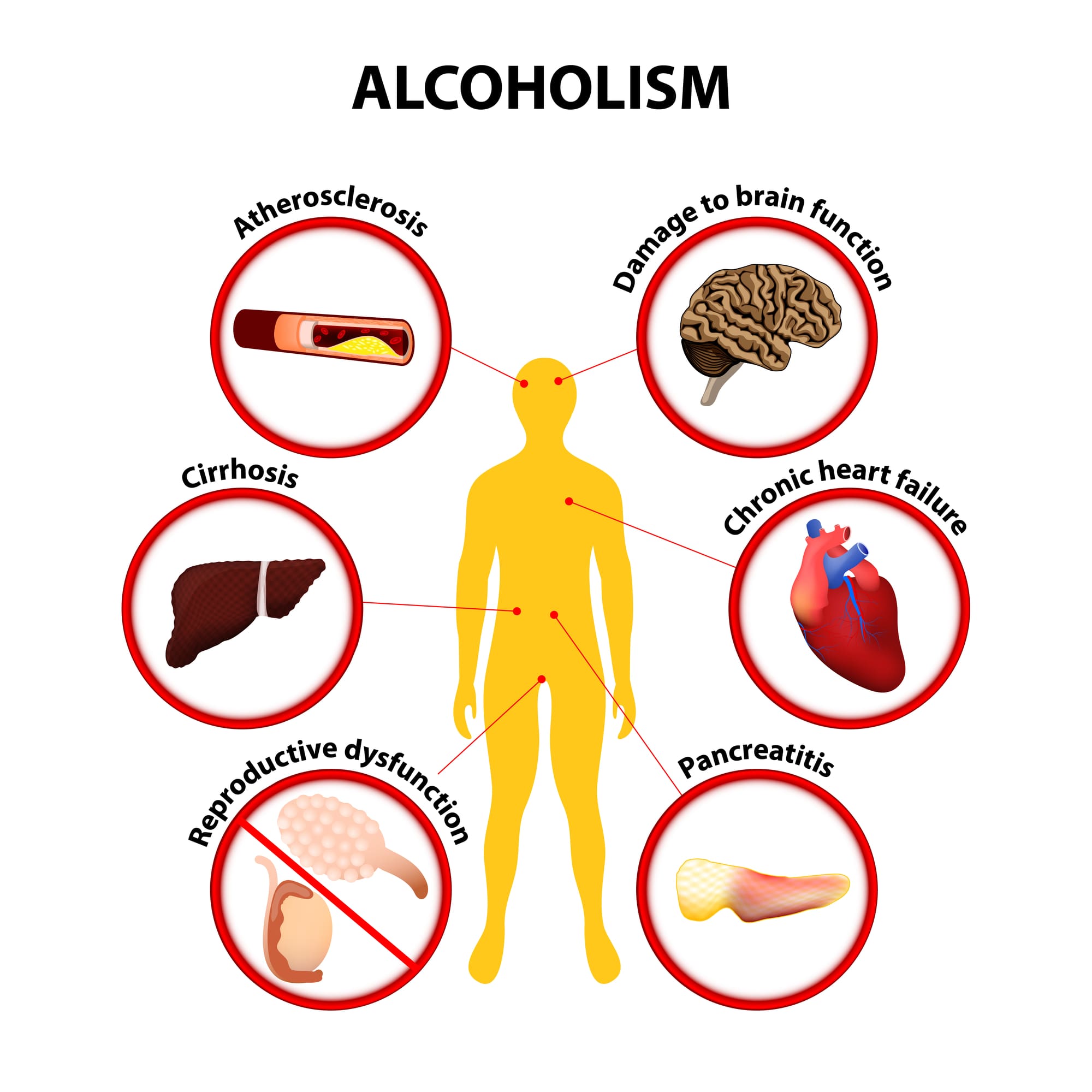
One of the most well-known long-term effects of alcohol consumption is liver damage. Chronic alcohol abuse can lead to conditions such as fatty liver, alcoholic hepatitis, and cirrhosis, which can have serious implications for your overall health. To protect your liver, it’s important to limit your alcohol consumption and seek medical advice if you suspect you have liver damage.
Cardiovascular Health
Excessive alcohol consumption has been linked to an increased risk of cardiovascular diseases such as hypertension, stroke, and heart disease. While moderate alcohol consumption may have some cardiovascular benefits, it’s essential to balance these potential benefits with the risks of excessive drinking. If you have a history of heart disease or other cardiovascular conditions, it’s important to consult with your healthcare provider before consuming alcohol.
Mental Health
Alcohol has a significant impact on your mental health, with chronic alcohol abuse being associated with an increased risk of depression, anxiety, and other mood disorders. If you find yourself using alcohol as a coping mechanism for mental health issues, it’s crucial to seek support from a mental health professional and consider healthier coping strategies.
Strategies for Responsible Drinking
While alcohol can be enjoyed in moderation, it’s essential to be mindful of your consumption habits and take steps to drink responsibly to protect your health and well-being. Here are some strategies for practicing responsible drinking:
Set Limits
Before you start drinking, it’s important to set clear limits on how much you will consume. Consider factors such as your tolerance, weight, and the type of alcohol you’re drinking to determine a reasonable limit for yourself. Stick to your limits to avoid overindulging and prevent negative consequences.
Pace Yourself
To avoid becoming intoxicated too quickly, it’s essential to pace yourself while drinking. Sip your drink slowly, and intersperse alcohol with water or non-alcoholic beverages to stay hydrated and maintain control of your consumption. Taking breaks between drinks can also help you gauge your level of intoxication and make informed decisions about continuing to drink.
Eat Before Drinking
Consuming food before drinking alcohol can help slow down the absorption of alcohol into your bloodstream, reducing the likelihood of intoxication and hangover symptoms. Choose a balanced meal with protein, carbohydrates, and healthy fats to provide your body with the nutrients it needs to process alcohol effectively.
Avoid Peer Pressure
It’s important to remember that you are in control of your decisions about drinking, regardless of social pressure from peers. If you feel uncomfortable with the amount of alcohol being consumed around you, don’t be afraid to politely decline or suggest alternative activities that don’t involve drinking. Your health and well-being should always come first.
Resources for Support
If you’re concerned about your alcohol consumption or are struggling to moderate your drinking habits, there are resources available to provide support and guidance. Whether you’re looking for information, counseling, or treatment options, reaching out for help can be a crucial step in maintaining your health and well-being.
Alcoholics Anonymous (AA)
Alcoholics Anonymous (AA) is a well-known international mutual aid fellowship that provides support for individuals struggling with alcohol addiction. Through group meetings, peer support, and a 12-step program, AA offers a supportive environment for those looking to overcome alcohol abuse and maintain sobriety.
National Institute on Alcohol Abuse and Alcoholism (NIAAA)
The National Institute on Alcohol Abuse and Alcoholism (NIAAA) is a leading research institute dedicated to studying the effects of alcohol on health and developing strategies for prevention and treatment of alcohol-related problems. Their website offers a wealth of resources, information, and tools for understanding the impact of alcohol and finding help if needed.
Counseling and Therapy
Seeking counseling or therapy from a mental health professional can be beneficial for individuals struggling with alcohol abuse or addiction. Therapy can help you address underlying issues contributing to your drinking habits, develop coping strategies for managing stress and emotions, and work towards a healthier relationship with alcohol.
Final Thoughts
In conclusion, understanding the impact of alcohol on your body and implementing strategies for moderation are essential steps in maintaining your health and well-being. By being mindful of your alcohol consumption, setting limits, pacing yourself, and seeking support when needed, you can enjoy alcohol responsibly and minimize the negative consequences associated with excessive drinking. Remember that your health is a priority, and making informed decisions about your alcohol intake is an important part of maintaining a balanced and healthy lifestyle. Cheers to responsible drinking!