
Are you ready to embark on a journey towards a healthier, more compassionate lifestyle? Look no further than this Beginner’s Guide to Veganism and Plant-Based Diets. In this comprehensive article, you will discover the benefits of adopting a vegan lifestyle, learn about the different types of plant-based diets, and find helpful tips for transitioning into this compassionate way of living. Whether you’re a total beginner or just curious about embracing a plant-based lifestyle, this guide will provide you with all the essential information you need to start your journey towards a better you and a better world. So, let’s dive into the exciting world of veganism and plant-based diets together!
Understanding Veganism
What is veganism?
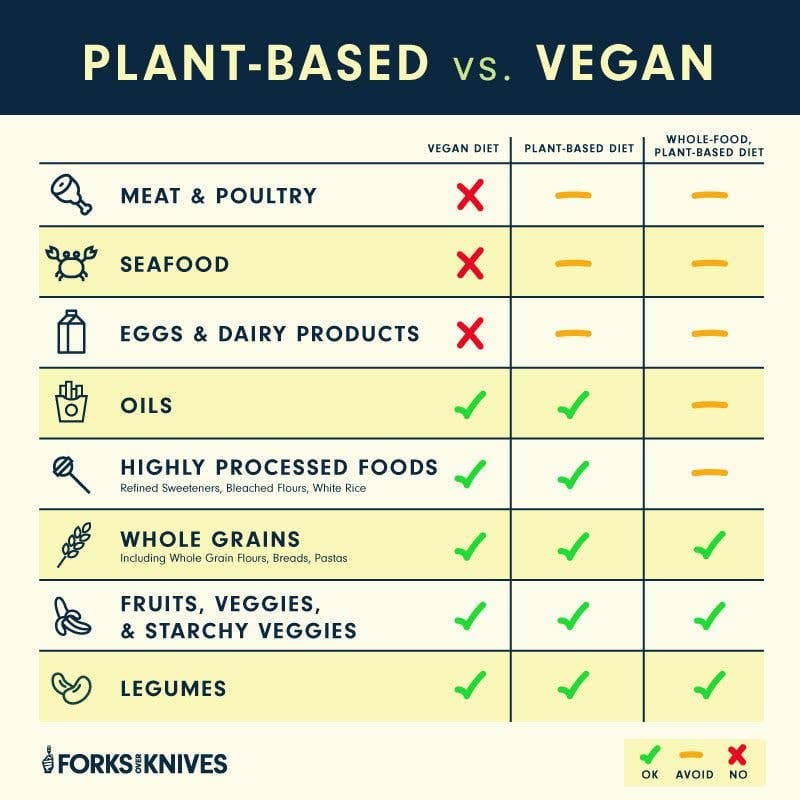
Veganism is a lifestyle and dietary choice that excludes the consumption of animal products, including meat, dairy, eggs, and honey. It extends beyond just dietary choices and also encompasses the avoidance of using products derived from animals, such as leather, silk, and wool. The philosophy behind veganism is rooted in a desire to avoid contributing to animal exploitation and to promote a more compassionate and sustainable way of living.
What is a plant-based diet?
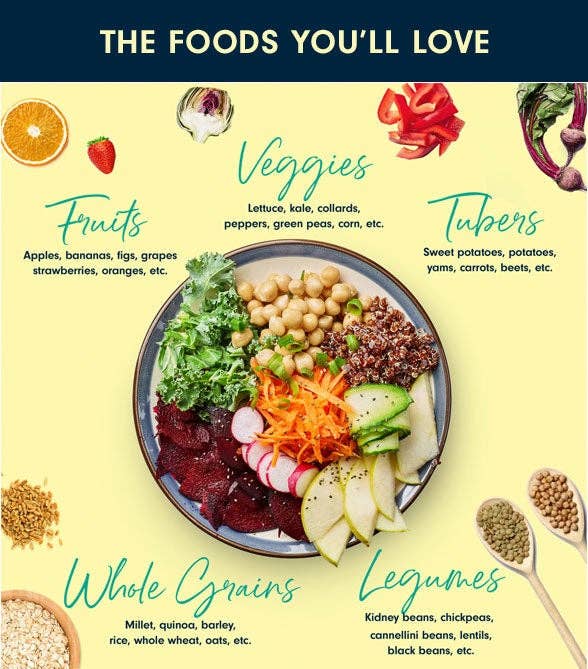
A plant-based diet is a dietary approach that focuses on consuming primarily fruits, vegetables, whole grains, legumes, nuts, and seeds. It emphasizes the importance of including an abundance of plant foods while minimizing or completely eliminating animal-derived products. While veganism extends beyond diet, a plant-based diet is a significant element of the vegan lifestyle.
The difference between veganism and vegetarianism
Both veganism and vegetarianism involve abstaining from consuming animal flesh, but there are key differences between the two. Vegetarianism allows for the consumption of dairy products and eggs, while veganism avoids all animal products in both diet and lifestyle. Vegans extend their ethical responsibility to include the avoidance of animal-derived clothing, cosmetics, and other products.
Benefits of veganism and plant-based diets
Veganism and plant-based diets offer numerous benefits to your health, the environment, and animal welfare. From a health perspective, following a well-planned vegan or plant-based diet can reduce the risk of chronic diseases, such as heart disease, diabetes, and certain types of cancer. It can also lead to weight loss and improved overall well-being. In terms of the environment, animal agriculture is a significant contributor to greenhouse gas emissions, deforestation, and water pollution. By adopting a vegan or plant-based lifestyle, you can reduce your carbon footprint and contribute to a more sustainable planet. Finally, choosing plant-based foods over animal products helps to prevent animal cruelty and promotes a more compassionate approach towards animals.
Getting Started
Define your reasons for going vegan
Before embarking on your vegan journey, take some time to understand your personal reasons for making this lifestyle change. Whether it is for ethical, environmental, or health reasons, having a clear understanding of your motivations will help you stay committed and navigate any challenges that may arise.
Gradual transition or immediate change?
Deciding whether to transition gradually to a vegan lifestyle or make an immediate change is a personal choice. Some individuals find it helpful to gradually eliminate animal products from their diet and lifestyle, allowing their taste buds and habits to adjust gradually. Others prefer to make a swift transition, embracing the change with determination. Assess your personality and lifestyle to determine which approach would be most suitable for you.
Educate yourself about plant-based nutrition
To ensure a healthy and balanced transition to a vegan or plant-based diet, it is crucial to educate yourself about the nutrients your body needs and how to obtain them from plant-based sources. Key nutrients to be mindful of include protein, iron, calcium, vitamin B12, and omega-3 fatty acids. Understanding which foods contain these nutrients and how to incorporate them into your daily meals will help you thrive on a vegan diet.
Setting realistic goals and expectations
When embarking on a vegan or plant-based journey, it is important to set realistic goals and expectations. Understand that transitioning to a new way of eating and living takes time and patience. Be kind to yourself and allow for some trial and error as you discover new recipes and adapt to this lifestyle. Celebrate every small victory and be open to learning and growing along the way.
Stocking Your Vegan Pantry
Essential plant-based ingredients
Stocking your pantry with essential plant-based ingredients will set you up for success in your vegan cooking adventures. Some staples include a variety of grains like quinoa, brown rice, and oats, as well as legumes such as black beans, chickpeas, and lentils. Don’t forget to include a selection of nuts and seeds, like almonds, chia seeds, and flaxseeds. And of course, fill your pantry with a wide range of herbs, spices, and condiments to add flavor and zest to your meals.
Alternative sources of protein
One common concern when transitioning to a vegan diet is obtaining enough protein. Luckily, there are plenty of plant-based sources of protein to incorporate into your meals. Legumes, tofu, tempeh, seitan, edamame, and quinoa are all excellent sources of protein. Additionally, nuts, seeds, and certain vegetables like spinach and broccoli also contribute to your protein intake. By including a variety of these foods in your diet, you can meet your protein needs easily.
Replacing dairy and eggs
Replacing dairy and eggs in your diet and recipes may seem challenging at first, but there are plenty of delicious options available. For dairy alternatives, oat milk, almond milk, coconut milk, and soy milk are great substitutes in recipes and for drinking. When it comes to eggs, you can use alternatives like flaxseed or chia seed mixed with water as an egg replacer in baking. There are also commercially available vegan egg replacers, such as vegan egg powder or flaxseed-based egg substitutes.
Discovering vegan-friendly snacks and treats
Snacking is an integral part of many people’s daily routine, and going vegan shouldn’t limit your options. There are numerous vegan-friendly snacks and treats available. Fresh fruits, vegetables with dips like hummus, and homemade energy bars made with nuts and dried fruits are all satisfying snack options. Additionally, many companies offer vegan versions of popular snacks, including chips, cookies, and chocolate bars. Just be sure to check labels for any hidden animal-derived ingredients.
Meal Planning
Understanding macronutrients
Macronutrients, including carbohydrates, proteins, and fats, are the essential components of a balanced diet. Understanding how to obtain these macronutrients from plant-based sources is key to creating nutritious and satisfying meals. Carbohydrates can be found in grains, fruits, and vegetables. Protein sources include legumes, tofu, and plant-based protein powders. Healthy fats can be obtained from avocados, nuts, and seeds.
Designing balanced and satisfying meals
Designing balanced and satisfying meals as a vegan requires some creativity and knowledge of plant-based sources of nutrients. Aim to include a combination of whole grains, plant-based proteins, and a variety of vegetables in your meals. Experiment with different cooking techniques and flavors to keep your meals interesting and enjoyable. And don’t forget to add a source of healthy fats, like avocado or olive oil, to enhance the taste and satiety of your meals.
Exploring vegan cooking methods and techniques
Adapting to vegan cooking methods and techniques is an exciting part of the journey. Instead of relying heavily on animal fats or dairy, experiment with using plant-based alternatives for cooking and baking. Discover the versatility of tofu, tempeh, and seitan as protein options. Embrace the magic of plant-based milk and cream substitutes in your cooking. By exploring new methods and techniques, you’ll uncover a whole world of flavors and possibilities.
Meal prepping for convenience
Meal prepping can be a game-changer, especially for busy individuals. Investing a little time each week to plan and prepare meals in advance can save you valuable time and ensure that you always have nutritious vegan options readily available. Prepare big batches of grains, legumes, and roasted vegetables that can be mixed and matched throughout the week. You can also pre-portion snacks and make homemade dressings and sauces to streamline your meal preparation.
Navigating Social Situations
Communicating your dietary choices to others
When adopting a vegan lifestyle, it’s important to communicate your dietary choices effectively to those around you. Be respectful and understanding while explaining your reasons for going vegan. Share information about the environmental and ethical aspects of veganism, and emphasize that it is a personal choice you have made. By remaining open-minded and patient, you can help others understand your perspective and potentially inspire them to make positive changes as well.
Choosing vegan-friendly restaurants
Dining out as a vegan doesn’t have to be complicated or restrictive. Many restaurants now offer vegan options or are willing to accommodate vegan requests. Researching and choosing vegan-friendly restaurants in advance can ensure you have a variety of delicious and satisfying options when eating out. Dive into online vegan communities and local directories to discover hidden vegan gems near you.
Attending social events and parties as a vegan
Attending social events and parties can present challenges for vegans, but with a little planning, you can navigate these situations successfully. If you know the host in advance, let them know about your dietary needs and offer to bring a vegan dish to share. Alternatively, eat beforehand, or bring a small snack or dish that you can enjoy while others indulge in non-vegan options. Remember to focus on the company and social aspect of the event rather than solely on the food.
Dealing with negative reactions and criticism
Unfortunately, not everyone may understand or support your decision to go vegan. It’s important to be prepared for negative reactions or criticism from friends, family, or acquaintances. Stay confident in your choices, and remember that everyone has different perspectives and beliefs. Engage in respectful conversations and be open to listening to others’ viewpoints. Remember that your actions and the positive impact you are making can often speak louder than words.
Health Considerations
Meeting nutritional needs on a vegan diet
Meeting your nutritional needs on a vegan diet is achievable with proper planning and education. As mentioned earlier, it’s essential to ensure you are getting enough protein, iron, calcium, vitamin B12, and omega-3 fatty acids. Incorporating a variety of plant-based foods, such as legumes, leafy greens, nuts, and seeds, into your diet will help you meet these needs. If you have specific concerns or health conditions, consult with a registered dietitian or healthcare professional for personalized guidance.
Supplementing key nutrients
While a well-planned vegan diet can provide most of the necessary nutrients, there are a few vitamins and minerals that may require supplementation. Vitamin B12, which is predominantly found in animal products, is one nutrient that vegans should consider supplementing. Other supplements to consider include vitamin D, iodine, and omega-3 fatty acids, especially if you have limited sun exposure or specific dietary restrictions. Consult with a healthcare professional to determine if supplementation is necessary for you.
Managing allergies and dietary restrictions
Veganism can accommodate various dietary restrictions and allergies. By focusing on whole, unprocessed plant foods, you can often avoid common allergens such as dairy, eggs, and gluten. However, it’s crucial to read labels carefully and be aware of potential cross-contamination in manufacturing facilities. If you have specific dietary restrictions or allergies, do thorough research and consult with healthcare professionals or dietitians who specialize in vegan nutrition to ensure you are meeting your nutritional needs safely.
Consulting with healthcare professionals
If you have any concerns about your health or nutrition, it’s always wise to consult with healthcare professionals or registered dietitians who specialize in vegan nutrition. They can assess your individual needs, address specific health conditions, and provide personalized recommendations to support your vegan lifestyle. Regular check-ups and blood tests can help ensure that you are receiving the necessary nutrients and maintaining optimal health on your vegan journey.
Discovering New Foods
Exploring a variety of fruits and vegetables
One of the joys of going vegan is the opportunity to explore and discover a wide array of fruits and vegetables. With countless options available, you can experiment with tastes, textures, and colors like never before. Challenge yourself to try a new fruit or vegetable every week and incorporate them into your meals. From exotic fruits like dragon fruit and starfruit to versatile vegetables like kale and Brussels sprouts, the plant world has so much to offer.
Trying out plant-based alternatives to animal products
Plant-based alternatives to animal products have come a long way in recent years, providing delicious and satisfying options for vegans. Explore non-dairy milk options like almond, oat, and coconut milk, which have vastly improved in taste and texture. Experiment with plant-based meat alternatives made from ingredients like soy, seitan, or jackfruit, offering similar flavors and textures to their animal counterparts. With advancements in food science, the options are continually expanding, making it easier than ever to find tasty substitutes for your favorite animal products.
Discovering ethnic cuisines with vegan options
Ethnic cuisines can be a vegan’s paradise, offering a wide range of plant-based dishes bursting with flavors and spices. Explore cuisines like Indian, Thai, Middle Eastern, and Mexican, which often have abundant vegan options. Indulge in vegetable curries, falafel wraps, pad Thai with tofu, or vegan tacos. Be adventurous and open-minded when exploring new cuisines, and you’ll be pleasantly surprised by the variety and creativity of vegan dishes.
Experimenting with new cooking techniques and flavors
Going vegan opens the door to a world of new cooking techniques and flavors. Embrace the opportunity to experiment in the kitchen, trying out new cooking methods such as grilling, roasting, steaming, or stir-frying vegetables. Incorporate herbs and spices to enhance the taste and aroma of your dishes. Expand your culinary horizons by exploring different cuisines and flavors, and you may discover a passion for cooking you never knew you had.
Plant-Based Resources
Reputable vegan cookbooks and recipe websites
A plethora of vegan cookbooks and recipe websites are available to help you in your culinary endeavors. From beginner-friendly cookbooks to gourmet vegan creations, there is something for every taste and skill level. Some popular vegan cookbooks include “Thug Kitchen: Vegan Cookbook,” “Oh She Glows Cookbook,” and “Isa Does It: Amazingly Easy, Wildly Delicious Vegan Recipes for Every Day of the Week.” Online resources like Minimalist Baker, Oh She Glows, and Vegan Richa provide a wealth of delicious vegan recipes and inspiration.
Online vegan communities and support groups
Joining online vegan communities and support groups can be an excellent way to connect with like-minded individuals, share experiences, and gain valuable insights and advice. Websites and forums such as Reddit’s r/vegan and Facebook groups like “Vegan Beginners” or “What Fat Vegans Eat” offer a platform for communication, recipe sharing, and support. Engaging with these communities provides a sense of belonging and encouragement, especially during the initial stages of going vegan.
Educational documentaries and books
Educational documentaries and books play a crucial role in broadening our knowledge and understanding of veganism and its impact. Documentaries like “Cowspiracy: The Sustainability Secret,” “Forks Over Knives,” and “What the Health” shed light on the environmental, health, and ethical aspects of animal agriculture. Books like “Eating Animals” by Jonathan Safran Foer and “The China Study” by T. Colin Campbell and Thomas M. Campbell II explore the consequences of our food choices. Integrating these resources into your journey can deepen your understanding and motivate you to stay committed to your vegan lifestyle.
Finding local vegan events and businesses
Exploring local vegan events and supporting vegan businesses in your area is an excellent way to connect with the vegan community and discover new flavors. Keep an eye out for vegan food fairs, plant-based cooking classes, or pop-up restaurants. Utilize online directories and social media platforms to find vegan-friendly businesses and restaurants in your area. By supporting local vegan entrepreneurs, you contribute to the growth of the vegan movement and help create more options for vegans in your community.
Staying Motivated
Tracking your progress and celebrating milestones
Tracking your progress and celebrating milestones is vital for staying motivated on your vegan journey. Whether it’s monitoring the positive changes in your health, the number of vegan meals you’ve cooked, or the number of animals saved, keeping track of your accomplishments helps to reinforce your commitment to veganism. Celebrate your milestones, big or small, to acknowledge your achievements and maintain your enthusiasm for the journey ahead.
Finding a support system
Having a support system can make a world of difference when embarking on a vegan journey. Surround yourself with like-minded individuals who share your values and goals. Connect with friends, family, or colleagues who are also vegan, or join local vegan meetup groups. Additionally, online communities and social media platforms are great places to find support and share experiences. Engaging with a support system helps you stay motivated, provides a sense of belonging, and offers a resource for advice and encouragement.
Exploring the environmental and ethical impact of veganism
Understanding the environmental and ethical impact of veganism can further motivate you to stay committed to your lifestyle. Inform yourself about the carbon footprint of animal agriculture, deforestation caused by the meat industry, and the unethical treatment of animals in factory farms. By continually educating yourself and staying informed about these issues, you can remain passionate about making a positive impact and inspire others to do the same.
Continuously educating yourself about veganism
The more you educate yourself about veganism, the more equipped you will be to stay motivated and make informed choices. Stay up-to-date with the latest research, read books and articles on veganism, and listen to podcasts or watch documentaries that explore vegan topics. By continuously learning and expanding your knowledge, you’ll reinforce your reasons for going vegan and be better equipped to handle any challenges that may arise.
Dealing with Challenges
Overcoming cravings and temptations
Cravings and temptations for non-vegan foods may arise, especially during the early stages of going vegan. It’s important to remember why you made the decision to go vegan and focus on the positive aspects of your new lifestyle. Remind yourself of the benefits you’ve experienced, both for yourself and for the planet. When cravings strike, explore vegan alternatives for the foods you desire or distract yourself with delicious vegan options that satisfy your taste buds.
Handling difficult social situations
Navigating difficult social situations as a vegan can be challenging but manageable with the right mindset and approach. Remember that your dietary choices are personal, and it’s not necessary to justify or defend them to everyone. If faced with criticism or pressure, stay calm and confident in your choices. Focus on finding common ground and highlighting the shared values of compassion, sustainability, and health. In time, your friends and family may come to appreciate and respect your commitment to veganism.
Traveling and dining out as a vegan
Traveling as a vegan can introduce you to new challenges and opportunities. Researching vegan-friendly options and restaurants in advance is essential, especially when traveling to unfamiliar places. Utilize online resources, vegan travel guides, and mobile apps to find vegan-friendly restaurants and grocery stores in your destination. Additionally, consider packing some non-perishable vegan snacks to have on hand, just in case you find yourself in a location with limited vegan options. By planning ahead, you can enjoy your travels while still maintaining your vegan lifestyle.
Finding vegan options in non-vegan environments
In non-vegan environments, finding vegan options may require a bit of creativity and flexibility. When attending events or visiting places with limited vegan options, seek out plant-based alternatives or find ways to modify dishes to suit your needs. For example, ask for a vegetable-based pasta instead of a meat-filled one or request a salad without cheese or meat. By being proactive and adaptable, you’ll find that there are often surprising vegan options available, even in seemingly non-vegan environments.
Conclusion
Embarking on a vegan or plant-based journey can be an exciting and rewarding experience. Understanding the principles behind veganism, stocking your pantry with essential ingredients, and planning and preparing nutritious meals are key components of a successful transition. Navigating social situations, considering health implications, and discovering new foods and resources are all integral to maintaining a vegan lifestyle. Remember to stay motivated, celebrate milestones, and continuously educate yourself about veganism to reinforce your commitment to the compassionate and sustainable lifestyle you have chosen.