
Welcome to a helpful article on the best practices for managing bipolar disorder. Living with bipolar disorder can be challenging, but with the right strategies in place, it is possible to lead a fulfilling and balanced life. In this article, you will learn about key practices such as medication management, therapy options, lifestyle adjustments, and support systems that can help you effectively manage your symptoms and improve your overall well-being. By incorporating these best practices into your daily routine, you can take control of your mental health and thrive despite the challenges of bipolar disorder.
Best Practices For Managing Bipolar Disorder
Have you been diagnosed with bipolar disorder or suspect that you may have it? It’s essential to understand that managing bipolar disorder can be challenging, but with the right tools and strategies, you can lead a fulfilling and stable life. In this article, we will discuss the best practices for managing bipolar disorder to help you navigate this mental health condition effectively.
Understanding Bipolar Disorder
First things first, it’s crucial to have a solid understanding of what bipolar disorder is. Bipolar disorder is a mental health condition characterized by extreme mood swings that include emotional highs (mania or hypomania) and lows (depression). These mood swings can affect your ability to function in everyday life and can interfere with your relationships and work.
Understanding the nature of bipolar disorder can help you better manage your symptoms and seek appropriate treatment. It’s essential to educate yourself about the different types of bipolar disorder, the symptoms associated with each phase, and how the disorder can impact your life.
Seeking Professional Help
One of the most important steps in managing bipolar disorder is seeking professional help. A mental health professional, such as a psychiatrist or psychologist, can provide an accurate diagnosis, offer treatment options, and support you in developing coping strategies. It’s crucial to find a provider you trust and feel comfortable with, as building a strong therapeutic relationship is key to your recovery journey.
Talking to a mental health professional can help you understand your symptoms, triggers, and patterns of behavior, leading to better management of your bipolar disorder. Your provider may recommend medication, therapy, or a combination of both to help stabilize your moods and reduce the severity of your symptoms.
Tips for Finding the Right Mental Health Professional
Finding the right mental health professional is crucial for effectively managing bipolar disorder. Here are some tips to help you find the right provider for you:
- Ask for recommendations from your primary care physician, friends, or family members.
- Research different providers and their specialties to find someone who specializes in treating bipolar disorder.
- Schedule a consultation to determine if you feel comfortable and confident with the provider’s approach to treatment.
Developing a Treatment Plan
Once you have found a mental health professional, it’s time to develop a treatment plan tailored to your unique needs. Your treatment plan may include medication, therapy, lifestyle changes, and other interventions to help you manage your bipolar disorder effectively. It’s essential to work closely with your provider to establish a plan that works best for you and addresses your specific symptoms and goals.
Medication Management
Medication is often a cornerstone of treatment for bipolar disorder, as it can help stabilize your moods and reduce the frequency and severity of mood swings. Your provider may prescribe mood stabilizers, antipsychotic medications, or antidepressants to help manage your symptoms. It’s essential to take your medication as prescribed and communicate any side effects or concerns with your provider.
Therapy and Counseling
In addition to medication, therapy and counseling can be beneficial in managing bipolar disorder. Cognitive-behavioral therapy (CBT), dialectical behavior therapy (DBT), and interpersonal therapy are often used to help individuals with bipolar disorder develop coping skills, improve communication, and address underlying issues. Therapy can also help you identify triggers and early warning signs of mood episodes, leading to better management of your symptoms.
Lifestyle Changes
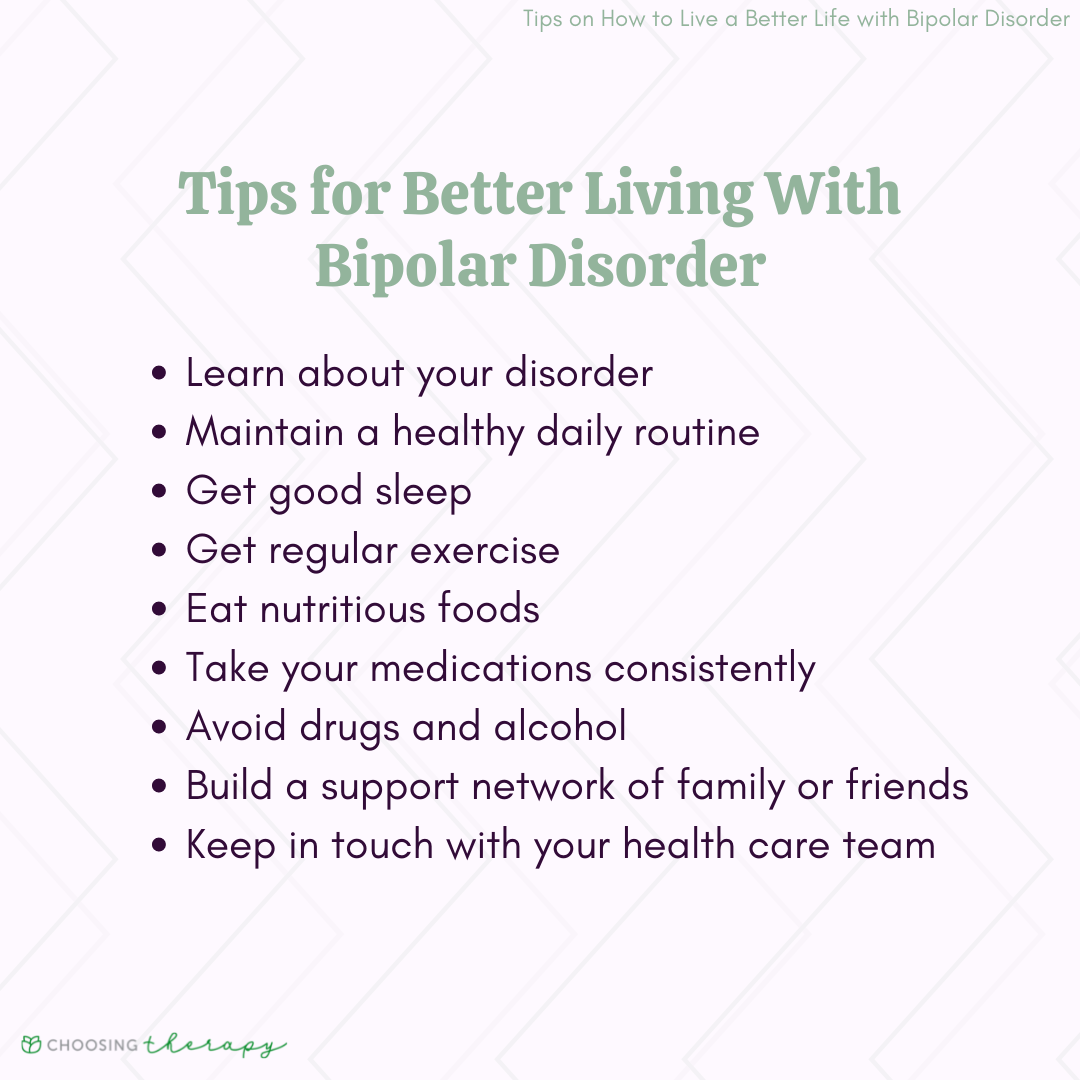
Making lifestyle changes can also play a significant role in managing bipolar disorder. Adopting healthy habits and routines can help stabilize your moods, reduce stress, and improve your overall well-being. Here are some lifestyle changes to consider:
Regular Exercise
Exercise has been shown to have a positive impact on mental health, including reducing symptoms of depression and anxiety. Incorporating regular physical activity into your routine can help stabilize your moods, boost your energy levels, and improve your sleep quality. Aim for at least 30 minutes of moderate exercise most days of the week to experience the mental health benefits.
Healthy Diet
Eating a balanced and nutritious diet can also support your mental health and overall well-being. Focus on consuming whole foods, such as fruits, vegetables, whole grains, lean proteins, and healthy fats. Avoid processed foods, sugary snacks, and caffeine, as these can exacerbate mood swings and disrupt your sleep patterns. Stay hydrated and try to eat regular meals to maintain stable energy levels throughout the day.
Adequate Sleep
Getting enough sleep is essential for managing bipolar disorder, as disruptions in your sleep patterns can trigger mood episodes. Aim for 7-9 hours of restful sleep each night and establish a bedtime routine to promote better sleep quality. Avoid caffeine and electronic devices before bed, create a relaxing environment in your bedroom, and practice relaxation techniques, such as deep breathing or meditation, to improve your sleep.
Building a Support Network
Managing bipolar disorder can feel overwhelming at times, which is why having a strong support network is crucial. Surround yourself with friends, family members, support groups, and peers who understand your condition and can offer support and guidance when needed. Building a support network can help you feel less isolated, reduce stigma, and provide a sense of belonging and understanding.
Tips for Building a Support Network
Here are some tips for building a support network to help you manage bipolar disorder effectively:
- Join a local or online support group for individuals with bipolar disorder.
- Share your experiences and feelings with trusted friends and family members who can offer empathy and support.
- Participate in activities and hobbies that bring you joy and connect you with like-minded individuals.
Monitoring Your Symptoms
Monitoring your symptoms and mood changes is essential in managing bipolar disorder effectively. Keeping track of your mood swings, sleep patterns, energy levels, and stressors can help you identify triggers, early warning signs, and patterns of behavior. Use a mood journal, smartphone app, or online tracker to record your symptoms daily and share the information with your mental health provider during appointments.
Managing Stress
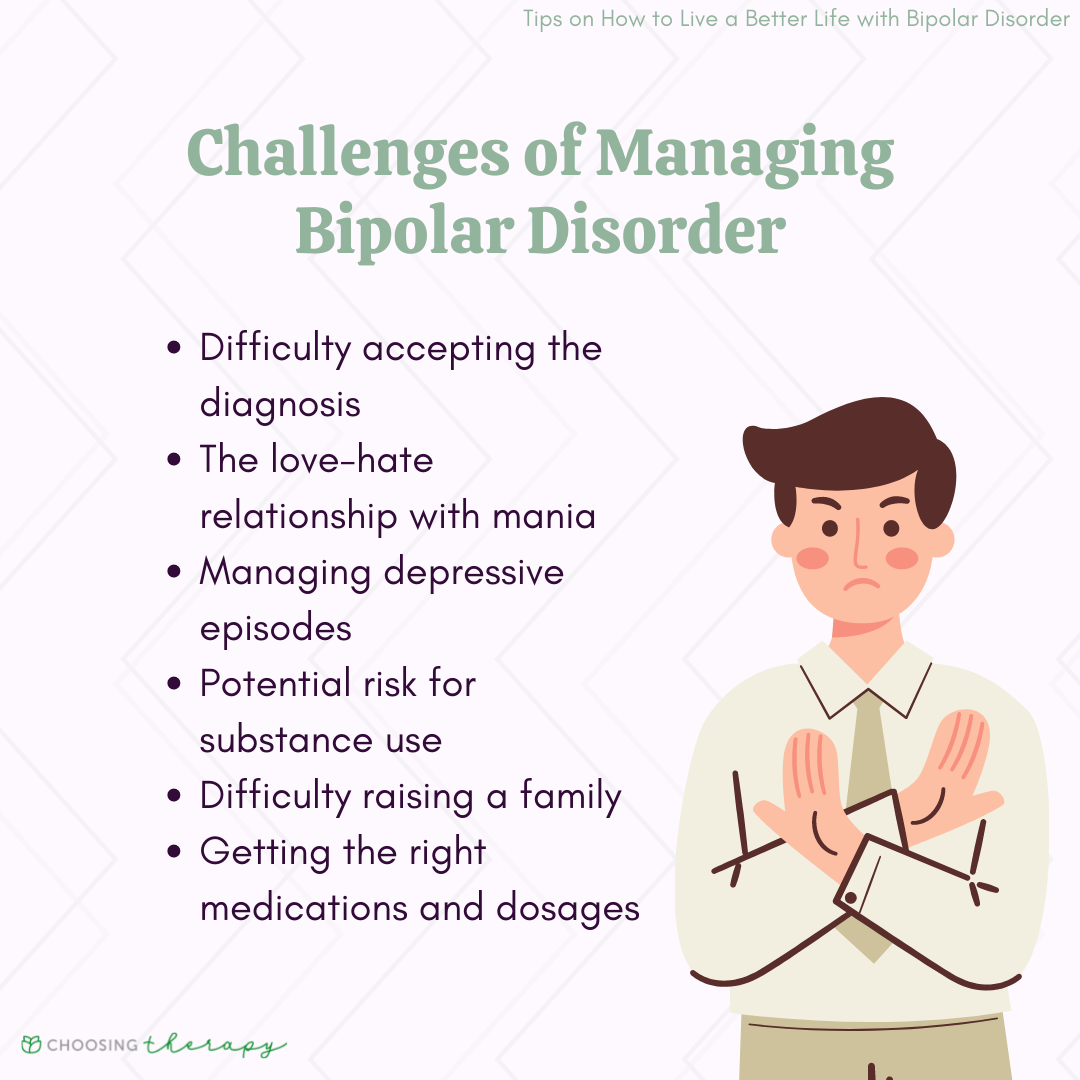
Stress can exacerbate symptoms of bipolar disorder and trigger mood episodes, making it important to develop healthy coping strategies to manage stress effectively. Here are some tips for managing stress:
Relaxation Techniques
Practice relaxation techniques, such as deep breathing, progressive muscle relaxation, mindfulness meditation, or yoga, to reduce stress and promote a sense of calm. Incorporate these techniques into your daily routine to help you manage stress and improve your overall well-being.
Setting Boundaries
Learn to set boundaries and prioritize your needs to avoid becoming overwhelmed by stressors. Identify triggers that increase your stress levels and create a plan to address them proactively. Communicate your boundaries with others and seek support when needed to ensure your mental health needs are met.
Time Management
Effective time management can help reduce stress and improve your productivity and well-being. Create a daily schedule, prioritize tasks, and delegate responsibilities to avoid feeling overwhelmed. Break tasks into manageable steps, set realistic goals, and celebrate your accomplishments to maintain a positive outlook and reduce stress.
Managing Bipolar Disorder in the Workplace
Managing bipolar disorder in the workplace can present unique challenges, but with the right strategies, you can maintain a productive and fulfilling career. Here are some tips for managing bipolar disorder in the workplace:
Communication
Communicate openly and honestly with your employer, HR department, or supervisor about your condition and any accommodations you may need. Discuss your treatment plan, triggers, and warning signs to help them understand how they can support you at work. Consider requesting flexible hours, telecommuting options, or adjustments to your workload to manage your condition effectively.
Time Off
Allow yourself to take time off when needed to prioritize your mental health and well-being. Utilize sick leave, personal days, or vacation time to recharge and manage your symptoms. Communicate with your employer about any time off requests and work together to develop a plan that supports your needs while maintaining your responsibilities at work.
Stress Management
Implement stress management techniques in the workplace to help you cope with work-related stressors effectively. Take regular breaks, practice deep breathing exercises, or engage in quick mindfulness practices to reduce stress and promote relaxation. Establish boundaries to avoid overworking yourself and communicate your needs with colleagues to ensure a supportive work environment.

Conclusion
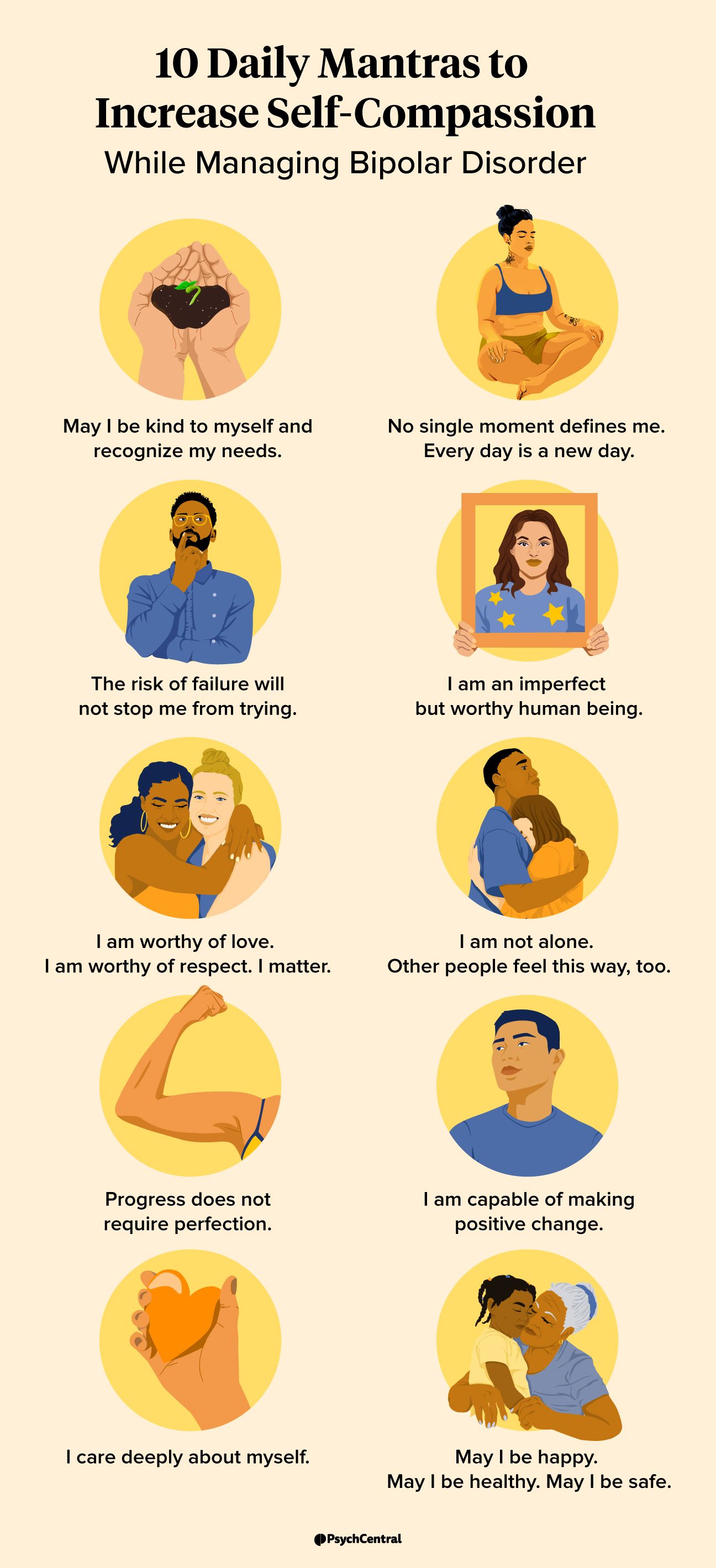
Managing bipolar disorder requires a multidimensional approach that addresses medication, therapy, lifestyle changes, support networks, stress management, and self-care practices. By seeking professional help, developing a treatment plan, making lifestyle changes, building a support network, monitoring your symptoms, and managing stress effectively, you can navigate the challenges of bipolar disorder and lead a fulfilling life. Remember that managing bipolar disorder is a journey, and it’s essential to be patient, compassionate with yourself, and dedicated to your mental health and well-being. With the right tools and strategies, you can effectively manage bipolar disorder and thrive despite the challenges it may present.