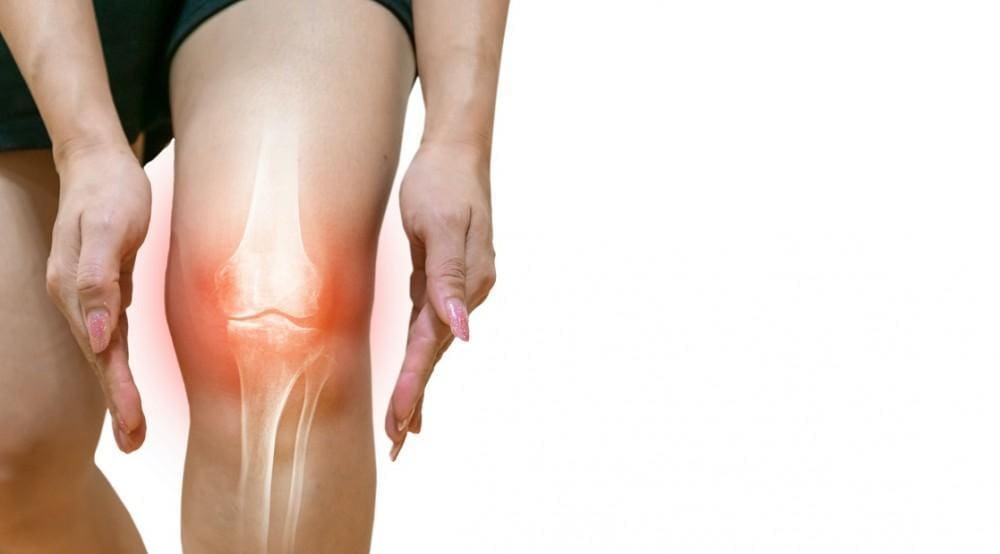
Are muscle and joint pain holding you back from living your best, pain-free life? Look no further. In this article, we will explore the best practices for preventing muscle and joint pain. Whether you are an athlete, an office worker, or simply someone who experiences occasional discomfort, implementing these practices will help you stay active, flexible, and pain-free. Say goodbye to those nagging aches and pains and hello to a pain-free lifestyle. Let’s dive in!
Proper Warm-up and Cool-down
Dynamic stretching
Before starting any exercise or physical activity, it is crucial to properly warm up your muscles and joints. Dynamic stretching involves active movements that gradually increase your range of motion and blood flow. This can include activities such as arm swings, leg swings, or torso twists. By engaging in dynamic stretching, you prepare your body for the upcoming workout and help prevent muscle tears or strains.
Light aerobic exercise
Following dynamic stretching, incorporating light aerobic exercise into your warm-up routine is beneficial. This can involve activities like jogging in place, cycling on a stationary bike, or brisk walking. Light aerobic exercise raises your heart rate gradually, further enhancing blood flow to the muscles and joints. It warms up your body and increases core temperature, making your muscles more pliable and ready for the main workout.
Gradual progression of intensity
When transitioning from your warm-up to the main exercise routine, it is important to gradually increase the intensity. Sudden and excessive exertion can strain your muscles and joints, leading to pain and potential injuries. Start with low-impact movements and gradually build up the intensity to the desired level. This allows your body to adapt and minimizes the risk of discomfort or injury.
Static stretching after exercise
After completing your workout or physical activity, it is recommended to perform static stretching. This involves holding a stretch for a prolonged period, typically for 20 to 30 seconds, without bouncing or excessive force. Static stretching helps improve flexibility and joint range of motion while preventing muscle stiffness and post-workout soreness. Focus on stretching the major muscle groups that were worked during the exercise session.
Correct Body Mechanics
Maintain good posture
Maintaining good posture throughout the day is essential for preventing muscle and joint pain. Whether sitting or standing, keep your spine aligned, shoulders relaxed, and head balanced. Avoid slouching or hunching forward, which can put unnecessary strain on your back and neck. By practicing good posture, you distribute the body’s weight evenly, reducing the risk of muscular imbalances and discomfort.
Use proper lifting techniques
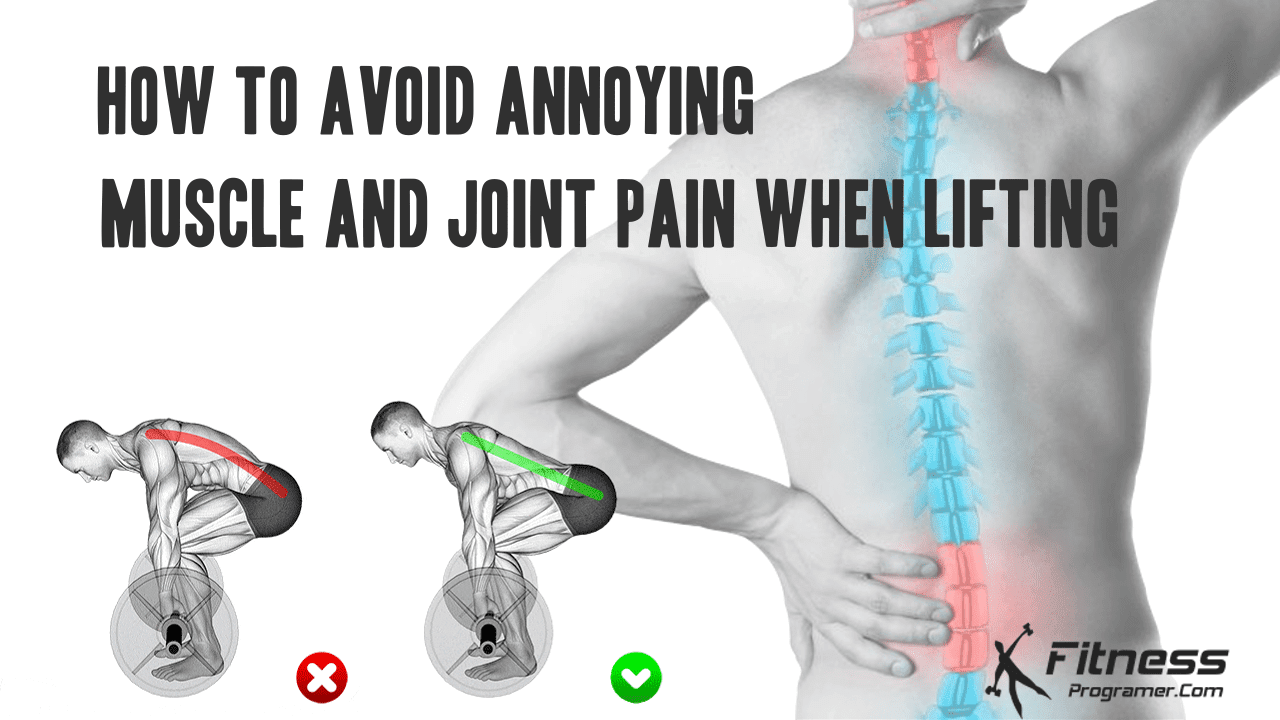
When lifting heavy objects or weights, it is vital to use proper lifting techniques to protect your muscles and joints from injury. Bend your knees and engage your core muscles while keeping your back straight, avoiding twisting or jerking movements. Lift with your legs, not your back, to distribute the weight evenly and minimize strain on your spine. If an object is too heavy, seek assistance rather than risking injury.
Avoid repetitive movements
Performing repetitive movements, especially in one particular position, can lead to overuse injuries and muscle imbalances. If your job or daily activities involve repetitive motions, take regular breaks and incorporate stretching exercises to counteract the strain on your muscles and joints. Alternating tasks or using ergonomic tools can also help reduce the repetitive stress on specific body parts.
Take regular breaks
Whether sitting at a desk or engaged in physical labor, taking regular breaks is crucial for preventing muscle and joint pain. Prolonged periods of inactivity or continuous activity can lead to muscle stiffness and discomfort. Incorporate short breaks every hour to stretch, walk around, or change positions. This allows your muscles and joints to relax, improves circulation, and reduces the risk of developing pain or stiffness.
Proper Nutrition
Eat a balanced diet
Maintaining a balanced diet is essential for overall health and preventing muscle and joint pain. A well-rounded diet should include a variety of fruits, vegetables, lean proteins, whole grains, and healthy fats. These nutrients provide essential vitamins, minerals, and antioxidants that support muscle and joint health. Aim to consume foods from all food groups in appropriate portions to ensure your body receives the necessary nutrients for optimal function.
Stay hydrated
Proper hydration is crucial for maintaining healthy muscles and joints. Water helps lubricate joints, cushions the spinal cord, and aids in detoxification processes. It also assists in the transport of nutrients to the muscles, enabling them to function optimally. Drink an adequate amount of water throughout the day, especially before, during, and after exercise or physical activity, to prevent dehydration and minimize the risk of muscle cramps or stiffness.
Include anti-inflammatory foods
Incorporating anti-inflammatory foods into your diet can help reduce muscle and joint pain. Foods rich in omega-3 fatty acids, such as fatty fish, walnuts, and flaxseeds, have been shown to have anti-inflammatory properties. Other foods like berries, leafy greens, turmeric, and ginger also contain compounds that can help reduce inflammation and support joint health. Including these foods in your meals can help alleviate discomfort and promote overall well-being.
Consider supplements
In some cases, dietary supplements may be beneficial for preventing muscle and joint pain. Omega-3 fatty acid supplements, glucosamine, and chondroitin sulfate are commonly used to support joint health and reduce inflammation. However, it is essential to consult with a healthcare professional before adding any supplements to your regimen. They can guide you on appropriate dosage and potential interactions with medications or existing health conditions.
Regular Exercise
Strength training
Incorporating regular strength training exercises into your fitness routine can help prevent muscle and joint pain. Strength training improves muscle strength and stability, reducing the risk of injury and enhancing joint function. Focus on exercises that target major muscle groups, such as squats, lunges, push-ups, and deadlifts. Start with lighter weights and gradually increase the resistance to challenge your muscles effectively.
Cardiovascular exercise
Engaging in cardiovascular exercise, such as running, swimming, or cycling, offers numerous benefits for muscle and joint health. Cardiovascular exercise strengthens the heart and circulatory system, improving blood flow and oxygen delivery to the muscles and joints. It also helps control weight, reduces inflammation, and enhances overall stamina and endurance. Aim for at least 150 minutes of moderate-intensity cardio exercise per week.
Low-impact activities
To protect your joints and minimize the risk of pain or injury, consider incorporating low-impact activities into your exercise routine. These activities, such as swimming, cycling, or using an elliptical machine, are gentle on the joints while still providing cardiovascular benefits. Low-impact exercises reduce stress on weight-bearing joints, making them suitable for individuals with existing joint conditions or those recovering from injuries.
Incorporate flexibility exercises
Flexibility exercises, such as yoga or Pilates, are essential for maintaining joint range of motion and preventing muscle and joint pain. These exercises help lengthen and stretch the muscles, promoting flexibility and reducing stiffness. Incorporate dynamic stretches and yoga poses that target major muscle groups and joints. Gradually increase the duration and intensity of your flexibility exercises over time to improve overall flexibility and prevent muscle imbalances.
Proper Rest and Recovery
Get enough sleep
Adequate sleep is crucial for muscle and joint health. During sleep, the body repairs and rejuvenates muscles, replenishes energy stores, and promotes overall tissue healing. Lack of sleep can lead to muscle fatigue, weakened immune function, and increased pain sensitivity. Aim for 7-9 hours of quality sleep each night to support proper rest and recovery, allowing your muscles and joints to heal and prepare for the next day’s activities.
Take rest days
Including rest days in your exercise routine is vital for preventing muscle and joint pain. Rest days allow your body to recover from intense workouts and reduce the risk of overuse injuries. Instead of pushing through every day with vigorous exercise, schedule days where you engage in gentle activities, stretching, or complete rest. Listen to your body’s signals and give yourself the necessary time to rest and recover for optimal performance and injury prevention.
Use relaxation techniques
Incorporating relaxation techniques into your routine can help reduce muscle tension and joint stiffness. Techniques such as deep breathing exercises, meditation, or mindfulness can aid in relaxation and stress reduction. These practices promote a calm state of mind and encourage the release of tension held in the muscles and joints. By incorporating relaxation techniques regularly, you can enhance overall well-being and minimize the risk of muscle and joint discomfort.
Listen to your body
One of the most important aspects of preventing muscle and joint pain is listening to your body. Pay attention to any discomfort or signs of overexertion. If you experience persistent pain, swelling, or limitations in movement, it is essential to seek medical guidance. Ignoring warning signs can lead to further injury and complications. Prioritize self-care, and adjust your exercise routine or activities according to your body’s needs.
Maintain a Healthy Weight
Eat a calorie-controlled diet
Maintaining a healthy weight is crucial for overall muscle and joint health. Excess weight places additional stress on the joints, leading to pain and discomfort. To manage weight, focus on consuming a calorie-controlled diet that aligns with your body’s energy needs. Incorporate plenty of fruits, vegetables, whole grains, and lean proteins while limiting processed foods, sugary snacks, and high-calorie beverages. Consult with a healthcare professional or registered dietitian for personalized dietary recommendations.
Exercise regularly
Regular exercise is essential for achieving and maintaining a healthy weight. Engaging in cardiovascular exercise and strength training not only burns calories but also supports lean muscle mass, which aids in weight management. Aim for a combination of cardio and strength training exercises for optimal results. Strive for consistency and find exercises that you enjoy to increase adherence to a regular exercise routine.
Consult a healthcare professional if needed
If you are struggling to manage your weight or have underlying health conditions that affect your weight, it is important to consult with a healthcare professional. They can provide guidance and support in developing a personalized plan that suits your needs. A comprehensive approach that includes proper nutrition, exercise, and potential medical interventions can help you achieve and maintain a healthy weight, reducing the strain on your muscles and joints.
Monitor body composition
Monitoring your body composition, which includes factors like body fat percentage and muscle mass, can provide helpful insights into your overall health and weight management journey. Regularly tracking changes in body composition can help you gauge the effectiveness of your exercise and nutrition efforts. It allows you to make any necessary adjustments to support muscle and joint health while maintaining a healthy weight.
Avoid Overtraining
Follow a structured training plan
When engaging in regular exercise, it is important to follow a structured training plan. A properly designed plan incorporates progressive overload, allowing your muscles and joints to adapt gradually to increasing demands. Avoid the temptation to push yourself too hard, too fast, as it can lead to overtraining and increased risk of injuries. Seek guidance from a qualified trainer or coach to develop a plan that suits your fitness level and goals.
Allow for adequate recovery time
Recovery is a crucial component of any exercise routine. Adequate rest and recovery time allow your muscles and joints to repair and strengthen. Skipping or neglecting recovery can increase the risk of overuse injuries and muscle fatigue. Plan rest days and incorporate active recovery such as gentle stretching, foam rolling, or low-impact activities on these days. Listen to your body and adjust your routine if you feel excessively fatigued or experience persistent pain.
Vary your workouts
Mixing up your workouts by incorporating different exercises, intensity levels, and training modalities helps prevent overtraining and reduces the risk of muscle and joint pain. Variety in your routines challenges different muscle groups, avoids repetitive stress to specific joints, and stimulates overall fitness improvements. Consider trying different exercise classes or activities to keep yourself motivated and engaged.
Pay attention to warning signs
It is essential to pay attention to warning signs that indicate you might be overtraining. These signs can include chronic fatigue, persistent muscle soreness, decreased performance, irritability, sleep disturbances, or an increased number of injuries. If you notice any of these symptoms, it is crucial to modify your exercise routine or seek guidance from a healthcare professional. Ignoring warning signs can lead to more severe injuries and hinder your progress.
Proper Use of Equipment and Gear
Use appropriate footwear
Wearing proper footwear is crucial to prevent muscle and joint pain, especially during exercise or physical activities. Choose shoes that provide adequate support, cushioning, and stability for the specific activity you are engaging in. Different activities may require different types of footwear, such as running shoes, cross-training shoes, or hiking boots. Replace worn-out shoes regularly to ensure optimal support and prevent unnecessary strain on your muscles and joints.
Ensure proper fit and support
In addition to wearing appropriate footwear, ensuring a proper fit and support is essential for preventing muscle and joint pain. Shoes that are too tight or too loose can lead to discomfort and potential injuries. Make sure your shoes fit properly and provide adequate support for your foot arches, ankles, and heels. Consider consulting with a professional shoe fitter or a podiatrist if you have specific foot concerns.
Use ergonomic tools and equipment
If your work or daily activities involve the use of tools or equipment, ensure they are ergonomic and properly designed to minimize the strain on your muscles and joints. Ergonomic tools are specifically designed to reduce repetitive stress, awkward postures, and excessive force during tasks. Using ergonomically designed chairs, adjustable desks, or tools with cushioned handles can significantly decrease the risk of developing muscle and joint pain.
Protective gear for high-risk activities
Engaging in high-risk activities such as contact sports or extreme sports requires the use of appropriate protective gear. Gear like helmets, knee pads, elbow pads, or braces can provide critical support and protect vulnerable joints and muscles from injuries. Always ensure that your protective gear fits properly, is in good condition, and meets the necessary safety standards for the activity you are participating in.
Avoid Prolonged Sitting or Standing
Take frequent breaks and stretch
Whether you have a desk job or a job that requires standing for long periods, taking frequent breaks to stretch and move is essential for preventing muscle and joint pain. Prolonged sitting or standing can lead to muscle stiffness and imbalances. Set reminders to take breaks every hour to stand up, stretch, or walk around. Incorporate simple stretches for the neck, shoulders, back, and legs to relieve tension and promote proper circulation.
Use adjustable ergonomic furniture
Investing in adjustable ergonomic furniture, such as chairs and desks, can significantly improve comfort and reduce the risk of muscle and joint pain. Adjustable chairs with lumbar support and height-adjustable desks allow for proper alignment and reduce strain on the back, neck, and other joints. Adjust your furniture to ensure that your workstation is ergonomically optimized for your specific needs.
Change positions regularly
Avoid staying in one position for an extended period. Whether sitting or standing, change your position regularly to avoid muscle and joint stiffness. Shift your weight, stretch, or take a short walk every so often to promote circulation and relieve stress on particular muscle groups. Incorporate gentle movements, such as twisting your ankles, rolling your shoulders, or flexing your fingers, to keep your joints mobile and prevent discomfort.
Consider standing desks or stability balls
Standing desks or stability balls can be alternatives to traditional chairs and desks, promoting better posture and reducing the risk of sitting-related muscle and joint pain. Standing desks allow you to switch between sitting and standing, lowering the strain on your back and legs. Similarly, using a stability ball as a chair engages core muscles, promotes better posture, and encourages active sitting, which can alleviate muscle tension and discomfort.
Seek Professional Guidance
Consult with a healthcare professional
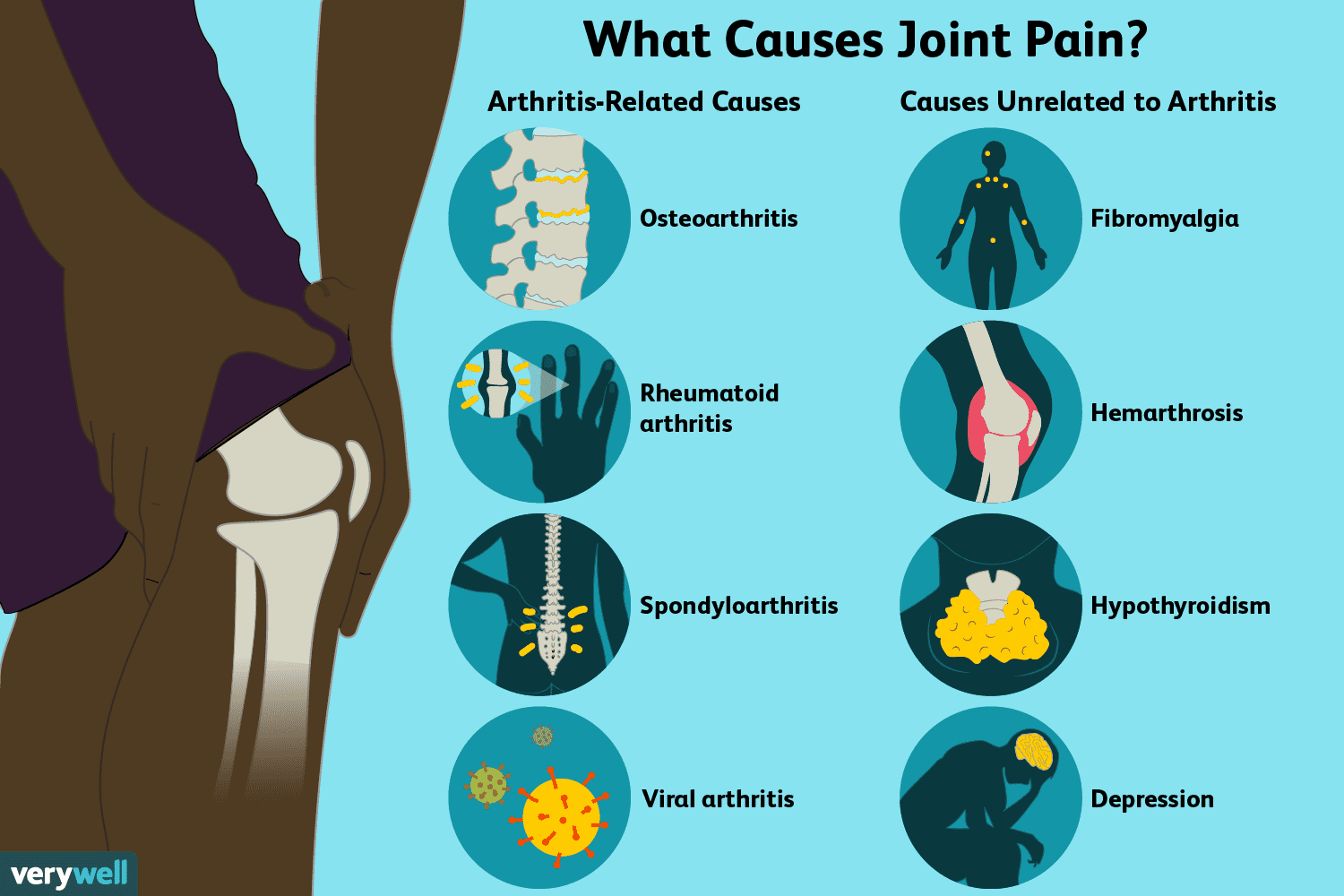
If you are experiencing persistent or severe muscle and joint pain, it is essential to seek guidance from a healthcare professional. They can evaluate your symptoms, diagnose any underlying conditions, and recommend appropriate treatment options. Whether it’s a physical therapist, orthopedic specialist, or primary care physician, consulting with a healthcare professional can help address your specific concerns and develop a comprehensive plan for pain management and prevention.
Work with a qualified trainer or coach
Working with a qualified trainer or coach is beneficial, especially if you are new to exercise or have specific fitness goals. A knowledgeable professional can design a personalized exercise program that targets your individual needs while ensuring proper form and technique. They can also provide guidance on proper warm-up and cool-down techniques, progression of intensity, and exercise modifications to prevent muscle and joint pain.
Consider physical therapy
Physical therapy can be a valuable option for individuals dealing with chronic or recurring muscle and joint pain. A physical therapist can assess your condition, identify the underlying causes, and develop a customized treatment plan. Through techniques like manual therapy, exercises, and modalities, physical therapy aims to strengthen, stabilize, and improve function in affected muscles and joints. Working with a physical therapist can enhance recovery, prevent future injuries, and improve overall mobility.
Obtain proper medical diagnosis if necessary
In some cases, muscle and joint pain may be indicative of an underlying medical condition or injury. If your pain persists, worsens, or is accompanied by other symptoms, it is crucial to obtain a proper medical diagnosis. A healthcare professional can conduct the necessary tests and examinations to determine the cause of your pain and recommend appropriate treatment interventions. Timely diagnosis and treatment can prevent further complications and promote a speedy recovery.
By following these best practices for preventing muscle and joint pain, you can prioritize your physical well-being and minimize the risk of discomfort or injuries. Incorporate these practices into your lifestyle and exercise routine to promote optimal muscle and joint health for a pain-free and active life. Remember to always listen to your body, seek professional guidance when needed, and prioritize self-care for long-term well-being.