
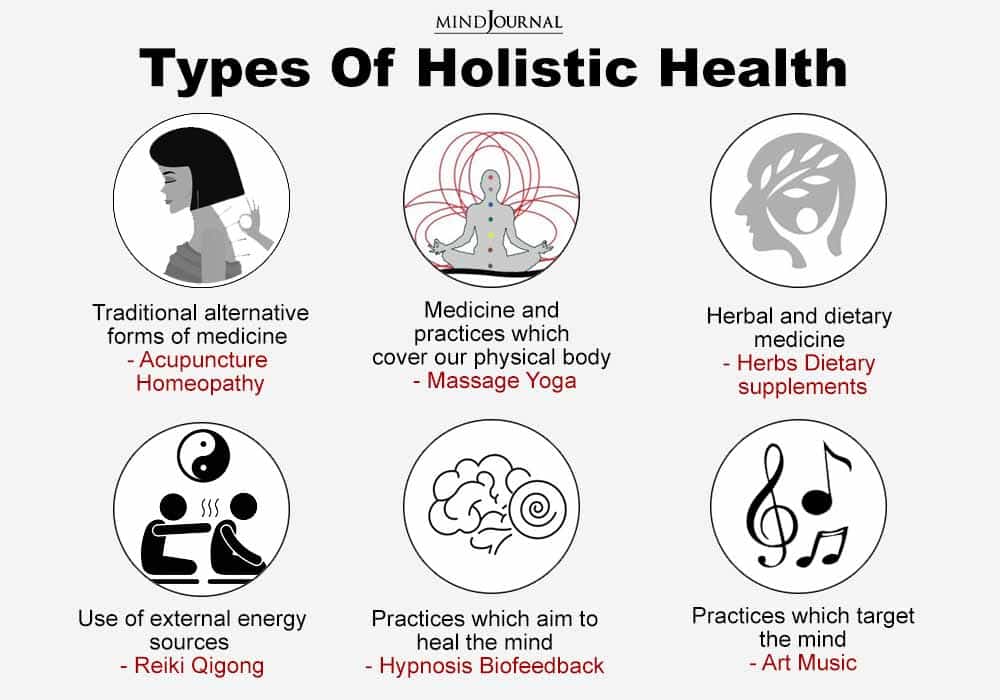
Are you looking for simple yet effective ways to improve your overall well-being? Look no further! This article will introduce you to a variety of holistic practices that can enhance your quality of life. From mindfulness meditation and yoga to healthy eating habits and nature therapy, we will explore different techniques that can promote physical, mental, and emotional well-being. Get ready to embark on a journey towards a more balanced and fulfilling life, where you can nurture your mind, body, and soul.
Mindfulness and Meditation
Benefits of mindfulness and meditation
Practicing mindfulness and meditation can have numerous benefits for your overall well-being. These practices have been shown to reduce stress, anxiety, and depression, as well as improve focus, concentration, and emotional resilience. By regularly engaging in mindfulness and meditation, you can cultivate a sense of inner peace and presence, allowing you to better navigate the ups and downs of life with clarity and equanimity.
Different types of mindfulness and meditation practices
There are various types of mindfulness and meditation practices, allowing you to find the approach that resonates best with you. Mindfulness meditation involves focusing your attention on the present moment, without judgment or attachment to thoughts or emotions. Loving-kindness meditation involves cultivating feelings of love, kindness, and compassion towards yourself and others. Guided meditation involves listening to a recorded meditation guide who leads you through a specific meditation practice. Moving meditations, such as tai chi or walking meditation, incorporate gentle movement alongside focused awareness.
How to start a mindfulness and meditation practice
Starting a mindfulness and meditation practice is simple and requires no special equipment or prior experience. Find a quiet and comfortable space where you can sit or lie down without distractions. Begin by taking a few deep breaths to relax your body and mind. Choose a meditation technique that resonates with you, such as focusing on your breath or repeating a mantra. Start with just a few minutes each day and gradually increase the length of your practice as you feel more comfortable. Consistency is key, so aim to integrate mindfulness and meditation into your daily routine. You can also explore local meditation groups or apps that offer guided meditations to support your practice.
Yoga and Stretching
Benefits of yoga and stretching
Yoga and stretching are powerful practices that promote physical, mental, and emotional well-being. Engaging in regular yoga and stretching routines can improve flexibility, balance, and posture, as well as enhance muscle strength and joint mobility. These practices help release tension and reduce muscle stiffness, relieving physical discomfort. Additionally, yoga and stretching promote relaxation and stress reduction, allowing you to experience a greater sense of calm and mental clarity.
Different types of yoga styles and stretches
There are various styles of yoga, each with its own focus and intensity level. Hatha yoga is a gentle, beginner-friendly style that emphasizes physical postures and breath control. Vinyasa yoga is a more dynamic and flowing style that synchronizes movement with breath. Ashtanga yoga is a vigorous and structured style that follows a specific sequence of postures. Restorative yoga involves passive stretching and the use of props to support relaxation and deep release. Additionally, there are specific stretching exercises that target different muscle groups, such as hamstring stretches, shoulder stretches, and back stretches.
How to incorporate yoga and stretching into daily life
Incorporating yoga and stretching into your daily life doesn’t have to be complicated or time-consuming. Start by setting aside a designated space in your home where you can practice without distractions. Invest in a comfortable yoga mat, blocks, and straps to support your practice. Begin with a short routine, focusing on gentle stretches and basic yoga poses that feel good in your body. As you become more comfortable, gradually increase the duration and intensity of your practice. Consider taking occasional yoga classes or following online videos to deepen your understanding and explore new poses. Remember to listen to your body and modify poses as needed, honoring your personal limits and boundaries.
Breathing Techniques
Benefits of breathing exercises
Breathing exercises are a simple yet powerful way to improve your overall well-being. When practiced regularly, they can help reduce stress, increase relaxation, and enhance mental focus and clarity. Proper breathing techniques promote deep diaphragmatic breathing, which helps activate the body’s relaxation response and calm the nervous system. By establishing a conscious connection with your breath, you can cultivate greater self-awareness and cultivate a sense of inner calm and balance.
Different types of breathing techniques
There are numerous breathing techniques that you can incorporate into your daily routine, depending on your specific needs and preferences. One popular technique is diaphragmatic breathing, also known as belly breathing, which involves inhaling deeply through the nose and exhaling slowly through the mouth, focusing on expanding and contracting the diaphragm. Another technique is alternate nostril breathing, where you alternate closing one nostril at a time while breathing deeply through the open nostril. This practice helps to balance the flow of energy in the body. Box breathing is a technique that involves inhaling, holding the breath, exhaling, and holding the breath again, all for equal counts of time. This technique can help calm the mind and reduce anxiety.
How to practice effective breathing techniques
To practice effective breathing techniques, find a quiet and comfortable space where you can sit or lie down. Start by bringing your attention to your breath, noticing the natural rhythm of your inhales and exhales. Begin with diaphragmatic breathing, taking slow, deep breaths through your nose, allowing your belly to expand on the inhale and gently contract on the exhale. As you become more comfortable, explore other techniques such as alternate nostril breathing or box breathing. Aim to practice breathing exercises for a few minutes each day, gradually increasing the duration if desired. You can incorporate breathing techniques into your mindfulness and meditation practice or do them as standalone exercises whenever you need a moment of calm or focus throughout the day.
Healthy Eating and Nutrition
Importance of healthy eating for overall well-being
Maintaining a healthy diet is crucial for enhancing your overall well-being. By nourishing your body with a balanced and nutritious diet, you can experience increased energy levels, improved mood, and better physical and mental health. Healthy eating provides the necessary nutrients, vitamins, and minerals your body needs to function optimally. It also supports a strong immune system and a healthy weight, reducing the risk of chronic diseases.
Nutritional guidelines and food groups
When it comes to healthy eating, it’s important to follow nutritional guidelines and incorporate a variety of food groups into your diet. Focus on consuming a wide range of fruits and vegetables, which are rich in vitamins, minerals, and antioxidants. Include whole grains, such as brown rice, quinoa, and whole wheat bread, which provide fiber and vital nutrients. Choose lean proteins, such as fish, poultry, beans, and tofu, for muscle growth and repair. Don’t forget to include healthy fats, such as avocados, nuts, and olive oil, which support brain health and provide energy. Limit processed foods, sugary snacks, and excessive salt and saturated fats, as they can negatively impact your health.
Tips for incorporating healthy eating habits
Incorporating healthy eating habits into your daily life can be both simple and enjoyable. Start by planning your meals and snacks ahead of time, ensuring that you have nutritious options readily available. Experiment with new recipes and flavors to keep things interesting and prevent boredom. Opt for home-cooked meals whenever possible, as they allow you to have more control over the ingredients and portion sizes. Develop mindful eating habits by paying attention to your hunger and fullness cues, eating slowly, and savoring each bite. Remember to stay hydrated by drinking plenty of water throughout the day. And finally, strive for balance, allowing yourself to enjoy occasional treats without guilt or restriction.
Physical Activity and Exercise
Benefits of regular physical activity and exercise
Engaging in regular physical activity and exercise is essential for maintaining optimal health and well-being. Physical activity helps strengthen your muscles and bones, improve cardiovascular health, and boost your immune system. Regular exercise can also promote better sleep, reduce stress, and increase overall energy levels. Additionally, physical activity releases endorphins, the body’s natural feel-good hormones, which can enhance your mood and improve mental well-being.
Different types of exercise and activities
There are various types of exercise and activities that you can incorporate into your routine, allowing you to find what suits your preferences and goals. Aerobic exercises, such as running, swimming, or dancing, increase your heart rate and respiratory function, improving cardiovascular fitness. Strength training exercises, such as weightlifting or using resistance bands, help build muscle strength and endurance. Flexibility exercises, such as yoga or stretching, increase joint range of motion and prevent injuries. Balance exercises, such as tai chi or yoga poses, enhance stability and reduce the risk of falls. It’s important to engage in a combination of exercises to reap the benefits of overall fitness.
Creating an exercise routine
Creating an exercise routine that works for you requires motivation, consistency, and planning. Start by setting realistic and achievable goals, such as exercising for a certain number of days per week or increasing the duration of your workouts gradually. Choose activities that you enjoy and that align with your interests and physical abilities. Find a workout buddy or join a fitness class to increase accountability and make exercise more enjoyable. Schedule your workouts into your daily or weekly calendar to ensure they become a priority. Be adaptable and open to trying new activities, as variety can keep you engaged and motivated. And most importantly, listen to your body and rest when needed to prevent injuries and promote overall well-being.
Natural Remedies and Herbal Medicine
Benefits of natural remedies and herbal medicine
Natural remedies and herbal medicine have been used for centuries to support overall health and well-being. These alternative approaches can provide relief from various ailments and help restore balance to the body. Natural remedies often have fewer side effects compared to conventional medications, making them a preferred choice for some individuals. By utilizing the healing properties of plants and natural substances, you can address a range of health conditions and promote the body’s innate ability to heal itself.
Common natural remedies and herbs for various ailments
Nature provides a wealth of remedies for common ailments, and many herbs and natural substances have been studied and proven effective in addressing specific health concerns. For example, ginger can help alleviate nausea and aid digestion, while chamomile tea can promote relaxation and stress relief. Peppermint oil can soothe headaches and promote digestion, and lavender oil can induce feelings of calm and improve sleep. Echinacea is commonly used to boost the immune system, and turmeric has anti-inflammatory properties. However, it’s important to consult with a qualified herbalist or healthcare professional before incorporating natural remedies into your health routine, as they can provide guidance and ensure safety.
How to use natural remedies safely
While natural remedies can offer many benefits, it’s crucial to use them safely and responsibly. It’s important to understand the proper dosage, usage, and potential interactions with other medications or health conditions. Consult with a certified herbalist or healthcare professional who specializes in natural medicine to ensure the appropriate use of natural remedies. Additionally, always purchase high-quality products from reputable sources to ensure their purity and effectiveness. Keep in mind that natural remedies may take time to show results, so be patient and consistent with their use. If you experience any adverse reactions or worsening symptoms, discontinue use and seek medical attention.
Aromatherapy and Essential Oils
Benefits of aromatherapy and essential oils
Aromatherapy is the practice of using essential oils extracted from plants to promote physical, mental, and emotional well-being. Essential oils are highly concentrated plant extracts that possess unique therapeutic properties. Aromatherapy can enhance mood, support relaxation and stress relief, alleviate physical discomfort, and improve overall health. The inhalation or topical application of essential oils can stimulate the limbic system, the part of the brain that controls emotions and memory, leading to enhanced well-being and a sense of balance.
Popular essential oils and their uses
There is a wide range of essential oils available, each with its own unique aroma and therapeutic benefits. Lavender essential oil is well-known for its calming and sleep-promoting properties. Peppermint essential oil can help alleviate headaches and aid digestion. Eucalyptus essential oil is often used to support respiratory health and relieve congestion. Tea tree essential oil possesses antibacterial and antifungal properties, making it a popular choice for skin conditions. Citrus oils, such as sweet orange or lemon, can uplift mood and invigorate the senses. It’s important to dilute essential oils correctly before applying them topically and to be mindful of any potential sensitivities or allergies.
Ways to incorporate aromatherapy into daily life
Incorporating aromatherapy into your daily life is simple and can have a profound impact on your well-being. Start by selecting a few essential oils that resonate with you and that address your specific needs or concerns. Use a diffuser to disperse the aroma throughout your home or workspace, creating a calming or uplifting atmosphere. You can also add a few drops of essential oil to a warm bath for a soothing and aromatic experience. Create a personal inhaler or roll-on blend to carry with you and use as needed throughout the day. Alternatively, incorporate essential oils into massage oils, lotions, or homemade skincare products for added benefits. Experiment with different essential oils and blends to find what works best for you.
Holistic Healing Modalities
Overview of different holistic healing modalities
Holistic healing modalities encompass a range of practices that address the physical, mental, emotional, and spiritual aspects of a person’s well-being. These practices recognize the interconnectedness of all aspects of the self and aim to restore balance and facilitate healing. Some popular holistic modalities include acupuncture, a traditional Chinese medicine practice that involves the insertion of thin needles into specific points of the body to promote energy flow. Reiki is an energy healing practice that involves the gentle placement of hands on or near the body to facilitate healing and relaxation. Chiropractic care focuses on the alignment of the spine and musculoskeletal system to improve overall health and well-being. These are just a few examples of the many holistic healing modalities available.
Benefits of holistic healing practices
Holistic healing practices offer a holistic approach to health and well-being, addressing the root causes of imbalances rather than just alleviating symptoms. These practices empower individuals to take an active role in their own healing journey and promote self-care and self-awareness. Holistic healing can enhance physical health, reduce pain, improve sleep, and boost immune function. These practices can also support mental and emotional well-being by reducing stress, anxiety, and depression, and promoting a sense of inner peace and clarity. By integrating various holistic approaches, individuals can experience a more interconnected and balanced state of being.
Finding certified practitioners and centers
When seeking holistic healing modalities, it’s important to find certified practitioners and reputable centers that adhere to professional and ethical standards. Ask for recommendations from trusted friends, family, or healthcare professionals who have experience with holistic practices. Research the certifications, qualifications, and training of practitioners to ensure they have the necessary expertise and experience. Consider reading reviews and testimonials from previous clients to get a sense of others’ experiences. Many professional organizations, such as national acupuncture or chiropractic associations, provide directories of certified practitioners on their websites. Take the time to find practitioners who resonate with you and with whom you feel comfortable sharing your health goals and concerns.
Journaling and Self-Reflection
Benefits of journaling and self-reflection
Journaling and self-reflection are powerful tools for personal growth, self-discovery, and self-care. These practices allow you to gain a deeper understanding of your thoughts, emotions, and experiences, fostering personal insight and awareness. By putting your thoughts onto paper, you can clarify your goals and aspirations, process difficult emotions, and gain perspective on challenging situations. Journaling and self-reflection can also improve memory, increase creativity, and reduce stress. Engaging in these practices regularly can help you navigate life with greater clarity, intention, and authenticity.
Techniques for effective journaling and self-reflection
There are many techniques you can use to make your journaling and self-reflection practices more effective and meaningful. Free writing is a technique where you simply write whatever comes to mind, without judgment or editing, allowing your thoughts to flow freely. Reflective journaling involves writing about a particular experience or event and exploring your thoughts and feelings around it. Gratitude journaling involves writing down things you are grateful for each day, cultivating a positive mindset and appreciation for the present moment. Prompts or questions can also guide your journaling, such as “What am I feeling right now?” or “What are my goals for the future?” Experiment with different techniques and find what resonates with you and supports your personal growth.
Using journaling for personal growth and self-discovery
Journaling can be a powerful tool for personal growth and self-discovery when used consistently and intentionally. Set aside dedicated time each day or week to engage in journaling and self-reflection. Create a sacred space where you feel comfortable and inspired. Begin by setting an intention for your journaling practice, such as gaining clarity, exploring a specific issue, or expressing gratitude. Write honestly and authentically, without judgment or censorship. Allow yourself to explore your deepest thoughts and emotions, knowing that your journal is a safe space for self-expression. Reflect on your entries periodically to observe patterns, track progress, and gain insight into your personal journey. Celebrate your growth and acknowledge the wisdom you uncover through your journaling practice.
Social Connections and Support Systems
Importance of social connections for overall well-being
Social connections and support systems play a crucial role in enhancing overall well-being and quality of life. Human beings are inherently social creatures, and meaningful relationships can bring us joy, support, and a sense of belonging. Strong social connections have been linked to better mental health, increased resilience, and a lower risk of chronic conditions. Having a support system can provide emotional and practical support during challenging times, reducing stress and promoting overall well-being. Cultivating healthy relationships with others is an essential aspect of living a fulfilling and connected life.
Building and maintaining healthy relationships
Building and maintaining healthy relationships requires effort, communication, and trust. Start by being open to new connections and opportunities to meet like-minded individuals. Seek out activities or groups that align with your interests and values, as this can create a foundation for meaningful connections. Be authentic and genuine in your interactions, and actively listen to others to establish mutual understanding and trust. Communicate openly and honestly, expressing your needs and boundaries while also being receptive to the needs of others. Reach out to friends or family for support and maintain regular contact to nurture the relationship. Remember that healthy relationships require ongoing effort and commitment and that investing in your connections can lead to long-lasting and rewarding bonds.
Seeking support from friends, family, or support groups
Sometimes, seeking support from friends, family, or support groups can be essential for maintaining well-being during difficult times. Reach out to trusted individuals in your life and share your thoughts and feelings with them. They can offer a listening ear, emotional support, and guidance when needed. Engaging in regular social activities, such as outings or gatherings, can strengthen the bonds with your loved ones and provide a sense of connection. If you’re facing a specific challenge or going through a life transition, consider seeking support from specialized support groups or counseling services. Surrounding yourself with individuals who understand your experiences can provide validation, encouragement, and a sense of belonging. Remember, it’s okay to ask for help and lean on others when needed.