Men’s health is an essential aspect of healthcare that often goes overlooked. In order to address this issue and ensure that men receive the care they need, it is crucial to establish best practices for prioritizing men’s health. By implementing strategies that specifically target men’s unique health concerns and encouraging proactive engagement, healthcare providers can create a more inclusive and effective system. This article explores the importance of prioritizing men’s health and offers valuable insights into the best practices that can be adopted to improve overall healthcare outcomes for men.
Routine Preventive Healthcare for Men
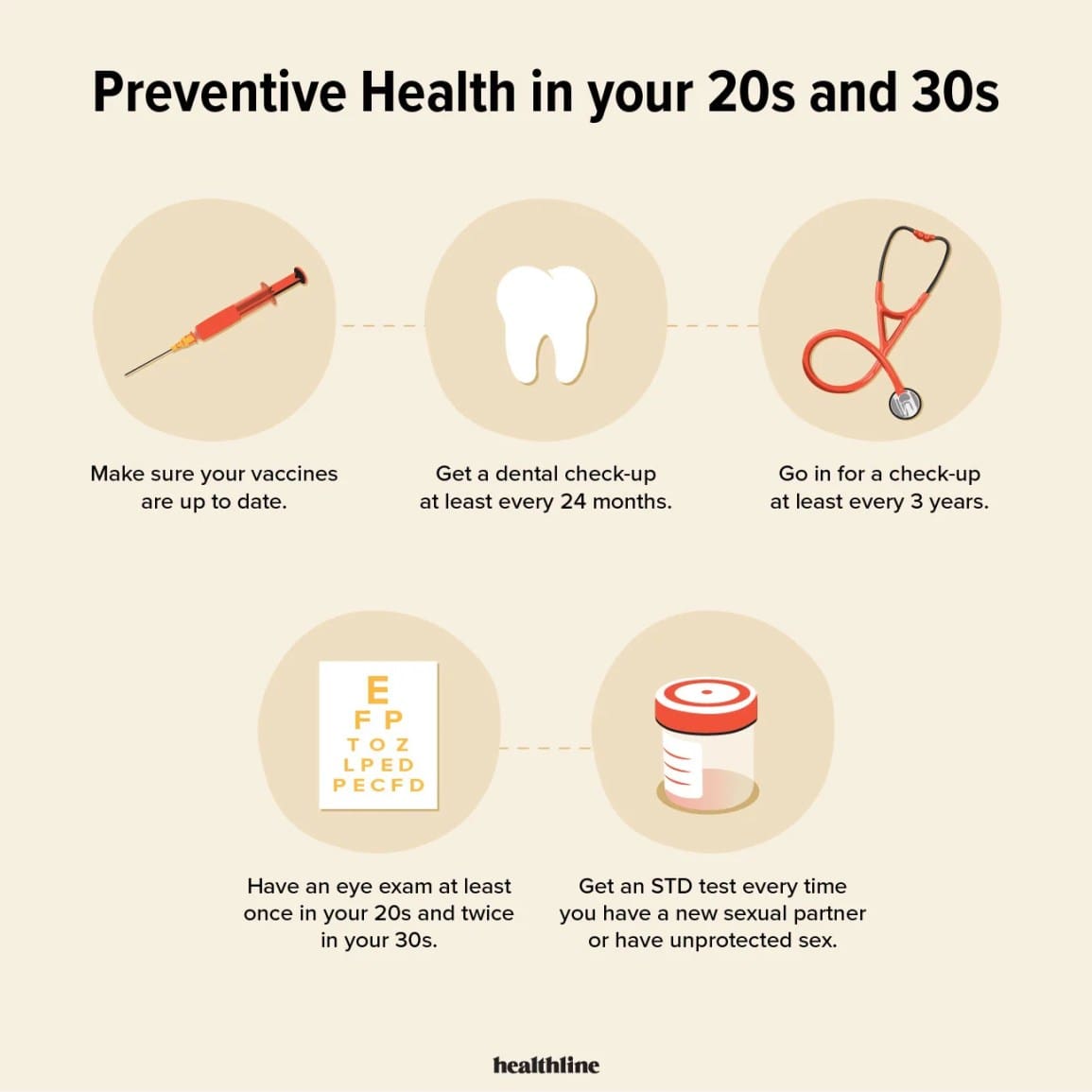
Annual physical exams
Regular annual physical exams are crucial for maintaining and promoting overall wellness in men. These exams allow healthcare providers to assess your current health status, screen for potential issues, and detect any underlying health conditions before they become more serious. During your annual physical, your doctor will likely check your blood pressure, cholesterol levels, heart rate, and perform a comprehensive physical examination. They may also order additional tests, such as blood work or imaging, to ensure a thorough evaluation of your overall health.
Screening for chronic conditions
Screening for chronic conditions is an essential component of preventive healthcare for men. Regular screenings, such as blood tests for diabetes and cholesterol checks, can help identify early signs of these conditions. For example, prostate cancer screenings, which typically involve a prostate-specific antigen (PSA) blood test and a digital rectal exam, can aid in the detection of prostate cancer at its early stages. Additionally, colonoscopies are recommended for men over the age of 50 to screen for colon cancer. These screenings can help catch potential issues before they progress and ensure appropriate treatment is administered promptly.
Immunizations
Vaccinations are a vital part of preventive healthcare for men of all ages. Vaccines protect against various infectious diseases and can help prevent illness, hospitalization, and even death. Common vaccines recommended for men include the influenza (flu) vaccine, tetanus-diphtheria-pertussis (Tdap) vaccine, and pneumococcal vaccine. Depending on your age and specific health conditions, your doctor may also recommend additional vaccines such as the human papillomavirus (HPV) vaccine, hepatitis A and B vaccines, or the shingles vaccine. Staying up to date with vaccinations is an important step in safeguarding your health and the health of those around you.
Mental Health Support for Men
Promoting open communication
Encouraging open communication about mental health is essential for supporting men’s emotional well-being. Men may hesitate to express their feelings or seek help due to societal expectations around masculinity and emotional vulnerability. However, fostering an environment where men feel comfortable discussing their emotions and struggles can create a support system that helps alleviate mental health challenges. Promoting open communication can be as simple as starting a conversation, actively listening without judgment, and normalizing discussions around emotions and mental health.
Encouraging seeking help
Many men may hesitate to seek help for mental health concerns due to various factors, such as stigma, fear, or a lack of awareness about available resources. It is vital to encourage men to seek professional help when needed. This can involve educating men about the benefits of therapy, counseling services, and other mental health support options. Additionally, providing information on helplines, online resources, and support groups can help men access the help they need and overcome potential barriers to seeking assistance.
Reducing stigma
Reducing the stigma surrounding mental health is crucial for men’s overall well-being. Society often portrays mental health issues as a sign of weakness or something to be ashamed of, which can discourage men from seeking support. By promoting open discussions about mental health, challenging stereotypes, and sharing personal stories of recovery and resilience, society can help break down the barriers that prevent men from seeking help. Normalizing conversations around mental health and applauding acts of courage and vulnerability can contribute to reducing the stigma and providing a more supportive environment for men.
Proactive Approach to Men’s Sexual Health
Education on safe practices and STIs
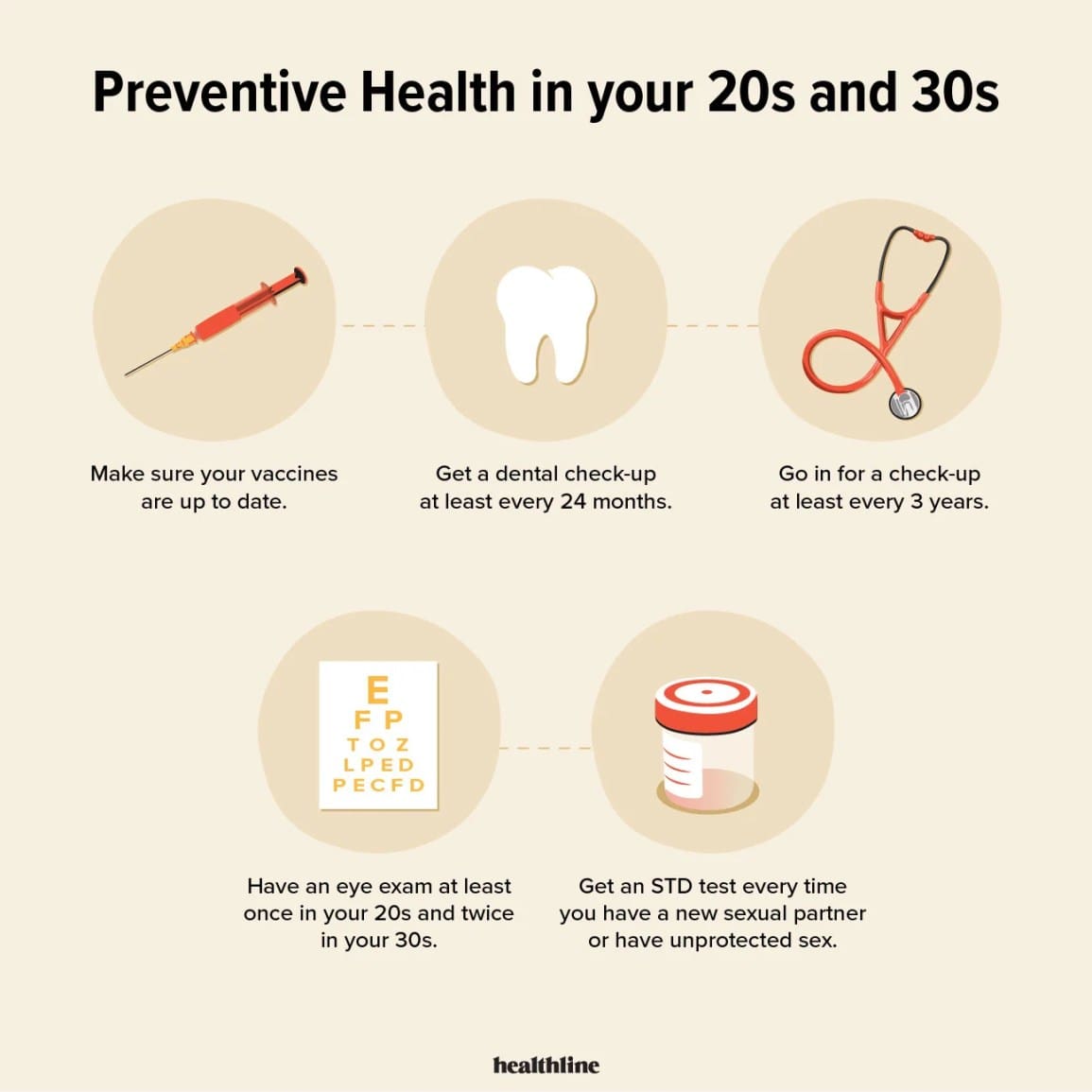
Education plays a vital role in maintaining men’s sexual health. Comprehensive sex education should include information on safe practices, including the proper use of condoms and how to prevent sexually transmitted infections (STIs). Educating men about the symptoms and risks associated with various STIs, such as HIV, chlamydia, gonorrhea, and syphilis, empowers them to make informed choices and seek appropriate medical care when necessary. Additionally, promoting regular STI testing can help detect infections early and prevent further transmission.
Access to contraception resources
Men should have access to a range of contraceptive resources to support responsible family planning and prevent unintended pregnancies. Providing information about male contraceptive methods, such as condoms, vasectomy, or hormonal options, allows men to make informed decisions about their reproductive health. Accessible and affordable contraception options ensure that men can actively participate in family planning and take control of their sexual health.
Healthy sexuality discussions
Promoting healthy sexuality discussions is essential for men’s overall well-being. Encouraging open dialogues that address topics like consent, healthy relationships, sexual orientation, and gender identity helps men develop a thorough understanding of their sexual health and fosters respect and empathy towards others. Providing comprehensive and evidence-based information on sexual health norms, sexual pleasure, and communication skills can contribute to positive sexual experiences and enhance overall well-being.
Addressing Men’s Specific Health Concerns
Prostate health screenings
Regular prostate screenings are crucial in addressing men’s specific health concerns, particularly as they age. Prostate cancer is one of the most common cancers affecting men, and early detection is key to successful treatment. Healthcare providers typically recommend prostate-specific antigen (PSA) blood tests and digital rectal exams to screen for prostate cancer. These screenings, along with ongoing discussions with your healthcare provider, ensure proactive monitoring and appropriate interventions if any issues arise.
Testicular self-exams
Testicular self-exams are a simple yet effective way for men to monitor their testicular health and detect potential abnormalities. By performing regular self-exams, men can become familiar with the size, shape, and texture of their testicles, making it easier to identify any changes or lumps that may require medical attention. Encouraging education on how to perform testicular self-exams and promoting regular self-checks empowers men to take an active role in monitoring and maintaining their testicular health.
Coverage for male-specific conditions
Addressing men’s specific healthcare needs also involves ensuring adequate coverage for male-specific conditions. Health insurance plans should cover screenings, treatments, and preventive measures related to conditions like prostate cancer, erectile dysfunction, and male infertility. By removing financial barriers to accessing necessary care, men can receive appropriate treatment and support for male-specific health conditions.

Promoting Healthy Lifestyles for Men
Nutrition and diet guidance
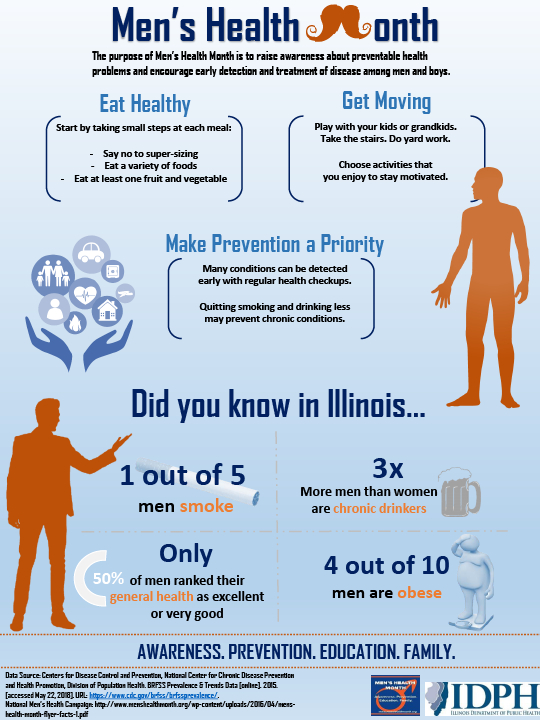
Promoting healthy nutrition and providing diet guidance is vital for men’s overall well-being. Encouraging a balanced diet that includes fruits, vegetables, whole grains, lean proteins, and healthy fats can help prevent chronic conditions like heart disease, stroke, and obesity. Healthcare providers can offer personalized nutrition recommendations based on individual needs, ensuring that men receive the necessary nutrients to support optimal health.
Exercise and physical activity promotion
Regular exercise and physical activity are key components of a healthy lifestyle for men. Engaging in regular exercise can help reduce the risk of heart disease, diabetes, cancer, and other chronic conditions. Encouraging men to find physical activities they enjoy, such as weightlifting, biking, jogging, or team sports, can make exercise more enjoyable and sustainable. Healthcare providers can provide exercise recommendations based on individual health conditions and goals to ensure safe and effective physical activity.
Substance use prevention
Promoting substance use prevention is essential for men’s long-term health. Educating men about the risks associated with substance abuse, including alcohol, tobacco, and illicit drugs, can help prevent addiction and its associated health consequences. Creating support networks and providing resources for men struggling with substance abuse can foster a sense of community and offer a path towards recovery. Additionally, offering counseling services or referrals to addiction specialists can provide the necessary support for men seeking help.
Recognizing and Addressing Mental Health Risk Factors in Men
Depression and suicide prevention
Depression and suicide are significant concerns for men’s mental health. It is crucial to recognize and address the risk factors associated with these conditions. Men may experience symptoms of depression differently than women, often displaying anger, irritability, or aggression instead of traditional signs like sadness or withdrawal. Promoting awareness of these unique manifestations and ensuring access to mental health resources is paramount. Additionally, implementing suicide prevention programs, educating individuals on the warning signs, and providing helplines or crisis services can save lives.
Substance abuse and addiction
Substance abuse is a prevalent mental health concern among men. Factors such as societal expectations, stress, and trauma can contribute to the development of substance abuse disorders. Recognizing the signs of substance abuse and addiction, and providing early intervention and support, is crucial to preventing long-term consequences. Offering accessible addiction counseling services, treatment programs, and support groups tailored to the needs of men can help address this issue effectively.
Domestic violence awareness
Domestic violence affects men as both potential victims and perpetrators. Recognizing the importance of addressing this issue in men’s mental health is essential for fostering safer communities. Raising awareness about domestic violence, providing resources for victims and abusers, and offering counseling services or support groups for individuals impacted by domestic violence can help break the cycle and protect the mental health and well-being of men.
Facilitating Support Groups and Men’s Health Education Programs
Creating safe spaces for sharing
Creating safe spaces for men to share their experiences, concerns, and emotions is crucial for their overall well-being. Support groups provide an environment where men can connect with others facing similar health challenges or mental health issues. These groups offer opportunities for sharing coping strategies, seeking advice, and offering mutual support. By facilitating these safe spaces, healthcare providers and community organizations can create a strong support network for men and promote positive mental health outcomes.
Providing information on men’s health topics
Increasing awareness and knowledge about men’s health topics is essential for fostering proactive and informed decision-making. Healthcare providers, educational institutions, and community organizations can provide accurate and evidence-based information on various men’s health topics. Offering workshops, seminars, and educational materials that cover issues such as prostate health, sexual health, and mental well-being can empower men to take charge of their health and make informed choices.
Building social networks for support
Building social networks for support is crucial in promoting positive mental health among men. Encouraging social connections, whether through community events, interest-based groups, or online platforms, can help combat social isolation and loneliness. These networks provide opportunities for men to engage in meaningful conversations, share experiences, and find peer support. By fostering these social connections, individuals can enhance their overall well-being and strengthen their mental health resilience.
Improving Access to Healthcare Services for Men
Addressing barriers such as cost and transportation
Access to healthcare services should be a priority for men. Identifying and addressing barriers, such as cost and transportation, helps ensure that men can receive the necessary care they need. Implementing affordable healthcare options, expanding insurance coverage, and offering transportation assistance can make healthcare services more accessible and equitable.
Expanding telehealth options
Telehealth is a valuable tool for improving access to healthcare services for men, particularly those in remote or underserved areas. By increasing the availability of telehealth options, men can access medical consultations, therapy sessions, and follow-up care without the need for in-person visits. Telehealth can also provide flexibility, convenience, and privacy, making healthcare more accessible and appealing to men who may otherwise hesitate to seek assistance.
Increasing availability of men’s health clinics
Dedicated men’s health clinics can play a significant role in improving access to healthcare services tailored to men’s specific needs. These clinics can provide a comprehensive range of services, including preventive care, screenings, sexual health consultations, and mental health support. By increasing the availability of men’s health clinics, men can benefit from specialized care in a comfortable and supportive environment.
Promoting Male Engagement in Healthcare
Targeted outreach and marketing
Promoting male engagement in healthcare requires targeted outreach and marketing strategies. By tailoring information, campaigns, and resources specifically to men, healthcare providers can effectively communicate the importance of prioritizing health and seeking appropriate care. Utilizing various channels, such as social media, healthcare websites, and community events, can help reach men and encourage their active participation in their healthcare journey.
Promoting healthcare as a priority
Promoting healthcare as a priority is crucial for encouraging men to take an active role in seeking preventive care and managing their health. Education campaigns that emphasize the long-term benefits of preventive healthcare, regular check-ups, and self-care can inspire men to prioritize their well-being. Highlighting success stories and testimonials from men who have actively engaged in their healthcare can also serve as powerful motivators.
Tailoring services to men’s needs
Healthcare services should be tailored to meet the distinct needs of men. This involves understanding and addressing the unique challenges and barriers that men face when seeking care. Ensuring providers are knowledgeable about men’s health concerns, implementing gender-sensitive care practices, and offering flexible appointment scheduling can contribute to a more positive and inclusive healthcare experience for men.
Involving Men in Healthcare Policy and Decision-Making
Representation in healthcare leadership
Including men in healthcare leadership roles and decision-making processes is crucial for advocating for men’s health needs. Men’s perspectives, experiences, and voices should be included in policy development, resource allocation, and healthcare planning. A diverse and inclusive leadership structure ensures that men’s health concerns are adequately represented and addressed.
Including men’s health perspectives in policy discussions
Men’s health perspectives should be actively included in policy discussions at all levels, from local to national. Engaging men in conversations about healthcare policies, funding priorities, and research agendas helps ensure that their unique needs are considered and incorporated into decision-making processes. Collaboration between healthcare providers, policymakers, and men’s health advocacy organizations can help drive positive change and promote equitable healthcare outcomes for men.
Advocacy for men’s health funding
Efforts to prioritize men’s health should include advocating for adequate funding for research, programs, and resources. Investing in men’s health initiatives, preventive care, and mental health support is essential for achieving optimal health outcomes for men. By advocating for increased men’s health funding, healthcare stakeholders can contribute to improving the overall well-being and quality of life for men.
In conclusion, prioritizing men’s health in healthcare requires a comprehensive approach that encompasses routine preventive care, mental health support, sexual health education, targeted interventions for specific health concerns, promotion of healthy lifestyles, recognition and addressing of mental health risk factors, support groups and education programs, improved access to healthcare services, engagement of men in healthcare, and involvement of men in policy development and decision-making. By implementing these best practices, society can strive towards ensuring that men receive the care and support they need to lead healthy, fulfilling lives.