
Looking to increase the fiber intake in your diet but not sure where to start? Look no further! In this article, you will discover the best ways to incorporate more fiber-rich foods into your daily meals. From incorporating more fruits and vegetables to choosing the right whole grains, these simple tips will help you boost your fiber intake and reap the numerous health benefits that come with it. So, get ready to kickstart a healthier lifestyle with these easy and delicious ways to increase your fiber intake in your diet.
Choose Whole Grain Foods
When it comes to increasing your fiber intake, one of the best ways is to choose whole grain foods. Whole grains are packed with fiber, as they contain the bran, germ, and endosperm of the grain, providing you with a variety of nutrients and health benefits. Make the switch to whole grain bread instead of white bread. Whole grain bread is made from whole wheat flour, which retains the fiber-rich bran and germ. You can find whole grain bread in most grocery stores, and it tastes just as delicious as white bread.
Another simple way to incorporate more fiber into your diet is by swapping out white rice for brown rice. While white rice has had the bran and germ removed, leaving only the starchy endosperm, brown rice is a whole grain that still contains all three parts of the grain. This means that it’s higher in fiber and provides more nutrients. It has a slightly nutty flavor and a chewy texture, making it a tasty and healthier alternative to white rice.
In addition to whole grain bread and brown rice, you can also include whole grain cereals in your diet. Look for cereals that list whole grains as the first ingredient and have at least 3 grams of fiber per serving. You can enjoy them with milk or yogurt for a nutritious and fiber-packed breakfast. Many cereals also contain added vitamins and minerals, making them a convenient and beneficial choice for your overall health.
Eat More Fruits and Vegetables
To further increase your fiber intake, it’s important to incorporate more fruits and vegetables into your diet. Fruits and vegetables are not only rich in fiber but also packed with essential vitamins, minerals, and antioxidants. Consuming a variety of high-fiber fruits can help you maintain a healthy digestive system and keep you feeling fuller for longer.
Opt for fruits like apples, pears, and berries, which are high in soluble fiber. Soluble fiber absorbs water in the digestive tract, creating a gel-like substance that slows down digestion and helps regulate blood sugar levels. Berries, in particular, are a great source of antioxidants and can be added to smoothies, oatmeal, or enjoyed as a snack.
Leafy greens are another excellent way to increase your fiber intake. Spinach, kale, and collard greens are packed with both soluble and insoluble fiber, making them a fantastic addition to salads, stir-fries, or smoothies. These leafy greens are also rich in vitamins, minerals, and antioxidants, making them a powerhouse of nutrition.
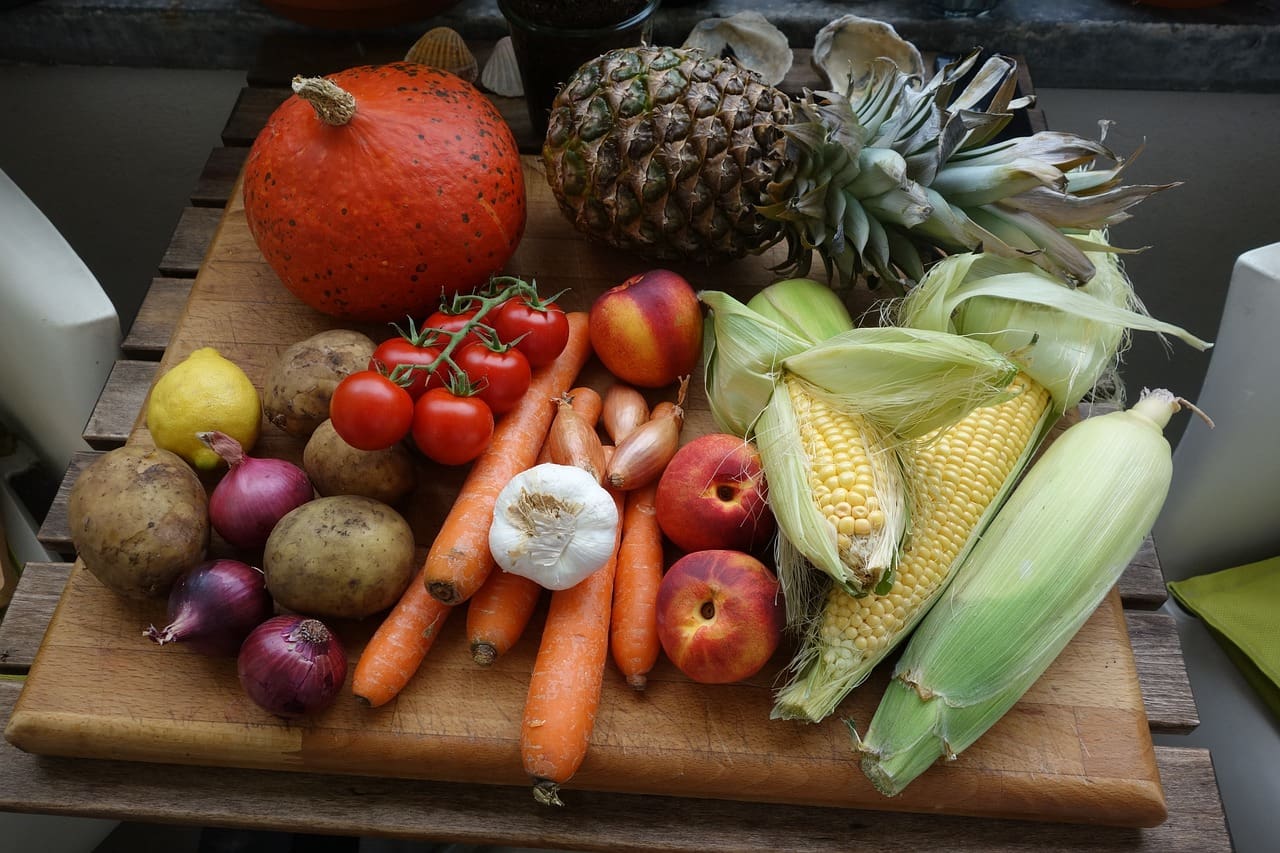
In addition to high-fiber fruits and leafy greens, incorporating a variety of vegetables into your meals can significantly boost your fiber intake. Vegetables such as broccoli, brussels sprouts, and cauliflower are not only rich in fiber but also provide other important nutrients. By steaming or roasting these vegetables, you can retain their fiber content while enjoying a delicious and nutritious meal.
Include Legumes and Beans
Legumes and beans are an excellent source of both fiber and plant-based protein. Adding them to your diet is a great way to increase your fiber intake while also getting essential nutrients. Legumes like lentils and chickpeas are versatile and can be used in various dishes.
Lentils, in particular, are a nutritional powerhouse. They are filled with both soluble and insoluble fiber and provide a good amount of protein, iron, and folate. Lentils can be used in soups, stews, salads, or even made into lentil burgers for a delicious and fiber-rich meal.
Chickpeas, commonly used in hummus, are also packed with fiber and protein. Hummus makes for a great snack option when paired with carrot sticks or whole grain crackers. Black beans and kidney beans are other varieties that are high in fiber and can be used in salads, soups, and Mexican-inspired dishes like burritos or tacos. These beans are not only tasty but are also a great source of both soluble and insoluble fiber.
Including legumes and beans in your diet can help you increase your fiber intake without sacrificing taste. They are a versatile ingredient that can be easily incorporated into various recipes, providing you with a flavorful and fiber-rich meal.
Add Nuts and Seeds to Your Meals
Nuts and seeds are not only delicious but are also packed with fiber and essential nutrients. They can be a simple and convenient way to increase your daily fiber intake. Almonds and walnuts are excellent sources of fiber and healthy fats.
Almonds, in particular, are rich in both soluble and insoluble fiber, making them a great choice for improving digestion and maintaining a healthy weight. You can enjoy almonds as a snack, incorporate them into your baking recipes, or sprinkle them over salads and yogurt for added fiber and crunch.
Walnuts, on the other hand, contain both soluble and insoluble fiber as well as omega-3 fatty acids. These healthy fats can help reduce inflammation in the body and support heart health. Enjoy walnuts as a snack, or add them to your oatmeal, smoothies, or baked goods for an extra dose of fiber and nutrients.
If you’re looking to add fiber to your diet, chia seeds and flaxseeds are excellent options. These tiny seeds are packed with fiber, omega-3 fatty acids, and antioxidants. Chia seeds can be soaked in water or added to smoothies, yogurt, or oatmeal, while flaxseeds can be ground up and used in baking or sprinkled on top of salads.
Sesame seeds are another option to consider when adding fiber to your meals. They can be sprinkled on dishes like stir-fries, salads, or roasted vegetables, providing not only fiber but also a delicious nutty flavor.
Including a variety of nuts and seeds in your diet is a simple and tasty way to increase your fiber intake and add extra nutrients to your meals.

Choose High Fiber Snacks
When it comes to boosting your fiber intake, choosing high fiber snacks is a great strategy. Snacking can be an opportunity to include more fiber-rich foods into your diet while still enjoying delicious and satisfying treats. Here are a few ideas for high-fiber snacks:
Popcorn is a great whole grain snack option that contains a good amount of fiber. Air-popped popcorn or popcorn made with minimal oil and salt can be a healthier alternative to traditional snack options. You can enjoy popcorn plain or add spices like cinnamon, paprika, or nutritional yeast for extra flavor.
Carrot sticks with hummus make for a nutritious and high-fiber snack. Carrots are not only crunchy and delicious but also packed with fiber and essential vitamins. Pairing them with hummus, made from fiber-rich chickpeas, adds even more fiber and protein to the snack.
Having a handful of mixed nuts is another excellent way to increase your fiber intake. Nuts like almonds, walnuts, and pistachios are rich in fiber, healthy fats, and protein. They make for a satisfying snack that can help keep you full between meals.
These high-fiber snacks provide a convenient and tasty way to increase your fiber intake throughout the day. Incorporating them into your daily routine can help you meet your fiber goals while enjoying a variety of flavors and textures.
Include Fiber-rich Drinks
While it’s essential to focus on solid foods when increasing your fiber intake, incorporating fiber-rich drinks can also be beneficial. These drinks can provide additional hydration and fiber, making them an excellent complement to a high-fiber diet. Here are a few fiber-rich drink options you can consider:
Green smoothies packed with spinach and kale are a fantastic way to increase your fiber intake. Both spinach and kale are rich sources of fiber and other essential nutrients. By blending them with fruits like banana, apple, or pineapple, you can create a delicious and nutritious smoothie that will keep you feeling energized.
Drinking prune juice is another option to consider when incorporating fiber into your diet. Prune juice is made from dried plums, which are high in soluble and insoluble fiber. It can be enjoyed on its own or mixed with other juices for added flavor.
Herbal teas can also be a great source of fiber, especially those made from plants like dandelion root or burdock root. These teas have been used for centuries to support digestion and provide a gentle boost of fiber. Enjoy a cup of herbal tea in the morning or as a calming bedtime ritual.
By including fiber-rich drinks in your daily routine, you can increase your overall fiber intake and enjoy a variety of flavors and textures throughout the day.

Use Fiber Supplements
If you find it challenging to meet your fiber needs through diet alone, fiber supplements can be a helpful addition. However, it’s essential to consult a healthcare professional before starting any new supplements to ensure they are appropriate for your specific needs. Here are a few fiber supplements you may consider:
Psyllium husk is a popular fiber supplement that is derived from the seeds of the Plantago ovata plant. It contains both soluble and insoluble fiber and is known for its ability to support digestive health. Psyllium husk can be mixed with water or added to smoothies, yogurt, or baked goods.
Wheat bran is another option to consider when looking for a fiber supplement. It is made from the outer layers of the wheat kernel and is high in insoluble fiber. Wheat bran can be sprinkled over cereals, oatmeal, or added to baked goods for an extra boost of fiber.
When taking fiber supplements, it’s crucial to follow the dosage instructions provided and gradually increase your intake to allow your body to adjust. Fiber supplements should be used as a complement to a balanced diet, and it’s important to continue consuming fiber-rich foods for optimal health.
Read Food Labels
When you’re trying to increase your fiber intake, it’s essential to read food labels to make informed choices. Food labels provide valuable information about the nutritional content of a product, including the fiber content per serving. Here are a few key points to consider when reading food labels:
Look for the grams of fiber per serving. A general rule of thumb is to choose products that contain at least 3 grams of fiber per serving.
Pay attention to added fiber. Some food products are enriched or fortified with additional fiber, which may be listed separately on the label. While added fiber can be beneficial, it’s still important to prioritize whole foods that naturally contain fiber.
Avoid foods with low fiber content. Foods that are highly processed or refined tend to have lower fiber content. Opt for whole foods and minimally processed options whenever possible.
By reading food labels, you can make more informed choices and select foods that align with your fiber goals. Incorporating high-fiber foods into your diet can contribute to overall well-being and support a healthy digestive system.
Increase Water Intake
When increasing your fiber intake, it’s important to also increase your water intake. Fiber absorbs water in the digestive tract, helping to soften stools and prevent constipation. Without adequate hydration, fiber can have the opposite effect and lead to digestive discomfort. Here are a few tips for increasing your water intake:
Drink plenty of water throughout the day, aiming for at least 8 cups or 64 ounces.
Stay hydrated by carrying a water bottle with you and sipping on water regularly.
Include hydrating foods in your diet, such as watermelon, cucumbers, and citrus fruits.
By increasing your water intake, you can ensure that fiber moves through your digestive system smoothly and effectively. Staying hydrated is an important aspect of supporting overall digestive health and preventing discomfort.
Gradually Increase Fiber Intake
When incorporating more fiber into your diet, it’s important to start slowly and gradually increase your intake. This allows your body to adjust to the higher fiber content and helps prevent discomfort such as bloating or gas. Here are a few tips for gradually increasing your fiber intake:
Start by adding one high-fiber food to your meals or snacks each day. For example, you could have a serving of berries with breakfast or add a handful of mixed nuts as a snack.
Allow your body time to adjust to the increased fiber intake. This may take a few days or even a couple of weeks, depending on your individual tolerance.
Avoid sudden increases in fiber, as this can overwhelm your digestive system. Instead, make gradual changes and listen to your body’s signals.
By gradually increasing your fiber intake, you can minimize any digestive discomfort and create a sustainable habit of including fiber-rich foods in your diet. Remember to be patient with yourself and give your body time to adjust to the changes.
In conclusion, increasing your fiber intake is a simple and effective way to support your overall health and well-being. By choosing whole grain foods, including fruits and vegetables, incorporating legumes and beans, adding nuts and seeds to your meals, opting for high fiber snacks, including fiber-rich drinks, using fiber supplements when needed, reading food labels, increasing water intake, and gradually increasing your fiber intake, you can enjoy the numerous benefits of a fiber-rich diet. From improved digestion to better heart health, fiber plays a crucial role in maintaining your overall health. So, start making these small yet meaningful changes today and reap the rewards of a fiber-packed diet.