
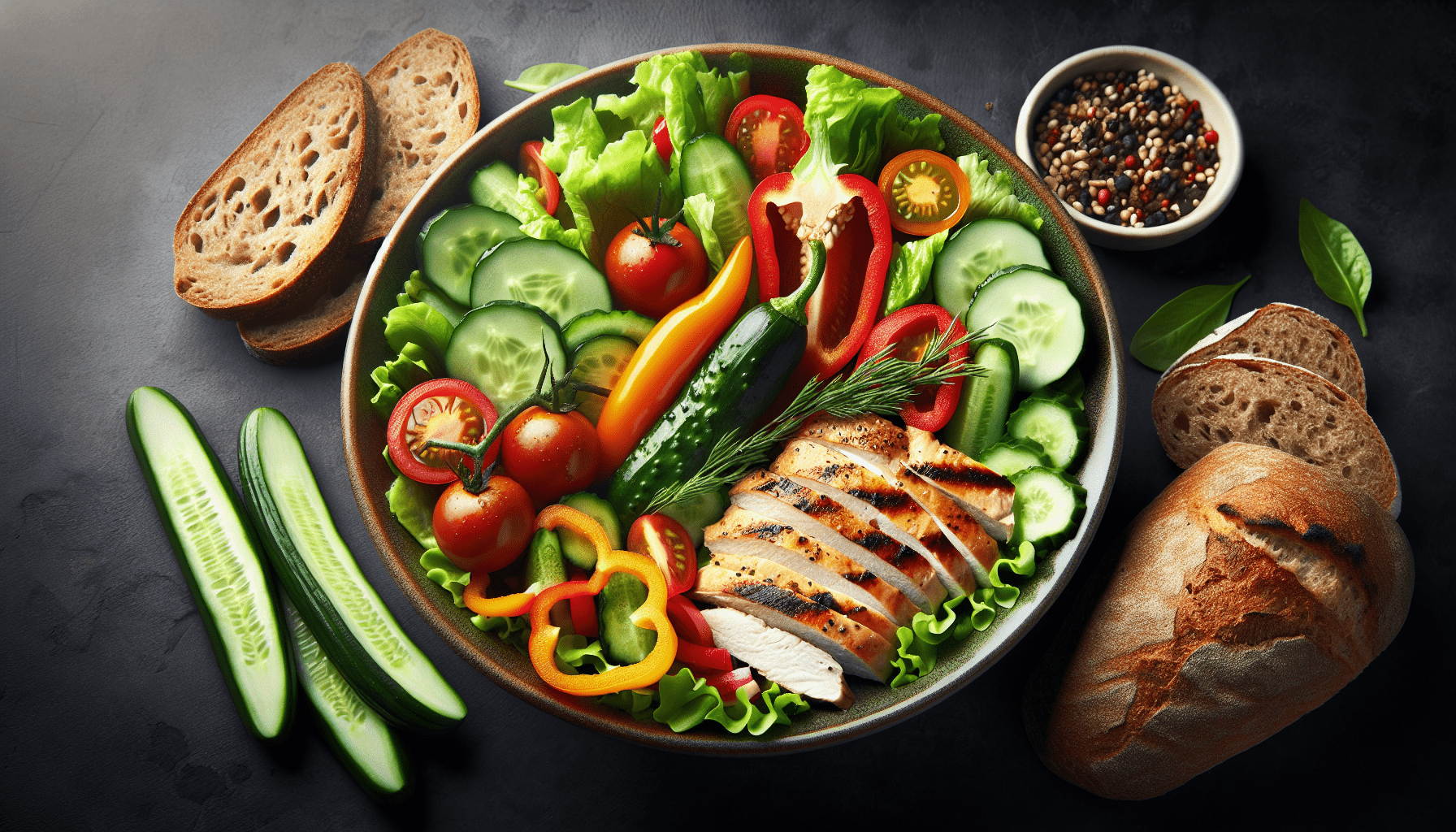
Whether you’re meeting friends for a casual dinner or attending a business lunch, dining out can be a challenging situation when you’re trying to stick to a healthy diet. With tempting menu options and portion sizes that can easily derail your efforts, it’s important to have strategies in place to manage your diet effectively. In this article, you will discover practical tips and simple techniques to help you stay on track and make healthier choices when dining out. Say goodbye to feeling guilty after a meal and hello to enjoying your dining experiences without compromising your health goals.
Plan Ahead
When dining out, it’s essential to plan ahead to ensure that you can make healthy choices and stay on track with your diet. One of the first steps in planning ahead is to research the restaurant you will be visiting. Most restaurants have their menus available online, so take the time to review the menu in advance. This will allow you to familiarize yourself with the options available and identify healthier choices.
While reviewing the menu, pay close attention to the healthy options that are available. Many restaurants now offer a variety of dishes that are lower in calories and higher in nutritional value. Look for dishes that are grilled or baked instead of fried, as they tend to be lower in fat. Additionally, choose items that are made with whole grains, such as whole wheat bread or brown rice, as they provide more fiber and nutrients.
Consider portion sizes when selecting your dish. Many restaurants serve large portions that can easily lead to overeating. Look for options that have smaller portion sizes or consider sharing a meal with a friend or family member. By planning ahead and choosing healthier, appropriately sized options, you set yourself up for success in sticking to your dietary goals.
Make Smart Choices
When dining out, there are several smart choices you can make to ensure that you are selecting healthier options. One of the first things to consider is your beverage choice. Instead of choosing sugary and calorie-laden options like soda or sweetened tea, opt for water or unsweetened beverages. These choices will help to keep you hydrated without adding unnecessary calories to your meal.
When it comes to the main course, look for dishes that are grilled or baked rather than fried. Grilling or baking meats and vegetables helps to retain their natural flavors without adding excess unhealthy fats. It’s also a good idea to ask for dressings and sauces on the side. This allows you to control the amount you use, as many sauces and dressings can be high in calories and unhealthy fats.
When selecting grains, opt for whole grain options. Whole grain bread, pasta, and rice are higher in fiber and contain more nutrients than their refined counterparts. Choosing these options will help you stay satisfied and provide you with the necessary energy for your day.
Additionally, it’s important to focus on lean protein sources. Look for dishes that incorporate lean meats like chicken or fish. These protein sources are lower in saturated fats and can help you maintain a balanced diet. Finally, load up on vegetables. They are low in calories and high in nutrients, making them a healthy and filling addition to any meal.
While it’s important to make smart choices, it’s also okay to indulge occasionally. Just remember to limit your consumption of high-calorie foods and enjoy them in moderation. The key is to strike a balance that allows for both healthy choices and the occasional treat.
Be Mindful of Portions
Portion control is crucial when dining out, as restaurants often serve large servings that can contribute to overeating. To combat this, there are several strategies you can employ. One effective technique is to use smaller plates. Opt for a salad plate instead of a dinner plate, which can help you control portion sizes without feeling deprived.
Another option is to share an entree or dessert with a dining partner. Many restaurants offer oversized portions, so sharing can be an excellent way to enjoy a delicious meal while still practicing portion control. Additionally, don’t be afraid to ask for half portions. Restaurants are often willing to accommodate this request, and it can help you enjoy a satisfying meal without overeating.
It’s also a good idea to avoid all-you-can-eat buffets. While they may seem like a good deal, they often encourage overeating and can lead to feelings of discomfort and guilt. If you do find yourself at a buffet, focus on filling your plate with vegetables, lean proteins, and whole grains. Limit your consumption of high-calorie foods like fried items or desserts.
Finally, if you find that you have a significant amount of food leftover, consider requesting a take-out box. By saving the portion for later, you can prevent mindless eating and enjoy your favorite meal again at a later time.
Control Your Hunger
One of the keys to managing your diet when dining out is to control your hunger before you arrive at the restaurant. If you arrive at the restaurant ravenous, you are more likely to make impulsive and unhealthy choices. To avoid this, have a light snack before going out to eat. This will help to curb your appetite and allow you to make more mindful and intentional food choices.
Throughout the day, make sure to drink plenty of water. Keeping yourself adequately hydrated can help prevent overeating by reducing feelings of hunger. Aim for at least eight glasses of water throughout the day, and consider having a glass before your meal to help you feel full.
When dining out, take the time to eat slowly and savor each bite. This will allow your brain to register when you are full, preventing overeating. Additionally, listen to your body’s hunger cues. If you begin to feel full, it’s okay to stop eating, even if there is food left on your plate. Trust your body and honor its signals.
Finally, avoid mindless eating. Instead of mindlessly snacking on bread baskets or appetizers, focus on engaging in conversation and enjoying the company of your dining companions. By being mindful and present, you can better manage your hunger and make healthier choices throughout the meal.
Deal with Temptations
When dining out, temptations are bound to arise. However, there are steps you can take to navigate these situations successfully. To start, avoid breadbaskets and appetizers. While they may seem harmless, these extras can quickly add calories to your meal. Instead, focus on the main course and make choices that align with your dietary goals.
Similarly, skip high-calorie extras such as bacon or cheese. While they may enhance the flavor of a dish, they often come with a high calorie and fat content. Instead, choose healthier sides like steamed vegetables or a side salad. These options are nutrient-dense and can help you stay on track with your diet.
Managing alcohol consumption is also important when dining out. Alcoholic beverages can be high in calories and may impair your judgment when it comes to making healthy choices. Limit your consumption by opting for lower-calorie options such as light beer or a glass of wine. Additionally, make a plan to stick to your goals before you arrive at the restaurant, and hold yourself accountable to that plan.
Remember, dealing with temptations is all about balance and making choices that align with your overall goals. Stay strong and keep in mind the progress you have made so far.
Communicate Your Dietary Needs
When dining out, don’t be afraid to communicate your dietary needs to the waitstaff. If you have any food restrictions or allergies, inform your server. They will be able to guide you towards menu items that will accommodate your needs.
Additionally, don’t be hesitant to ask for modifications to dishes to suit your preferences. Many restaurants are willing to make changes to accommodate dietary restrictions or personal tastes. Whether it’s asking for a sauce on the side or substituting a side dish, it’s important to advocate for your needs.
If a dish is not meeting your dietary requirements or preferences, politely decline offers made by the waitstaff that are not aligned with your goals. While it can be tempting to give in to the pressure of the moment, remember that your health and wellness are the top priority. Stick to your plan and make choices that will support your overall well-being.
Practice Portion Control
Practicing portion control is essential when dining out. One effective method is to share larger dishes with others. This not only allows you to enjoy a variety of flavors but also helps in controlling the portion sizes. Splitting dishes can also help reduce costs, making it a win-win situation.
When building your plate, strive for a balance of different food groups. As a general guideline, divide your plate into three sections: 50% vegetables, 25% lean protein, and 25% whole grains. This distribution ensures that you are getting a well-rounded meal that is both satisfying and nutritious.
Furthermore, take your time while eating. This allows your brain to register feelings of fullness and prevents overeating. Put your fork down between bites, engage in conversation, and savor the flavors of each mouthful. By practicing mindful eating, you will be able to enjoy your meal and feel satisfied without overindulging.
Lastly, resist the temptation to finish large portions just because they are served to you. Remember, it’s okay to leave food on your plate if you are feeling full. Your body knows best, and it’s important to trust its signals.
Manage Dessert and Sweets
Dessert can be a challenging area to navigate when dining out, but with some strategies, you can enjoy the occasional treat without derailing your diet. One option is to choose fruit-based desserts. Fresh fruits are nutrient-dense and naturally sweet, making them a healthier alternative to traditional desserts. Some restaurants also offer lighter dessert options or fruit salads, so be sure to inquire about these choices.
Additionally, consider sharing a dessert with your fellow diners. This allows you to satisfy your sweet tooth without consuming an entire dessert by yourself. Sharing not only reduces the amount of dessert you consume but also allows you to enjoy the social aspect of dining out.
If you’re looking for lower-calorie options, ask your server if there are any available. Some restaurants offer sugar-free or lighter versions of desserts that can still satisfy your cravings without the added calories.
Lastly, it’s perfectly acceptable to consider skipping dessert altogether, or even opting to take a small taste from someone else’s plate. Remember, it’s all about balance and making choices that align with your goals and preferences.
Stay Hydrated
Staying hydrated is important for overall health, and it’s especially crucial when dining out. Proper hydration can help you feel fuller and prevent overeating. Throughout your meal, drink water to stay hydrated without adding any extra calories.
It’s also important to avoid sugary beverages such as soda or sweetened juices. These drinks can add a significant number of calories to your meal without providing much nutritional value. Instead, opt for herbal or unsweetened tea, which can provide flavor without the excessive sugar content.
In addition to avoiding sugary and calorie-laden beverages, limit your caffeine and alcohol intake. While a small amount of caffeine or alcohol may be enjoyable, excessive consumption can impact your overall well-being and make it harder to stick to your dietary goals.
Enjoy the Experience
While managing your diet when dining out can sometimes feel challenging, it’s important to remember to enjoy the experience. Focus on the good company and engaging conversation rather than solely on the food. Appreciate the flavors and textures of your meal and savor each bite.
To fully enjoy your meal, practice mindful eating. Be present in the moment and pay attention to how the food tastes and how it makes you feel. This can help you feel more satisfied and prevent mindless eating.
Finally, do not stress over one meal. It’s important to maintain a balanced approach to food and not let one indulgent meal derail your overall progress. Remember, consistency is key, and one meal will not make or break your diet. Enjoy the experience and get back on track with your healthy eating habits the next day.