
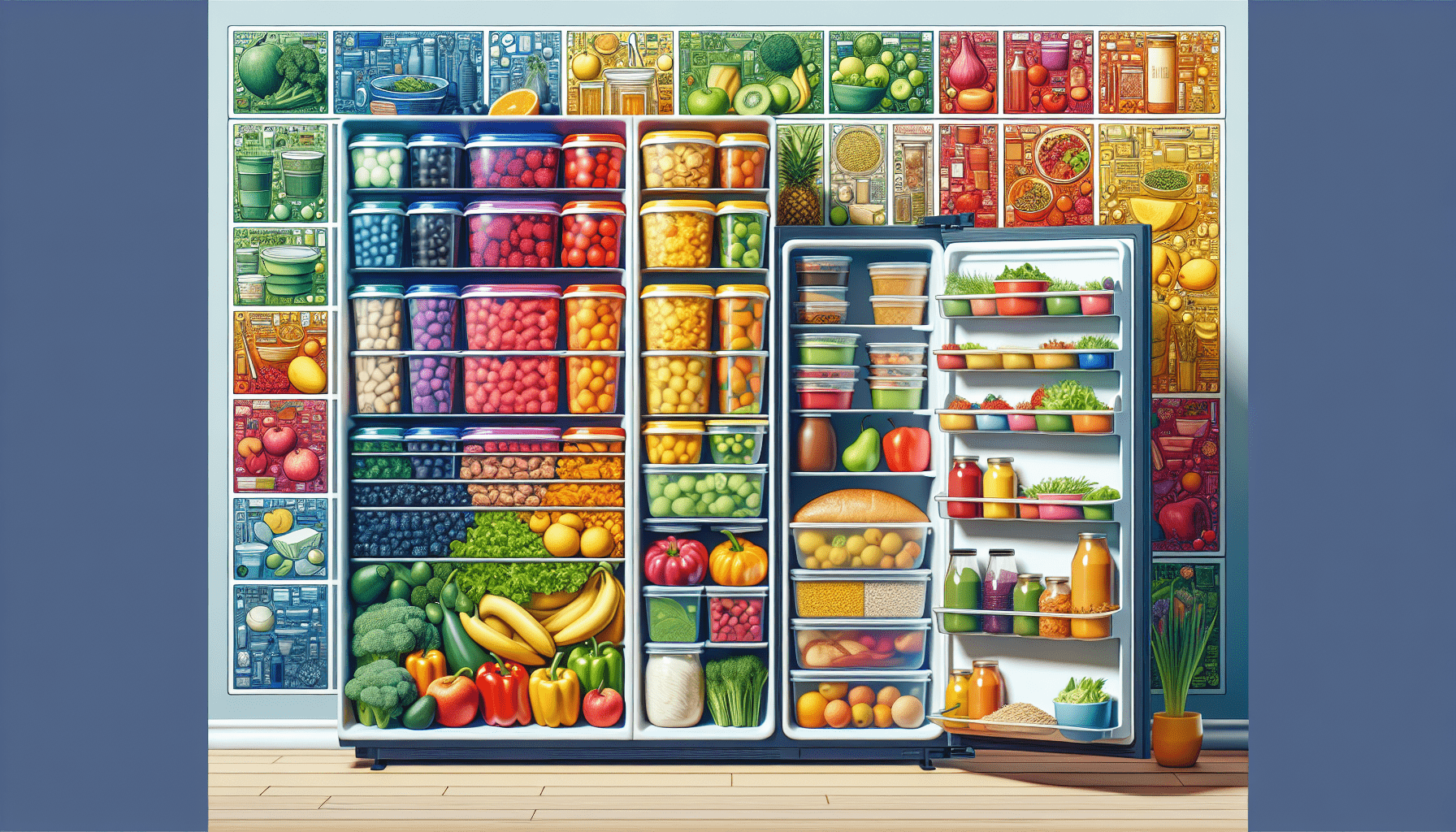
Are you a busy college student struggling to find the time and energy to prepare healthy meals? Look no further! In this article, we will share the best tips and strategies to help you meal plan effectively, even with your hectic schedule. Discover how to save time, money, and stay on track with your nutrition goals. Say goodbye to last-minute fast food runs and hello to delicious, homemade meals that will keep you fueled throughout your busy days. So, grab a pen and paper and get ready to revolutionize your meal planning game!
Create a Weekly Meal Plan
Plan your meals for the entire week
When you’re a busy college student, planning your meals for the entire week can be a game-changer. By taking the time to create a weekly meal plan, you can ensure that you have nutritious and delicious meals at hand, saving you time and stress throughout the week. Start by setting aside some time each week to sit down and plan out your meals. Consider what you have on your schedule and any events or commitments that might affect your eating routine. By doing this, you’ll be able to anticipate busy days or times when you might need quick and easy meals.
Take into account your schedule and any events or commitments
Busy college students often juggle a variety of activities and commitments. When creating your meal plan, it’s essential to take your schedule into account. Are there any nights when you have late classes or meetings? If so, plan for quick and easy meals that require minimal preparation. On the days when you have more time, consider trying out new recipes or experimenting with different flavors. By aligning your meals with your schedule, you’ll be able to enjoy delicious and satisfying meals without feeling overwhelmed.
Include a variety of foods from different food groups
Maintaining a balanced and nutritious diet is crucial for your overall well-being, especially as a busy college student. When creating your weekly meal plan, aim to incorporate a variety of foods from different food groups. Include plenty of fruits and vegetables, whole grains, lean proteins, and healthy fats. This will provide you with the essential nutrients and energy you need to excel in your studies and daily activities. Don’t be afraid to mix things up and try new ingredients or recipes. Variety is not only key to a healthy diet, but it also makes your meals more exciting and enjoyable.
Consider nutritional needs and dietary restrictions
In addition to incorporating a variety of foods, it’s essential to consider your specific nutritional needs and any dietary restrictions you may have. Are you following a vegetarian or vegan diet? Do you have any food allergies or intolerances? By taking these factors into account when creating your meal plan, you can ensure that you’re nourishing your body properly and avoiding any potential health issues. There are numerous online resources and apps available that can help you navigate dietary restrictions and provide recipe ideas tailored to your needs.
Make a Grocery List
Review your meal plan and determine what ingredients you need
Once you’ve created your weekly meal plan, it’s time to make a grocery list. Begin by reviewing your plan and determining what ingredients you’ll need for each meal. Take the time to go through each recipe and ensure that you have included all the necessary ingredients. This will help you avoid any last-minute trips to the store and streamline your grocery shopping experience.
Write down the quantities of each ingredient
To make sure you have enough ingredients for the entire week, be sure to write down the quantities of each item you’ll need. Consider how many servings each recipe yields and adjust the quantities accordingly. This will help prevent any shortages or excess ingredients, minimizing food waste and saving you money in the long run.
Organize your grocery list by sections to make shopping easier
To make your grocery shopping experience efficient and stress-free, organize your list by sections. Group similar items together, such as produce, dairy, proteins, and pantry staples. This will allow you to navigate the store more easily and avoid wasting time searching for ingredients in different aisles.
Avoid impulse buying by sticking to your list
One of the biggest challenges when grocery shopping is avoiding impulse buying. To stay on track and stick to your meal plan, resist the temptation to purchase items that aren’t on your list. Impulse buying can lead to extra expenses and often results in purchasing items you don’t truly need. By focusing on your list and sticking to it, you’ll reduce waste, save money, and stay true to your meal plan.
Cook in Bulk
Prepare large quantities of food that can be portioned and stored
Cooking in bulk is a fantastic strategy for busy college students. By preparing large quantities of food, you can streamline your cooking process and save time throughout the week. Choose recipes that lend themselves well to batch cooking, such as casseroles, soups, stews, or grain-based salads. These types of dishes are easy to portion and store, allowing you to have ready-made meals on hand whenever you need them.
Utilize slow cookers, pressure cookers, and batch cooking methods
To make bulk cooking even more convenient, utilize slow cookers, pressure cookers, and other batch cooking methods. These appliances can be a lifesaver for busy college students. Slow cookers allow you to throw ingredients together in the morning and come home to a flavorful and hearty meal. Pressure cookers significantly reduce cooking times while retaining flavor and tenderness. By incorporating these tools into your meal prep routine, you can maximize efficiency and minimize hands-on cooking time.
Save time by cooking multiple meals at once
When preparing your meals for the week, consider cooking multiple meals at once. If you already have the oven or stovetop fired up, make use of the space and cook multiple dishes simultaneously. For example, while a casserole is baking, you can simmer a pot of soup on the stovetop. This will help you save time and make the most of your cooking efforts.
Store individual portions in containers for easy grab-and-go meals
After cooking in bulk, it’s crucial to portion and store your meals properly for easy grab-and-go options. Invest in a set of reusable and microwave-safe containers that are the appropriate size for individual portions. By dividing your meals into individual servings, you can easily grab a container and head out the door without any hassle. This is especially helpful for busy college days when you may not have time to sit down for a full meal.
Prep Ingredients in Advance
Wash and chop vegetables ahead of time
Prepping ingredients in advance is a key strategy for efficient meal planning. Wash and chop vegetables ahead of time, so they’re ready to be incorporated into your meals during the week. Cut up carrots, bell peppers, broccoli, and any other veggies you plan to use and store them in an airtight container in the refrigerator. This way, when it’s time to cook, you can simply reach into the fridge and grab the prepped vegetables, saving you time and effort.
Marinate meats or tofu for added flavor
Another way to save time and enhance the flavors of your meals is to marinate meats or tofu in advance. Before the start of the week, marinate proteins like chicken, beef, or tofu in your favorite marinades. This will allow the flavors to develop and infuse into the proteins, making your meals more flavorful and enjoyable. When it’s time to cook, simply remove the pre-marinated proteins from the fridge and proceed with your recipe.
Preportion snacks and ingredients for easy access
In addition to prepping main meals, don’t forget about snacks. Preportioning snacks and ingredients such as nuts, seeds, dried fruits, or granola can save you time and help you make healthier choices on the go. Instead of reaching for prepackaged snacks with added sugars and preservatives, prepare your own snack packs in advance. This way, when hunger strikes, you’ll have nutritious options readily available.
Label and store prepped ingredients in the fridge for quick cooking
To keep your prepped ingredients organized and easily accessible, label and store them properly in the refrigerator. Use clear containers or resealable bags and label them with the name of the ingredient and the date it was prepped. This will help you stay organized and ensure that you use up the ingredients before they spoil. When it’s time to cook, you can simply grab the prepped ingredients from the fridge and start cooking without the need for additional preparation.
Utilize Freezer Meals
Prepare freezer-friendly meals that can be reheated later
Freezer meals are a fantastic option for busy college students. Prepare freezer-friendly meals that can be reheated later for quick and convenient meals when you’re short on time. Choose recipes that freeze well, such as casseroles, lasagnas, or soups. Portion out the meals into individual-sized containers or freezer bags and label them with the name of the dish and the date it was prepared. This way, you’ll always have a nutritious and delicious meal on hand, even on the busiest of days.
Label and date your freezer meals for easy identification
To ensure that your freezer meals stay organized, be sure to label and date each container or bag. This will make it easier to identify each meal and prevent any confusion when it comes time to choose what to eat. By labeling and dating your freezer meals, you’ll be able to keep track of how long they’ve been stored and prioritize eating the oldest dishes first. It’s important to remember that freezer meals should typically be consumed within a few months to maintain optimal taste and quality.
Include a variety of dishes to avoid meal fatigue
When preparing freezer meals, it’s essential to include a variety of dishes to avoid meal fatigue. Eating the same meal repeatedly can become boring and lead to a lack of motivation to stick to your meal plan. By preparing different meals and rotating through them, you’ll keep your taste buds interested and stay excited about your meals. Take advantage of the opportunity to try new recipes and experiment with different flavors and cuisines.
Stock up on frozen fruits, veggies, and proteins for quick meals
In addition to freezer meals, stocking up on frozen fruits, veggies, and proteins is a smart move for busy college students. Frozen fruits can be added to smoothies or used in baking, while frozen vegetables can be quickly steamed or stir-fried for a nutritious side dish. Having a variety of frozen proteins, such as fish fillets, chicken breasts, or plant-based alternatives, will provide you with quick options for adding a protein component to any meal. These frozen options are convenient, versatile, and have a longer shelf life, making them a reliable addition to your meal planning toolkit.
Take Advantage of Leftovers
Plan meals that yield leftovers for easy next-day lunches or dinners
Leftovers can be a busy college student’s best friend. When creating your meal plan, try to plan meals that yield leftovers for easy next-day lunches or dinners. Dishes like roasted chicken, pasta bakes, or stir-fries often taste just as delicious the next day and can be packed up for a quick meal on the go. Leftovers not only save you time but also help reduce food wastage by making use of excess food from your meals.
Repurpose leftovers into new dishes to avoid food wastage
If you find yourself growing tired of eating the same leftovers repeatedly, get creative and repurpose them into new dishes. For example, leftover roasted chicken can be shredded and turned into a chicken salad or used as a topping for a loaded baked potato. Leftover vegetables can be incorporated into omelets or added to a bowl of fried rice. By repurposing your leftovers, you can transform them into exciting and flavorful meals that feel entirely new.
Divide leftovers into individual portions for quick and convenient meals
To make the most of your leftovers, consider dividing them into individual portions before storing them in the fridge. This will make it easier to grab a meal on the go without the need to measure or portion out servings. Invest in a set of meal prep containers with different compartments to keep different components of your meal separate. This way, you can pack complete meals and enjoy a balanced and satisfying lunch or dinner, even when you’re on the run.
Label and store leftovers properly to maintain freshness
When storing leftovers, it’s important to label and store them properly to maintain freshness. Use clear containers and label them with the name of the dish and the date it was cooked. This will help you keep track of how long each dish has been stored and ensure that you consume them within a safe timeframe. Additionally, be sure to store leftovers in the refrigerator at the appropriate temperature to minimize the risk of foodborne illnesses.
Invest in Meal Prep Containers
Choose reusable containers that are durable and microwave-safe
Investing in meal prep containers is a wise decision for any busy college student. Choose reusable containers that are durable and microwave-safe so you can easily heat up your meals whenever needed. Look for containers made from materials like glass or BPA-free plastic that are designed to withstand repeated use and prevent leaks or spills.
Select containers with compartments for easy meal organization
To make meal planning and organization even easier, select containers with compartments. These types of containers allow you to keep different components of your meal separate, preventing them from becoming soggy or blending together. Compartments also help you achieve portion control and create balanced meals with a variety of nutrients.
Consider portion-control containers to manage serving sizes
If portion control is a concern for you, consider investing in portion-control containers. These containers are divided into specific portions for proteins, starches, and veggies, making it easy to create well-balanced meals without the need for measuring or weighing ingredients. Portion-control containers are especially beneficial for those who are trying to manage their calorie intake or adhere to specific dietary guidelines.
Opt for leak-proof containers to prevent spills and messes
When meal prepping and transporting your meals, it’s important to opt for leak-proof containers. This will help prevent any spills or messy accidents, ensuring that your meals stay fresh and intact. Look for containers with built-in seals or locking mechanisms that will keep your food securely contained, even when you’re on the move.
Batch Cook Staples
Prepare staple ingredients like grains, beans, and proteins in large quantities
Batch cooking staple ingredients is a fantastic way to save time and streamline your meal planning process. Consider preparing grains, beans, and proteins in large quantities that can be used as the base for various meals throughout the week. Cook a big batch of quinoa, brown rice, or whole wheat pasta, and store them in individual containers in the fridge or freezer. Similarly, cook a large pot of beans or lentils and portion them out for easy access when needed.
Store these cooked staples in the fridge or freezer for quick meal assembly
After batch cooking your staple ingredients, store them properly in the fridge or freezer for quick meal assembly. Cooked grains, beans, and proteins can be refrigerated for up to a week or stored in the freezer for longer periods. Be sure to use airtight containers or resealable bags and label them with the name of the ingredient and the date it was cooked. Having these staples ready to go will save you time and effort when it’s time to put together a meal.
Use these batch-cooked staples as the base for various meals throughout the week
Once you have your batch-cooked staples on hand, utilize them as the base for various meals throughout the week. For example, cooked quinoa can be combined with sautéed vegetables and protein for a quick stir-fry. Cooked beans can be used to make hearty salads or added to soups for added protein and fiber. By building your meals around pre-cooked staples, you’ll have a solid foundation to work with and cut down on overall cooking time.
Experiment with different flavorings and seasonings to keep meals interesting
To keep your meals interesting and prevent flavor fatigue, don’t be afraid to experiment with different flavorings and seasonings. While batch-cooked staples provide a solid base, you can easily transform them with the addition of herbs, spices, and sauces. Try adding different seasonings like garlic powder, cumin, or smoked paprika for a burst of flavor. Experiment with different dressings or marinades to create unique and tasty meals. By incorporating different flavors, you’ll be more likely to enjoy your meals and stick to your meal plan.
Stay Organized with a Meal Planning App
Use a digital meal planning app to simplify the process
In today’s digital age, there are numerous meal planning apps available that can simplify the process and help you stay organized. Look for a digital meal planning app that allows you to store recipes, create shopping lists, and schedule meals. These apps often provide a range of functionalities, such as nutritional tracking, saving favorite recipes, and generating grocery lists based on your chosen meals. Using a meal planning app can save you time, energy, and help you stay on track with your meal plan.
Find an app that allows you to store recipes, create shopping lists, and schedule meals
When choosing a meal planning app, look for one that offers the essential features you need. Opt for an app that allows you to store your favorite recipes, create customized shopping lists based on those recipes, and schedule your meals for the week ahead. This way, you can easily access your recipes, ensure you have all the necessary ingredients, and schedule your meals according to your preferences and schedule.
Set reminders and notifications to stay on track with your meal plan
To stay on track with your meal plan, make use of the reminder and notification features available in meal planning apps. Set reminders for meal prep, cooking times, or even grocery shopping trips. These reminders and notifications will help you stay organized and ensure that you don’t forget any crucial steps in the meal planning process.
Sync the app with other devices for easy access
For seamless access to your meal plan and recipes, consider syncing the app with other devices. This will allow you to view your meal plan on your smartphone, tablet, or computer, depending on what device you have with you at any given time. Syncing your meal planning app across multiple devices ensures that you always have your meal plan and recipes accessible, no matter where you are.
Plan for On-the-Go Meals
Pack easy-to-transport meals and snacks for busy days
For busy college students, on-the-go meals and snacks are a must. Pack easy-to-transport meals and snacks that can be enjoyed wherever you are, whether it’s between classes, at the library, or on the way to extracurricular activities. Consider options like sandwiches, wraps, salads in jars, or even homemade energy balls. These portable meals and snacks will keep you fueled and satisfied throughout the day, providing you with the necessary energy to tackle your tasks.
Include portable options like sandwiches, wraps, and salads in your meal plan
When planning your meals for the week, be sure to include portable options like sandwiches, wraps, and salads. These meals are easy to assemble, require minimal cooking, and can be customized to your liking. Prepare a variety of fillings and toppings to keep things interesting. For example, try turkey and avocado sandwiches, Greek chicken wraps, or mason jar salads with different dressings. By having these portable options in your meal plan, you’ll have convenient and tasty meals that you can enjoy on the go.
Invest in a good insulated lunchbox or bag to keep food fresh
To ensure that your packed meals stay fresh throughout the day, invest in a good insulated lunchbox or bag. Look for options that provide insulation and have compartments to keep different components of your meals separate. This will help maintain the temperature of your food and prevent any cross-contamination. A quality insulated lunchbox or bag is a worthwhile investment that will help you enjoy your meals without worrying about food safety.
Pack non-perishable snacks for emergency hunger situations
In addition to meals, don’t forget to pack non-perishable snacks for emergency hunger situations. There may be times when unexpected delays or long study sessions leave you feeling hungry and in need of a quick snack. Pack items like nuts, dried fruits, granola bars, or single-serve nut butter packets. These snacks are shelf-stable and can be easily carried in your backpack or purse, ensuring that you always have a nutritious option to curb your hunger.
Meal planning as a busy college student may seem like a daunting task at first, but with these strategies, it becomes an achievable and beneficial habit. By creating a weekly meal plan, making a well-organized grocery list, cooking in bulk, prepping ingredients in advance, utilizing freezer meals and leftovers, investing in meal prep containers, and staying organized with a meal planning app, you’ll be well-equipped to tackle your busy schedule and enjoy nutritious, delicious meals throughout the week. So, grab a pen and paper, and start planning your way to a more organized and stress-free eating routine. Your body and mind will thank you!