
Welcome to the ultimate buyer’s guide for selecting the perfect mobility aids for managing chronic conditions! In this article, you will find valuable information and tips on choosing the right mobility aids that suit your specific needs and lifestyle. From walkers to wheelchairs, we will help you navigate the vast array of options available in the market, ensuring you make a well-informed decision that promotes independence and comfort. Let’s get started on finding the perfect mobility aid that will enhance your quality of life! Have you or a loved one been diagnosed with a chronic condition that affects mobility? If so, you may be considering purchasing mobility aids to help maintain independence and improve quality of life. With a wide range of options available on the market, it can be overwhelming to choose the right mobility aids for your specific needs. This buyer’s guide is here to help you navigate through the process and make an informed decision. Let’s explore the factors to consider when choosing the right mobility aids for chronic conditions.

Factors to Consider When Choosing Mobility Aids
When it comes to selecting the right mobility aids for chronic conditions, there are several factors to keep in mind. Consider the level of mobility assistance needed, the specific features required, as well as the individual preferences and limitations. By taking these factors into account, you can ensure that you choose the most appropriate mobility aids that will best suit your needs.
Level of Mobility Assistance Needed
- Depending on the severity of the chronic condition and the level of mobility impairment, different types of mobility aids may be required.
- Assess the specific tasks or activities that are challenging due to limited mobility and determine the level of assistance needed.
- Consider consulting with a healthcare professional or therapist to get a better understanding of the mobility aids that would be most beneficial.
Specific Features Required
- Mobility aids come in various shapes, sizes, and features to cater to different needs and preferences.
- Consider features such as adjustable height, weight capacity, maneuverability, and comfort when choosing mobility aids.
- Think about whether you need mobility aids for indoor use, outdoor use, or both, and choose accordingly.
Individual Preferences and Limitations
- Personal preferences and limitations play a significant role in choosing the right mobility aids.
- Consider factors such as ease of use, storage space, transportation options, and aesthetics when selecting mobility aids.
- Take into account any specific physical limitations or medical conditions that may impact the choice of mobility aids.
Types of Mobility Aids for Chronic Conditions
There is a wide range of mobility aids available for individuals with chronic conditions that affect mobility. From canes and walkers to wheelchairs and scooters, each type of mobility aid serves a specific purpose and provides varying levels of assistance. Let’s explore the different types of mobility aids and their unique features to help you make an informed decision.
Canes
- Canes are lightweight and portable mobility aids that provide support and stability while walking.
- They come in various styles, including standard canes, quad canes, and offset canes, to accommodate different needs.
- Canes are ideal for individuals who need minimal support and balance assistance while walking.
Walkers
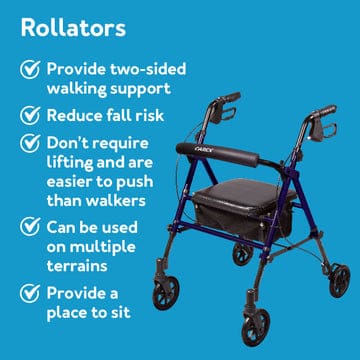
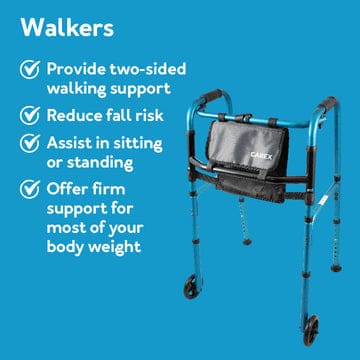
- Walkers are sturdy mobility aids with four legs and hand grips that provide greater stability and support while walking.
- They come in different styles, such as standard walkers, rollators, and knee walkers, to meet individual needs.
- Walkers are suitable for individuals who require more support and balance assistance than canes can provide.
Wheelchairs
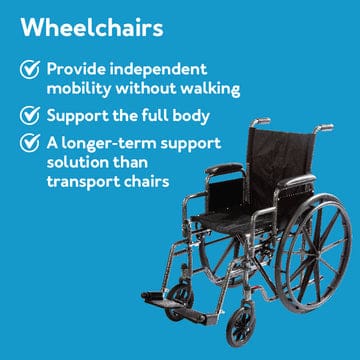
- Wheelchairs are mobility aids with seating and wheels that allow individuals to move around without walking.
- They come in manual and electric models, as well as different sizes and styles, to suit various preferences and requirements.
- Wheelchairs are ideal for individuals with significant mobility limitations who need assistance with both short and long-distance mobility.
Scooters
- Scooters are motorized mobility aids with a seat, handlebars, and wheels that provide convenient and independent mobility.
- They come in portable and travel-friendly models, as well as heavy-duty and outdoor models, for different usage scenarios.
- Scooters are suitable for individuals who struggle with walking long distances or standing for extended periods.
Crutches
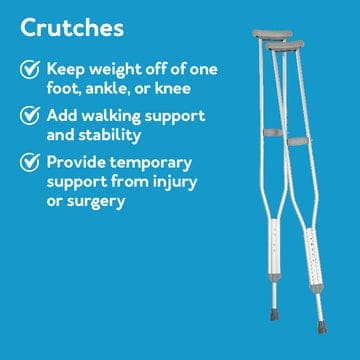
- Crutches are mobility aids that provide support and stability to individuals with mobility impairments in one or both legs.
- They come in different styles, such as underarm crutches and forearm crutches, to accommodate varying needs.
- Crutches are ideal for individuals who need temporary or long-term support while recovering from injuries or surgeries.
Choosing the Right Mobility Aids for Specific Chronic Conditions
Different chronic conditions may require specific types of mobility aids to address the unique challenges and limitations associated with each condition. Let’s explore some common chronic conditions and the recommended mobility aids that can help manage mobility difficulties effectively.
Arthritis
- Arthritis can cause joint pain and stiffness, making it challenging to move around comfortably.
- Recommended Mobility Aids: Canes, walkers, and rollators with ergonomic grips and adjustable height settings to reduce joint strain.
Osteoporosis
- Osteoporosis weakens bones and increases the risk of fractures, leading to mobility issues.
- Recommended Mobility Aids: Walkers with built-in seats and backrests for resting during activities, reducing the risk of falls.
Multiple Sclerosis
- Multiple Sclerosis affects the central nervous system, leading to muscle weakness and coordination problems.
- Recommended Mobility Aids: Electric wheelchairs and scooters with easy maneuverability and comfortable seating for long-term use.
Parkinson’s Disease
- Parkinson’s Disease causes tremors, rigid muscles, and impaired balance, affecting mobility and daily activities.
- Recommended Mobility Aids: Rollators with stability wheels, hand brakes, and padded seats for resting during tremor episodes.
Tips for Buying Mobility Aids
When it comes to purchasing mobility aids for chronic conditions, there are several tips to keep in mind to ensure that you make the right choice. From considering the budget to trying out different options, following these tips can help you select the most suitable mobility aids that meet your needs and preferences.
Set a Budget
- Determine a budget range for purchasing mobility aids based on your financial situation and insurance coverage.
- Explore different pricing options for mobility aids, including new, used, and rental options, to find the best value for your money.
Try Before You Buy
- Test different types of mobility aids, such as canes, walkers, wheelchairs, and scooters, to experience their features and functionality firsthand.
- Ensure that the mobility aids fit comfortably and provide the necessary support and assistance before making a purchase decision.
Consider Maintenance and Repairs
- Check the maintenance requirements and repair services available for the mobility aids you are considering purchasing.
- Factor in the cost of regular maintenance, repairs, and replacements to ensure that the mobility aids remain in good working condition.
Seek Professional Advice
- Consult with healthcare professionals, therapists, and mobility aid specialists to get expert advice on choosing the right mobility aids.
- Discuss your specific needs, limitations, and preferences with qualified professionals to receive tailored recommendations and guidance.
Conclusion
Choosing the right mobility aids for chronic conditions is a crucial decision that can significantly impact your mobility, independence, and quality of life. By considering the factors outlined in this buyer’s guide and exploring the different types of mobility aids available, you can make an informed choice that meets your specific needs and preferences. Remember to try out different options, seek professional advice, and prioritize comfort, safety, and functionality when selecting mobility aids. With the right mobility aids by your side, you can navigate through daily activities with ease and confidence, improving your overall well-being and mobility.