
Navigating through a natural disaster can be overwhelming, especially when you have a chronic illness to consider. In times like these, it’s important to have a plan in place to ensure your health and safety. From maintaining a well-stocked emergency kit to communicating with your healthcare provider, these tips will help you manage your chronic illness during natural disasters. Remember, preparation is key to staying healthy and safe during times of crisis. Have you ever wondered how to manage your chronic illness during natural disasters? It can be a challenging and stressful time, but with the right tips and strategies, you can ensure that you stay safe and healthy. Read on for some helpful advice on how to navigate through natural disasters while managing your chronic illness.

Understanding Your Chronic Illness
First things first, it’s important to understand your chronic illness and how it may be affected during a natural disaster. Take some time to research and learn more about your condition, such as how it is typically managed and what triggers exacerbations. Knowing more about your illness will help you better prepare for any challenges that may arise during a natural disaster.
Chronic illnesses can vary greatly from person to person, so it’s essential to have a good understanding of how your specific condition may impact you. Make sure to keep any relevant medical information handy, such as a list of medications you take, your doctor’s contact information, and any emergency procedures specific to your illness.
Creating a Disaster Preparedness Plan
One of the most crucial steps in managing your chronic illness during a natural disaster is to create a disaster preparedness plan. This plan should outline how you will stay safe, manage your medical needs, and communicate with loved ones during an emergency situation.
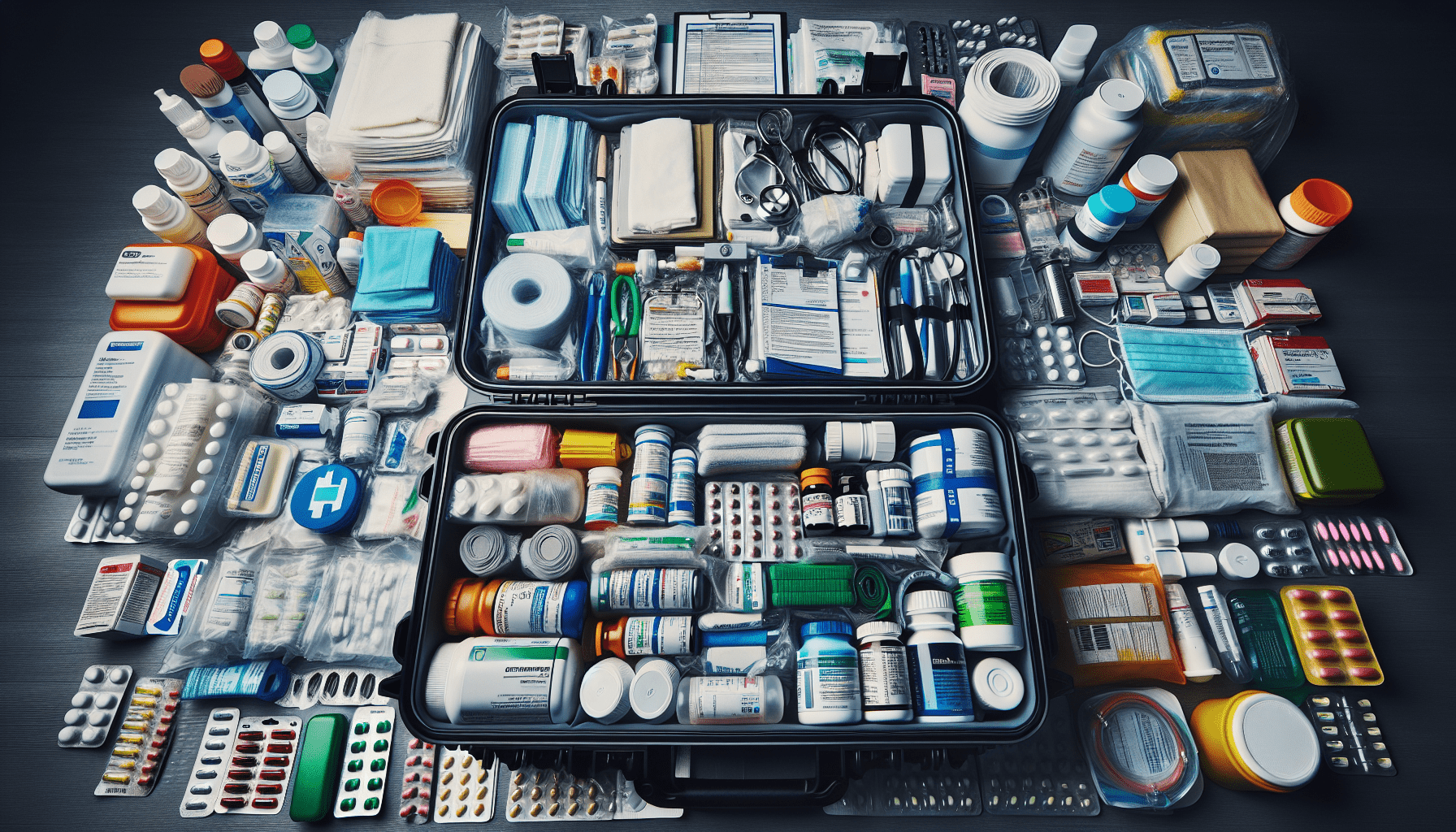
Start by identifying any essential medical supplies or equipment you may need during a disaster, such as medications, medical devices, or mobility aids. Make a list of these items and keep them well-stocked and easily accessible. Additionally, consider creating an emergency kit specifically tailored to your chronic illness, including any specific supplies or medications that you may require.
Tips for Creating a Disaster Preparedness Plan:
- Keep a list of emergency contacts, including your doctor, pharmacist, and any family members or friends who can assist you during an emergency.
- Make sure to have copies of your medical records, insurance information, and any important documents stored in a waterproof and easily accessible location.
- Consider registering with your local emergency management agency or healthcare provider to receive alerts and updates during a disaster.
By having a well-thought-out disaster preparedness plan in place, you can ensure that you are better equipped to handle any challenges that may come your way during a natural disaster.
Communicating with Healthcare Providers
During a natural disaster, it’s crucial to maintain open communication with your healthcare providers to ensure that you receive the necessary medical care and support. Reach out to your doctor before a disaster strikes to discuss any concerns you may have and to create a plan for managing your chronic illness during an emergency.
If you are unable to reach your healthcare provider during a natural disaster, consider contacting local hospitals, clinics, or emergency services for assistance. They may be able to provide you with guidance on managing your chronic illness or connect you with medical resources in your area.
Tips for Communicating with Healthcare Providers:
- Ensure that you have a list of all your current medications, dosages, and any allergies or adverse reactions that you may have to certain medications.
- Keep a copy of your medical records, including recent test results and diagnostic reports, in case you need to provide them to a healthcare provider during an emergency.
- Consider using telehealth services or virtual consultations to connect with your healthcare provider if in-person visits are not possible during a natural disaster.
Maintaining open communication with your healthcare providers is essential for managing your chronic illness effectively during a natural disaster. By staying in touch with your medical team, you can ensure that you receive the care and support you need to stay healthy and safe.
Managing Medications and Treatments
One of the biggest challenges for individuals with chronic illnesses during a natural disaster is ensuring access to medications and treatments. To prevent any disruptions in your medical care, it’s essential to have a plan in place for managing your medications and treatments during an emergency.
Start by creating a comprehensive list of all the medications you take, including dosages, frequencies, and any specific instructions for taking them. Make sure to keep this list updated and store it in a secure location that is easily accessible in case of an emergency.
Tips for Managing Medications and Treatments:
- Refill your prescriptions ahead of time to ensure that you have an ample supply of medications on hand during a natural disaster.
- Consider storing extra medications in a waterproof container or bag to protect them from moisture or damage.
- Contact your healthcare provider or pharmacist to discuss alternative options for obtaining your medications if your usual pharmacy or healthcare facility is closed during a disaster.
By taking proactive steps to manage your medications and treatments, you can reduce the risk of running out of essential supplies and ensure that you can continue to adhere to your treatment plan during a natural disaster.

Maintaining a Healthy Diet and Lifestyle
Maintaining a healthy diet and lifestyle is essential for managing chronic illnesses during natural disasters, as proper nutrition and self-care can help you stay strong and resilient during challenging times. However, it can be challenging to maintain healthy habits during emergencies, so it’s crucial to have a plan in place for staying well-nourished and well-rested.
Create a list of nutritious non-perishable foods that you can stock up on ahead of time, such as canned goods, dried fruits, nuts, and granola bars. Consider including foods that are high in protein, fiber, and essential nutrients to help support your overall health and well-being during a disaster.
Tips for Maintaining a Healthy Diet and Lifestyle:
- Stay hydrated by drinking plenty of water and avoiding sugary or caffeinated beverages that can dehydrate you.
- Practice stress-relief techniques, such as deep breathing exercises, meditation, or light physical activity, to help manage anxiety and stay calm during a natural disaster.
- Prioritize sleep and rest by creating a comfortable sleep environment and establishing a bedtime routine that promotes relaxation and restful sleep.
By prioritizing your diet and lifestyle during a natural disaster, you can support your overall health and well-being and better manage your chronic illness during challenging times.
Seeking Support from Loved Ones
Managing a chronic illness during a natural disaster can be overwhelming, so it’s essential to seek support from loved ones to help you navigate through challenges and stay safe. Reach out to family members, friends, neighbors, and caregivers for assistance with managing your medical needs and staying connected during an emergency.
Consider creating a support network of trusted individuals who can check in on you, provide assistance with tasks or errands, or offer emotional support during a natural disaster. Make sure to communicate your needs and concerns with your support network, so they are aware of how they can help you during an emergency.
Tips for Seeking Support from Loved Ones:
- Develop a communication plan with your loved ones to ensure that you can stay connected and informed during a natural disaster.
- Consider sharing your disaster preparedness plan with your support network, so they are aware of your medical needs and how they can assist you during an emergency.
- Express gratitude and appreciation for the support and assistance provided by your loved ones during a challenging time.
By seeking support from loved ones, you can create a strong support system that can help you manage your chronic illness effectively and stay safe during a natural disaster.
In conclusion, managing chronic illness during natural disasters requires careful planning, communication, and support. By understanding your condition, creating a disaster preparedness plan, communicating with healthcare providers, managing medications and treatments, maintaining a healthy diet and lifestyle, and seeking support from loved ones, you can ensure that you stay safe and healthy during emergencies. Remember that you are not alone in facing these challenges, and with the right strategies and support, you can navigate through natural disasters while effectively managing your chronic illness. Stay well, stay safe, and take care of yourself.
