Welcome to an article that will provide you with effective strategies for coping with fibromyalgia. Living with this chronic condition can be challenging, but by implementing the tips and techniques outlined in this article, you can better manage your symptoms and improve your quality of life. From practicing mindfulness and gentle exercise to maintaining a healthy diet and seeking support from loved ones, you will learn valuable tools to help you navigate the ups and downs of living with fibromyalgia. Let’s explore these strategies together and take steps towards a brighter, more manageable future. Have you or someone you know been diagnosed with fibromyalgia? Coping with the symptoms of this chronic condition can be challenging, but there are effective strategies that can help you manage your pain and improve your quality of life. In this article, we will explore various coping mechanisms, lifestyle changes, and treatment options that can make a significant difference in your experience with fibromyalgia.
Understanding Fibromyalgia
If you’ve been diagnosed with fibromyalgia, you’re not alone. This condition affects millions of people worldwide, with women being more commonly affected than men. Fibromyalgia is a chronic disorder characterized by widespread musculoskeletal pain, fatigue, sleep disturbances, and mood issues. The exact cause of fibromyalgia is still unknown, but it is believed to involve a combination of genetic, environmental, and psychological factors.
Symptoms of Fibromyalgia
The symptoms of fibromyalgia can vary from person to person, but the most common ones include:
- Widespread pain and tenderness in the muscles, ligaments, and tendons
- Fatigue and lack of energy
- Sleep disturbances, such as insomnia or non-restorative sleep
- Cognitive issues, often referred to as “fibro fog”
- Mood and anxiety disorders, such as depression and anxiety
- Headaches, migraines, and other chronic pain conditions
If you are experiencing any of these symptoms, it’s essential to consult a healthcare professional for a proper diagnosis and treatment plan. Understanding your symptoms is the first step towards effectively coping with fibromyalgia.
Coping Strategies for Fibromyalgia
Living with fibromyalgia can be challenging, but there are several coping strategies that can help you manage your symptoms and improve your quality of life. Here are some effective coping strategies to consider:
Education and Support
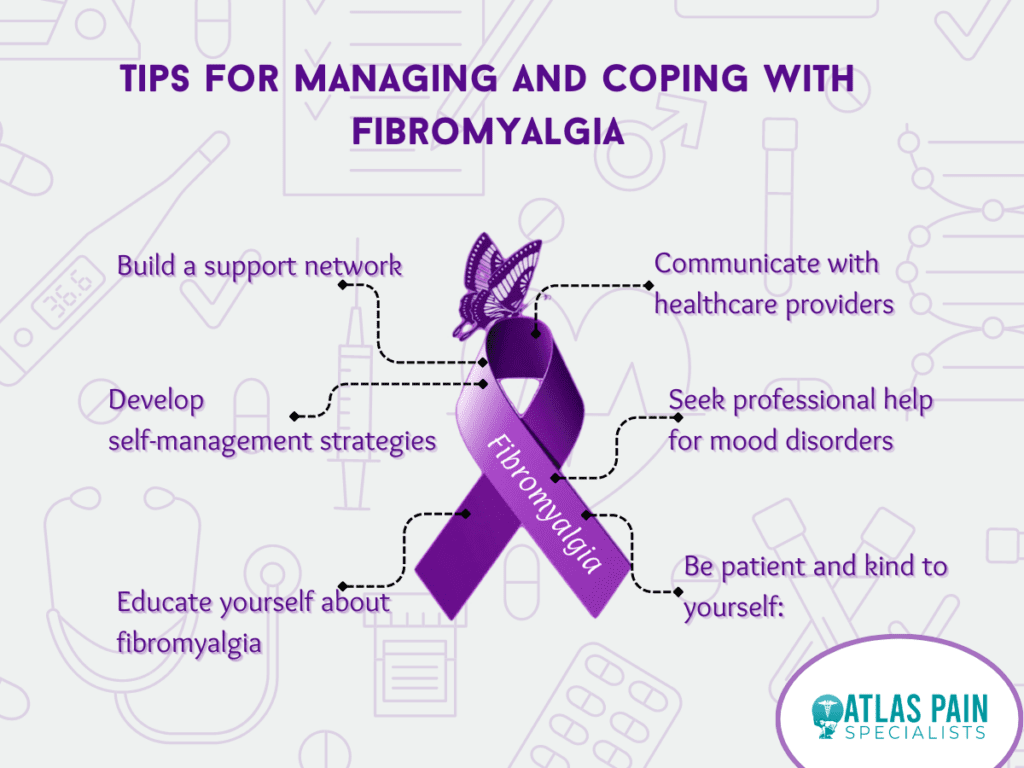
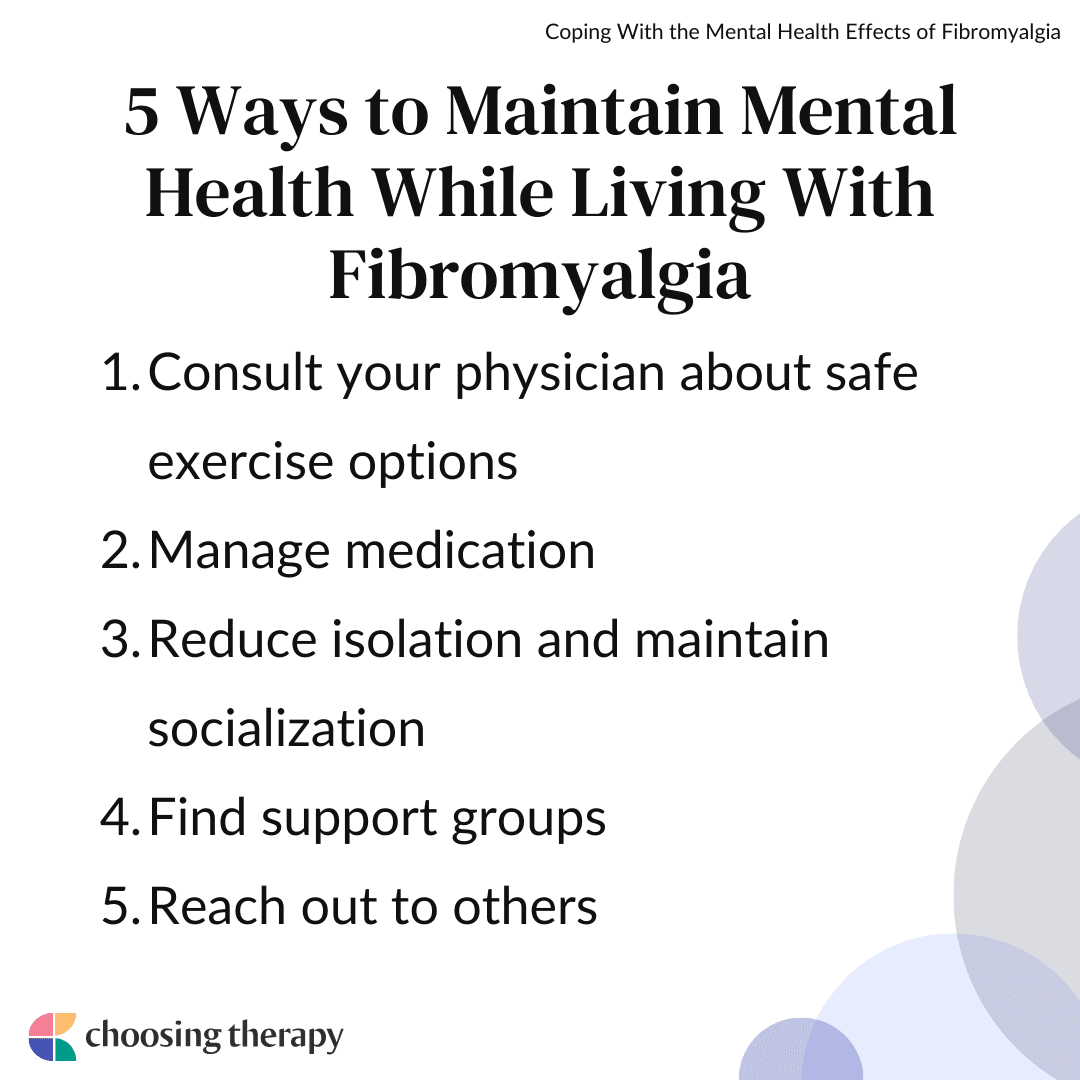
Educating yourself about fibromyalgia is crucial in learning how to manage your symptoms effectively. Joining a support group or seeking counseling can provide you with emotional support and practical advice from others who are also coping with fibromyalgia. Connecting with people who understand what you’re going through can make a significant difference in your overall well-being.
Stress Management
Stress can exacerbate the symptoms of fibromyalgia, so learning how to manage stress effectively is essential. Relaxation techniques such as deep breathing, meditation, yoga, and progressive muscle relaxation can help reduce stress levels and improve your overall quality of life. Finding healthy outlets for stress, such as exercise, hobbies, or spending time with loved ones, can also make a difference in how you cope with fibromyalgia.
Exercise
While it may be challenging to exercise when you’re dealing with chronic pain and fatigue, staying active is essential for managing fibromyalgia symptoms. Low-impact exercises such as walking, swimming, tai chi, and yoga can help improve muscle strength, flexibility, and endurance. Start slow and gradually increase your activity level to prevent injury and fatigue. Consult with a healthcare professional before starting any new exercise regimen to ensure it’s safe and appropriate for your condition.
Sleep Hygiene
Sleep disturbances are common in people with fibromyalgia, so establishing healthy sleep habits is crucial for managing your symptoms. Create a relaxing bedtime routine, ensure your sleep environment is comfortable and conducive to sleep, and avoid caffeine, electronics, and other stimulants before bedtime. If you continue to struggle with sleep, speak with your healthcare provider about treatment options such as sleep aids or cognitive-behavioral therapy for insomnia.
Lifestyle Changes for Fibromyalgia
In addition to coping strategies, making specific lifestyle changes can also help you manage your fibromyalgia symptoms more effectively. Here are some lifestyle changes to consider:
Nutrition
Eating a healthy, balanced diet is essential for managing fibromyalgia symptoms and overall well-being. Focus on whole, nutrient-dense foods such as fruits, vegetables, lean proteins, whole grains, and healthy fats. Avoid processed foods, sugary snacks, and excessive caffeine, as these can exacerbate inflammation and fatigue. Consider working with a registered dietitian to develop a personalized nutrition plan that meets your specific needs and lifestyle.
Weight Management
Maintaining a healthy weight is crucial for managing fibromyalgia symptoms, as excess weight can put added stress on your joints and muscles. If you’re overweight, losing even a small amount of weight can help reduce pain and improve your overall quality of life. Focus on gradual, sustainable weight loss through a combination of healthy eating and regular physical activity. Consult with a healthcare professional or nutritionist for guidance on how to achieve and maintain a healthy weight.
Smoking and Alcohol
Smoking and excessive alcohol consumption can worsen the symptoms of fibromyalgia and interfere with your treatment plan. Smoking can exacerbate inflammation and decrease blood flow to your muscles, while alcohol can disrupt your sleep patterns and increase fatigue. If you smoke or drink excessively, consider seeking support to quit these habits and improve your overall health and well-being.
Treatment Options for Fibromyalgia
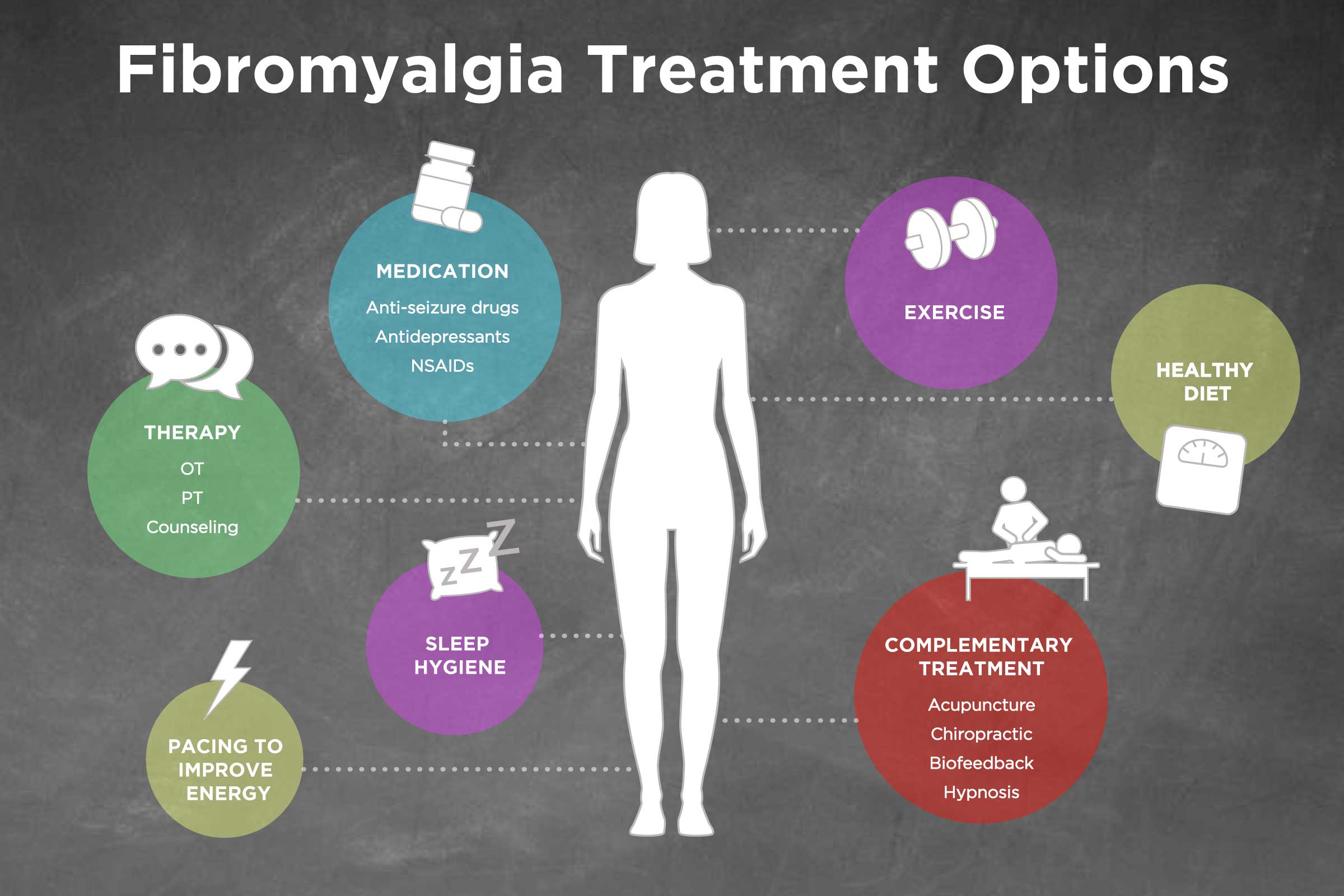
In addition to coping strategies and lifestyle changes, various treatment options are available to help manage fibromyalgia symptoms effectively. These treatment options may include medications, physical therapy, alternative therapies, and other interventions recommended by your healthcare provider. Here are some common treatment options for fibromyalgia to consider:
Medications
Medications can help manage pain, improve sleep, and reduce other symptoms of fibromyalgia. Common medications used to treat fibromyalgia include:
- Analgesics such as acetaminophen or NSAIDs
- Antidepressants such as duloxetine or amitriptyline
- Anticonvulsants such as gabapentin or pregabalin
- Muscle relaxants such as cyclobenzaprine or tizanidine
It’s essential to work closely with your healthcare provider to find the right combination of medications that work best for your symptoms and overall health. Be sure to follow your healthcare provider’s recommendations and report any side effects or concerns promptly.
Physical Therapy
Physical therapy can help improve flexibility, strength, and mobility in people with fibromyalgia. A physical therapist can develop a personalized exercise plan that addresses your specific needs and symptoms, helping you improve your function and quality of life. Regular physical therapy sessions can also help you learn proper body mechanics and techniques for managing pain and fatigue effectively.
Alternative Therapies
In addition to conventional treatments, several alternative therapies can help manage fibromyalgia symptoms and improve your overall well-being. Some popular alternative therapies for fibromyalgia include:
- Acupuncture
- Massage therapy
- Chiropractic care
- Mind-body practices such as mindfulness, meditation, and guided imagery
While alternative therapies may not work for everyone, many people find relief from their fibromyalgia symptoms through these complementary approaches. Consult with your healthcare provider to determine which alternative therapies may be beneficial for your specific needs and symptoms.

Conclusion
Coping with fibromyalgia can be challenging, but with the right strategies and support, you can manage your symptoms effectively and improve your quality of life. By understanding your symptoms, implementing coping strategies, making lifestyle changes, and exploring treatment options, you can take control of your fibromyalgia and live a fulfilling life despite the challenges. Remember to work closely with your healthcare provider, stay informed about your condition, and prioritize self-care to effectively cope with fibromyalgia and thrive in your daily life.