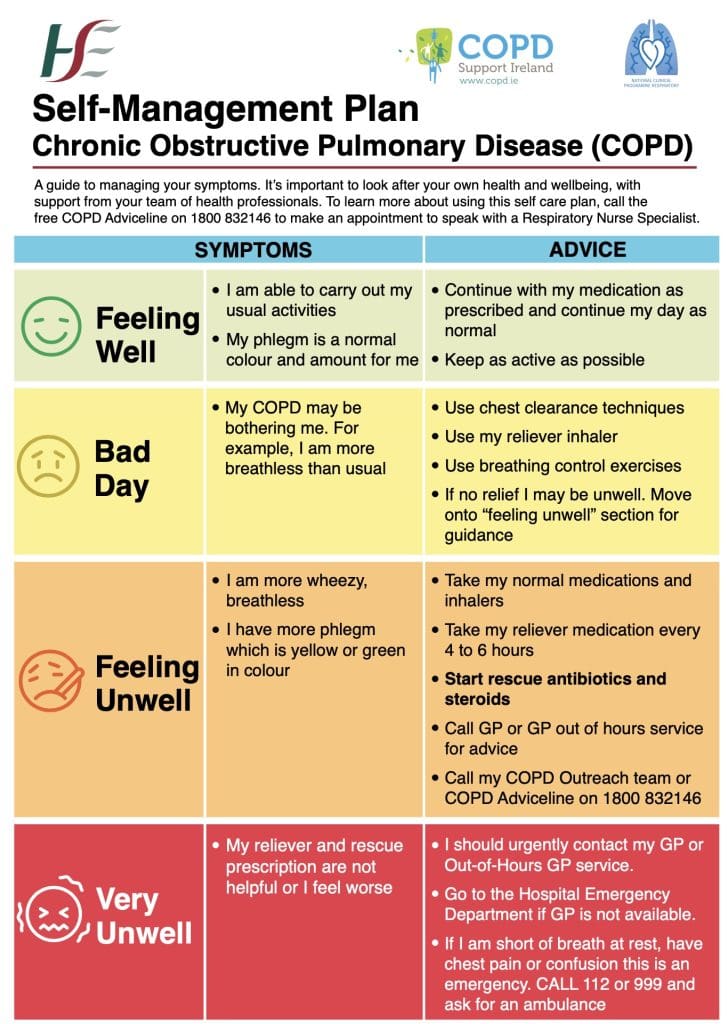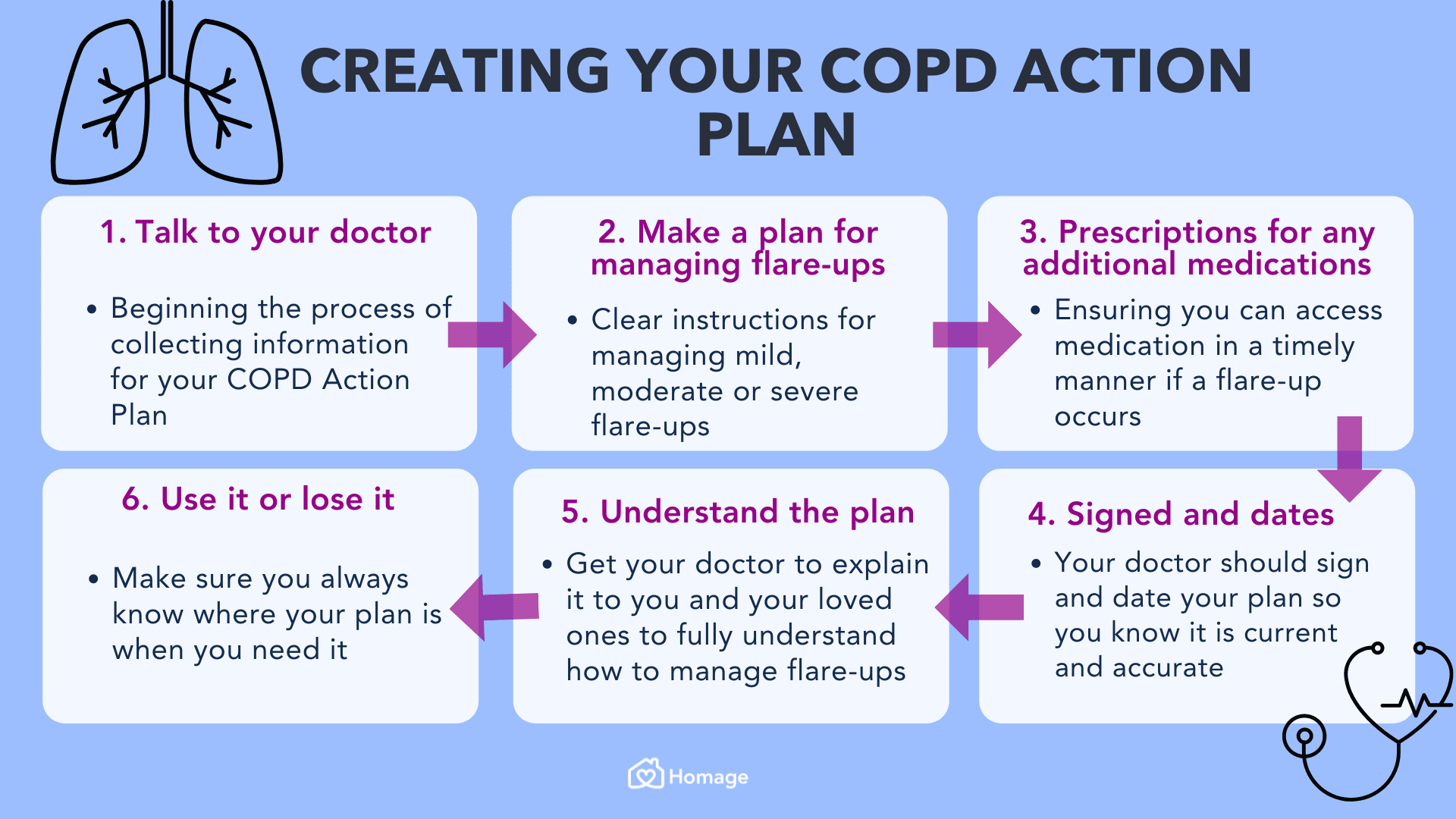
Living with COPD can be challenging, but there are effective ways to manage its symptoms and improve your quality of life. From implementing lifestyle changes to exploring various treatment options, this article will guide you through the key strategies that can help you alleviate the impact of COPD on your daily activities. Whether it’s adopting a healthy diet, engaging in regular physical activity, or seeking medical advice, you will find practical tips and information to empower you in managing COPD symptoms efficiently.
1. Lifestyle Changes
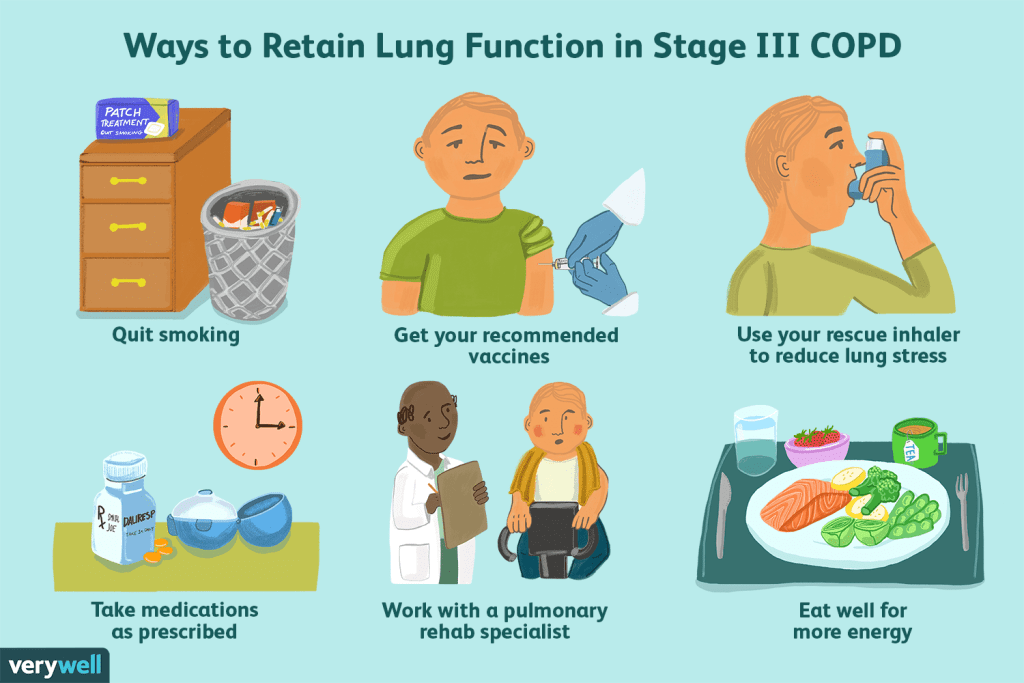
Living with COPD (Chronic Obstructive Pulmonary Disease) can be challenging, but making certain lifestyle changes can help manage your symptoms and improve your overall quality of life. Here are some essential lifestyle changes you can incorporate into your daily routine:
1.1. Quit Smoking
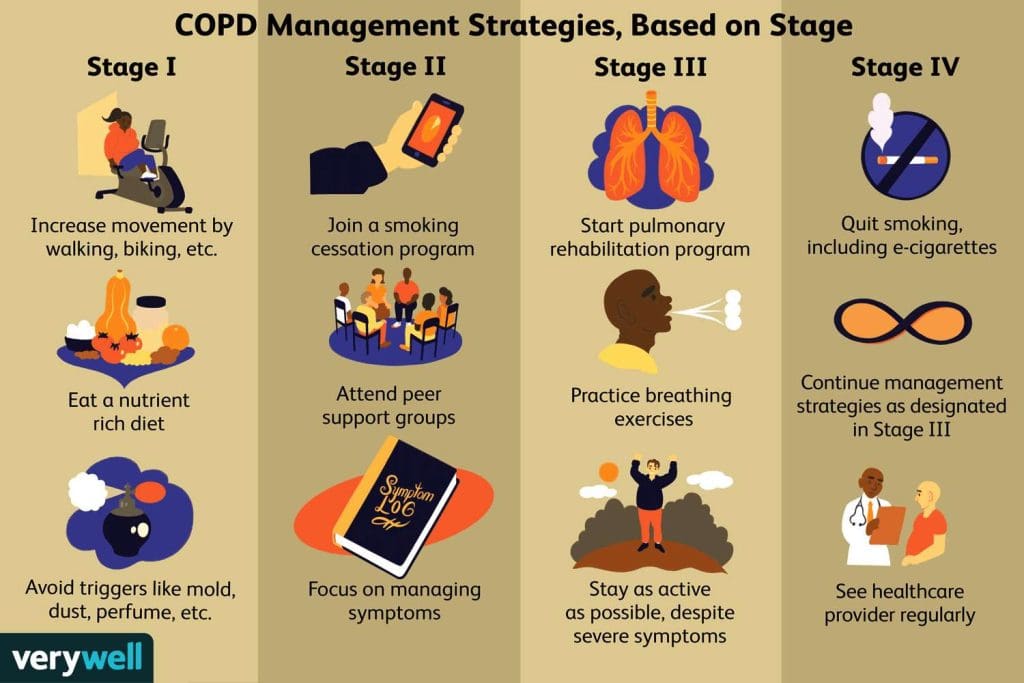
Smoking is one of the most significant risk factors for COPD, and quitting smoking is the single most important step you can take to manage your symptoms effectively. By quitting smoking, you can slow down the progression of the disease, improve your lung function, and reduce the frequency and severity of flare-ups. Seek support from healthcare professionals, join a smoking cessation program, use nicotine replacement therapies, and also consider engaging in activities or hobbies that help distract you from cravings.
1.2. Exercise Regularly
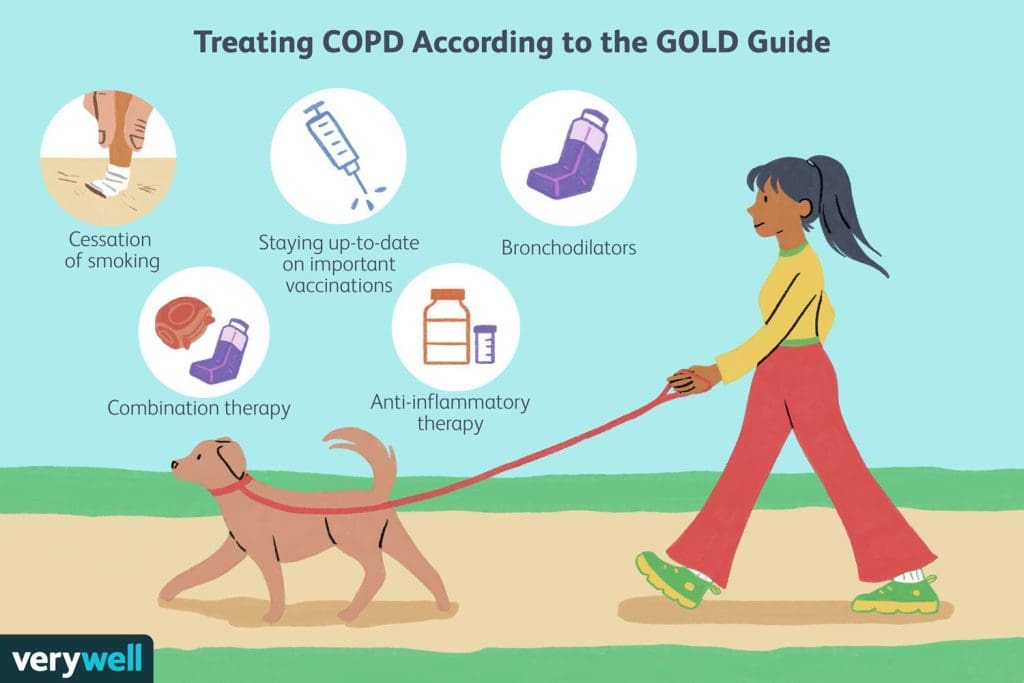
Regular exercise is crucial for managing COPD. Engaging in physical activities can improve your lung capacity, strengthen your respiratory muscles, and enhance your overall endurance. Start with low-impact exercises like walking, swimming, or cycling, and gradually increase the intensity as your fitness levels improve. Consult with your healthcare provider before starting any exercise routine, as they can provide guidance on the most suitable activities for your condition.
1.3. Maintain a Healthy Diet
Eating a well-balanced, nutritious diet can provide your body with the necessary vitamins and minerals to support your immune system and overall health. Focus on incorporating plenty of fruits, vegetables, whole grains, lean proteins, and healthy fats into your meals. Avoid processed foods, excessive salt intake, and sugary beverages. Adequate hydration is also crucial, so make sure to drink enough water throughout the day.
2. Medications
Medications play a vital role in managing COPD symptoms and preventing exacerbations. Your healthcare provider may prescribe different types of medications based on the severity of your condition. Here are some commonly used medications for COPD:
2.1. Bronchodilators
Bronchodilators are medications that help relax and widen the airways, making it easier to breathe. There are two main types of bronchodilators: short-acting and long-acting. Short-acting bronchodilators provide immediate relief during flare-ups, while long-acting bronchodilators provide long-term control and are taken regularly to prevent symptoms.
2.2. Corticosteroids
Corticosteroids are anti-inflammatory medications that can help reduce airway inflammation and swelling. They are often prescribed in combination with bronchodilators for people with more severe COPD symptoms. Corticosteroids can be taken orally, inhaled, or injected, depending on the severity of the symptoms and the individual’s specific needs.
2.3. Antibiotics
Antibiotics may be prescribed for people with COPD who develop respiratory infections, such as bronchitis or pneumonia. These infections can worsen COPD symptoms and lead to exacerbations. Antibiotics help fight bacterial infections and prevent further complications. It’s essential to take antibiotics as prescribed and complete the full course of treatment.
3. Breathing Techniques
Practicing specific breathing techniques can help improve your lung function, reduce dyspnea (shortness of breath), and promote relaxation. Here are three breathing techniques that can be beneficial for managing COPD symptoms:
3.1. Pursed-lip Breathing
Pursed-lip breathing involves breathing in slowly through your nose and breathing out gently through pursed lips, as if you are blowing out a candle. This technique helps to regulate your breathing, improve oxygen exchange, and reduce the feeling of breathlessness.
3.2. Diaphragmatic Breathing
Diaphragmatic breathing, also known as belly or abdominal breathing, involves using your diaphragm to take deep breaths. To practice diaphragmatic breathing, place one hand on your belly and inhale deeply through your nose, allowing your belly to rise. Exhale slowly through your mouth, letting your belly fall as you push the air out. This technique can help improve lung capacity and decrease the work of breathing.
3.3. Huff Coughing
Huff coughing is a technique used to clear mucus from the airways. Take a deep breath in through your nose, then breathe out forcefully through your mouth while saying “huff.” This technique creates an airflow that can help move mucus up and out of the airways, making it easier to clear your lungs.
4. Pulmonary Rehabilitation
Pulmonary rehabilitation is a comprehensive program designed to improve the overall quality of life for individuals with COPD. It focuses on exercise training, education and counseling, and nutritional counseling. Here’s an overview of the different components of pulmonary rehabilitation:
4.1. Exercise Training
Exercise training in pulmonary rehabilitation involves supervised physical activities tailored to your individual needs and abilities. It aims to improve your exercise capacity, muscle strength, and endurance. By participating in regular exercise sessions, you can improve your overall fitness and better manage day-to-day activities.
4.2. Education and Counseling
Education and counseling sessions in pulmonary rehabilitation provide valuable information about COPD, its management, and self-care strategies. You will learn about medication management, breathing techniques, symptom recognition, and how to prevent and manage exacerbations. Counseling can also help address any psychological or emotional challenges associated with COPD.
4.3. Nutritional Counseling
Good nutrition plays a vital role in managing COPD. In pulmonary rehabilitation, you may receive guidance from a registered dietitian who can help you develop a healthy eating plan that supports your specific needs. They can provide tips on maintaining a healthy weight, managing nutritional deficiencies, and avoiding foods that may trigger COPD symptoms.
5. Air Quality Control
Maintaining good air quality in your surroundings is crucial for managing COPD symptoms and preventing exacerbations. Here are some steps you can take to control the air quality:
5.1. Avoid Exposure to Smoke
Smoke, including cigarette smoke and secondhand smoke, can significantly worsen COPD symptoms. Avoid smoking and stay away from areas where smoking is allowed. If possible, ask others not to smoke near you or in your home.
5.2. Use Air Purifiers
Air purifiers can help filter out harmful particles and pollutants from the air, improving indoor air quality. Consider using air purifiers in your home, especially in rooms where you spend the most time. Ensure that the air purifier’s filters are regularly cleaned or replaced as per the manufacturer’s instructions.
5.3. Maintain a Clean Environment
Regularly clean your living space to remove dust, pet dander, and other allergens that may trigger COPD symptoms. Vacuum carpets, upholstery, and curtains regularly. Dust surfaces with a damp cloth to minimize the dispersion of allergens into the air. Keep windows closed on high-pollution or high-allergen days.
6. Managing Stress
Stress can exacerbate COPD symptoms and make it more challenging to manage the condition effectively. Implementing stress management techniques can help you cope better and improve your overall well-being. Here are some strategies to manage stress:
6.1. Practice Relaxation Techniques
Engaging in relaxation techniques, such as deep breathing exercises, meditation, yoga, or tai chi, can help calm the mind and reduce stress levels. Find activities that you enjoy and that promote relaxation for you. Regular practice can help you better manage stress and improve your mental and emotional health.
6.2. Seek Support from Loved Ones
Building a strong support system is crucial for managing COPD. Lean on your loved ones for emotional support, understanding, and encouragement. Share your concerns and feelings with them, as they can provide a listening ear and offer assistance when needed. Having a support network can make a significant difference in your coping mechanisms.
6.3. Join Support Groups
Consider joining support groups or COPD-specific organizations. Connecting with others who have experienced similar challenges can provide valuable insights, emotional support, and coping strategies. Support groups can also offer educational resources and opportunities to learn from experts in COPD management.
7. Vaccinations
Immunizations are essential for individuals with COPD to reduce the risk of respiratory infections and complications. Talk to your healthcare provider about the following vaccinations:
7.1. Influenza Vaccine
The flu can lead to severe respiratory infections for people with COPD. Annual influenza vaccination reduces the risk of contracting the flu and decreases the chances of developing complications associated with it.
7.2. Pneumococcal Vaccine
The pneumococcal vaccine protects against pneumococcal infections, which can cause pneumonia, bloodstream infections, meningitis, and other serious conditions. There are different types of pneumococcal vaccines, and your healthcare provider can recommend the most suitable option for you.
7.3. COVID-19 Vaccine
In the wake of the COVID-19 pandemic, individuals with COPD are considered at higher risk for severe illness if they contract the virus. It is essential to consult with your healthcare provider about the COVID-19 vaccine and follow the latest recommendations from health authorities.
8. Oxygen Therapy
In cases where blood oxygen levels are low, oxygen therapy may be prescribed to ensure adequate oxygen supply to the body and organs. There are different methods of oxygen delivery, including:
8.1. Use of Portable Oxygen Concentrators
Portable oxygen concentrators are lightweight devices that extract oxygen from the ambient air and provide it directly to the individual through a nasal cannula or face mask. They offer greater mobility and convenience, allowing individuals to carry out their daily activities while receiving supplemental oxygen.
8.2. Oxygen Tanks and Cylinders
Oxygen tanks and cylinders contain compressed oxygen that is delivered through a regulator and tubing system. These tanks need to be regularly refilled or replaced and can be bulky and less portable compared to portable oxygen concentrators. However, they are still a viable option for individuals who may require higher oxygen flow rates or for emergency situations.
8.3. Oxygen Conserving Devices
Oxygen conserving devices are designed to increase the efficiency of oxygen delivery, thereby reducing the amount of oxygen used. These devices deliver oxygen only during inhalation, helping to conserve oxygen, extend the duration of oxygen supply, and increase mobility.
9. Avoiding Triggers
Identifying and avoiding triggers that can worsen COPD symptoms is crucial for managing the condition effectively. Here are some common triggers to be aware of:
9.1. Identify and Avoid Allergens
Allergens such as pollen, mold, pet dander, and dust mites can trigger COPD symptoms and exacerbations. Take steps to identify potential allergens in your environment and take measures to minimize exposure, such as using allergy-proof covers on pillows and mattresses and keeping windows closed during high pollen seasons.
9.2. Limit Exposure to Cold Air
Cold air can irritate the airways and make breathing more difficult for individuals with COPD. During colder months, cover your mouth and nose with a scarf or face mask when going outside. If necessary, consider using a home humidifier to add moisture to the air, as dry air can also aggravate COPD symptoms.
9.3. Monitor Indoor Humidity Levels
High humidity levels can promote the growth of mold and other allergens. On the other hand, low humidity can dry out the airways and worsen COPD symptoms. Aim for a comfortable indoor humidity level between 30% and 50% and consider using a humidifier or dehumidifier to maintain optimal humidity in your home.
10. Regular Check-ups
Regular check-ups with your healthcare professional are crucial for monitoring your condition, evaluating treatment effectiveness, and making necessary adjustments. Here’s what you can expect during regular check-ups:
10.1. Consult with a Healthcare Professional
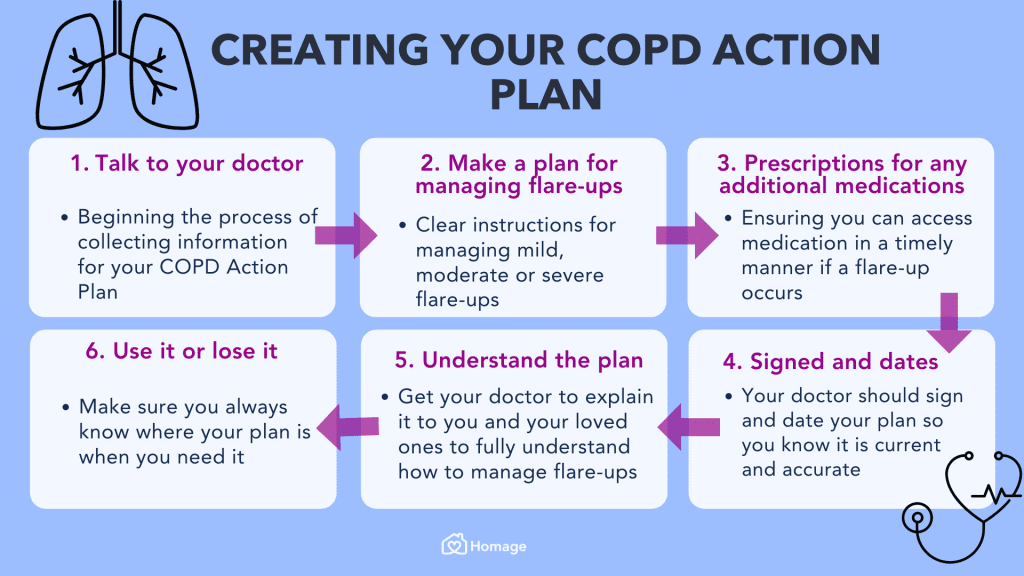
Schedule regular appointments with your healthcare provider to discuss any changes in symptoms, medication adjustments, and overall disease management. Maintain open communication and ask any questions you may have to ensure you fully understand your condition and treatment plan.
10.2. Monitor Lung Function
Lung function tests, such as spirometry, can help assess how well your lungs are functioning and measure how much air you can exhale forcefully after taking a deep breath. These tests can provide valuable information about disease progression and treatment efficacy.
10.3. Review Medication Plan
Regular check-ups provide an opportunity to review and update your medication plan. Your healthcare provider may make adjustments to your medication regimen based on your symptoms, lung function, and overall health status. Make sure to follow your medication plan as prescribed and discuss any concerns or side effects with your healthcare professional.
By implementing these strategies and making healthy lifestyle choices, you can effectively manage your COPD symptoms and improve your overall well-being. Remember to consult with your healthcare provider for personalized advice and guidance based on your individual needs and condition. With proper management, you can continue to lead a fulfilling and active life despite COPD.