
Imagine a world where you have the ability to heal not only your physical body but also your mind and spirit. A world where you can tap into the powerful energy within you and harness it to bring balance and harmony to every aspect of your life. This is the world of Reiki healing and energy balancing, a centuries-old practice that is gaining popularity for its profound and transformative effects. In this article, we will explore the incredible power of Reiki healing and energy balancing and discover how it can bring healing and restoration to your life. Get ready to embark on a fascinating journey of self-discovery and inner healing.
Understanding Reiki Healing
What is Reiki Healing?
Reiki healing is a gentle and non-invasive holistic practice that aims to promote physical, emotional, and spiritual well-being. It originated in Japan and is based on the concept of channeling universal life force energy through the hands of a trained practitioner. Reiki works by addressing energy imbalances within the body, promoting relaxation, and restoring harmony on all levels.
The Benefits of Reiki Healing
Reiki healing offers a multitude of benefits for individuals seeking a natural and holistic approach to wellness. It can help to reduce stress and anxiety, promote deep relaxation, encourage emotional healing, and enhance overall vitality and well-being. Reiki has also been found to support the body’s natural healing process and can be used as a complementary therapy for various health conditions. Many individuals who receive Reiki report feeling a sense of calm, clarity, and inner peace after a session.
The History of Reiki Healing
Reiki healing traces its roots back to the early 20th century in Japan, where it was first developed by Mikao Usui. Usui discovered the healing energy and techniques during a period of deep meditation and spiritual practice. He went on to teach Reiki to others, and the practice spread internationally in the decades that followed. Today, there are various styles and lineages of Reiki, each with its own unique approach and teachings. Despite these variations, the core principles and techniques of Reiki remain consistent.
The Principles of Reiki
The Five Reiki Principles
At the heart of Reiki healing are the five principles, also known as the Reiki principles or the Five Reiki Precepts. These principles serve as a guiding philosophy and are meant to cultivate a positive mindset and promote personal growth. They are:
- Just for today, I will not be angry.
- Just for today, I will not worry.
- Just for today, I will be grateful.
- Just for today, I will do my work honestly.
- Just for today, I will be kind to every living thing.
By incorporating these principles into daily life, individuals can foster mindfulness, compassion, and inner harmony.
The Importance of Intent
Intent plays a crucial role in Reiki healing. It is through the focused intention of the practitioner that the healing energy is channeled and directed towards the recipient. Intentions can vary depending on the individual’s needs, but the overarching goal is always to promote healing, balance, and well-being. The practitioner must cultivate a clear and positive intention, aligning their energy with the universal life force energy to facilitate the healing process.
The Role of Attunements
In Reiki, attunements are a vital aspect of the practice. Attunements are energetic initiations or ceremonies performed by a Reiki Master to connect the individual to the Reiki energy and enable them to become a channel for its flow. Attunements are typically conducted in a one-on-one setting and involve specific rituals and symbols that enhance the individual’s ability to access and work with Reiki energy. Attunements are considered a sacred and transformative experience, marking the practitioner’s initiation into the world of Reiki healing.
How Reiki Works
The Concept of Energy
At the core of Reiki healing is the understanding that everything is made up of energy. This energy, known as life force energy or ki in Japanese, flows through all living beings, including humans, animals, and plants. When this energy becomes imbalanced or blocked, it can lead to physical, emotional, and spiritual ailments. Reiki works by clearing these blockages and restoring the healthy flow of energy, promoting healing and well-being.
The Chakra System
The chakra system is an integral part of Reiki healing. Chakras are energy centers located throughout the body, and each chakra is associated with specific physical, emotional, and spiritual aspects of our being. By working with the chakras, Reiki practitioners can identify and address energy imbalances, allowing the life force energy to flow freely. This helps to restore harmony and balance on all levels of existence.
The Flow of Reiki Energy
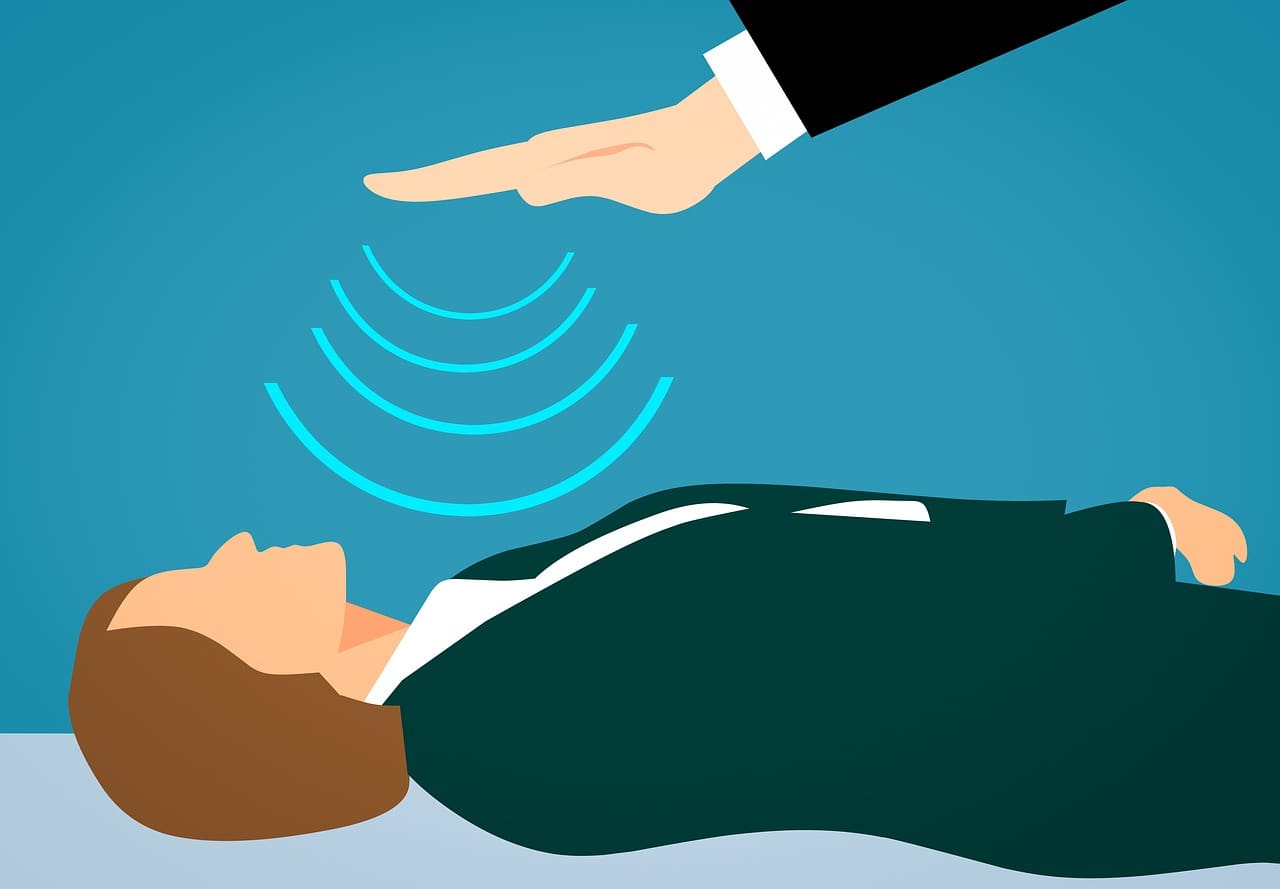
During a Reiki session, the practitioner serves as a conduit for the universal life force energy to flow through their hands and into the recipient’s body. The energy is intelligent and knows where it needs to go, addressing imbalances and blockages within the energy system. The recipient’s body then draws in this healing energy and uses it to promote self-healing, relaxation, and overall well-being.
The Power of Intention
Intention is a powerful force in Reiki healing. The practitioner’s intention acts as a direct channel for the healing energy, guiding it to where it is needed most. Intentions can be specific, such as focusing on the physical healing of a particular ailment, or general, promoting overall well-being and balance. By aligning their intention with the universal life force energy, Reiki practitioners can amplify the healing effects of the treatment.
The Reiki Treatment Process
The Role of the Practitioner
In a Reiki session, the role of the practitioner is to facilitate the healing process and create a safe and nurturing environment for the recipient. The practitioner may begin by discussing any specific concerns or intentions the recipient may have. Throughout the session, the practitioner will use their hands to provide gentle touch or hold their hands slightly above the body, allowing the Reiki energy to flow to the recipient. The practitioner acts as a compassionate guide, supporting the recipient’s journey towards healing and well-being.
The Initial Assessment
Before a Reiki treatment, it is common for the practitioner to conduct an initial assessment. This assessment may involve discussing the recipient’s medical history, lifestyle, and any specific concerns or goals they may have. The assessment helps the practitioner tailor the Reiki session to the individual’s unique needs, ensuring a personalized and effective treatment.
The Reiki Hand Positions
During a Reiki session, the practitioner will use specific hand positions to channel the healing energy. These hand positions are typically placed over specific areas of the body, including the head, shoulders, chest, abdomen, and limbs. The hand positions ensure that the energy is directed towards the major energy centers and organs, promoting balance and healing within the recipient.
The Benefits of a Reiki Session
Reiki sessions provide numerous benefits to recipients. The gentle and nurturing touch, combined with the healing energy, promotes deep relaxation, stress reduction, and emotional healing. Reiki can help to alleviate physical pain, boost the immune system, and support the body’s natural healing abilities. Many individuals also report increased clarity, mental focus, and a renewed sense of purpose after a Reiki session. Overall, Reiki offers a holistic approach to healing and well-being, addressing the mind, body, and spirit.
Energy Balancing Techniques
The Role of Energy Balancing
Energy balancing techniques play a crucial role in Reiki and holistic wellness. These techniques aim to restore the harmonious flow of energy within the body, addressing any imbalances or blockages that may be causing physical, emotional, or spiritual dis-ease. Through energy balancing, individuals can achieve a state of optimal well-being, promoting vitality, clarity, and inner peace.
The Use of Crystals
Crystals are widely used in energy balancing practices, including Reiki. Each crystal has unique energetic properties that can enhance the healing process and support the flow of energy. Practitioners may place crystals on or around the recipient’s body during a Reiki session to amplify the healing energy and promote balance. Crystals can also be used for personal healing and meditation, allowing individuals to tap into their inner wisdom and intuition.
The Benefits of Sound Therapy
Sound therapy is another powerful tool for energy balancing. The vibrational frequencies produced by various instruments, such as tuning forks, singing bowls, or drums, can help to clear energetic blockages and promote a state of deep relaxation. Sound therapy can enhance the effects of a Reiki session, supporting the body’s natural healing abilities and promoting a sense of peace and harmony.
The Power of Meditation
Meditation is an essential practice in energy balancing and personal growth. By quieting the mind and turning inward, individuals can connect with their inner selves and tap into the universal life force energy. Regular meditation helps to cultivate mindfulness, increase self-awareness, and enhance the ability to channel and work with Reiki energy. Meditation can be practiced alongside Reiki or as a standalone practice, offering profound benefits for overall well-being.
Different Styles of Reiki
Usui Reiki
Usui Reiki is the traditional and most well-known style of Reiki. It is named after its founder, Mikao Usui, and emphasizes self-healing, personal growth, and spiritual development. Usui Reiki practitioners undergo a series of attunements to connect with the Reiki energy and learn specific hand positions and symbols for healing.
Karuna Reiki
Karuna Reiki is an advanced form of Reiki that focuses on compassion and deep healing. Karuna means “compassionate action,” and this style of Reiki aims to heal the deeper layers of emotional wounds and promote spiritual growth. Karuna Reiki practitioners work with additional symbols and attunements to access the high-frequency healing energy.
Tera Mai Reiki
Tera Mai Reiki is a style of Reiki that combines traditional Usui Reiki with additional elements such as Seichem and Sakara energies. Tera Mai translates to “great earth mother,” emphasizing the connection to the earth and the grounding effects of this particular style. Tera Mai Reiki practitioners utilize a series of attunements to access and work with the combined energies.
Seichim Reiki
Seichim Reiki is a style of Reiki that incorporates ancient Egyptian healing techniques. It focuses on balancing the masculine and feminine energies within the body to promote overall harmony and well-being. Seichim Reiki practitioners learn specific hand positions and symbols to access the transformative energy and facilitate healing.
Reiki and Emotional Healing
The Mind-Body Connection
The mind-body connection is a central aspect of Reiki and emotional healing. Studies have shown that emotional stress and trauma can manifest as physical ailments or imbalances within the body. Reiki works by addressing these energetic imbalances, promoting deep relaxation, and helping individuals release emotional blockages. By addressing the underlying emotional causes of dis-ease, Reiki supports holistic healing and emotional well-being.
Releasing Emotional Blockages
Reiki provides a safe and supportive space for individuals to release emotional blockages. The healing energy helps to clear stagnant energy and release stored emotions, allowing individuals to process and move through past traumas or emotional wounds. This release can lead to profound emotional healing, increased self-awareness, and a greater sense of inner peace and balance.
The Role of Reiki in Trauma Healing
Reiki can play a valuable role in trauma healing by supporting individuals in their journey towards healing and recovery. Trauma can disrupt the energy flow within the body, leading to a range of physical, emotional, and psychological symptoms. Reiki works gently and non-invasively to restore balance, release trapped emotions, and promote healing on all levels. Many trauma survivors find Reiki to be a gentle and effective tool for addressing the complex effects of trauma and fostering emotional resilience.
Reiki and Physical Healing
Stimulating the Body’s Natural Healing Abilities
Reiki is known for its ability to stimulate the body’s natural healing abilities. By clearing energetic blockages and promoting the healthy flow of life force energy, Reiki supports the body’s innate ability to heal itself. The healing energy can enhance the immune system, speed up recovery from injuries or surgeries, and support overall physical well-being.
Pain Relief and Management
Reiki has been found to be effective in relieving physical pain and promoting pain management. The gentle and non-invasive nature of Reiki makes it a suitable option for individuals experiencing chronic pain, postoperative discomfort, or general discomfort. By promoting relaxation, reducing stress, and addressing energetic imbalances, Reiki can help to alleviate pain and enhance the body’s natural pain relief mechanisms.
The Role of Reiki in Chronic Illness
Reiki can serve as a supportive therapy for individuals living with chronic illnesses. Chronic illnesses often involve complex physical, emotional, and energetic imbalances. Reiki can help individuals manage symptoms, reduce stress, and support overall well-being. While Reiki is not a substitute for medical treatment, it can provide valuable support and enhance the individual’s quality of life.
Reiki and Spiritual Growth
Connecting with Higher Consciousness
Reiki offers a pathway for individuals to connect with higher consciousness and tap into their spiritual nature. The healing energy of Reiki can deepen spiritual awareness and facilitate a sense of connection with something greater than oneself. Through regular practice and attunements, individuals may experience profound spiritual growth, expanded intuition, and a deeper connection to the divine.
Enhancing Intuition
Intuition is a powerful tool for personal growth and navigating life’s challenges. Reiki can enhance and develop one’s intuition, allowing individuals to access deeper insights and wisdom. By clearing energy blockages and promoting balance within the energetic system, Reiki helps individuals cultivate a greater sense of self-trust and intuition, facilitating personal growth and decision-making.
The Role of Reiki in Self-Discovery
Reiki can act as a valuable tool for self-discovery and self-exploration. The healing energy supports individuals in exploring their inner landscape and uncovering hidden aspects of themselves. Through Reiki, individuals may gain clarity on their life’s purpose, release limiting beliefs or patterns, and embark on a journey of self-empowerment and personal transformation.
Reiki as a Complementary Therapy
Integrating Reiki with Other Healing Modalities
Reiki works synergistically with other healing modalities and can be seamlessly integrated into various treatment plans. It can enhance the effectiveness of traditional medical treatments, counseling, psychotherapy, and other alternative healing practices. Reiki complements other therapies by promoting relaxation, reducing stress, and supporting the body’s natural healing abilities, creating a holistic approach to wellness.
The Supportive Role of Reiki
Reiki offers compassionate support for individuals on their healing journey. Whether used alongside conventional medicine or as a standalone therapy, Reiki provides emotional and energetic support during challenging times. It can help individuals cope with stress, trauma, loss, or life transitions, offering a safe and nurturing space for healing, self-reflection, and growth.
The Benefits of Reiki in Holistic Wellness
In the realm of holistic wellness, Reiki plays an integral role. Its ability to address the mind, body, and spirit makes it a valuable tool for promoting overall well-being. Reiki offers individuals a sense of calm, balance, and inner peace, helping them navigate life’s challenges with resilience and grace. The integration of Reiki into a holistic wellness routine can enhance physical, emotional, and spiritual health, supporting individuals in leading a balanced and fulfilling life.
In conclusion, Reiki healing and energy balancing are powerful practices that offer a multitude of benefits for individuals seeking holistic wellness. From promoting physical healing to supporting emotional well-being and enhancing spiritual growth, Reiki has become a cherished therapy in the realm of alternative medicine. Whether used as a standalone practice or integrated into other healing modalities, Reiki provides a gentle and nurturing space for individuals to heal, grow, and thrive on all levels.