
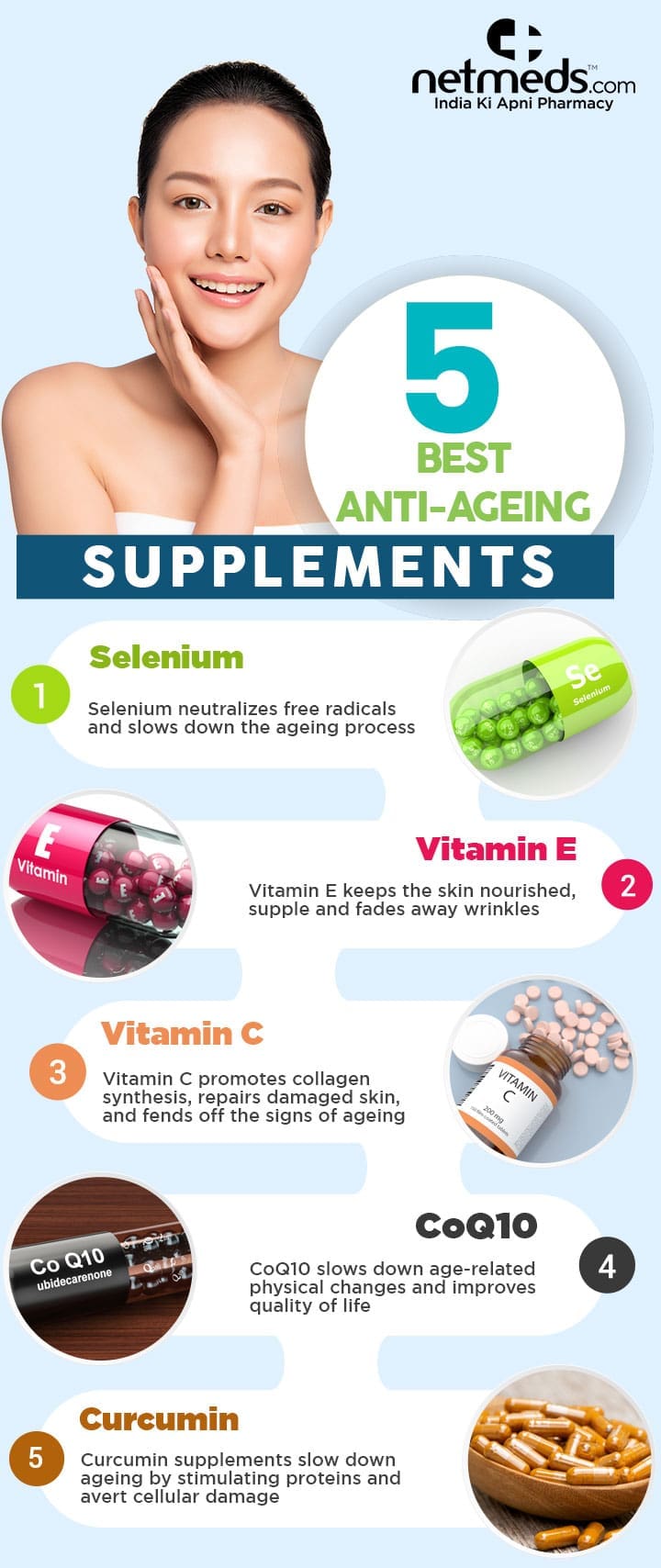
Are you looking for natural ways to combat the signs of aging and boost your overall health? Look no further than the power of nutrition! In this article, we will explore how the foods you eat can play a crucial role in fighting aging. From antioxidant-rich fruits and vegetables to omega-3 fatty acids found in fish, we will uncover the secrets to maintaining youthfulness and vitality through a well-balanced diet. So, grab a glass of water and get ready to discover the fountain of youth that lies within your kitchen!
Understanding Aging
Definition of Aging
Aging is a natural and inevitable process that occurs as your body undergoes various changes over time. It is characterized by a gradual decline in physical and cognitive functions, as well as an increased susceptibility to chronic diseases.
Causes of Aging
There are several factors that contribute to the aging process. One of the main causes is cellular damage, which occurs as a result of oxidative stress and the accumulation of free radicals in the body. Other factors include genetic predisposition, lifestyle choices, and environmental factors.
Effects of Aging
As you age, you may experience a range of effects on your body and overall health. Some common effects of aging include reduced muscle mass and strength, decreased bone density, impaired immune function, and diminished cognitive abilities. Aging can also lead to an increased risk of chronic diseases such as heart disease, diabetes, and neurodegenerative disorders.
The Importance of Nutrition in Fighting Aging
Role of Nutrition in Aging
Nutrition plays a crucial role in promoting healthy aging. By providing your body with the right nutrients, you can support optimal cellular function, reduce oxidative stress, and enhance your body’s ability to repair and regenerate cells. Proper nutrition also helps maintain a healthy immune system and supports cognitive function.
Link Between Diet and Aging
Scientific research has shown a clear link between diet and the aging process. A poor diet that is high in processed foods, saturated fats, and sugary drinks can accelerate cellular damage and increase inflammation in the body. On the other hand, a balanced and nutrient-rich diet can help slow down the aging process and reduce the risk of age-related diseases.
Nutrients That Promote Longevity
Certain nutrients have been found to have anti-aging properties and can help promote longevity. These include antioxidants, omega-3 fatty acids, vitamins, and minerals. Antioxidants help neutralize harmful free radicals, while omega-3 fatty acids support brain health and reduce inflammation. Vitamins and minerals play a crucial role in various bodily functions and support overall health.
Anti-Aging Nutrients
Antioxidants
Antioxidants are compounds that help protect your cells against the damage caused by free radicals. They can be found in a wide variety of foods, including berries, dark chocolate, green tea, and colorful fruits and vegetables. By incorporating these foods into your diet, you can boost your antioxidant intake and help combat the effects of aging.
Omega-3 Fatty Acids
Omega-3 fatty acids are essential fats that play a vital role in brain health and inflammation control. They can be found in fatty fish like salmon, mackerel, and sardines, as well as in flaxseeds, chia seeds, and walnuts. Including these sources of omega-3 fatty acids in your diet can help support healthy brain function and reduce the risk of age-related cognitive decline.
Vitamins and Minerals
Vitamins and minerals are micronutrients that are essential for overall health and well-being. Some of the key vitamins and minerals that promote healthy aging include vitamin C, vitamin E, vitamin D, calcium, and magnesium. These nutrients can be obtained from a variety of foods such as citrus fruits, leafy green vegetables, dairy products, and nuts and seeds.
Foods That Promote Longevity
Berries and Other Fruits
Berries, such as blueberries, strawberries, and raspberries, are rich in antioxidants and have been linked to a reduced risk of age-related decline in brain function. Other fruits, like oranges, apples, and grapes, are also packed with vitamins and minerals that support overall health and longevity.
Leafy Green Vegetables
Leafy green vegetables, such as spinach, kale, and Swiss chard, are nutritional powerhouses. They are loaded with vitamins, minerals, and antioxidants that help fight inflammation and protect against age-related diseases. Including these vegetables in your diet can support healthy aging and promote optimal health.
Fatty Fish
Fatty fish, such as salmon, trout, and tuna, are excellent sources of omega-3 fatty acids. These healthy fats have been shown to reduce the risk of heart disease, lower inflammation, and support brain health. Regular consumption of fatty fish can contribute to healthy aging and improve overall well-being.
Nuts and Seeds
Nuts and seeds, such as almonds, walnuts, flaxseeds, and chia seeds, are nutrient-dense foods that are rich in antioxidants, healthy fats, vitamins, and minerals. They provide various health benefits, including improved heart health, reduced inflammation, and enhanced brain function. Incorporating nuts and seeds into your diet can support healthy aging and help maintain optimal health.
Whole Grains
Whole grains, such as brown rice, quinoa, oats, and whole wheat, are high in fiber, vitamins, minerals, and antioxidants. They provide sustained energy, promote digestive health, and help maintain stable blood sugar levels. Including whole grains in your diet can support healthy aging and contribute to overall well-being.
The Mediterranean Diet
Overview of the Mediterranean Diet
The Mediterranean diet is a traditional eating pattern that emphasizes whole foods, including fruits, vegetables, whole grains, legumes, nuts, and seeds. It also includes moderate amounts of fish, poultry, dairy products, and red wine. The diet is low in processed foods, refined sugars, and saturated fats.
Benefits for Aging
The Mediterranean diet has been extensively studied for its numerous health benefits, particularly for promoting healthy aging. It has been associated with a reduced risk of heart disease, stroke, type 2 diabetes, and cognitive decline. The diet’s emphasis on whole foods and healthy fats provides the body with essential nutrients that support optimal health and longevity.
Recommended Foods and Food Groups
Following the Mediterranean diet involves consuming a variety of foods from different food groups. These include:
- Fruits and vegetables: Aim for at least five servings of fruits and vegetables per day.
- Whole grains: Include whole grain bread, pasta, rice, and oats in your meals.
- Legumes: Incorporate beans, lentils, and chickpeas into your diet regularly.
- Nuts and seeds: Consume a handful of nuts and seeds as a healthy snack or add them to your meals.
- Olive oil: Use olive oil as the primary source of fat in your cooking and salad dressings.
- Fish and poultry: Include fish like salmon, sardines, and tuna, as well as poultry, in your meals.
- Dairy products: Choose low-fat options, such as Greek yogurt and cheese, in moderation.
- Red wine: Enjoy a glass of red wine occasionally, if permitted and within recommended limits.
The Role of Caloric Restriction
Definition of Caloric Restriction
Caloric restriction refers to the practice of reducing calorie intake without sacrificing essential nutrients. It involves consuming fewer calories than your body needs to maintain its current weight. Caloric restriction is not about starvation or deprivation, but rather about making conscious choices to prioritize nutrient-dense foods and portion control.
Effects on Aging
Studies have shown that caloric restriction can have significant effects on the aging process. Restricting calorie intake while maintaining proper nutrition has been associated with improved metabolic health, reduced inflammation, enhanced cellular repair, and increased lifespan. It has also been linked to a lower risk of age-related diseases, such as cardiovascular disease and certain types of cancer.
Tips for Implementing Caloric Restriction
Implementing caloric restriction can be achieved by following a few essential tips:
- Choose nutrient-dense foods: Opt for foods that are rich in vitamins, minerals, and antioxidants to ensure you’re getting the necessary nutrients while consuming fewer calories.
- Practice portion control: Be mindful of your portion sizes, and try using smaller plates and bowls to help control your calorie intake.
- Pay attention to hunger and fullness cues: Eat slowly and listen to your body’s hunger and fullness signals to avoid overeating.
- Stay hydrated: Drink plenty of water throughout the day to help control hunger and support overall health.
- Seek professional guidance: If considering caloric restriction, it is advisable to consult with a healthcare professional or registered dietitian to ensure proper nutrient intake and overall well-being.
Intermittent Fasting and Aging
What is Intermittent Fasting?
Intermittent fasting is an eating pattern that cycles between periods of fasting and eating. It does not focus on what foods you eat but rather on when you eat them. There are different methods of intermittent fasting, including the 16/8 method, where you fast for 16 hours and have an 8-hour eating window, and the 5:2 method, where you eat normally for five days and restrict calorie intake for two non-consecutive days.
Benefits for Aging
Intermittent fasting has gained attention for its potential benefits for healthy aging. It has been shown to improve metabolic health, enhance cellular repair processes, and reduce inflammation. Intermittent fasting may also promote autophagy, a natural cellular process that helps remove damaged molecules and supports healthy aging.
Different Intermittent Fasting Methods
There are several intermittent fasting methods to choose from, depending on individual preferences and goals. Some popular methods include:
- 16/8 method: This involves fasting for 16 hours and limiting your eating window to 8 hours. Typically, this can be achieved by skipping breakfast and having your first meal later in the day.
- 5:2 method: With this approach, you eat normally for five days of the week and restrict calorie intake to around 500-600 calories for two non-consecutive days.
- Alternate-day fasting: This method involves alternating between normal eating days and fasting days, where you consume very few calories or no calories at all.
- Eat-stop-eat: With this method, you incorporate one or two 24-hour fasting periods into your week, during which you consume no calories.
It’s important to note that intermittent fasting may not be suitable for everyone, especially those with specific health conditions or nutritional needs. Consulting with a healthcare professional or registered dietitian is recommended before starting any new fasting regimen.
The Gut-Brain Connection and Aging
Overview of the Gut-Brain Connection
The gut-brain connection refers to the bidirectional communication between the gastrointestinal tract and the brain. The gut is home to trillions of microorganisms, collectively known as the gut microbiome, which play a crucial role in maintaining overall health and well-being. The gut-brain connection influences various aspects of physical and mental health, including digestion, mood, cognition, and immunity.
Effects of the Gut Microbiome on Aging
The composition and diversity of the gut microbiome can change with age, which may have implications for healthy aging. A healthy gut microbiome is associated with improved nutrient absorption, enhanced cognitive function, reduced inflammation, and strengthened immune function. On the other hand, an imbalance in the gut microbiome, known as dysbiosis, has been linked to increased susceptibility to age-related diseases and cognitive decline.
Nutrition Strategies for a Healthy Gut-Brain Connection
Maintaining a healthy gut-brain connection is crucial for healthy aging. Some nutrition strategies that support a healthy gut microbiome include:
- Consuming fiber-rich foods: Fiber acts as a prebiotic, nourishing the beneficial bacteria in your gut. Include fruits, vegetables, legumes, and whole grains in your diet to increase your fiber intake.
- Eating fermented foods: Fermented foods, such as yogurt, sauerkraut, and kimchi, are rich in probiotics, which are beneficial bacteria that promote a healthy gut microbiome.
- Limiting processed foods and added sugars: Processed foods and added sugars can disrupt the balance of gut bacteria. Aim to minimize your intake of these foods and opt for whole, unprocessed options instead.
- Managing stress: Chronic stress can negatively impact the gut microbiome. Engage in stress-reducing activities such as exercise, meditation, and mindfulness to support a healthy gut-brain connection.
- Avoiding unnecessary use of antibiotics: Antibiotics can disrupt the gut microbiome. Use antibiotics judiciously and only when necessary to minimize their impact on gut health.
Maintaining Bone Health
Importance of Bone Health in Aging
Maintaining strong and healthy bones is crucial as you age. Aging can lead to a loss of bone density, making you more susceptible to fractures and osteoporosis. Poor bone health can significantly impact your mobility and quality of life. Therefore, it is essential to prioritize bone health through proper nutrition and lifestyle choices.
Calcium and Vitamin D Requirements
Calcium and vitamin D are two key nutrients that play a vital role in bone health. Calcium is necessary for building and maintaining strong bones, while vitamin D helps with calcium absorption. The recommended daily intake of calcium for adults is around 1000-1200 milligrams, and the recommended daily intake of vitamin D is 800-1000 international units (IU).
Foods for Stronger Bones
Including bone-healthy foods in your diet can help support strong and healthy bones. Some foods that are rich in calcium and/or vitamin D include:
- Dairy products: Milk, yogurt, and cheese are excellent sources of calcium. Opt for low-fat or non-fat versions, if possible.
- Leafy green vegetables: Broccoli, kale, and spinach are packed with calcium and other bone-healthy nutrients.
- Fortified foods: Some foods, such as fortified plant-based milk, orange juice, and breakfast cereals, are enriched with both calcium and vitamin D.
- Fatty fish: Fish like salmon and sardines contain both calcium and vitamin D, making them great choices for bone health.
- Sunlight: Exposure to sunlight enables your body to produce vitamin D naturally. Spending time outdoors, especially during the sunnier months, can help maintain adequate vitamin D levels.
Lifestyle Factors for Healthy Aging
Exercise and Physical Activity
Engaging in regular exercise and physical activity is essential for healthy aging. It can help maintain muscle mass, improve bone density, boost cardiovascular health, and enhance cognitive function. Aim for at least 150 minutes of moderate-intensity aerobic activity or 75 minutes of vigorous-intensity aerobic activity per week. Additionally, incorporate strength training exercises at least twice a week to further support muscle and bone health.
Stress Management
Stress can have detrimental effects on your overall health and accelerate the aging process. Incorporating stress management techniques into your daily routine can help promote healthy aging. Practices such as meditation, deep breathing exercises, yoga, and spending time in nature can help reduce stress levels, improve mental well-being, and support overall health.
Quality Sleep
Getting adequate and quality sleep is crucial for healthy aging. During sleep, your body repairs and regenerates cells, optimizes brain function, and supports immune health. Aim for 7-9 hours of quality sleep each night by establishing a bedtime routine, creating a calm sleep environment, limiting caffeine intake, and avoiding electronic devices before bed.
In conclusion, understanding the aging process and its effects on the body is essential in order to adopt strategies that promote healthy aging. Nutrition plays a vital role in fighting aging, and incorporating anti-aging nutrients into your diet can have significant benefits. The Mediterranean diet, rich in whole foods and healthy fats, has been associated with numerous health benefits and is particularly beneficial for aging. Exploring caloric restriction and intermittent fasting, under professional guidance, may also provide additional anti-aging benefits. Furthermore, maintaining a healthy gut-brain connection, prioritizing bone health, and adopting lifestyle factors such as regular exercise, stress management, and quality sleep are all key for healthy aging. By taking care of your body through proper nutrition and lifestyle choices, you can age gracefully and enjoy a healthy and vibrant life.