
As you journey through the process of aging, it’s important to be prepared for the potential challenges that may arise, particularly when it comes to your vision and hearing. Navigating the effects of vision and hearing loss can be daunting, but with the right knowledge and resources, you can maintain a healthy and fulfilling lifestyle. In this article, we will explore the various obstacles that may come with age-related vision and hearing loss, as well as provide strategies and tips to help you overcome them. So, let us embark on this journey together and discover how to thrive in the face of these challenges for a healthier and happier aging experience.
Understanding the Impact of Vision and Hearing Loss on Aging
As we age, it is common to experience changes in our vision and hearing. These changes can have a significant impact on our daily lives and overall well-being. Understanding the statistics behind vision and hearing loss in the aging population, as well as the common causes, is essential in navigating these challenges.
Statistics on vision and hearing loss in aging population
According to the World Health Organization (WHO), approximately 285 million people worldwide are visually impaired, and around 466 million people experience disabling hearing loss. These numbers are expected to increase significantly as the global population continues to age. In fact, the prevalence of both visual and hearing impairments doubles with every decade of life after the age of 40.
Common causes of vision and hearing loss in older adults
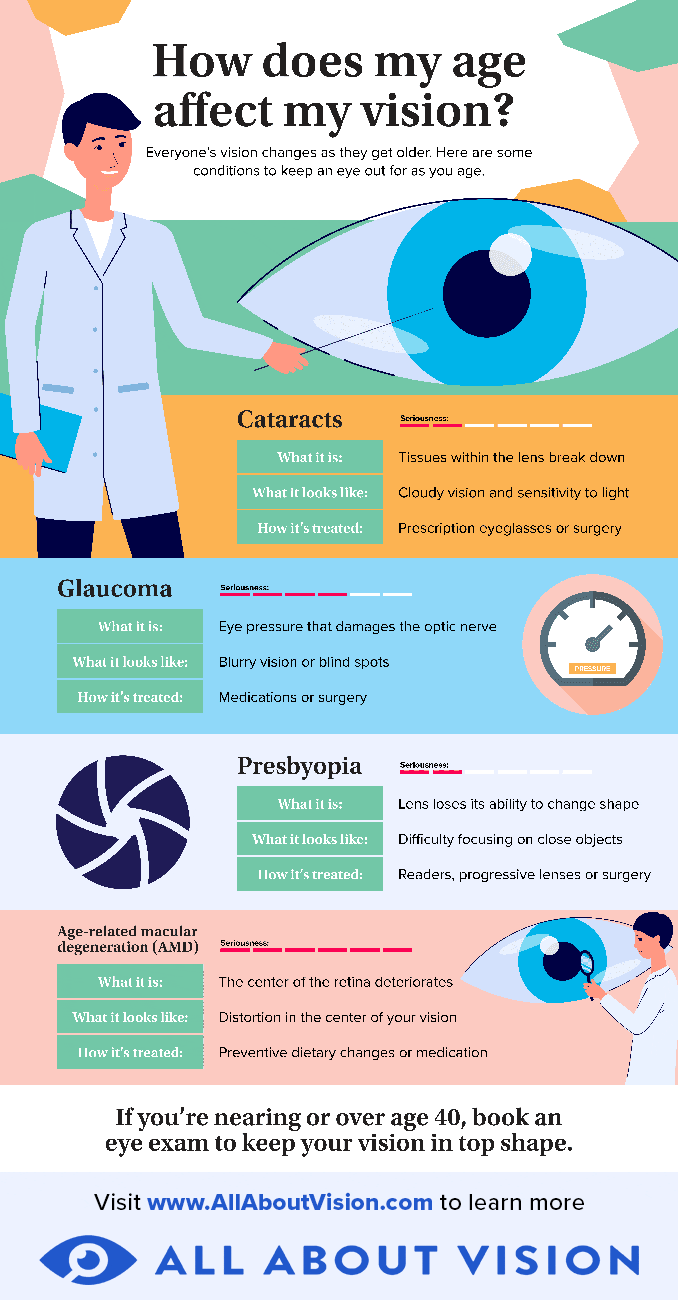
Age-related changes in vision and hearing can be caused by a variety of factors. For vision loss, the most common culprits include cataracts, age-related macular degeneration (AMD), glaucoma, and diabetic retinopathy. Hearing loss, on the other hand, is often attributed to the natural aging process known as presbycusis, exposure to loud noises over time, certain medications, and underlying health conditions.
The effects of vision and hearing loss on daily life
When vision or hearing loss occurs, the effects on daily life can be profound. Vision loss can impact independence and mobility, making activities such as driving, reading, and recognizing people and objects more challenging. It can also lead to a higher risk of falls and accidents. Hearing loss, on the other hand, can disrupt communication, making it difficult to engage in conversations, follow instructions, or enjoy social activities. Both vision and hearing loss can also have emotional consequences, affecting mental health and overall quality of life.
The Physical and Emotional Challenges of Age-Related Vision Loss
Age-related vision loss can encompass various types and can present unique challenges to individuals as they navigate their daily lives. Understanding these challenges is crucial in providing appropriate support and guidance to those experiencing vision loss.
Types of age-related vision loss
Some common types of age-related vision loss include cataracts, which can result in cloudy or blurred vision, and age-related macular degeneration (AMD), which affects the central area of the retina, causing a loss of central vision. Glaucoma, a condition characterized by increased pressure in the eye, can also lead to vision loss, as can diabetic retinopathy, a complication of diabetes that affects the blood vessels in the retina.
The impact of vision loss on independence and mobility
Vision loss can significantly impact an individual’s ability to live independently and move safely. Tasks such as driving, reading, cooking, and identifying objects become challenging or even impossible. Mobility may also be compromised, leading to a fear of falling or navigating unfamiliar environments. The loss of independence and reduced ability to engage in daily activities can have profound effects on self-esteem and overall well-being.
Emotional consequences and mental health implications
Experiencing vision loss can be emotionally challenging and may lead to feelings of frustration, sadness, or isolation. It can cause a disruption in one’s identity and self-perception, as well as a loss of autonomy. Depression and anxiety are also common in individuals with vision loss, as the condition may limit their participation in social and recreational activities. It is vital to address and support the emotional well-being of those navigating age-related vision loss.
Adapting to Vision Loss: Strategies and Resources
While vision loss can present numerous challenges, there are strategies, resources, and assistive technologies available to empower individuals and help enhance their independence and quality of life.
Assistive devices and technologies for visually impaired individuals
A wide range of assistive devices and technologies can aid visually impaired individuals in their daily lives. These include magnifiers, both handheld and electronic, to assist with reading and viewing distant objects. Screen readers and text-to-speech software can enable the use of computers and smartphones, while braille displays and devices can facilitate reading and writing. Additionally, specialized lighting and contrast enhancements can improve visibility in various settings.
Accessible home modifications and environmental adaptations
Modifying the home environment is essential in ensuring the safety and accessibility of visually impaired individuals. Simple changes, such as adding handrails or grab bars, can help prevent falls. Installing bright and glare-free lighting, using color contrast for clarity, and organizing items in a consistent and labeled manner can significantly enhance navigation and independence within the home.
Support services and resources for those with vision loss
Numerous support services and resources are available to individuals with vision loss. These include orientation and mobility training to learn techniques for safe and independent travel. Rehabilitation programs offer guidance on adapting to vision loss and developing new skills, such as braille literacy. Vision rehabilitation therapists can provide personalized guidance on maximizing functional vision. Additionally, support groups and online communities offer emotional support and opportunities for connecting with others experiencing similar challenges.
Maintaining Healthy Eyesight as You Age
While age-related vision changes are inevitable, there are steps individuals can take to promote healthy eyesight and reduce the risk of vision problems and deterioration.
Importance of regular eye exams and vision screenings
Regular eye exams play a vital role in maintaining healthy eyesight and preventing vision loss. Comprehensive eye exams can detect early signs of eye conditions, enabling prompt treatment and management. Vision screenings conducted by healthcare professionals or optometrists can help identify potential issues, allowing for proactive intervention.
Signs and symptoms of common eye conditions in older adults
Being aware of the signs and symptoms of common eye conditions can help individuals recognize potential problems and seek timely medical attention. Some warning signs include blurred or distorted vision, difficulty seeing in low light, frequent changes in eyeglass or contact lens prescription, eye pain or redness, and the presence of floaters or flashes of light. Any sudden or concerning changes in vision should be evaluated promptly.
Tips for preventing age-related eye problems
Implementing healthy lifestyle habits can aid in maintaining good eye health. These include eating a balanced diet rich in fruits and vegetables, specifically those high in antioxidants and vitamins A, C, and E. Wearing sunglasses that offer UV protection and using safety eyewear when necessary can help shield the eyes from harmful ultraviolet (UV) radiation and potential injury. Lastly, quitting smoking and managing chronic health conditions such as diabetes can help reduce the risk of eye problems.
The Impact of Age-Related Hearing Loss on Communication
Age-related hearing loss, known as presbycusis, affects many older adults and can have significant implications for communication and daily interactions.
Types and causes of age-related hearing loss
Presbycusis is the most common form of hearing loss in older adults and is typically caused by changes in the auditory system due to the natural aging process. The loss typically involves difficulty hearing high-frequency sounds, such as speech consonants. Other causes of hearing loss in older adults may include exposure to loud noises over time, certain medications, and underlying health conditions such as diabetes or cardiovascular disease.
Communication challenges faced by older adults with hearing loss
Hearing loss can pose various challenges when it comes to communication. It may be difficult to follow conversations, especially in noisy environments or group settings. Background noise can mask important speech cues, leading to misunderstandings or inability to participate fully. Conversations on the phone may also be challenging, as hearing loss can affect the ability to hear high-frequency sounds, making it difficult to understand the other person’s voice.
Effects on social interactions and relationships
Hearing loss can have a significant impact on social interactions and relationships. Struggling to communicate effectively can lead to frustration and a sense of isolation. Individuals with hearing loss may avoid social situations or withdraw from conversations due to difficulty understanding or fear of embarrassment. This can strain relationships and lead to reduced participation in activities that were once enjoyed. Addressing hearing loss is crucial in maintaining healthy social connections and overall well-being.
Coping with Hearing Loss: Communication Strategies and Support
While hearing loss can present challenges in communication, there are strategies, technologies, and support systems that can help individuals manage their hearing loss and navigate daily interactions effectively.
Assistive listening devices and hearing aids
Assistive listening devices can enhance communication for individuals with hearing loss. These devices, such as personal amplifiers or FM systems, can assist in amplifying sound and reducing background noise. Hearing aids are also a common solution and can significantly improve hearing and speech understanding through amplification and sound processing. It is crucial to consult with an audiologist or hearing healthcare professional to determine the most suitable device and ensure proper fitting and adjustment.
Effective communication techniques for conversing with hearing-impaired individuals
When communicating with someone with hearing loss, it is important to employ effective communication techniques. These include speaking clearly and facing the individual directly, offering visual cues and context, and using gestures or facial expressions to enhance understanding. Maintaining a quiet environment and minimizing background noise can also help facilitate communication. Patience and understanding are key, as individuals with hearing loss may require additional time to process information.
Support groups and resources for managing hearing loss
Joining support groups or engaging with organizations dedicated to hearing loss can provide valuable resources and guidance for individuals and their loved ones. These groups often offer educational materials, counseling services, and opportunities to connect with others who have similar experiences. Hearing loss associations or advocacy organizations can also provide information on local resources, assistive technologies, and advancements in hearing healthcare.
Creating an Accessible Environment for Aging Adults
Creating an accessible and inclusive environment for aging adults, particularly those with vision and hearing loss, is crucial in promoting independence and ensuring safety in both private and public spaces.
Home modifications to improve accessibility and safety
Making appropriate modifications to the home environment can significantly enhance accessibility and safety for individuals with vision and hearing loss. These modifications may include installing handrails and grab bars in strategic locations, ensuring good lighting throughout the home, using color and contrast for visibility, and eliminating tripping hazards. The addition of tactile cues, such as raised markers or braille labels, can assist individuals with vision loss in navigating their surroundings.
Adaptations for individuals with both vision and hearing loss
For individuals with both vision and hearing loss, additional adaptations may be necessary. These can include utilizing tactile signage and communication systems, such as braille and tactile maps, to facilitate orientation in public spaces. Enhancing audio signals with visual cues, such as flashing lights for alarms or vibrating devices for notifications, can also aid in alerting individuals with dual sensory loss. Accessibility measures, such as closed captions and audio descriptions, should be incorporated into media and technology to ensure inclusivity.
Importance of inclusive design in public spaces
Designing public spaces with accessibility in mind is essential in promoting inclusivity for aging adults with vision and hearing loss. Incorporating elements such as ramps and elevators for mobility, clear signage with large fonts and high contrast, and accessible audio systems can greatly enhance navigation and participation in public settings. Considering diverse needs during the design and construction process contributes to a more inclusive society that respects the rights and dignity of all individuals.
Supporting Mental Well-being in the Face of Sensory Loss
The experience of combined vision and hearing loss can have significant psychological and emotional impacts on individuals. Understanding these impacts and implementing strategies to support mental well-being is essential in promoting overall quality of life.
The psychological impact of combined vision and hearing loss
Combined vision and hearing loss can lead to various psychological challenges, including frustration, anger, and feelings of helplessness or grief due to the loss of sensory abilities. Individuals may experience a sense of isolation and struggle with maintaining social connections and participating in activities they once enjoyed. The adjustment to living with sensory loss can be emotionally taxing and may require support and coping mechanisms.
Strategies for maintaining mental well-being
Maintaining mental well-being when facing sensory loss requires a multi-faceted approach. Engaging in regular physical activity, such as walking or yoga, can boost mood and promote general wellness. Participating in hobbies or activities that rely on other senses, such as music or tactile art, can provide alternative sources of enjoyment and fulfillment. Seeking professional support through counseling or therapy can provide valuable tools for coping with emotional challenges and developing resilience.
The role of social support networks
Social support networks play a crucial role in the mental well-being of individuals with combined vision and hearing loss. Friends, family, and support groups can offer understanding, empathy, and practical assistance. Connecting with others who share similar experiences can provide a sense of belonging and reduce feelings of isolation. Online communities and social media platforms can also serve as valuable resources for support and encouragement.
Promoting Independence and Quality of Life in Aging Adults
Empowering individuals with vision and hearing loss is essential in promoting their independence and fostering a high quality of life. By addressing their unique needs and providing support, we can help them navigate the challenges they face and find joy and fulfillment in their everyday activities.
Empowering individuals with vision and hearing loss
Empowerment starts with acknowledging the capabilities and strengths of individuals with vision and hearing loss. Encouraging self-advocacy, providing resources and information, and involving them in decision-making processes related to their care and support can help instill a sense of control and autonomy. Empowering individuals with vision and hearing loss means recognizing and respecting their rights and desires to live life on their own terms.
Accessible transportation options
Accessible transportation options are crucial in facilitating independent travel for individuals with vision and hearing loss. Public transportation systems should be equipped with audible announcements, clear signage, and accommodations for mobility devices. Taxis and ride-sharing services should prioritize accessible vehicles and trained drivers who are familiar with the needs of individuals with sensory loss. Accessible transportation options promote social engagement, reduce reliance on others, and enable individuals to access essential services and activities.
Finding joy and fulfillment in everyday activities
Fostering joy and fulfillment in the lives of individuals with vision and hearing loss is an important aspect of promoting overall well-being. Encouraging engagement in hobbies and activities that align with their interests and abilities can provide a sense of purpose and satisfaction. Utilizing assistive technologies and adaptive techniques can help individuals continue to participate in activities they enjoy, such as audiobooks, music, gardening, or recreational sports. By prioritizing individuals’ passions and adjusting activities to fit their unique needs, we can contribute to their overall happiness and quality of life.
Advances in Technology and Research for Healthy Aging
Significant advancements in technology and research are revolutionizing the field of healthy aging by providing innovative solutions and therapies to address vision and hearing loss in older adults.
Innovations in vision aids and assistive technologies
Technological advancements have led to a wide range of vision aids and assistive technologies that enhance the quality of life for individuals with vision loss. From wearable devices that provide augmented reality assistance to smart homes equipped with voice-activated systems and environmental sensors, these innovations offer increased independence and accessibility. Mobile apps and computer software have also been developed to assist with tasks such as object recognition, navigation, and reading.
Emerging treatments and therapies for vision and hearing loss
Ongoing research and clinical trials continue to explore new treatments and therapies for age-related vision and hearing loss. Stem cell therapy, gene therapy, and neuroprotective drugs are among the promising avenues being investigated to restore or preserve vision. In the field of hearing loss, advancements in cochlear implants and hearing aids are improving the quality and clarity of sound for individuals with severe to profound hearing loss. Additionally, regenerative medicine approaches, such as hair cell regeneration, hold potential for future treatments.
Scientific breakthroughs in understanding age-related sensory decline
In recent years, scientists have made significant breakthroughs in understanding the mechanisms behind age-related sensory decline, providing valuable insights for the development of targeted interventions. Studies have shed light on the role of oxidative stress, inflammation, and genetic factors in vision and hearing loss. The mapping of the human genome and advances in molecular biology have paved the way for personalized medicine and precision therapies tailored to an individual’s specific genetic makeup. These breakthroughs have the potential to transform the future of age-related sensory decline and offer hope for improved treatments and interventions.
Navigating the challenges of vision and hearing loss in healthy aging requires a comprehensive understanding of the physical, emotional, and social aspects involved. By raising awareness, fostering inclusivity, and providing appropriate support and resources, individuals with vision and hearing loss can lead fulfilling lives and overcome the challenges they encounter. With advances in technology and ongoing research efforts, the future holds promise for improved quality of life and increased independence for aging adults with sensory impairments.