Did you know that making simple changes to your diet and exercise routine can significantly lower your risk of heart disease? With the rise in heart disease cases worldwide, it has become more important than ever to take proactive steps towards prevention. In this article, we will explore how incorporating certain foods and regular physical activity into your daily life can help you maintain a healthy heart and reduce your risk of developing heart disease. So, get ready to take charge of your heart health and embark on a journey towards a healthier, happier you.
The Importance of Heart Disease Prevention
Understanding the significance of heart disease prevention
Preventing heart disease is crucial to maintaining good overall health. Heart disease is the leading cause of death worldwide, and it affects millions of people each year. By understanding the significance of heart disease prevention, you can take proactive steps to protect your heart health and reduce your risk of developing heart-related complications.
Statistics on heart disease prevalence and impact
Heart disease is a widespread health issue that affects people of all ages and backgrounds. According to statistics from the World Health Organization (WHO), cardiovascular diseases, including heart disease, account for approximately 17.9 million deaths globally each year. This represents around 31% of all deaths worldwide. Furthermore, it is estimated that by the year 2030, more than 23.6 million people will die annually from cardiovascular diseases.
Heart disease not only has a significant impact on individuals but also on healthcare systems and economies. The cost of treating heart disease and its associated complications is substantial, placing a burden on healthcare resources. By focusing on heart disease prevention, individuals can not only improve their own quality of life but also contribute to the overall well-being of society.
The role of lifestyle choices in preventing heart disease
While some risk factors for heart disease, such as genetics and age, cannot be controlled, many others are influenced by lifestyle choices. Making healthy lifestyle choices is one of the most effective ways to prevent heart disease and reduce your risk of developing cardiovascular complications.
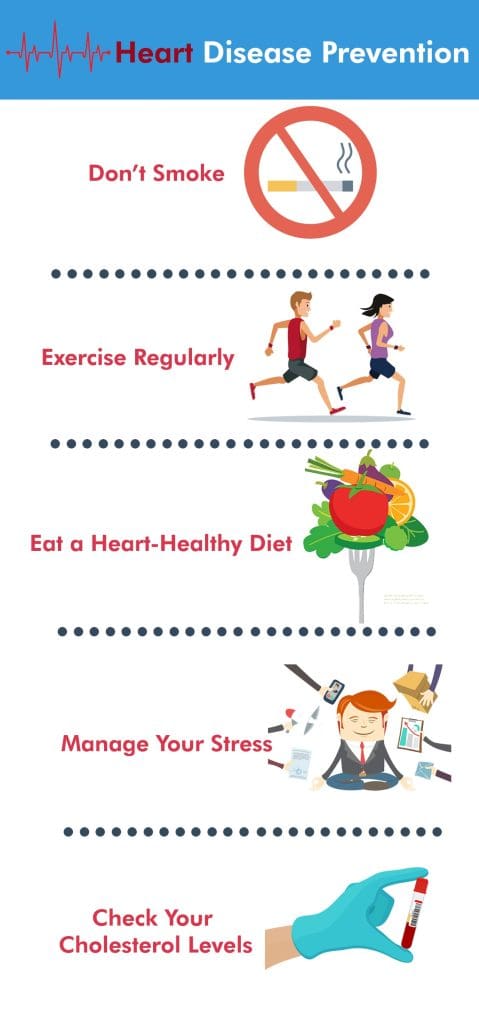
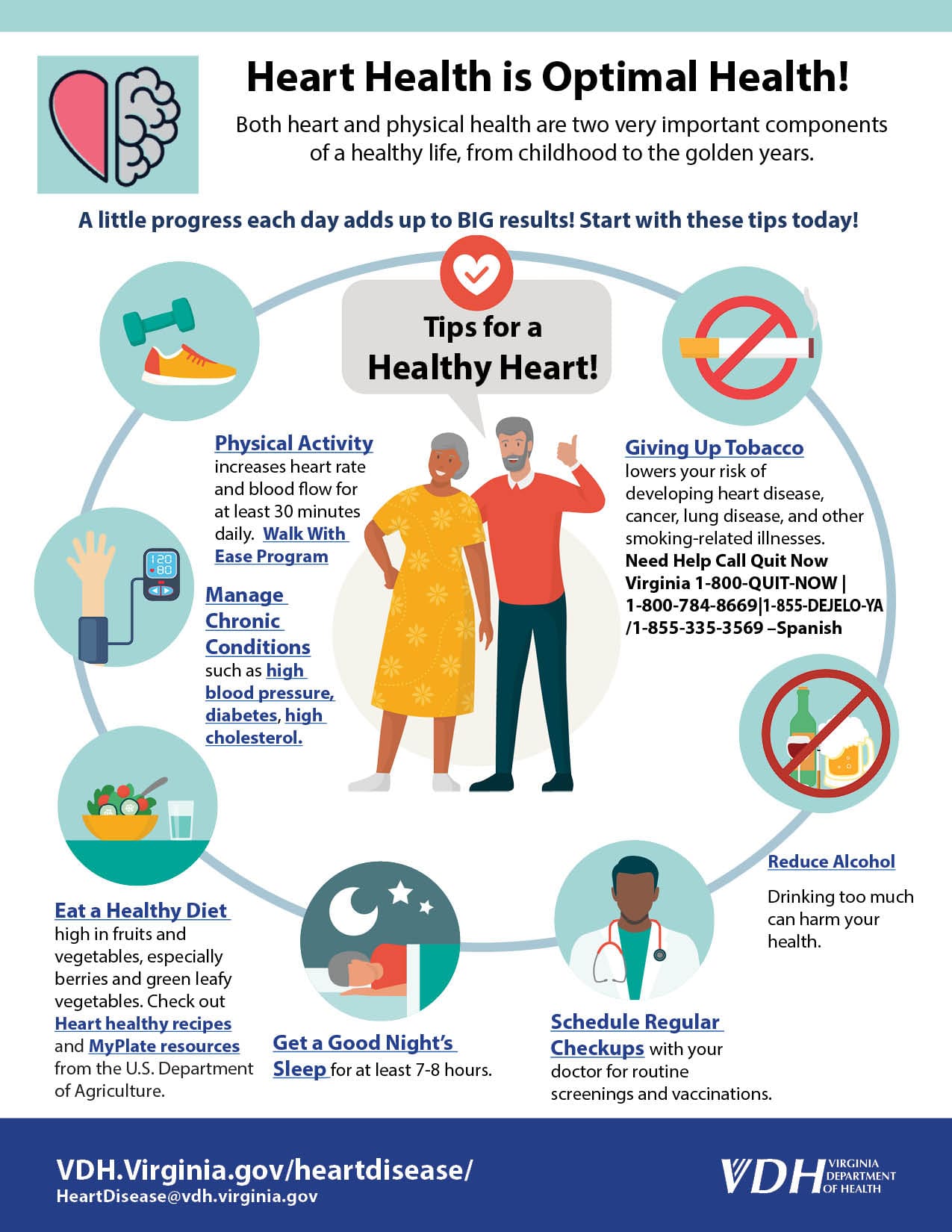
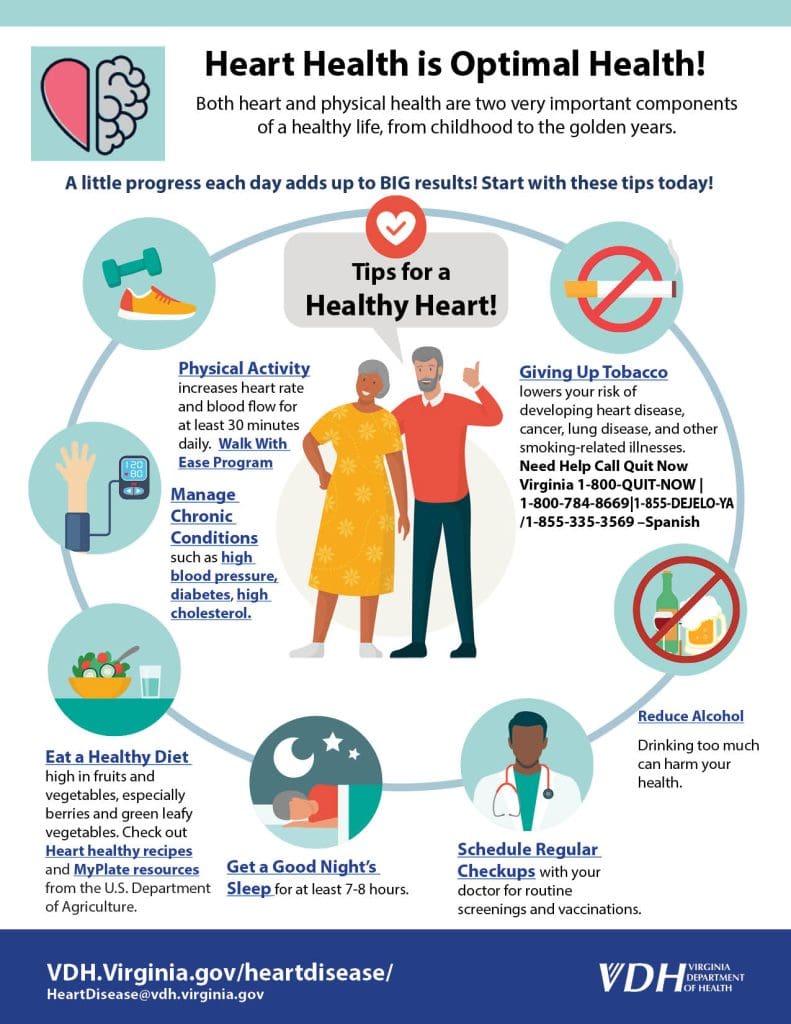
Lifestyle choices that can significantly impact heart health include following a heart-healthy diet, engaging in regular physical activity, maintaining a healthy weight, managing blood pressure and cholesterol levels, reducing stress, avoiding smoking, limiting alcohol consumption, and regularly screening for potential risk factors. By adopting these strategies, you can take control of your heart health and improve your overall well-being.
Maintaining a Heart-Healthy Diet
The benefits of a heart-healthy diet
A heart-healthy diet plays a pivotal role in preventing heart disease. By nourishing your body with nutrient-dense foods that support heart health, you can lower your risk of developing cardiovascular complications. Some benefits of a heart-healthy diet include:
-
Reducing the risk of high blood pressure: A diet rich in fruits, vegetables, whole grains, and lean proteins can help lower blood pressure, a significant risk factor for heart disease.
-
Managing cholesterol levels: Consuming foods low in saturated and trans fats can help maintain healthy cholesterol levels and reduce the risk of heart disease.
-
Controlling blood sugar levels: A heart-healthy diet focused on whole foods can help regulate blood sugar levels, reducing the risk of type 2 diabetes, which is closely linked to heart disease.
Key components of a heart-healthy diet
A heart-healthy diet consists of a variety of nutrient-rich foods that provide essential vitamins, minerals, and antioxidants. Key components of a heart-healthy diet include:
-
Fruits and vegetables: Aim to include a colorful variety of fruits and vegetables in your daily meals. These provide fiber, antioxidants, and other essential nutrients that support heart health.
-
Whole grains: Opt for whole grains such as brown rice, whole wheat, quinoa, and oats, which are rich in fiber and can help lower cholesterol levels.
-
Lean proteins: Choose lean sources of protein, such as skinless poultry, fish, legumes, and tofu. These options are lower in saturated fat and can provide essential nutrients without raising cholesterol levels.
-
Healthy fats: Incorporate sources of healthy fats, such as avocados, nuts, seeds, and olive oil. These fats can help lower bad cholesterol and reduce inflammation.
Foods to include in your diet for heart health
To optimize heart health, consider including the following foods in your diet:
-
Berries: Blueberries, strawberries, and raspberries are rich in antioxidants and can help protect against heart disease.
-
Leafy greens: Incorporate leafy greens like spinach, kale, and Swiss chard into your meals. These are packed with vitamins, minerals, and fiber.
-
Fatty fish: Enjoy fish high in omega-3 fatty acids, such as salmon, mackerel, and sardines. Omega-3 fatty acids can promote heart health by reducing inflammation and improving heart function.
-
Nuts and seeds: Almonds, walnuts, chia seeds, and flaxseeds are excellent sources of heart-healthy fats, fiber, and other beneficial nutrients.
Foods to limit or avoid for heart health
To protect your heart health, it is important to limit or avoid certain foods that can increase your risk of heart disease. These include:
-
Processed and fried foods: Minimize consumption of processed foods, fast food, and deep-fried items as they are often high in unhealthy fats, sodium, and added sugars.
-
Sugary beverages: Limit or avoid sugary drinks, including soda, sports drinks, and sweetened juices. Opt for water, unsweetened tea, or infused water instead.
-
High sodium foods: Reduce your intake of high-sodium foods, such as processed meats, canned soups, and salty snacks, as excessive sodium can raise blood pressure.
Practical tips for adopting a heart-healthy diet
Adopting a heart-healthy diet may seem challenging at first, but with these practical tips, you can make sustainable changes:
-
Plan your meals: Take some time each week to plan your meals and snacks. This will help you make healthier choices and avoid impulse eating.
-
Cook at home: Prepare your meals at home as much as possible. This way, you have control over the ingredients and can ensure they align with a heart-healthy diet.
-
Read food labels: Pay attention to food labels and ingredients lists to identify high-sugar, high-sodium, and unhealthy fat foods. Choose options with lower amounts of these ingredients.
-
Gradually make changes: Gradually introduce healthier substitutions in your diet. For example, switch from whole milk to skim milk, or replace sugary snacks with fresh fruits.
-
Stay consistent: Consistency is key to maintaining a heart-healthy diet. Stick to your plan and allow yourself occasional treats in moderation.
By adopting a heart-healthy diet and making gradual changes to your eating habits, you can significantly decrease your risk of heart disease and improve your overall well-being.
Regular Physical Activity and Heart Health
Understanding the link between physical activity and heart health
Regular physical activity is essential for maintaining a healthy heart. Engaging in regular exercise helps improve cardiovascular fitness, lowers blood pressure, controls weight, and reduces the risk of heart disease. When you are physically active, your heart muscles become stronger and more efficient at pumping blood, improving circulation throughout your body.
Types of exercises beneficial for heart disease prevention
To promote heart health, it is important to engage in a variety of exercises that benefit different aspects of cardiovascular fitness. Some types of exercises particularly beneficial for heart disease prevention include:
-
Aerobic exercises: Activities like brisk walking, running, swimming, cycling, and dancing are excellent for improving cardiovascular endurance and strengthening the heart muscle.
-
Strength training: Incorporating strength training exercises such as weightlifting and resistance training helps build lean muscle mass, boost metabolism, and improve overall cardiovascular health.
-
Flexibility exercises: Practicing stretching exercises, yoga, or Pilates helps improve flexibility, maintain joint health, and enhance overall physical well-being.
Recommended duration and intensity of physical activity
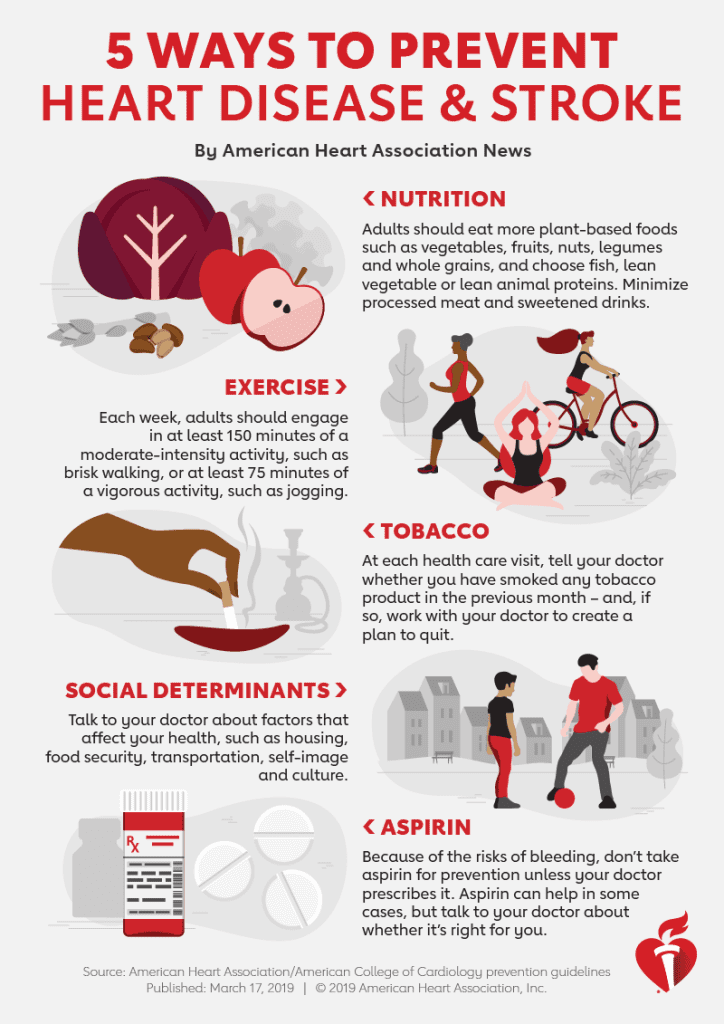
The American Heart Association (AHA) recommends adults aim for at least 150 minutes of moderate-intensity aerobic activity or 75 minutes of vigorous aerobic activity each week. Additionally, muscle-strengthening activities should be incorporated at least two days per week.
Moderate-intensity aerobic activities include brisk walking, water aerobics, cycling at a moderate pace, or playing doubles tennis. Vigorous-intensity aerobic activities include running, cycling at a fast pace, swimming laps, or playing singles tennis.
It’s important to note that individuals should always consult with a healthcare professional before starting a new exercise program, especially if they have any pre-existing health conditions.
Creating an exercise routine for optimal heart health
To create an exercise routine that promotes optimal heart health, follow these steps:
-
Set goals: Determine your fitness goals and create a plan that aligns with those goals. Consider your current fitness level, time availability, and personal preferences when setting goals.
-
Choose activities you enjoy: Select exercises that you enjoy and that suit your lifestyle. This will increase your chances of sticking to your routine.
-
Start slowly and gradually increase intensity: If you are new to exercise or have been inactive for an extended period, begin with low-impact activities and gradually increase intensity and duration as your fitness improves.
-
Incorporate variety: Include a mix of aerobic exercises, strength training, and flexibility exercises in your routine. This will ensure you are targeting different aspects of cardiovascular health and overall fitness.
-
Make it a habit: Aim for consistency by scheduling regular exercise sessions and making them a priority in your daily routine. Treat exercise as a non-negotiable commitment to yourself and your health.
Overcoming common barriers to regular physical activity
While physical activity is crucial for heart health, it can be challenging to maintain a regular exercise routine due to various barriers. Here are some common barriers and strategies to overcome them:
-
Lack of time: Schedule specific time slots for exercise and treat them as important appointments. Consider breaking up your exercise sessions into shorter bursts throughout the day if you are unable to devote lengthy periods of time.
-
Lack of motivation: Find an exercise buddy or join group classes to stay motivated. Set realistic goals and reward yourself for achieving milestones along the way.
-
Physical limitations or health conditions: If you have physical limitations or health conditions that restrict certain activities, consult with a healthcare professional or a certified fitness trainer to find safe alternatives and modifications.
-
Weather conditions: Have a backup plan for indoor exercises or invest in appropriate clothing and gear to exercise comfortably in various weather conditions.
Remember that every step counts when it comes to physical activity. Aim for consistency, listen to your body, and make adjustments when necessary to stay on track with your exercise routine.
Maintaining a Healthy Weight
The connection between weight and heart disease risk
Maintaining a healthy weight is closely linked to heart disease prevention. Excess weight, particularly around the waistline, increases the risk of various cardiovascular complications, including high blood pressure, high cholesterol levels, and type 2 diabetes. By achieving and maintaining a healthy weight, you can significantly reduce your risk of developing heart disease.
Determining a healthy weight for your body
To determine a healthy weight for your body, it is essential to assess your body mass index (BMI) and waist circumference. BMI is a measure of body fat based on your height and weight, while waist circumference can indicate the presence of abdominal fat. The American Heart Association provides the following guidelines:
-
BMI: A BMI between 18.5 and 24.9 is considered within the healthy weight range for adults. Below 18.5 is classified as underweight, 25 to 29.9 as overweight, and 30 or above as obese.
-
Waist circumference: For adults, a waist circumference of more than 35 inches for women and more than 40 inches for men is associated with an increased risk of heart disease.
Keep in mind that BMI and waist circumference are general indicators and may not be suitable for everyone. It is always a good idea to consult with a healthcare professional to determine an optimal weight range for your body.
Effective strategies for weight management
Achieving and maintaining a healthy weight involves a combination of healthy eating, regular exercise, and positive lifestyle choices. Some effective strategies for weight management include:
-
Portion control: Pay attention to portion sizes and aim for balanced meals that include a variety of foods from different food groups. Be mindful of calorie-dense foods and avoid oversized portions.
-
Mindful eating: Slow down and savor your meals, paying attention to hunger and fullness cues. Avoid distractions while eating, such as phones or screens, as this can lead to mindless overeating.
-
Regular physical activity: Engage in regular exercise to burn calories, increase metabolism, and support overall weight management. Incorporate both aerobic and strength training exercises into your routine.
-
Lifestyle modifications: Make positive lifestyle choices that contribute to weight management, such as getting enough sleep, managing stress levels, and avoiding excessive alcohol consumption.
Combining diet and exercise for sustainable weight loss
For long-term weight management and heart disease prevention, combining a healthy diet with regular exercise is crucial. While diet plays a significant role in weight loss, exercise helps maintain muscle mass, boost metabolism, and support overall well-being. By combining these two strategies, you can achieve sustainable weight loss and improve your heart health.
When considering weight loss, it’s important to set realistic and achievable goals. Aim for gradual weight loss of about 1-2 pounds per week. This steady rate of weight loss is more likely to be maintained in the long term and is healthier for your body.
Remember, adopting a healthy lifestyle is not just about losing weight but about improving overall well-being. Focus on making sustainable changes that you can maintain for a lifetime, rather than pursuing quick fixes or fad diets.
Managing Blood Pressure and Cholesterol
Understanding the impact of high blood pressure on heart health
High blood pressure, also known as hypertension, significantly increases the risk of heart disease and stroke. When blood pressure remains consistently high, it can cause damage to blood vessels, leading to the accumulation of plaque and the narrowing of arteries. This restricts blood flow and puts a strain on the heart, potentially leading to heart attacks or heart failure.
Dietary approaches to lower blood pressure
Diet plays a pivotal role in managing blood pressure levels. The Dietary Approaches to Stop Hypertension (DASH) eating plan is a well-known dietary approach recommended for individuals with hypertension. Key components of the DASH diet include:
-
Fruits and vegetables: Incorporate a variety of fruits and vegetables into your meals. These provide essential nutrients and are rich in potassium, which helps lower blood pressure.
-
Whole grains: Opt for whole grain products such as brown rice, whole wheat bread, and whole grain cereals. These are high in fiber and help regulate blood pressure.
-
Low-fat dairy products: Choose low-fat dairy options, such as skim milk and reduced-fat yogurts. These provide calcium and other nutrients important for overall health.
-
Lean proteins: Include lean sources of protein, such as skinless poultry, fish, legumes, and tofu. These options are low in saturated fat and are part of a heart-healthy diet.
-
Limited sodium intake: Reduce the amount of sodium in your diet by avoiding processed foods, fast food, and excessive salt usage. Opt for flavoring your meals with herbs, spices, or salt substitutes.
The importance of cholesterol control in heart disease prevention
High cholesterol levels, particularly low-density lipoprotein (LDL) cholesterol, contribute to the development of plaque in the arteries, increasing the risk of heart disease. Managing cholesterol levels is crucial for heart disease prevention. Some strategies to promote healthy cholesterol levels include:
-
Limit saturated and trans fats: Reduce the consumption of foods high in saturated and trans fats, such as fatty meats, full-fat dairy products, and fried foods. These fats raise LDL cholesterol levels.
-
Increase fiber intake: Incorporate soluble fiber-rich foods such as oats, barley, legumes, and fruits into your diet. Soluble fiber helps reduce LDL cholesterol levels.
-
Include healthy fats: Consume sources of healthy fats, such as avocados, nuts, seeds, and olive oil. These fats contain monounsaturated and polyunsaturated fats that help improve cholesterol levels.
-
Omega-3 fatty acids: Include omega-3 rich foods like fatty fish (salmon, mackerel, and trout), walnuts, and flaxseeds in your diet. Omega-3 fatty acids promote heart health and reduce inflammation.
Foods and lifestyle changes to promote healthy cholesterol levels
To promote healthy cholesterol levels, consider including the following foods and implementing lifestyle changes:
-
Fish: Incorporate fatty fish like salmon and mackerel into your diet at least twice a week. These are high in omega-3 fatty acids, which help reduce LDL cholesterol levels.
-
Nuts: Snack on a variety of nuts, such as almonds, walnuts, and pistachios. These contain healthy fats and other beneficial nutrients that support heart health.
-
Plant sterols and stanols: Include foods fortified with plant sterols and stanols, such as certain margarines or orange juice. These compounds can help lower LDL cholesterol levels.
-
Regular exercise: Engage in regular physical activity to improve cholesterol levels. Exercise helps raise high-density lipoprotein (HDL) cholesterol (the “good” cholesterol) and promotes overall cardiovascular health.
-
Limit alcohol consumption: Excessive alcohol consumption can raise blood pressure and cholesterol levels. Moderation is key, and it is recommended to limit alcohol intake to moderate levels or avoid it altogether.
By implementing dietary changes and adopting a heart-healthy lifestyle, you can effectively manage blood pressure and cholesterol levels, reducing the risk of heart disease.
Reducing Stress and Improving Mental Well-being
The connection between chronic stress and heart disease
Chronic stress can have a significant impact on heart health and contribute to the development of heart disease. When the body is under constant stress, stress hormones can elevate blood pressure, increase heart rate, and lead to inflammation. These physiological responses can gradually damage blood vessels and contribute to the formation of plaque, increasing the risk of heart disease.
Techniques for stress reduction and relaxation
Reducing stress and incorporating relaxation techniques into your daily routine is essential for heart disease prevention. Some effective techniques for managing stress include:
-
Deep breathing exercises: Practice deep breathing exercises to trigger the body’s relaxation response. Breathe in slowly through your nose, hold for a few seconds, and exhale slowly through your mouth.
-
Meditation and mindfulness: Engage in meditation or mindfulness practices to calm the mind and reduce stress. Focus on the present moment, your breath, or a specific mantra to promote relaxation.
-
Physical activity: Regular exercise not only benefits cardiovascular health but also serves as a stress reliever. Engage in activities such as walking, jogging, yoga, or cycling to reduce stress levels.
-
Adequate sleep: Prioritize quality sleep as it plays a crucial role in managing stress. Aim for 7-9 hours of uninterrupted sleep each night to support overall well-being.
The role of positive relationships and social support in heart health
Positive relationships and social support play a crucial role in heart health and overall well-being. Strong social connections can buffer the effects of stress and contribute to better cardiovascular health. Some ways to cultivate positive relationships and social support include:
-
Stay connected: Nurture your relationships with family, friends, and loved ones. Make time for social activities, community events, and gatherings that promote social interaction.
-
Seek support: Surround yourself with individuals who support your goals and values. Share your challenges and seek emotional support when needed.
-
Join community groups: Engage in activities or join community organizations that align with your interests. This can provide opportunities to connect with like-minded individuals and form new relationships.
-
Volunteer or help others: Contributing to the welfare of others can bring a sense of fulfillment and create positive social connections.
Prioritizing mental well-being for overall cardiovascular health
Prioritizing mental well-being is essential for maintaining overall cardiovascular health. Along with stress reduction techniques and social support, it is important to practice self-care, engage in activities that bring joy and fulfillment, and seek professional help when needed. Remember that taking care of your mental health goes hand in hand with taking care of your heart.
Avoiding Smoking and Limiting Alcohol Consumption
Understanding the adverse effects of smoking on heart health
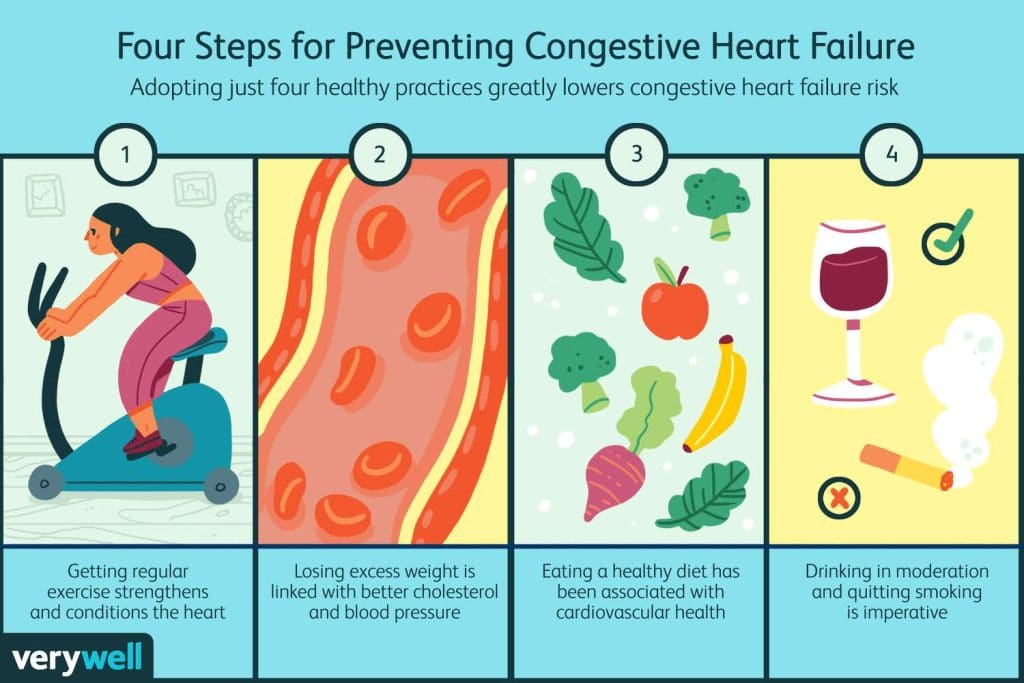
Smoking poses significant risks to heart health and is a leading cause of heart disease. The chemicals in tobacco smoke harm blood vessels, increase blood pressure, reduce oxygen levels in the blood, and promote the formation of plaque in the arteries. By avoiding smoking and secondhand smoke, you can significantly reduce your risk of heart disease and other cardiovascular complications.
Strategies for quitting smoking and seeking support
Quitting smoking is one of the best things you can do for your heart health. If you currently smoke, consider the following strategies to quit:
-
Set a quit date: Choose a specific date to quit smoking and mark it on your calendar. This will serve as a milestone and a commitment to your health.
-
Seek support: Inform your friends, family, and loved ones about your decision to quit smoking and ask for their support. You may also consider joining support groups or seeking professional help.
-
Nicotine replacement therapy: Consider nicotine replacement therapy, such as nicotine patches, gum, or medications, to help manage cravings and withdrawal symptoms.
-
Find healthy alternatives: Replace the habit of smoking with healthier alternatives, such as chewing sugar-free gum, engaging in physical activity, or practicing stress reduction techniques.
Remember that quitting smoking is a challenging process, and setbacks may occur. Don’t be discouraged if you experience relapses. Keep trying and seek additional support when needed.
The impact of excessive alcohol consumption on heart disease risk
While moderate alcohol consumption may have some beneficial effects on heart health, excessive alcohol consumption can significantly increase the risk of heart disease. Heavy drinking raises blood pressure, contributes to unhealthy weight gain, and can lead to irregular heart rhythms. To protect your heart health, it is important to limit alcohol consumption and drink responsibly.
Guidelines for moderate and responsible alcohol consumption
When it comes to alcohol consumption and heart health, it is recommended to follow these guidelines:
-
Moderate drinking: For men, moderate drinking is defined as up to two standard drinks per day. For women, it is up to one standard drink per day. A standard drink is typically defined as 14 grams of pure alcohol.
-
Understand serving sizes: Be aware of the serving sizes and alcohol content of different beverages. Different types of alcohol have varying alcohol concentrations, so it’s important to monitor your intake accordingly.
-
Balance alcohol with food: It is important to consume alcohol in moderation along with a balanced meal or snack. Avoid drinking on an empty stomach, as this can lead to higher levels of alcohol absorption and potential harm to your health.
-
Be aware of medication interactions: Some medications, when combined with alcohol, can have adverse effects on your health. Consult with your healthcare professional to better understand any potential interactions.
-
Avoid binge drinking: Binge drinking, defined as consuming a large amount of alcohol in a short period, can have serious health consequences. Avoid excessive drinking and pace yourself when consuming alcohol.
It is important to note that these guidelines may vary depending on individual circumstances and health conditions. Consulting with a healthcare professional can provide personalized recommendations based on your specific needs.
Screening and Regular Medical Check-ups
The importance of regular screenings for heart disease risk factors
Regular screenings and medical check-ups are essential for detecting potential heart disease risk factors and identifying early signs of cardiovascular complications. By addressing risk factors early, you can take proactive measures to prevent heart disease and manage your overall cardiovascular health effectively.
Medical tests and assessments to identify potential issues
Medical tests and assessments can help healthcare professionals evaluate your heart health and identify potential issues. Some common tests and assessments for heart disease risk and overall cardiovascular health include:
-
Blood pressure measurement: Regular blood pressure checks help assess your risk of developing high blood pressure, a significant risk factor for heart disease.
-
Cholesterol level measurement: Blood tests can determine your cholesterol levels, including total cholesterol, LDL cholesterol, HDL cholesterol, and triglycerides. Abnormal levels may require intervention to prevent heart disease.
-
Fasting blood glucose test: This test measures blood sugar levels after fasting overnight and helps assess the risk of developing type 2 diabetes, which is closely associated with heart disease.
-
Electrocardiogram (ECG): An ECG measures the electrical activity of the heart and can help identify abnormal heart rhythms, detect heart attacks, and evaluate overall heart health.
-
Stress test: A stress test assesses how your heart functions under physical stress. It measures heart rate, blood pressure, and electrical activity during exercise, often performed on a treadmill or stationary bike.
-
Cardiac imaging: Imaging tests, such as echocardiograms or coronary angiograms, provide detailed images of the heart and blood vessels, helping healthcare professionals assess heart function and detect any abnormalities.
Consulting with healthcare professionals for personalized guidance
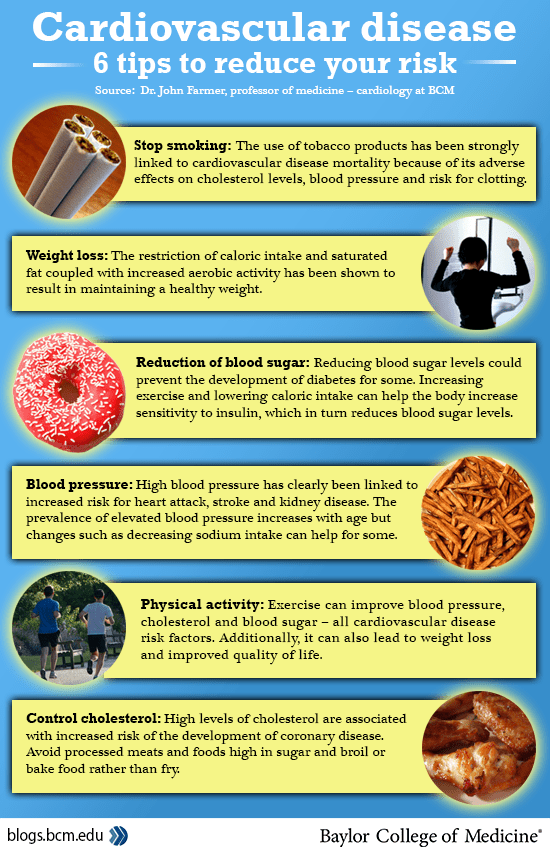
Regular consultations with healthcare professionals, such as primary care physicians, cardiologists, and other specialists, are crucial for maintaining optimal heart health. These professionals can provide personalized guidance based on your specific risk factors, medical history, and overall health condition. They can also tailor treatment plans, medication management, and lifestyle recommendations to support your heart disease prevention efforts.
Remember to share any concerns or symptoms you may be experiencing during your medical check-ups. Open communication with healthcare professionals is vital to ensure accurate diagnoses and appropriate interventions.
Regular monitoring and follow-up appointments
Once you have undergone screenings and received medical guidance, it is important to maintain regular monitoring and follow-up appointments. This allows healthcare professionals to track your progress, reassess risk factors, and make any necessary adjustments to your treatment plan.
Stay proactive in scheduling and attending follow-up appointments, and be sure to report any changes or new symptoms you may experience. By staying engaged in your healthcare and adhering to recommended check-ups, you can effectively manage your heart health and prevent potential complications.
Promoting Heart Health in Children and Young Adults
The significance of early heart disease prevention
Promoting heart health from a young age is essential for preventing heart disease and establishing lifelong habits that support cardiovascular well-being. Children and young adults who adopt healthy lifestyle choices and engage in regular physical activity are more likely to maintain good heart health throughout their lives.
Teaching healthy habits and lifestyle choices from a young age
Parents, caregivers, and educators play a crucial role in teaching children healthy habits and lifestyle choices. By promoting heart-healthy behaviors from a young age, children can develop a solid foundation for their cardiovascular health. Some strategies to teach healthy habits include:
-
Lead by example: Serve as a role model by practicing healthy habits yourself. Children are more likely to adopt healthy behaviors when they see them consistently demonstrated.
-
Encourage physical activity: Encourage children to engage in regular physical activity by participating in sports, playing outdoors, or joining age-appropriate exercise programs.
-
Make healthy eating enjoyable: Introduce a variety of fruits, vegetables, and whole grains into your child’s diet. Make mealtimes enjoyable and involve children in meal planning or cooking activities.
-
Limit screen time: Set limits on screen time and encourage alternative activities such as reading, playing board games, or engaging in creative pursuits.
-
Educate about risks: Provide age-appropriate education about the risks associated with unhealthy behaviors such as smoking, excessive alcohol consumption, and a sedentary lifestyle.
Encouraging physical activity and nutritious eating in children
Physical activity and nutritious eating are vital components of heart disease prevention in children and young adults. Here are some ways to encourage physical activity and nutritious eating habits:
-
Engage in family activities: Plan regular family activities that involve physical movement, such as family walks, bike rides, or hikes. This promotes healthy habits and strengthens family bonds.
-
Provide healthy snacks: Keep your home stocked with nutrient-rich, kid-friendly snacks such as fresh fruits, cut vegetables, yogurt, or whole-grain crackers. Avoid keeping sugary snacks and processed foods readily available.
-
Involve children in meal planning: Include children in meal planning and grocery shopping. Encourage them to choose healthy options and help prepare meals. This fosters a sense of ownership and promotes healthy eating habits.
-
Pack nutritious lunches: When packing lunches for school or outings, include a variety of nutrients from different food groups. Prepare homemade meals whenever possible to ensure nutritional balance.
-
Limit sugary beverages: Teach children the importance of drinking water and avoiding excessive consumption of sugary beverages. Encourage drinking water with meals and throughout the day.
By creating a supportive environment and instilling healthy habits from a young age, you can empower children and young adults to prioritize their cardiovascular health and reduce their risk of heart disease.
Effective Strategies for Sustaining Heart-Healthy Habits
Establishing realistic goals and setting achievable targets
Establishing realistic goals and setting achievable targets is essential for sustaining heart-healthy habits in the long term. Here are some strategies to set yourself up for success:
-
Start small: Begin by making small, manageable changes to your lifestyle. Gradually introduce new habits and build upon them over time.
-
Identify barriers: Recognize potential barriers that may hinder your progress, such as lack of time, motivation, or support. Develop strategies to overcome these barriers and find solutions that work for you.
-
Create a support system: Surround yourself with individuals who support your health goals and encourage your progress. Share your journey with them, and consider joining support groups or programs that align with your objectives.
-
Track your progress: Keep track of your habits, achievements, and setbacks. Use a journal, mobile apps, or other tools to monitor your progress and celebrate milestones along the way.
Creating a supportive environment for heart-healthy living
Creating a supportive environment is crucial for sustaining heart-healthy habits. Consider the following strategies to cultivate an environment that promotes healthy choices:
-
Stock a healthy kitchen: Keep your kitchen stocked with nutritious options and remove tempting foods that do not align with your health goals.
-
Communicate with loved ones: Share your health goals with your loved ones and request their support. Encourage them to join you in adopting healthy habits and maintaining a heart-healthy lifestyle.
-
Engage in healthy activities: Engage in activities and hobbies that promote healthy living. Join fitness classes, participate in outdoor activities, or find new ways to incorporate physical exercise into your daily routine.
-
Minimize stress triggers: Identify potential stress triggers in your environment and develop strategies to minimize their impact. Create a calm and supportive space at home and at work that promotes relaxation and reduces stress levels.
Engaging with community resources and programs
Engaging with community resources and programs is an effective way to sustain heart-healthy habits and stay motivated. Consider the following options:
-
Join fitness classes or groups: Participate in group fitness classes or join sports clubs. This provides a sense of community and accountability while making exercise enjoyable.
-
Seek professional guidance: Consult with certified fitness trainers, registered dietitians, or health coaches who can provide expert advice tailored to your needs.
-
Participate in wellness programs: Many workplaces, community centers, and healthcare organizations offer wellness programs and initiatives. Take advantage of these resources to enhance your heart-healthy lifestyle.
-
Attend educational events: Seek out local workshops, seminars, or conferences that focus on heart health and maintaining a healthy lifestyle. These events can provide valuable information, guidance, and inspiration.
By engaging with community resources and programs, you can enhance your heart-healthy journey, connect with like-minded individuals, and stay motivated to sustain healthy habits.
Monitoring progress and celebrating milestones
Monitoring your progress and celebrating milestones along your heart-healthy journey is crucial for long-term sustainment. Here are some strategies for tracking progress and recognizing achievements:
-
Track healthy habits: Monitor your adherence to heart-healthy habits, such as physical activity, nutritious eating, stress reduction techniques, and other lifestyle changes. Use a habit tracker or journal to record your daily achievements.
-
Set mini-goals: Break your larger health goals into smaller, manageable mini-goals. Celebrate each milestone, as these achievements will keep you motivated and reinforce your commitment to a heart-healthy lifestyle.
-
Personalize rewards: Establish a reward system for yourself, and associate non-food rewards with reaching significant milestones. Consider treating yourself to a relaxing spa day, a new workout outfit, or a weekend getaway.
-
Reflect on progress: Take time to reflect on your progress regularly. Consider the positive changes you have made, the challenges you have overcome, and the overall improvement in your health and well-being.
Sustaining heart-healthy habits requires ongoing commitment and dedication. By establishing realistic goals, creating a supportive environment, engaging with community resources, monitoring your progress, and celebrating milestones, you can maintain a heart-healthy lifestyle for the long term.
In conclusion, heart disease prevention is of paramount importance to ensure the well-being of individuals and society as a whole. By understanding the significance of heart disease prevention and adopting healthy lifestyle choices, such as maintaining a heart-healthy diet, engaging in regular physical activity, managing weight, controlling blood pressure and cholesterol, reducing stress, avoiding smoking, limiting alcohol consumption, and seeking regular screenings, individuals can significantly reduce their risk of heart disease and promote optimal cardiovascular health. Building a foundation for heart health starts from childhood, and sustainable strategies are necessary to maintain heart-healthy habits throughout life. By promoting heart health in children and young adults, setting achievable goals, creating supportive environments, engaging with community resources, and monitoring progress, individuals can sustain heart-healthy habits and celebrate milestones on the path to lifelong heart health. Remember, your heart health is in your hands, and every small change you make can have a significant impact on your overall well-being. So start today and prioritize heart disease prevention for a healthier, happier life.