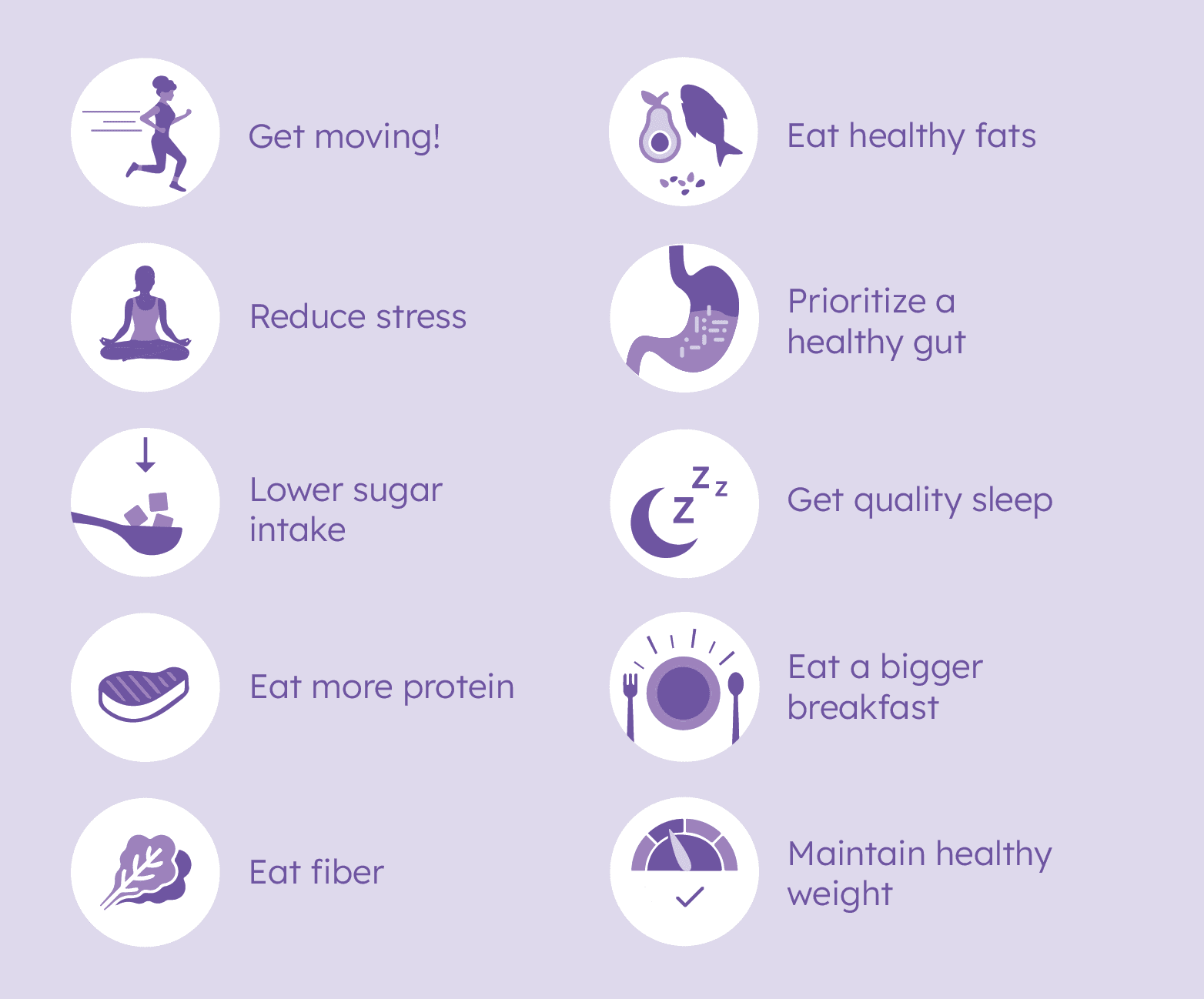
Are you tired of dealing with hormonal imbalances and their unpleasant side effects? Look no further! In this article, we will explore holistic approaches to balancing hormones naturally. Hormonal imbalances can wreak havoc on your overall well-being, causing mood swings, weight gain, and even disrupt your sleep patterns. However, by adopting holistic practices such as a healthy diet, regular exercise, and stress-reducing techniques, you can restore balance to your hormones and regain control of your life. Say goodbye to bothersome symptoms and hello to a more balanced and harmonious you!
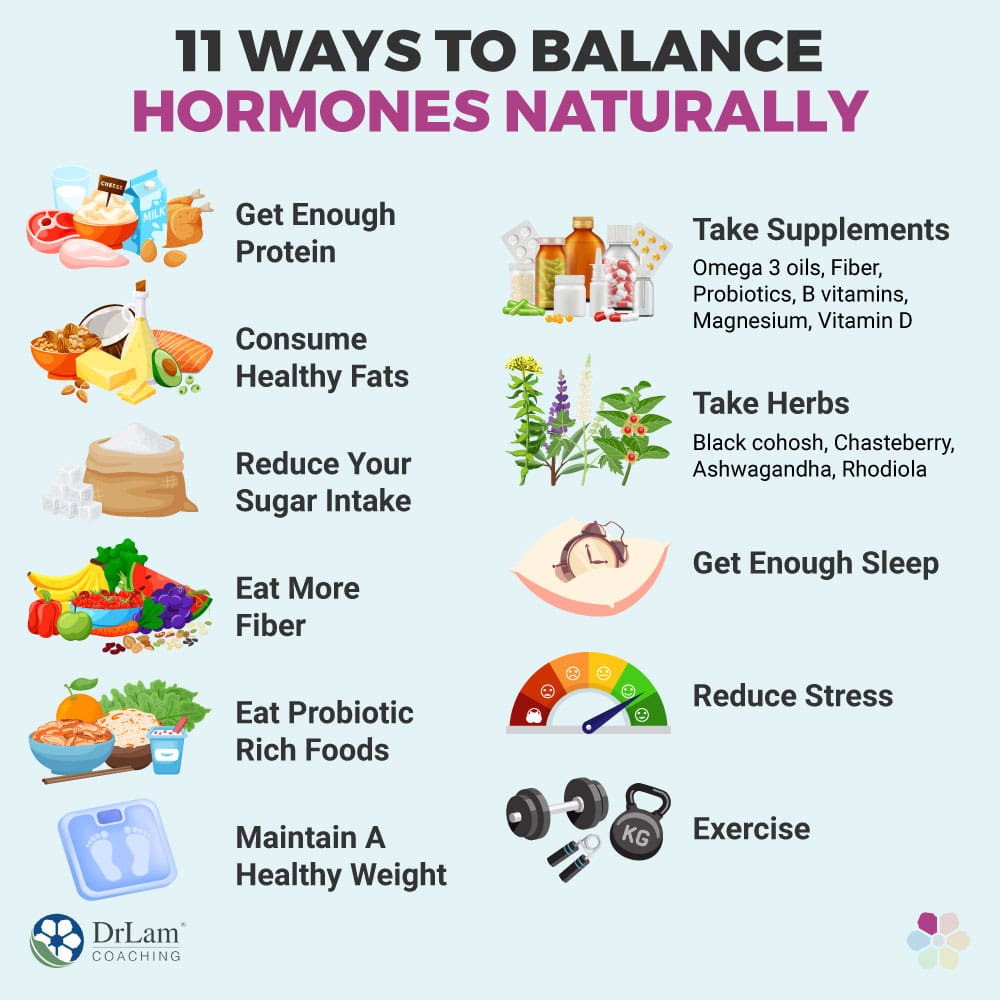
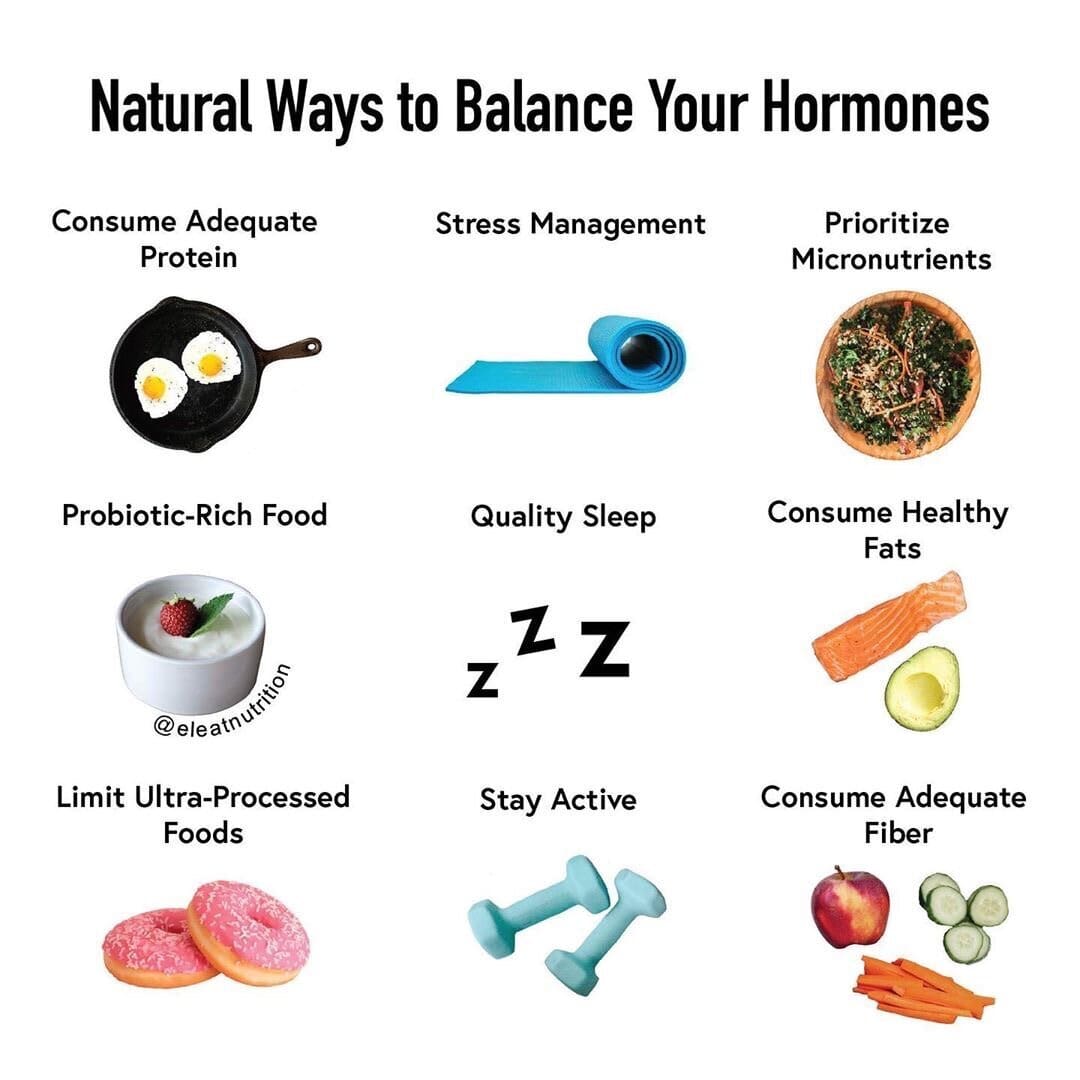
1. Diet and Nutrition
a. Balanced Diet
Maintaining a balanced diet is crucial for hormonal balance. Make sure to include a variety of foods from different food groups in your daily meals. This includes incorporating lean proteins, whole grains, fruits, vegetables, and healthy fats. By providing your body with the essential nutrients it needs, you contribute to the regulation of hormonal levels.
b. Phytoestrogen-rich Foods
Phytoestrogens are naturally occurring compounds found in certain plant-based foods. Consuming phytoestrogen-rich foods can help balance hormones by acting as a mild form of estrogen in the body. Some examples of phytoestrogen-rich foods include soybeans, chickpeas, lentils, flaxseeds, and sesame seeds.
c. Omega-3 Fatty Acids
Including omega-3 fatty acids in your diet can have a positive impact on hormonal balance. These healthy fats are found in foods such as fatty fish (salmon, mackerel), walnuts, chia seeds, and flaxseeds. Omega-3 fatty acids help reduce inflammation in the body, support brain health, and contribute to hormone regulation.
d. Probiotics
Probiotics are beneficial bacteria that help restore and maintain a healthy balance of gut flora. A healthy gut plays a vital role in hormone production and regulation. By consuming probiotic-rich foods such as yogurt, kefir, sauerkraut, and kimchi, you can support a healthy gut and improve hormonal balance.
e. Avoidance of Sugar and Processed Foods
High consumption of sugar and processed foods can disrupt hormonal balance. These foods often lead to spikes in blood sugar levels, promoting inflammation and potentially affecting hormone levels. To maintain hormonal balance, it is important to limit your intake of sugary foods, sodas, refined carbohydrates, and processed snacks.
2. Stress Management
a. Meditation and Mindfulness
Practicing meditation and mindfulness techniques can help reduce stress levels and promote hormonal balance. Taking a few minutes each day to focus on your breath and clear your mind can have a significant impact on your overall well-being. These practices help calm the nervous system, alleviate stress, and support hormonal equilibrium.
b. Exercise
Regular physical activity is crucial for managing stress and balancing hormones. Engaging in exercises such as walking, jogging, swimming, or cycling helps release endorphins, which are natural stress relievers. Incorporating exercise into your routine can also contribute to weight management, a factor that affects hormone levels.
c. Relaxation Techniques
Incorporating relaxation techniques into your daily routine can help reduce stress and promote hormonal balance. Practices such as deep breathing exercises, progressive muscle relaxation, and taking soothing baths can help calm the mind and body. By prioritizing relaxation, you can support your body’s ability to maintain hormonal equilibrium.
d. Adequate Sleep
Getting enough quality sleep is essential for hormonal balance. Lack of sleep can disrupt hormone production and regulation, leading to imbalances and potential health issues. Aim for 7-9 hours of uninterrupted sleep each night, and establish a bedtime routine that helps you unwind and relax before bed. Creating a sleep-friendly environment and prioritizing rest will have a positive impact on your hormonal health.
3. Herbal Remedies
a. Chasteberry
Chasteberry, also known as Vitex agnus-castus, is a herb commonly used to support hormonal balance, especially in women. It can help regulate menstruation, alleviate symptoms of PMS (premenstrual syndrome), and promote overall hormone equilibrium. Chasteberry can be taken in supplement form or as a tincture, following the recommended dosage guidelines.
b. Black Cohosh
Black Cohosh is a herb that has been traditionally used to manage symptoms of menopause, such as hot flashes and mood swings. It contains compounds that mimic estrogen in the body, helping to balance hormone levels. Black Cohosh supplements are widely available and can be taken under the guidance of a healthcare professional.
c. Maca Root
Maca root is a plant native to the Andes Mountains and is often used to support hormonal balance. It can help regulate menstrual cycles, increase fertility, and alleviate symptoms of menopause. Maca root powder can be added to smoothies, oatmeal, or taken in supplement form, following the recommended dosage.
d. Dong Quai
Dong Quai, also known as the “female ginseng,” is an herb widely used in Traditional Chinese Medicine to support women’s health and hormonal balance. It is commonly used to regulate menstrual cycles, relieve menstrual cramps, and alleviate menopausal symptoms. Dong Quai can be taken in supplement form, following the recommended dosage.
e. Evening Primrose Oil
Evening Primrose Oil contains gamma-linolenic acid (GLA), a fatty acid that supports hormonal balance. It is often used to alleviate symptoms of PMS, such as breast tenderness and mood swings. Evening Primrose Oil supplements can be taken under the guidance of a healthcare professional, following the recommended dosage.
4. Essential Oils
a. Clary Sage
Clary Sage essential oil is known for its hormone-balancing properties. It can help regulate menstrual cycles, alleviate PMS symptoms, and support overall hormonal health. Dilute a few drops of Clary Sage essential oil in a carrier oil, such as coconut oil, and apply it to the lower abdomen or diffuse it in your living space to enjoy its benefits.
b. Lavender
Lavender essential oil is well-known for its calming and relaxing properties. By reducing stress levels, it indirectly supports hormonal balance. Lavender oil can be diffused, added to bathwater, or applied topically after dilution to promote relaxation and overall well-being.
c. Rose
Rose essential oil has been used for centuries to support hormonal health. It can help regulate menstrual cycles, alleviate menstrual cramps, and promote emotional balance. Dilute a few drops of Rose essential oil in a carrier oil and apply it to the lower abdomen or add it to your skincare routine for its aromatic benefits.
d. Peppermint
Peppermint essential oil can have a positive impact on hormone regulation. It has energizing properties and can help alleviate fatigue and brain fog, often associated with hormonal imbalances. Diffuse Peppermint oil, inhale it directly, or apply a diluted mixture to your temples for a refreshing boost.
5. Acupuncture
a. Regulation of Hormones
Acupuncture is a traditional Chinese medicine practice that involves the insertion of thin needles into specific points on the body. It can help regulate hormones by stimulating the release of endorphins, promoting blood flow, and restoring balance in the body’s energy pathways. Regular acupuncture sessions can support overall hormonal health.
b. Stress Reduction
Acupuncture has been shown to reduce stress levels by activating the body’s natural relaxation response. By targeting specific points related to stress reduction, acupuncture can help alleviate anxiety, improve mood, and indirectly contribute to hormonal balance. It is a gentle and non-invasive approach to managing stress-related hormone imbalances.
c. Improved Blood Circulation
Acupuncture improves blood circulation, which is essential for hormone delivery throughout the body. By increasing blood flow to reproductive organs and endocrine glands, acupuncture supports hormone production and regulation. Improved blood circulation also aids in the removal of toxins and waste products, promoting overall hormonal health.
6. Exercise
a. Regular Physical Activity
Engaging in regular physical activity is important for maintaining hormone balance. Exercise helps regulate the production of hormones such as cortisol, insulin, and sex hormones. Aim for at least 30 minutes of moderate-intensity exercise, such as brisk walking, jogging, or dancing, most days of the week to support hormonal equilibrium.
b. Strength Training
Incorporating strength training into your exercise routine can have a positive impact on hormone levels. Lifting weights or using resistance bands helps increase muscle mass, which in turn boosts the production of growth hormone and testosterone. These hormones play a key role in maintaining overall hormonal balance.
c. Yoga and Pilates
Practicing yoga and Pilates can be beneficial for hormonal balance. These mind-body exercises focus on stretching, strengthening, and relaxation, helping to reduce stress levels and improve flexibility. Yoga and Pilates also emphasize deep breathing and mindfulness, which can contribute to hormonal equilibrium.
7. Environmental Changes
a. Avoidance of Endocrine Disruptors
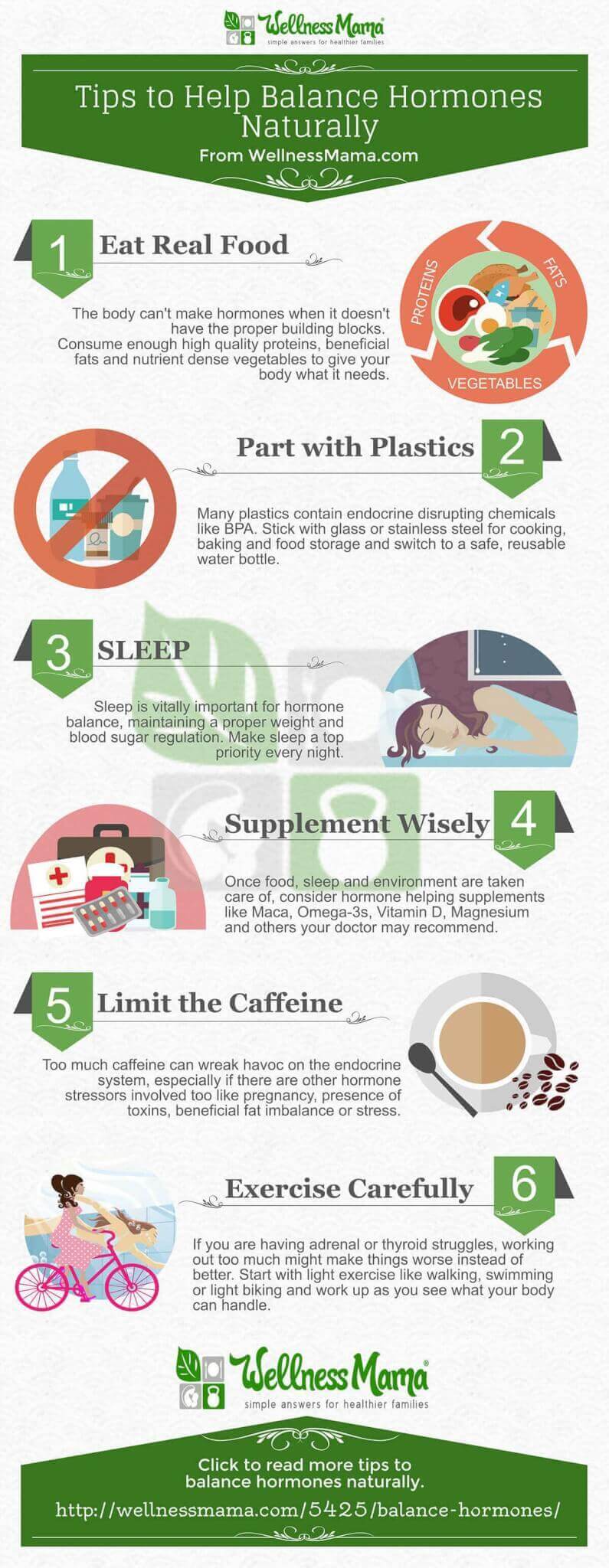
Endocrine disruptors are chemicals that can interfere with the hormonal system, leading to imbalances. To support hormonal balance, it is important to minimize exposure to common endocrine disruptors such as BPA, phthalates, and parabens. Avoid using plastic containers, choose natural personal care products, and opt for organic foods to reduce exposure to these chemicals.
b. Use of Natural and Eco-friendly Products
Using natural and eco-friendly products can help reduce the toxic load on your body and support hormonal balance. Choose household cleaning products, cosmetics, and personal care items that are free from harmful chemicals. Look for products labeled as organic, cruelty-free, and environmentally friendly.
c. Proper Ventilation and Indoor Plants
Proper ventilation in your living space is important for maintaining good air quality and minimizing exposure to indoor air pollutants. Indoor plants can also help improve air quality by absorbing harmful substances and releasing oxygen. Consider incorporating plants such as snake plants, peace lilies, or spider plants into your home to promote a healthier environment.
8. Hormone Balancing Supplements
a. Vitamin D
Vitamin D plays a crucial role in hormone production and regulation. A deficiency in this vitamin can lead to hormonal imbalances. Consider taking a Vitamin D supplement, especially if you have limited sun exposure or live in a location with little sunlight. Consult with a healthcare professional to determine the appropriate dosage for your needs.
b. Vitamin B complex
The B vitamins, including B6, B12, and folic acid, are important for hormone synthesis and function. A deficiency in these vitamins can lead to hormonal imbalances. Taking a Vitamin B complex supplement can help support hormonal balance. Consult with a healthcare professional to determine the appropriate dosage and formulation for your needs.
c. Magnesium
Magnesium is involved in over 300 enzymatic reactions in the body, including hormone production and regulation. A deficiency in magnesium can contribute to hormonal imbalances. Consider taking a magnesium supplement, such as magnesium citrate or magnesium glycinate, to support hormonal health. Consult with a healthcare professional to determine the appropriate dosage.
d. Zinc
Zinc is an essential mineral for hormone production, especially testosterone. It also plays a role in supporting the thyroid gland. Zinc deficiency can lead to hormonal imbalances. Taking a zinc supplement can help support hormonal balance. Consult with a healthcare professional to determine the appropriate dosage and formulation for your needs.
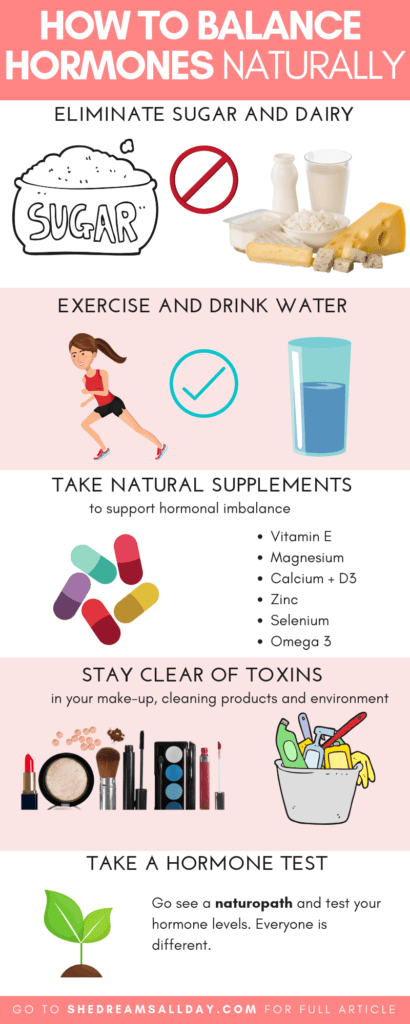
9. Hormone Testing
a. Saliva Testing
Saliva testing is a non-invasive method of measuring hormone levels. It involves collecting saliva samples at specific times of the day to assess hormone fluctuations. Saliva testing can provide valuable insights into hormonal imbalances and guide targeted treatment plans.
b. Blood Testing
Blood testing is a common method of measuring hormone levels. It provides a comprehensive analysis of various hormones in the bloodstream. Blood testing can help identify hormonal imbalances and guide appropriate treatment plans. Consult with a healthcare professional to order blood tests and interpret the results.
c. Urine Testing
Urine testing is another method used to assess hormone levels. It involves collecting urine samples over a specific period to measure hormone metabolites. Urine testing can provide valuable information about hormone metabolism and clearance. Consult with a healthcare professional to order urine tests and interpret the results.
d. Hormone Panel Testing
Hormone panel testing combines multiple testing methods, such as saliva, blood, and urine, to provide a comprehensive assessment of hormone levels. It offers a more complete picture of hormonal balance and can help guide targeted treatment plans. Consult with a healthcare professional to determine the appropriate hormone panel test for your needs.
10. Lifestyle Changes
a. Smoking Cessation
Quitting smoking is crucial for hormonal balance. Smoking not only affects overall health but also disrupts hormone production and regulation. It can lead to imbalances in estrogen, progesterone, testosterone, and other hormones. Seek support from healthcare professionals or smoking cessation programs to successfully quit smoking and restore hormonal equilibrium.
b. Limiting Alcohol Consumption
Excessive alcohol consumption can disrupt hormonal balance. It affects the liver’s ability to metabolize hormones, leading to imbalances. Limiting alcohol intake and practicing moderation can support hormonal health. Aim to follow the recommended guidelines for alcohol consumption, and consider seeking help if you struggle with excessive drinking.
c. Weight Management
Maintaining a healthy weight is important for hormonal balance. Being overweight or underweight can disrupt hormone production and regulation. Focus on adopting a well-balanced diet and engaging in regular physical activity to achieve and maintain a healthy weight. Consult with a healthcare professional for personalized guidance on weight management.
By incorporating these holistic approaches into your lifestyle, you can support the natural balance of your hormones. Remember, it is important to consult with a healthcare professional before making any significant changes to your diet, lifestyle, or supplementation. Prioritize self-care, stress management, and a healthy lifestyle to promote optimal hormonal health and overall well-being.