
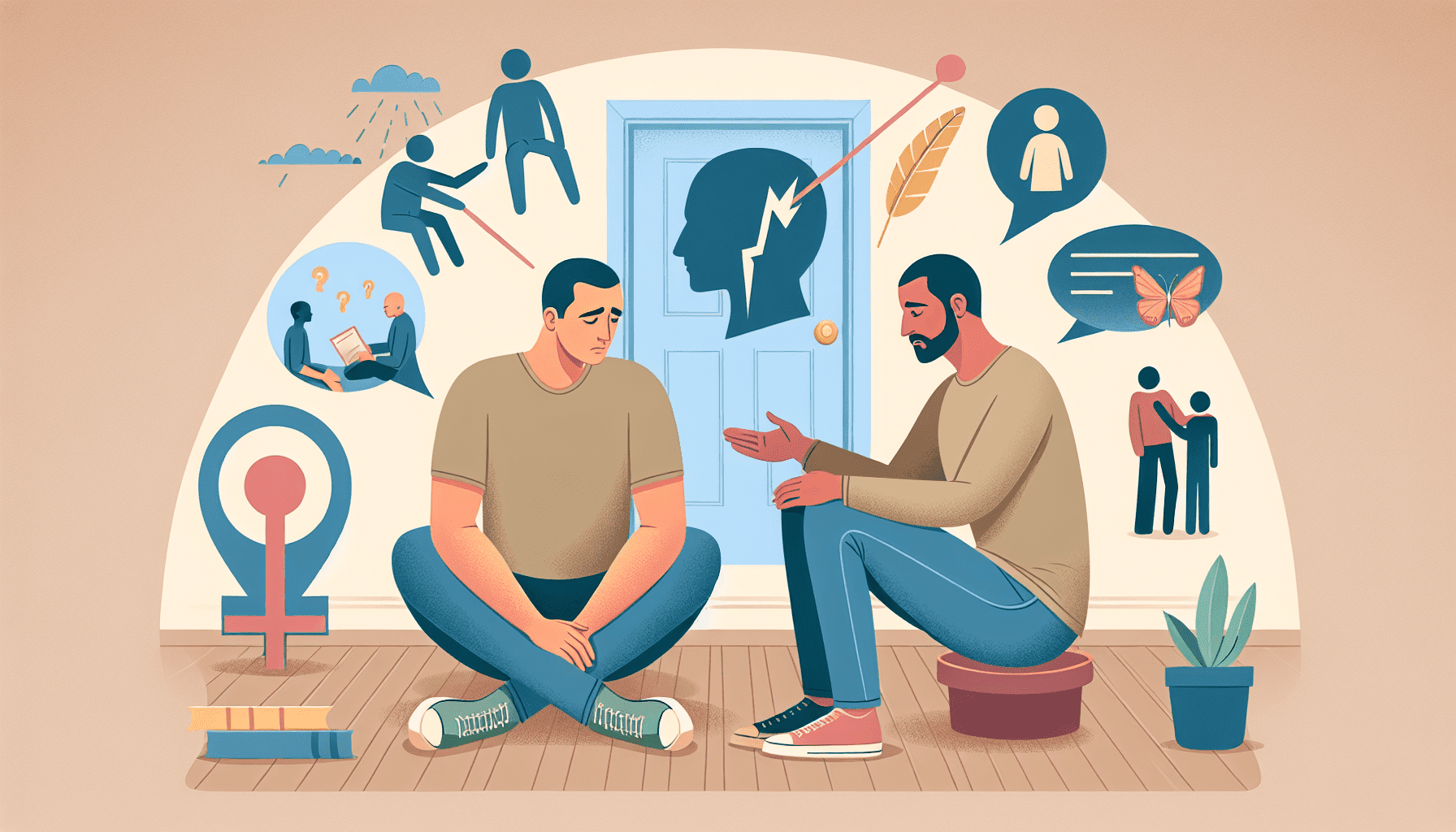
In today’s fast-paced world, men’s mental health often takes a backseat. However, it is crucial to understand that communication plays a vital role in maintaining good mental well-being. Despite the societal pressure to appear strong and independent, it is essential for men to express their emotions, thoughts, and feelings openly. By fostering healthy communication, men can build stronger relationships, reduce stress, and seek the support they need. This article explores the significance of communication in men’s mental health and encourages a more open and supportive dialogue surrounding men’s emotions and mental well-being.
Breaking the Stigma of Silence
In order to promote open discussions about mental health, it is crucial to break the stigma of silence that often surrounds these issues. Many individuals, especially men, feel the pressure to conceal their emotions and maintain a front of strength at all times. However, by encouraging open dialogue and creating safe spaces, we can create an environment where people feel comfortable sharing their struggles.
Promoting Open Discussions
Promoting open discussions involves creating an inclusive and non-judgmental environment where everyone feels encouraged to speak up about their mental health. This can be achieved through initiatives such as community forums, public talks, and mental health awareness campaigns. By openly discussing mental health, we can normalize these conversations and help individuals feel more comfortable seeking support.
Encouraging Vulnerability
Encouraging vulnerability is essential in breaking the stigma surrounding mental health, particularly for men. Traditionally, society has placed an emphasis on stoicism and self-reliance, making it difficult for men to express their emotions openly. By fostering an environment where vulnerability is accepted and valued, men can feel more comfortable reaching out for help and sharing their struggles without fear of judgment or ridicule.
Creating Safe Spaces
Creating safe spaces is crucial for individuals to feel comfortable discussing their mental health. These spaces can be physical locations, such as support groups or therapy offices, but they can also be virtual spaces, such as online communities and forums. By establishing safe spaces, individuals can find solace in the knowledge that they are not alone and can freely share their experiences, feelings, and concerns with others who understand and empathize with their struggles.
Improving Access to Support Networks
Building stronger connections and improving access to support networks is vital for individuals struggling with mental health issues. By widening the support network, individuals have a greater chance of finding the help they need in times of distress.
Building Stronger Connections
Building stronger connections involves fostering meaningful relationships with friends, family, and other supportive individuals in one’s life. These connections act as a crucial support system and can provide a sense of belonging, understanding, and empathy. By actively nurturing these relationships, individuals can create a network of trusted individuals they can turn to during difficult times.
Support Groups and Therapy
Support groups and therapy play a significant role in improving access to mental health resources. These resources provide individuals with a structured environment in which they can openly discuss their struggles, gain advice, and receive guidance from qualified professionals or peers who have experienced similar challenges. Support groups and therapy not only provide an opportunity for individuals to share their experiences but also offer valuable coping strategies and perspectives from others who have undergone similar journeys.
Online Resources
In today’s digital age, online resources have emerged as a crucial tool for improving access to mental health support. Online platforms offer a wide range of information, resources, and communities that cater specifically to mental health needs. These resources can include educational materials, self-help tools, and virtual support groups. By utilizing online resources, individuals can access support from the comfort of their own homes, reaching a potentially vast network of understanding individuals who can offer guidance and support.
Recognizing the Signs and Seeking Help
Understanding mental health issues, identifying warning signs, and seeking help are essential steps in addressing mental health concerns. By recognizing the signs and reaching out for assistance, individuals can receive the support they need to manage their mental health effectively.
Understanding Mental Health Issues
Understanding mental health issues is crucial for recognizing the signs and seeking help. By educating oneself about mental health conditions, their symptoms, and their impact, individuals can become better equipped to identify these issues in themselves or others. This knowledge enables individuals to seek appropriate help and support, ultimately leading to better overall well-being.
Identifying Warning Signs
Identifying warning signs of mental health issues is key to early intervention. These signs may manifest as changes in behavior, mood, or physical health. Some common warning signs may include sudden withdrawal from social activities, increased irritability or anger, changes in sleep or appetite patterns, or loss of interest in previously enjoyable activities. Recognizing these indicators allows individuals to seek help promptly and prevent the escalation of mental health concerns.
Reaching Out for Assistance
Reaching out for assistance is a vital step in addressing mental health issues. It is essential for individuals to understand that seeking help is not a sign of weakness but rather a courageous act of self-care. Whether it be reaching out to a trusted friend or family member, contacting a mental health professional, or utilizing helplines or crisis services, seeking assistance provides the necessary support and resources to manage mental health effectively.
Reducing Mental Health Problems Through Communication
Effective communication can play a pivotal role in reducing mental health problems by addressing stress, anxiety, depression, and other related concerns. By improving communication skills and fostering open conversations, individuals can develop healthier coping mechanisms and promote overall well-being.
Managing Stress and Anxiety
Communication is a powerful tool when it comes to managing stress and anxiety. By expressing fears, worries, and concerns to trusted individuals, individuals can gain perspective, support, and guidance in finding healthy ways to cope with these challenges. Sharing the burden of stress and anxiety through communication helps lighten the load and promotes a sense of relief and resilience.
Preventing Depression and Isolation
Depression and isolation often go hand in hand, but communication can help break this cycle. By encouraging open dialogue and maintaining strong connections, individuals can combat feelings of loneliness and establish a sense of belonging. Sharing experiences and feelings with others can provide support, empathy, and validation, which are crucial in preventing and managing depression.
Improving Coping Mechanisms
Communication can greatly improve coping mechanisms. By openly discussing emotions, stressors, and triggers, individuals can gain insights and perspectives from others, thereby expanding their repertoire of coping strategies. Effective communication allows individuals to learn new techniques, engage in problem-solving, and develop healthier approaches to managing their mental health challenges.
Importance of Relationships and Emotional Resilience
Developing healthy relationships and enhancing emotional resilience are essential components of mental health promotion. By building strong connections and fostering emotional intelligence, individuals can cultivate better self-awareness and overall well-being.
Developing Healthy Relationships
Healthy relationships serve as a foundation for emotional well-being. By fostering open communication, trust, and empathy, individuals can establish fulfilling connections that promote growth and provide a safe space for emotional expression. Supporting one another and engaging in active listening fosters a sense of validation and understanding, contributing positively to mental health.
Building Emotional Intelligence
Emotional intelligence plays a crucial role in mental health. By developing emotional intelligence, individuals can better understand and regulate their own emotions, as well as empathize with the emotions of others. This understanding enables individuals to communicate effectively, manage conflicts, and build strong relationships, ultimately contributing to improved mental well-being.
Enhancing Resilience Skills
Building resilience skills is instrumental in maintaining mental health and overcoming adversity. Communication is a key aspect of resilience, as it allows individuals to seek support and actively engage in problem-solving when faced with challenges. By fostering resilience through effective communication, individuals can bounce back from difficulties, develop a positive mindset, and adapt to life’s ups and downs.
Communication Skills and Emotional Health
Effective communication skills are closely linked to emotional health. By developing active listening and empathy, expressing needs and feelings, and practicing conflict resolution, individuals can enhance their emotional well-being and improve their relationships.
Active Listening and Empathy
Active listening and empathy are fundamental components of effective communication. By actively listening to others without judgment or interruption, individuals can create a safe and supportive environment. Additionally, empathizing with others’ experiences and emotions helps foster understanding and compassion. These skills promote emotional health by building trust, connection, and ensuring that individuals feel heard and validated.
Expressing Needs and Feelings
Expressing needs and feelings is essential for maintaining emotional health. By effectively articulating one’s emotions, desires, and concerns, individuals can establish clear boundaries, foster healthy relationships, and promote self-advocacy. It is important to communicate assertively and respectfully, ensuring that one’s needs are met and that emotions are not repressed, leading to potential mental health challenges.
Conflict Resolution
Conflict is a natural part of relationships, and effective communication aids in resolving conflicts constructively. By addressing conflicts openly, honestly, and respectfully, individuals can avoid the build-up of resentment and promote healthier relationships. Conflict resolution through communication fosters understanding, problem-solving, and compromise, leading to improved emotional well-being for all parties involved.
Effects of Communication on Self-Esteem and Identity
Communication has a profound impact on self-esteem and identity. By fostering self-confidence, self-acceptance, and authenticity, individuals can develop a strong sense of self and promote positive mental health.
Boosting Self-Confidence
Effective communication plays a vital role in boosting self-confidence. By expressing thoughts, ideas, and opinions clearly and assertively, individuals can foster a sense of self-efficacy. This confidence translates into overall self-belief, positively impacting mental health and well-being.
Fostering Self-Acceptance
Communication promotes self-acceptance by providing opportunities for self-expression and sharing personal experiences. By openly discussing one’s thoughts and emotions, individuals can come to accept and embrace their authentic selves. This acceptance reduces internal conflict and promotes a sense of self-worth and well-being.
Exploring Authenticity
Authentic communication encourages individuals to explore their true selves and express their thoughts and emotions without fear of judgment or rejection. By openly embracing their authenticity, individuals can cultivate a strong sense of identity and promote mental health by aligning their actions with their values and beliefs. This congruence between internal thoughts and external expression fosters a sense of purpose, fulfillment, and overall well-being.
Communication’s Role in Suicide Prevention
Effective communication plays a crucial role in suicide prevention. By recognizing suicidal signs, providing support and intervention, and creating prevention strategies, we can help save lives and promote mental health.
Recognizing Suicidal Signs
Awareness of suicidal signs is crucial for early intervention. Common indicators may include talk of death or suicide, withdrawing from loved ones, sudden changes in behavior or mood, giving away possessions, or expressing feelings of hopelessness. By recognizing these signs and taking them seriously, individuals can intervene and provide the necessary support and resources to those in crisis.
Providing Support and Intervention
Communication plays a vital role in providing support and intervention when someone is at risk of suicide. By actively listening, expressing empathy, and offering help without judgment, individuals can create a safe space for individuals to share their struggles and seek assistance. Interventions such as connecting the individual with mental health professionals or helplines, and ensuring their safety can be crucial in preventing suicides.
Creating Prevention Strategies
Prevention strategies are essential in addressing the root causes of suicide. Effective communication can aid in creating these strategies by promoting mental health education, reducing stigma, and fostering supportive environments. By openly discussing suicide, providing access to mental health resources and support networks, and advocating for policies that prioritize mental health, individuals can actively contribute to prevention efforts.
Breaking Gender Stereotypes to Encourage Communication
Breaking gender stereotypes is crucial in encouraging communication about mental health, particularly among men. By challenging traditional masculinity norms, promoting emotional intelligence, and encouraging vulnerability, men can feel more comfortable discussing their mental health and seeking support.
Challenging Traditional Masculinity
Traditional masculinity norms often discourage men from expressing their emotions and seeking help for mental health concerns. By challenging these norms, individuals and society can create a more inclusive environment that promotes emotional well-being for all genders. By encouraging men to embrace emotional vulnerability, we can foster a healthier and more open discourse surrounding mental health.
Promoting Emotional Intelligence
Promoting emotional intelligence is essential for breaking gender stereotypes and encouraging communication about mental health. By educating individuals about emotions, their importance, and how to effectively manage and express them, we can promote healthier emotional well-being. This education aids in normalizing the conversation around mental health and ensures that individuals, regardless of gender, feel empowered to seek support when needed.
Encouraging Vulnerability
Encouraging vulnerability is crucial in breaking gender stereotypes and promoting communication about mental health among men. Societal expectations often discourage vulnerability in men, viewing it as a sign of weakness. By challenging this perspective and celebrating vulnerability as a strength, we can create an environment where men feel supported in sharing their struggles and seeking assistance, without fear of judgment or ridicule.
Educating and Raising Awareness
Promoting mental health education, training healthcare professionals, and increasing public awareness are crucial steps in addressing mental health concerns and encouraging effective communication.
Promoting Mental Health Education
Promoting mental health education is essential for equipping individuals with the knowledge and tools to address their mental health concerns effectively. By integrating mental health education into school curricula, workplace training programs, and community initiatives, individuals can gain a deeper understanding of mental health issues and develop the skills to communicate their needs, support others, and seek help when necessary.
Training Healthcare Professionals
Training healthcare professionals in mental health enables them to better recognize and address mental health concerns through effective communication. By providing comprehensive training that emphasizes the importance of empathy, active listening, and trauma-informed care, healthcare professionals can create safe spaces and establish therapeutic relationships that contribute positively to individuals’ mental health and well-being.
Increasing Public Awareness
Increasing public awareness about mental health is essential for breaking barriers, reducing stigma, and promoting open conversations. By organizing public awareness campaigns, sharing personal stories, and disseminating accurate information, individuals can challenge misconceptions and foster a greater understanding of mental health. Increased awareness contributes to creating an environment where individuals feel comfortable seeking support and discussing their mental health concerns.
In conclusion, effective communication plays a pivotal role in promoting mental health and breaking barriers surrounding mental health discussions. By encouraging open dialogue, fostering vulnerability, and creating safe spaces, individuals can feel more comfortable sharing their struggles. Building stronger connections, improving access to support networks, and recognizing the signs and seeking help are crucial steps in addressing mental health concerns. Through effective communication, individuals can reduce mental health problems, enhance relationships and resilience, and boost self-esteem. Communication also plays a significant role in suicide prevention and breaking gender stereotypes to encourage mental health discussions, while education and raising awareness are key in addressing mental health concerns and promoting effective communication. By prioritizing communication and fostering open conversations, we can create a society where mental health is understood, accepted, and supported.