
Are you or your loved one dealing with Chronic Obstructive Pulmonary Disease (COPD) and wondering how to effectively manage it? Look no further, as this article provides you with the top ways to control and improve the symptoms of COPD. From lifestyle changes to various treatments, discover the strategies that can help you breathe easier and live a fulfilling life despite this chronic illness. With these invaluable tips and techniques, you’ll be able to take charge of your COPD and regain control of your respiratory health.
Quit Smoking
Seek professional help to quit smoking
Quitting smoking is one of the most important steps you can take to control Chronic Obstructive Pulmonary Disease (COPD). It may seem challenging, but seeking professional help can greatly improve your chances of success. A healthcare provider or a smoking cessation specialist can provide guidance and support throughout the quitting process. They can recommend effective strategies, medications, and behavioral therapies to help you overcome nicotine addiction.
Use nicotine replacement therapy
Nicotine replacement therapy (NRT) can be a valuable tool in combating nicotine cravings and easing the transition to a smoke-free life. NRT products, such as nicotine patches, gum, lozenges, and inhalers, deliver a controlled amount of nicotine to your body without the harmful chemicals found in cigarettes. Using NRT can help alleviate withdrawal symptoms and gradually wean you off nicotine.
Avoid triggers that make you want to smoke
Identifying and avoiding triggers that make you want to smoke is essential in maintaining your commitment to quit. Triggers can vary from person to person, but common ones include stress, social situations, certain places, or specific activities. It can be helpful to develop alternative coping mechanisms or distractions for when these triggers arise. Engaging in activities like going for a walk, practicing deep breathing exercises, or finding a new hobby can all help redirect the urge to smoke.
Take Medications as Prescribed
Bronchodilators
Bronchodilators are medications that help relax and open up the airways, making breathing easier for individuals with COPD. They come in both short-acting and long-acting forms, and your healthcare provider will determine which type is most suitable for you. Short-acting bronchodilators are typically used for immediate relief during sudden breathing difficulties, while long-acting bronchodilators provide sustained relief and are taken on a regular basis to manage symptoms.
Inhaled corticosteroids
Inhaled corticosteroids are anti-inflammatory medications that can help reduce airway inflammation in individuals with COPD. This can help prevent exacerbations and improve lung function. They are usually prescribed in combination with a long-acting bronchodilator for more comprehensive symptom control. It’s important to follow the prescribed dosage and regularly rinse your mouth after using inhaled corticosteroids to minimize the risk of side effects.
Oral medications
In some cases, oral medications may be prescribed to manage COPD symptoms. These medications can help reduce inflammation and mucus production, improve lung function, and alleviate symptoms such as coughing and wheezing. It’s important to take oral medications as prescribed and discuss any potential side effects or concerns with your healthcare provider.
Follow a Healthy Diet
Eat a variety of fruits and vegetables
Maintaining a healthy diet is crucial for managing COPD and supporting overall lung health. Aim to incorporate a variety of fruits and vegetables into your meals, as they are rich in antioxidants, vitamins, and minerals that can help reduce inflammation and boost your immune system. Opt for colorful produce like berries, leafy greens, bell peppers, and citrus fruits, as they are particularly beneficial for respiratory health.
Choose whole grains
Whole grains, such as quinoa, brown rice, whole wheat bread, and oatmeal, provide valuable nutrients and fiber that can help regulate blood sugar levels and promote healthy digestion. Including whole grains in your diet can provide sustained energy and support overall well-being. Be mindful of portion sizes and opt for whole grain options whenever possible.
Limit sodium and processed foods
High sodium intake can lead to fluid retention and worsen symptoms of COPD. It’s important to limit your consumption of processed and packaged foods, as they are often high in sodium. Instead, focus on preparing fresh, homemade meals using whole ingredients. Use herbs, spices, and other flavor-enhancing alternatives to reduce your reliance on added salt.
Engage in Regular Exercise
Consult with your doctor before starting an exercise program
Before embarking on an exercise program, it is crucial to consult with your healthcare provider. They can assess your overall health and provide valuable guidance on the type and intensity of exercises that are safe and suitable for your specific condition. Your healthcare provider may refer you to a pulmonary rehabilitation program, where you can receive specialized exercise training tailored to your needs.
Choose low-impact exercises
For individuals with COPD, low-impact exercises are generally recommended to minimize strain on the lungs and joints. Activities such as walking, swimming, cycling, and gentle yoga can improve cardiovascular endurance, strengthen muscles involved in breathing, and enhance overall fitness. Start slowly and gradually increase the duration and intensity of your workouts, listening to your body’s signals and adjusting accordingly.
Include strength training and flexibility exercises
In addition to aerobic exercises, incorporating strength training and flexibility exercises into your routine can provide additional benefits. Strength training exercises, such as using resistance bands or lifting light weights, can help strengthen your respiratory muscles and improve your ability to breathe effectively. Flexibility exercises, such as stretching and yoga poses, can enhance lung function, promote relaxation, and increase range of motion.
Practice Breathing Techniques
Pursed lip breathing
Pursed lip breathing is a valuable technique that can help manage breathlessness and improve oxygen exchange. To practice pursed lip breathing, relax your upper body and purse your lips together as if you’re going to gently blow out a candle. Breathe in slowly through your nose for a count of two, then breathe out through your pursed lips for a count of four. This technique helps regulate breathing and prevents rapid, shallow breaths.
Diaphragmatic breathing
Diaphragmatic breathing, also known as belly breathing, focuses on deepening your breath by engaging the diaphragm muscle. It helps maximize lung capacity, improve ventilation, and decrease the work of breathing. To practice diaphragmatic breathing, sit or lie down comfortably and place one hand on your abdomen. Breathe in deeply through your nose, allowing your abdomen to rise, and then exhale slowly through your mouth, feeling your abdomen fall. Repeat this exercise for several minutes, gradually increasing the duration.
Practicing relaxation techniques
Engaging in relaxation techniques, such as mindfulness meditation or progressive muscle relaxation, can help reduce stress, anxiety, and tension that may worsen COPD symptoms. These techniques encourage deep breathing, focus on the present moment, and promote a sense of calm. Find a quiet and comfortable space, follow guided relaxation exercises, or explore different techniques to discover what works best for you.
Get Vaccinated
Annual flu vaccine
Annual flu vaccination is highly recommended for individuals with COPD. The flu can cause serious respiratory complications and worsen COPD symptoms. By getting vaccinated each year, you can significantly reduce your risk of contracting the flu and minimize its impact on your respiratory health. Consult your healthcare provider to schedule your annual flu shot.
Pneumococcal vaccine
The pneumococcal vaccine provides protection against pneumonia, one of the leading causes of hospitalization for individuals with COPD. It is recommended for all adults with COPD, as pneumonia can lead to severe respiratory infections and exacerbate existing lung problems. Talk to your healthcare provider to determine the appropriate timing and type of pneumococcal vaccine for you.
Avoid Environmental Triggers
Stay indoors during high pollution days
Air pollution can aggravate COPD symptoms and increase the risk of respiratory infections. On days when air quality is poor, it’s advisable to stay indoors and limit exposure to pollutants. Keep windows closed, use air conditioning or air purifiers to filter indoor air, and avoid engaging in strenuous activities outdoors. Monitoring air quality indexes and planning accordingly can help protect your respiratory health.
Use air purifiers
Investing in a high-quality air purifier can significantly improve the air quality in your home, reducing exposure to allergens, pollutants, and irritants that can trigger COPD symptoms. Look for purifiers with HEPA filters, which are highly effective at capturing small particles, including dust, pet dander, smoke, and mold spores. Place the purifier in the rooms you spend the most time in, such as the bedroom or living room, to experience the full benefits.
Avoid exposure to cigarette smoke
Cigarette smoke is a powerful trigger for COPD and can significantly worsen symptoms. It’s essential to avoid exposure to both firsthand and secondhand smoke. If you are a smoker, quitting is the best thing you can do for your respiratory health. If you have friends or family members who smoke, kindly request that they do not smoke around you or in enclosed spaces. Creating a smoke-free environment is crucial in managing COPD effectively.
Manage Stress
Seek support from friends and family
Living with COPD can be challenging both physically and emotionally. Seeking support from friends and family can provide valuable encouragement and assistance during difficult times. Having a strong support system can help alleviate stress, reduce feelings of isolation, and boost your mental well-being. Reach out to loved ones, share your concerns, and let them be there for you.
Practice stress-reducing techniques
Engaging in stress-reducing techniques can help you cope with the emotional and psychological impact of COPD. Practices such as deep breathing exercises, meditation, yoga, Tai Chi, or engaging in hobbies and activities that bring you joy can all contribute to stress reduction. Experiment with different techniques and find what works best for you.
Consider therapy or counseling
In some cases, professional therapy or counseling may be beneficial in managing the emotional aspects of living with COPD. Mental health professionals can provide guidance, support, and strategies to help you navigate the challenges that arise from living with a chronic illness. Don’t hesitate to seek professional help if you feel overwhelmed or need additional support.
Monitor Your Symptoms
Regularly check your peak flow meter reading
Monitoring your lung function is crucial in managing COPD effectively. Using a peak flow meter, a handheld device, you can measure how well your lungs are functioning by checking your peak expiratory flow rate. Regularly monitoring your peak flow readings can help you detect changes in your lung function and guide adjustments or treatment modifications as needed.
Keep a symptom diary
Keeping a symptom diary can be immensely helpful in tracking patterns, identifying triggers, and monitoring your overall well-being. Note down any COPD symptoms you experience, their frequency, severity, and any potential triggers or factors contributing to their occurrence. This information can provide valuable insights to share with your healthcare provider during appointments and aid in fine-tuning your treatment plan.
Report any changes to your healthcare provider
It’s important to maintain open communication with your healthcare provider and promptly report any changes or worsening of your COPD symptoms. Your provider needs to be aware of any fluctuations, as they can indicate the need for adjustments in medication, therapy, or lifestyle management. Together, you and your healthcare team can work collaboratively to ensure your COPD is well-controlled and optimize your quality of life.
Participate in Pulmonary Rehabilitation
Attend pulmonary rehabilitation classes
Pulmonary rehabilitation programs are structured, medically-supervised programs designed to improve the overall physical and emotional well-being of individuals with COPD. They typically involve a combination of exercise training, breathing exercises, education on COPD management, and support from healthcare professionals. Participation in pulmonary rehabilitation can help enhance your understanding of COPD, improve your fitness levels, and provide valuable tools for symptom management.
Learn breathing and exercise techniques
In pulmonary rehabilitation classes, you will learn various breathing and exercise techniques that are specifically tailored to individuals with COPD. These techniques can help optimize your lung function, improve your endurance, reduce breathlessness, and enhance your overall physical conditioning. By incorporating these techniques into your daily routine, you can experience long-term benefits and better manage your COPD symptoms.
Receive education on COPD management
Pulmonary rehabilitation programs also provide extensive education on COPD management, including medication management, disease progression, symptom recognition, and strategies for coping with exacerbations. Understanding your condition and learning how to effectively manage it can empower you to take control of your health and make informed decisions regarding your lifestyle, treatment, and overall well-being.
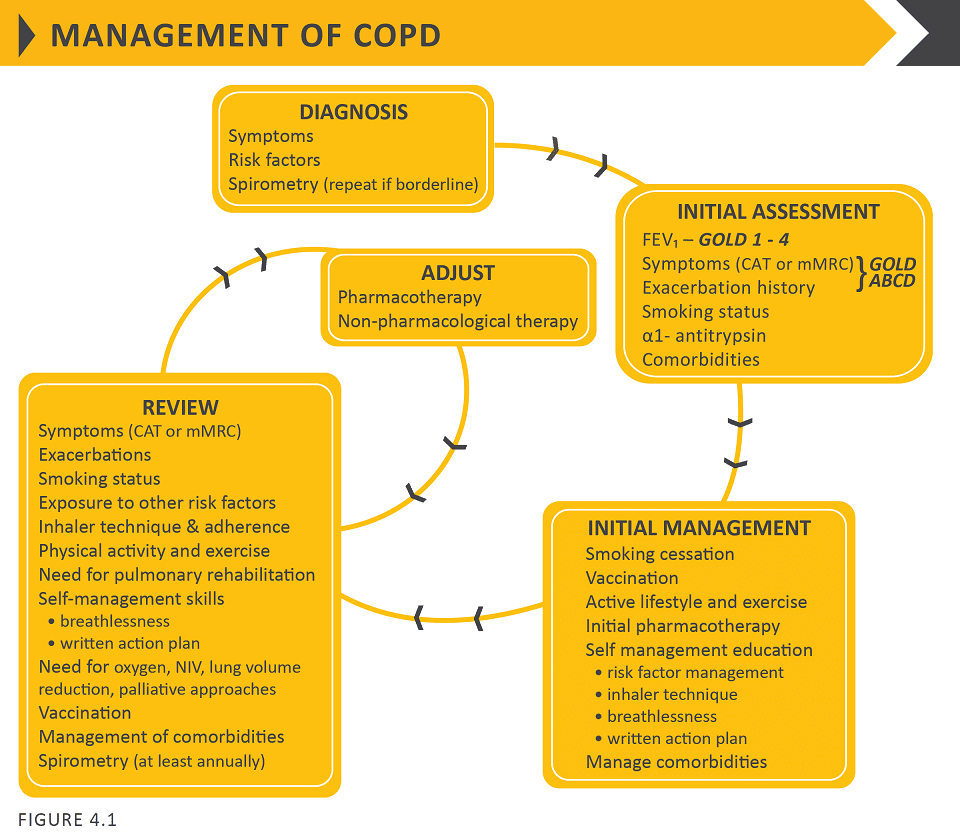
In conclusion, controlling Chronic Obstructive Pulmonary Disease requires a comprehensive approach that includes quitting smoking, taking medications as prescribed, following a healthy diet, engaging in regular exercise, practicing breathing techniques, getting vaccinated, avoiding environmental triggers, managing stress, monitoring symptoms, and participating in pulmonary rehabilitation. By incorporating these strategies into your daily life and working closely with your healthcare team, you can effectively manage your COPD and improve your quality of life. Remember, you are not alone in this journey, and with the right support and determination, you can take control of your respiratory health.