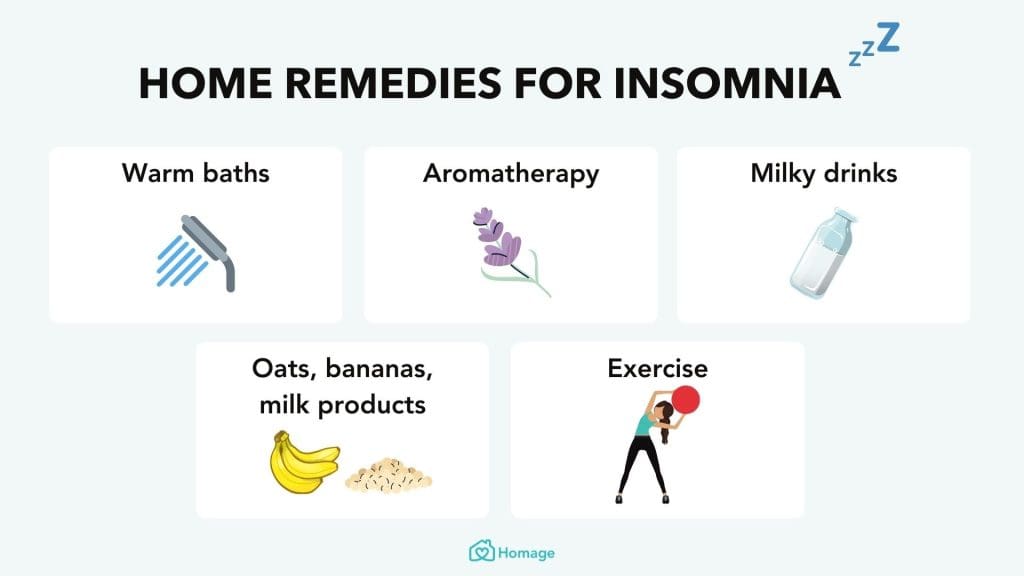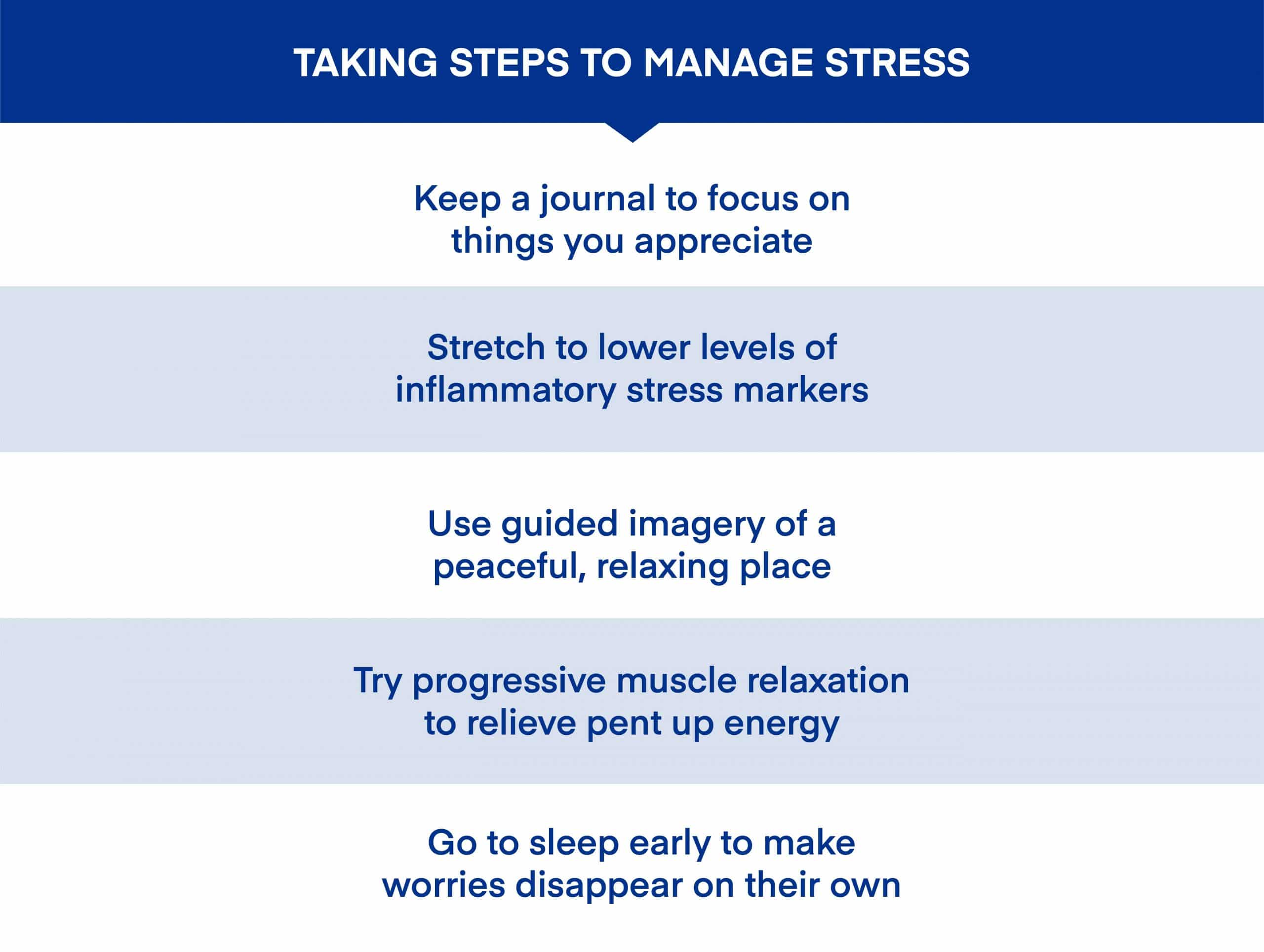
If you’ve ever struggled with sleep issues, you know how frustrating it can be. Tossing and turning, counting sheep, or even trying every trick in the book, all in the desperate hope of getting some much-needed shut-eye. That’s where holistic approaches to managing insomnia and sleep disorders come into play. Instead of relying on medication alone, this article explores the various natural and holistic techniques that can help you achieve a restful night’s sleep. From relaxation techniques to herbal remedies, discover a whole new world of possibilities that can finally bring you the peaceful slumber you’ve been longing for.
Lifestyle changes
Establishing a regular sleep schedule
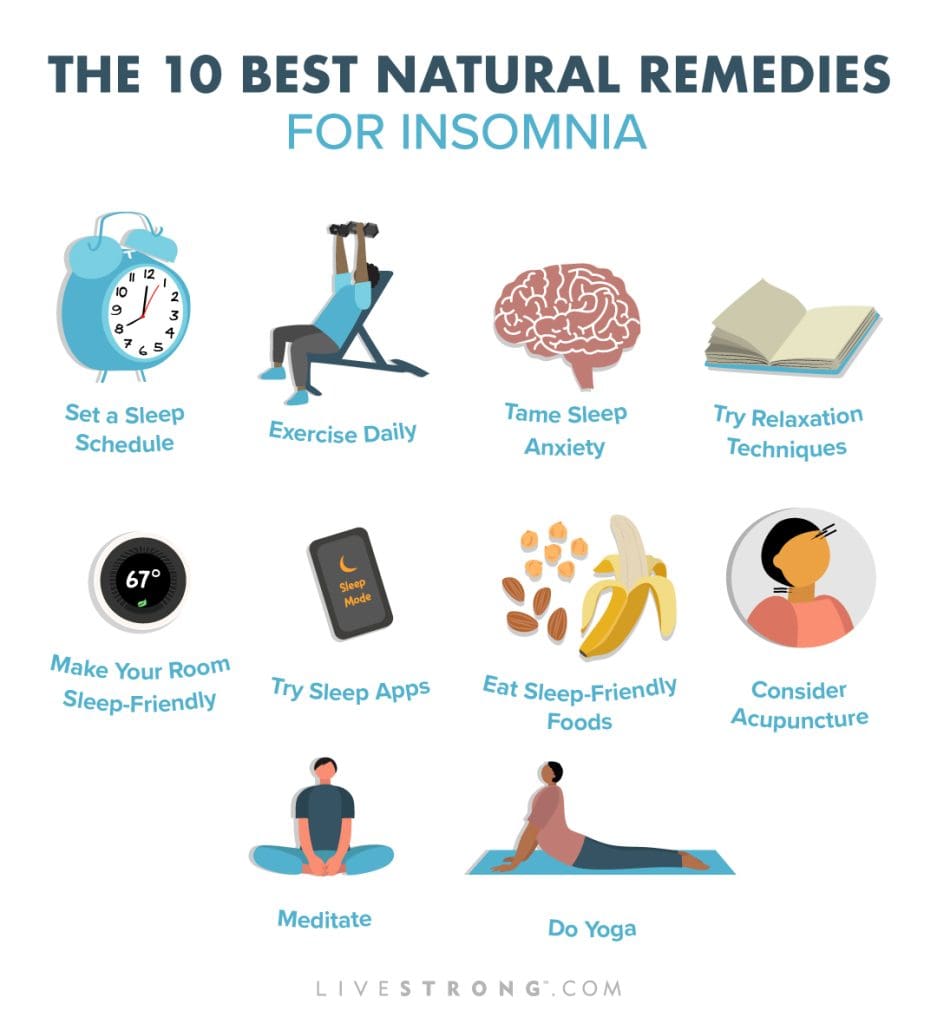
Establishing a regular sleep schedule is essential for improving your sleep quality. Going to bed and waking up at the same time every day helps regulate your internal clock and trains your body to expect sleep at certain times. By sticking to a consistent schedule, even on weekends, you can enhance your sleep efficiency and promote better overall sleep.
Creating a relaxing bedtime routine
Creating a relaxing bedtime routine can signal to your body that it’s time to wind down and prepare for sleep. Engage in activities that promote relaxation, such as reading a book, taking a warm bath, or practicing gentle stretching exercises. By incorporating calming activities into your routine, you can create a peaceful transition from wakefulness to sleep.
Avoiding stimulants before bedtime
Stimulants like caffeine, nicotine, and even certain medications can disrupt your sleep. It’s best to avoid consuming these substances in the hours leading up to bedtime. If you’re particularly sensitive to caffeine, consider cutting it out entirely or limiting your intake to the morning hours. By avoiding stimulants closer to bedtime, your body will have a better chance of naturally winding down for sleep.
Creating a comfortable sleep environment
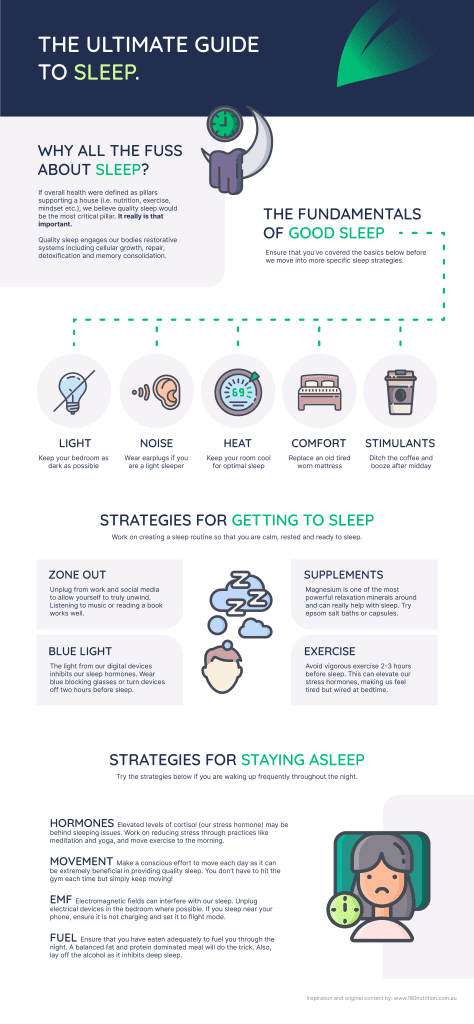
A comfortable sleep environment is crucial for a restful night’s sleep. Ensure that your bedroom is cool, quiet, and dark. Invest in a supportive mattress and pillow that cater to your specific needs. Additionally, consider using blackout curtains, earplugs, or white noise machines to block out any distractions that might interfere with your sleep. By creating an optimal sleep environment, you can enhance your comfort and promote better sleep.
Dietary adjustments
Reducing caffeine intake
Caffeine is a stimulant that can interfere with your ability to fall asleep and stay asleep. Consider reducing your caffeine intake, especially in the afternoon and evening. Be mindful of not only coffee and tea but also other hidden sources of caffeine, such as certain sodas, chocolate, and even some medications. By reducing your caffeine intake, you can decrease your reliance on stimulants and improve your sleep quality.
Avoiding heavy meals before bedtime
Eating a heavy meal too close to bedtime can lead to discomfort and indigestion, making it difficult to fall asleep. Try to finish your dinner at least two to three hours before you plan to go to bed. If you feel hungry before bed, opt for a light snack that includes sleep-promoting foods, such as a banana or a handful of almonds. By avoiding heavy meals before bedtime, you can allow your body to properly digest and avoid sleep disruptions.
Incorporating sleep-promoting foods into the diet
Certain foods can naturally promote sleep. Consider incorporating sleep-promoting foods into your diet, such as kiwi, tart cherries, or warm milk. These foods contain substances like melatonin and tryptophan, which can help regulate sleep. Additionally, foods high in magnesium, such as leafy greens, nuts, and seeds, can also support better sleep. By nourishing your body with sleep-enhancing foods, you can optimize your chances of a good night’s rest.
Limiting alcohol consumption
While alcohol may initially make you feel drowsy, it can disrupt your sleep later in the night. Avoid excessive alcohol consumption, especially close to bedtime, as it can lead to fragmented and poor-quality sleep. Instead, try to limit your alcohol intake and consider alternative sleep-promoting strategies. By reducing your alcohol consumption, you can optimize your sleep quality and wake up feeling refreshed.
Exercise and physical activity
Engaging in regular exercise
Regular exercise can significantly contribute to better sleep. Engage in at least 30 minutes of moderate-intensity exercise most days of the week. Activities like walking, jogging, cycling, or swimming can help regulate your sleep patterns and promote deeper, more restorative sleep. Choose an exercise routine that you enjoy to make it easier to incorporate into your daily life.
Timing exercise to maximize sleep benefits
The timing of your exercise can also impact your sleep. Try to finish your workouts at least a few hours before bedtime, as exercising too close to bedtime can leave you energized and make it harder to fall asleep. The increase in body temperature during exercise can take a few hours to return to normal, so it’s best to allow your body time to cool down before bed. By timing your exercise routine appropriately, you can optimize its sleep-promoting benefits.
Exploring relaxation exercises such as yoga or tai chi
In addition to regular exercise, exploring relaxation exercises like yoga or tai chi can further enhance your sleep quality. These practices involve gentle movements, deep breathing, and mindfulness, which can help calm your mind and relax your body. Consider incorporating these activities into your routine, especially in the evening, to release tension and prepare for a restful night’s sleep. By incorporating relaxation exercises into your lifestyle, you can promote both mental and physical relaxation, leading to better sleep.
Stress management
Practicing stress-reducing techniques like meditation or deep breathing
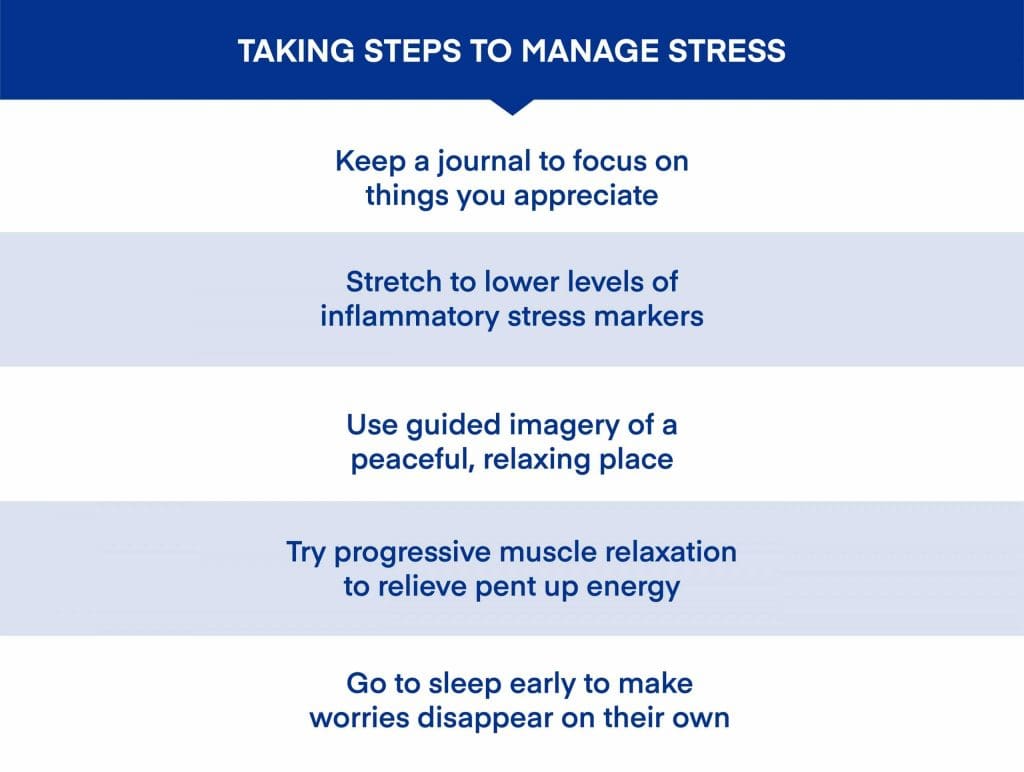
Stress and anxiety can greatly impact your ability to fall asleep and stay asleep. Incorporating stress-reducing techniques into your daily routine can help calm your mind and relax your body, making it easier to achieve restful sleep. Practices such as meditation, deep breathing exercises, or progressive muscle relaxation can help alleviate stress and promote a sense of calm before bed.
Identifying and addressing underlying causes of stress
Identifying and addressing the underlying causes of stress in your life is important for managing sleep disorders. Take time to reflect on the sources of your stress and seek ways to address them. This might involve adjusting your lifestyle, setting healthy boundaries, seeking support from loved ones, or even considering therapy or counseling. By tackling the root causes of stress, you can improve your overall well-being and create a more peaceful bedtime environment.
Creating a peaceful bedtime environment
Creating a peaceful bedtime environment can help reduce stress and set the stage for restful sleep. Dim the lights, play soothing music, or engage in activities that promote tranquility. Consider implementing relaxation techniques like aromatherapy or listening to gentle nature sounds to create a serene atmosphere. By consciously creating a peaceful bedtime environment, you can signal to your mind and body that it’s time to unwind and prepare for restful sleep.
Natural remedies
Herbal supplements and teas for sleep support
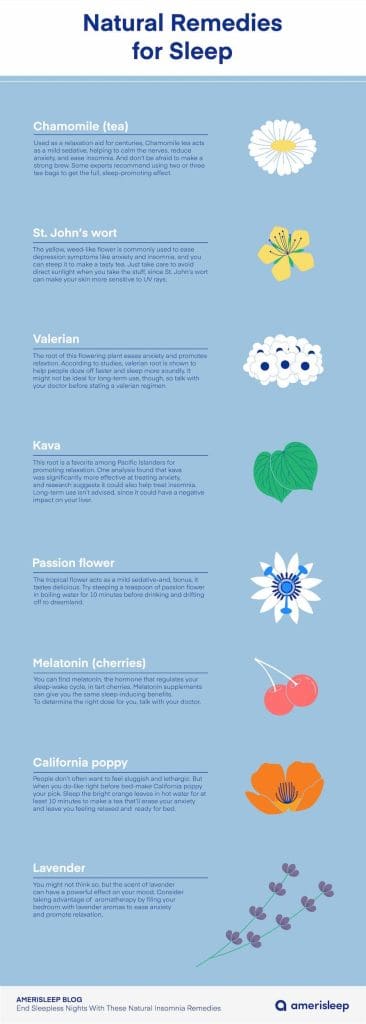
Herbal supplements and teas have long been used as natural remedies for sleep support. Some herbs like valerian root, chamomile, and lavender are known for their calming properties and can help promote sleep. Prior to trying any herbal supplements or teas, it’s important to consult with a healthcare professional, especially if you have any underlying health conditions or are taking other medications.
Aromatherapy with essential oils known for promoting relaxation
Aromatherapy can be used as a non-invasive and natural way to support better sleep. Essential oils like lavender, chamomile, and bergamot are known for their relaxing and sleep-inducing properties. Consider using an essential oil diffuser or adding a few drops to your pillowcase or a warm bath. Breathe in the soothing scents to help you unwind and prepare for sleep.
Using natural remedies like valerian root or chamomile
In addition to herbal teas, certain natural remedies like valerian root or chamomile supplements may have sleep-enhancing properties. These remedies have been used for centuries to support better sleep and relaxation. It’s important to consult with a healthcare professional before trying any natural remedies, especially if you have any pre-existing health conditions or are taking medications.
Trying acupuncture or acupressure
Acupuncture and acupressure are alternative therapies that involve stimulating specific points on the body to promote health and well-being. These techniques have shown promise in helping manage sleep disorders. By targeting specific pressure points, acupuncture or acupressure treatments can help release tension, reduce anxiety, and promote better sleep. It’s important to consult with a qualified practitioner to ensure safe and effective treatment.
Cognitive behavioral therapy for insomnia (CBT-I)
Understanding the principles of CBT-I
Cognitive Behavioral Therapy for Insomnia (CBT-I) is a type of therapy designed to address the underlying causes of insomnia and improve sleep habits. It focuses on identifying and challenging negative thoughts and beliefs about sleep, as well as implementing strategies to improve sleep hygiene and promote relaxation. Understanding the principles of CBT-I can empower you to make positive changes and take control of your sleep.
Identifying and challenging negative thoughts and beliefs about sleep
Negative thoughts and beliefs about sleep can create anxiety and perpetuate insomnia. Through CBT-I, you learn to identify and challenge these thoughts, replacing them with more positive and realistic beliefs about sleep. By reframing these negative thoughts, you can reduce anxiety and improve your sleep quality.
Developing strategies for improving sleep hygiene
Improving sleep hygiene is a fundamental aspect of CBT-I. By developing strategies such as establishing a regular sleep routine, creating a comfortable sleep environment, and avoiding stimulating activities before bed, you can optimize your sleep habits for better restfulness. CBT-I helps you identify and implement these strategies, shaping your sleep hygiene practices for long-term success.
Implementing relaxation techniques and sleep restriction
CBT-I often incorporates relaxation techniques and sleep restriction to promote better sleep. Relaxation techniques like deep breathing or progressive muscle relaxation can help calm the mind and body before bed. Sleep restriction involves limiting the time spent in bed to match the actual amount of sleep obtained, allowing for more efficient sleep. By implementing these techniques and strategies, you can improve your sleep efficiency and overall sleep quality.
Alternative therapies
Exploring the benefits of acupuncture
Acupuncture is an ancient Chinese therapy that involves inserting thin needles into specific points on the body. It is believed to promote the flow of energy and balance in the body, which can have a positive impact on overall health, including sleep. Exploring the benefits of acupuncture for sleep disorders can be a holistic approach to managing insomnia.
Considering the use of hypnotherapy or guided imagery
Hypnotherapy and guided imagery are alternative therapies that involve creating a deeply relaxed state to promote healing and positive change. These techniques can help reduce stress, anxiety, and insomnia. Consider exploring the use of hypnotherapy or guided imagery under the guidance of a qualified practitioner to enhance your sleep quality.
Trying biofeedback or neurofeedback techniques
Biofeedback and neurofeedback techniques involve monitoring and gaining control over physiological functions through feedback from specialized devices. These techniques can help increase awareness and regulate bodily responses to stress and relaxation. Trying biofeedback or neurofeedback therapy with a trained professional may assist in managing sleep disorders and promoting better sleep.
Investigating the use of homeopathy for sleep disorders
Homeopathy is a form of alternative medicine that utilizes highly diluted substances to stimulate the body’s natural healing processes. When it comes to sleep disorders, certain homeopathic remedies may be considered. However, it’s important to consult with a qualified homeopathic practitioner to identify the most appropriate remedies for your specific sleep issues.
Technology and sleep
Utilizing sleep tracking apps or wearable devices
Sleep tracking apps or wearable devices can provide valuable insights into your sleep patterns, duration, and quality. Utilizing these technologies can help you understand your sleep patterns and identify areas for improvement. By tracking your sleep, you can make informed decisions about lifestyle changes and create a personalized sleep routine for better rest.
Exploring sleep meditation or white noise apps
Sleep meditation apps and white noise apps can create a peaceful auditory environment conducive to sleep. These apps typically provide soothing sounds, guided meditations, or calming music to help you relax and drift into a restful sleep. Exploring these options can introduce a sense of tranquility and help you unwind before bed.
Using blue light filters on electronic devices
The blue light emitted from electronic devices can disrupt your circadian rhythm and interfere with your ability to fall asleep. Using blue light filters or enabling Night mode on your devices can help minimize exposure to stimulating light in the evening. By reducing your exposure to blue light, you can signal to your body that it’s time to wind down and prepare for sleep.
Implementing relaxation and guided sleep audio programs
Relaxation and guided sleep audio programs can provide soothing sounds, music, or voice prompts to help you unwind and fall asleep. These programs often focus on relaxation techniques, breathing exercises, or visualization to quiet the mind and induce sleep. By implementing these audio programs, you can create a calming atmosphere and promote a more restful sleep experience.
Adequate sleep hygiene
Establishing a regular sleep routine
Establishing a regular sleep routine is crucial for maintaining optimal sleep hygiene. Go to bed and wake up at the same time each day, even on weekends. This consistency helps regulate your body’s internal clock and promotes a more restful sleep. Stick to your routine as much as possible, allowing your body to adjust and prepare for sleep.
Avoiding napping during the day
While short power naps can be beneficial, excessive daytime napping can disrupt your nighttime sleep. Avoid taking long naps or napping too close to bedtime. If you feel the need for a nap, limit it to 20-30 minutes and avoid napping late in the afternoon. By avoiding excessive daytime napping, you can preserve your sleep drive and improve your chances of falling asleep at night.
Creating a comfortable sleep environment
Creating a comfortable sleep environment is essential for good sleep hygiene. Ensure your bedroom is cool, quiet, and dark. Invest in a supportive mattress and pillow that suit your preferences. Remove any distractions or sources of light that may interfere with sleep. By creating a conducive sleep environment, you can promote better sleep quality and more restful nights.
Limiting exposure to stimulating activities in bed
Your bed should be reserved primarily for sleep and intimate activities. Avoid engaging in stimulating activities, such as working on your laptop or watching intense TV shows, in bed. Instead, use your bedroom as a space for relaxation and sleep. By limiting stimulating activities in bed, you can train your brain to associate your sleep environment with rest and relaxation.
Seeking professional help
Consulting a healthcare professional or sleep specialist
If lifestyle changes and self-help strategies are not enough to improve your sleep, consider consulting a healthcare professional or sleep specialist. A professional can assess your sleep patterns, identify potential underlying causes or sleep disorders, and recommend appropriate treatments or interventions. Seeking professional help is an important step towards finding effective solutions for your specific sleep issues.
Exploring medical treatments for sleep disorders
In some cases, medical treatments may be necessary to manage sleep disorders. Depending on the underlying cause of your sleep issues, your healthcare provider may recommend medication, such as sleep aids or anti-anxiety medications, to support better sleep. It is important to follow your healthcare professional’s guidance and discuss any potential risks or side effects associated with these treatments.
Considering therapy or counseling for underlying causes of insomnia
Insomnia is often linked to underlying psychological or emotional issues. Considering therapy or counseling can help address these underlying causes and provide tools to manage stress, anxiety, and other factors impacting sleep. A therapist can work with you to develop coping mechanisms, relaxation techniques, and cognitive strategies to improve your sleep quality.
Participating in support groups for sleep disorders
Joining support groups for sleep disorders can provide a sense of community and understanding. Engaging with others who experience similar sleep challenges can offer valuable insights, empathy, and support. Support groups can be found online or through local organizations specializing in sleep disorders. Participating in these groups can help you feel less alone and provide additional resources and knowledge for managing your sleep issues.
In conclusion, managing insomnia and sleep disorders holistically involves making lifestyle changes, incorporating dietary adjustments, engaging in physical activity, practicing stress management techniques, exploring natural remedies, considering alternative therapies, utilizing technology for sleep improvement, practicing good sleep hygiene, and seeking professional help when needed. By taking a comprehensive approach to sleep management, you can optimize your sleep quality and improve your overall well-being. Remember, it’s essential to consult with healthcare professionals and qualified practitioners for personalized advice and guidance on specific approaches that best suit your needs and circumstances.