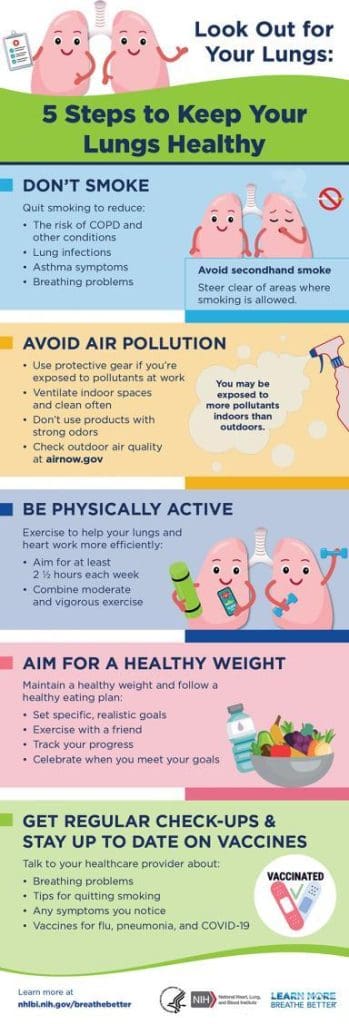
Whether you’re a man yourself or know someone who is, having healthy lungs is crucial for overall well-being. In this article, we will explore some top ways to improve lung health specifically for men. By incorporating these simple tips into your daily routine, you can take proactive steps toward enhancing your lung function and enjoying a healthier life. So, let’s dive into the world of lung health and discover the best practices that can make a positive impact on your respiratory well-being.
Quit Smoking
Join a support group
If you’re struggling to quit smoking on your own, joining a support group can significantly increase your chances of success. Being surrounded by individuals who understand your journey and can offer support and encouragement can make a world of difference. These groups provide a safe space to share your experiences, discuss challenges, and celebrate milestones. They can also offer advice on coping strategies, provide resources, and connect you with healthcare professionals who specialize in smoking cessation.
Use nicotine replacement therapy
Nicotine replacement therapy (NRT) is a method that helps reduce withdrawal symptoms when quitting smoking. NRT provides controlled doses of nicotine without the harmful chemicals found in cigarettes. There are various forms of NRT available, including nicotine patches, gums, lozenges, inhalers, and nasal sprays. These products can help alleviate cravings and gradually wean you off nicotine, making the quitting process more manageable. It’s essential to consult with a healthcare professional to determine the most suitable form and dosage of NRT for you.
Try prescription medications
In addition to support groups and nicotine replacement therapy, prescription medications can be helpful tools in your journey to quit smoking. Medications such as bupropion and varenicline can reduce nicotine cravings and withdrawal symptoms. These medications work by targeting the brain receptors affected by nicotine, making it easier to resist the urge to smoke. However, it’s crucial to discuss the potential side effects and risks with a healthcare professional before starting any prescription medication regimen.
Find healthier coping mechanisms
Quitting smoking can be emotionally challenging, as cigarettes often serve as a coping mechanism for stress, anxiety, or boredom. It’s important to find alternative ways to deal with these emotions effectively. Engaging in activities such as exercising, practicing mindfulness or meditation, journaling, or spending time with loved ones can provide healthy outlets for stress relief. Experiment with different coping mechanisms and find what works best for you. Remember, it’s okay to lean on your support network during this process and seek professional help if needed.
Exercise Regularly
Engage in aerobic activities
Regular aerobic exercise has numerous benefits for lung health. Activities like brisk walking, running, cycling, swimming, or dancing increase lung capacity, strengthen the respiratory muscles, and improve overall cardiovascular fitness. Engaging in aerobic exercise helps improve oxygen flow to the lungs, enhancing their function and efficiency. Aim for at least 150 minutes of moderate-intensity aerobic exercise or 75 minutes of vigorous-intensity aerobic exercise each week to reap the maximum benefits.
Incorporate strength training
While cardiovascular exercise is essential for lung health, don’t forget to incorporate strength training exercises into your routine. Strength training, such as weightlifting or bodyweight exercises, helps build muscle mass, including the muscles involved in breathing. Strengthening these muscles can aid in respiratory function and improve lung efficiency. Aim to include two to three days of strength training exercises targeting major muscle groups each week. Remember to start slowly, gradually increasing weights and difficulty to avoid strain or injury.
Practice deep breathing exercises
Deep breathing exercises can help improve lung function and capacity. These exercises focus on expanding and contracting the lungs fully, enabling them to take in more oxygen and release carbon dioxide efficiently. A simple deep breathing technique involves inhaling deeply through your nose, filling your lungs with air, and then exhaling slowly through your mouth, emptying your lungs completely. Practice deep breathing exercises regularly, especially in moments of stress or tension, to promote lung health and overall well-being.

Maintain a Healthy Diet
Include fruits and vegetables
A nutritious diet rich in fruits and vegetables is crucial for maintaining optimal lung health. Fruits and vegetables are packed with antioxidants, vitamins, and minerals that help protect the lungs from oxidative stress and inflammation caused by harmful substances. Aim to include a variety of colorful fruits and vegetables in your meals to maximize nutrient intake. Berries, citrus fruits, leafy greens, broccoli, tomatoes, and bell peppers are excellent choices that provide essential nutrients for lung health.
Consume whole grains
Whole grains, such as oats, brown rice, quinoa, and whole wheat, are high in fiber and contain important nutrients that support lung health. These grains can help reduce the risk of respiratory conditions and promote overall lung function. Including whole grains in your diet provides sustained energy, aids digestion, and contributes to a healthy weight, which is beneficial for lung health. Replace refined grains, such as white bread and pasta, with whole grain alternatives to reap the benefits.
Limit processed and fried foods
Processed and fried foods are often high in unhealthy fats, sodium, and additives that can negatively impact lung health. These foods can contribute to weight gain, inflammation, and increased risk of respiratory issues. To improve lung health, limit your consumption of processed snacks, fast food, fried foods, and sugary drinks. Opt for homemade meals prepared with fresh, whole ingredients whenever possible. Choose healthier cooking methods, such as baking, grilling, or steaming, to retain the nutritional value of your food.
Stay hydrated
Drinking an adequate amount of water is essential for promoting optimal lung function. Staying hydrated helps thin mucus secretions in the airways, making it easier to cough up and clear any irritants or bacteria. Aim to drink at least eight glasses of water per day, and more if you engage in physical activity or live in a dry environment. If you find it challenging to drink plain water, try infusing it with fresh fruits or herbs for a refreshing twist.
Avoid Exposure to Pollutants
Minimize time spent in polluted areas
Exposure to pollutants, such as cigarette smoke, air pollution, and chemicals, can significantly harm your lungs. Minimize your time spent in highly polluted environments, such as heavily trafficked areas or industrial zones. When air quality is poor, consider staying indoors or changing your outdoor activities to reduce exposure to harmful pollutants. Stay informed about local air quality reports and take necessary precautions to protect your lungs.
Use air purifiers at home
Investing in an air purifier can greatly improve the air quality in your home and reduce your exposure to pollutants. These devices help filter out airborne particles, allergens, and pollutants that can irritate your respiratory system. Look for air purifiers with HEPA filters, as they are highly effective in capturing even the smallest particles. Place air purifiers in frequently used rooms, such as the bedroom or living room, to ensure clean air circulation throughout your home.
Wear masks in heavily polluted environments
When you cannot avoid being in heavily polluted environments, wearing a mask can help filter out harmful particles and protect your lungs. N95 masks or masks specifically designed for air pollution can be effective in reducing your exposure to pollutants. Ensure that the mask fits snugly over your nose and mouth, creating a seal to prevent particles from entering your respiratory system. Always follow the manufacturer’s instructions and replace the mask when necessary.
Stay Hygienic
Wash hands frequently
Frequent handwashing is essential for preventing the spread of infectious diseases and maintaining overall health. Wash your hands thoroughly with soap and water for at least 20 seconds, especially before eating, after using the restroom, and after being in public spaces. Proper handwashing removes bacteria and viruses from your hands, reducing the risk of respiratory infections that can affect your lungs.
Cover mouth and nose when coughing or sneezing
Covering your mouth and nose when coughing or sneezing is a simple yet effective way to prevent the spread of respiratory droplets that can carry viruses and bacteria. Use a tissue or, if unavailable, cough or sneeze into your elbow to minimize the release of potentially harmful particles into the air. Properly disposing of used tissues and washing your hands afterward further reduces the risk of respiratory infections.
Clean and disinfect frequently touched surfaces
Regularly cleaning and disinfecting frequently touched surfaces in your home and workplace is crucial for preventing the spread of germs and reducing the risk of respiratory infections. Use appropriate cleaning products and follow the instructions for effective disinfection. Pay special attention to surfaces such as doorknobs, light switches, countertops, and electronics. By maintaining a clean environment, you minimize the chances of coming into contact with harmful pathogens that can compromise lung health.
Manage Stress Levels
Practice relaxation techniques
Chronic stress can negatively impact your overall health, including your lung function. Engaging in relaxation techniques such as deep breathing exercises, meditation, yoga, or tai chi can help reduce stress levels and promote lung health. These practices encourage mindful breathing, which can improve lung capacity and oxygen exchange. Incorporate relaxation techniques into your daily routine to alleviate stress and support your lung health.
Engage in hobbies and activities you enjoy
Participating in activities that bring you joy and relaxation is an excellent way to manage stress and improve overall well-being. Whether it’s playing a musical instrument, painting, gardening, or hiking, engaging in hobbies can distract your mind from stressors and help reduce stress. Make time for activities you enjoy and prioritize self-care to maintain a healthy balance in your life.
Seek professional help if needed
If stress becomes overwhelming and starts affecting your daily life, seeking professional help is crucial. Mental health professionals can provide guidance, support, and therapeutic interventions to help you manage stress effectively. They can offer coping strategies, teach stress management techniques, and address any underlying issues contributing to your stress levels. Remember, reaching out for help is a sign of strength and can significantly improve your well-being and lung health.

Get Vaccinated
Get an annual flu shot
Annual flu vaccinations are essential for protecting your respiratory health, especially during flu seasons. Influenza can lead to severe respiratory complications, particularly in individuals with compromised lung function. By getting an annual flu shot, you significantly reduce your risk of contracting the flu and developing complications. Consult with your healthcare provider to determine the best time and type of flu vaccine for you.
Consider pneumonia and COVID-19 vaccines
Pneumonia and COVID-19 are respiratory illnesses that can cause severe complications, especially for those with underlying lung conditions. Vaccinations against pneumonia and COVID-19 are recommended to reduce the risk of infection and prevent adverse outcomes. Talk to your healthcare provider about the appropriate vaccines and schedules based on your age, health status, and local guidelines. Vaccination plays a crucial role in safeguarding your lung health and the health of those around you.
Avoid Secondhand Smoke Exposure
Stay away from smokers and smoking areas
One of the most effective ways to protect your lungs from the harmful effects of tobacco smoke is to avoid secondhand smoke exposure. If you’re a non-smoker, make a conscious effort to stay away from smokers and smoking areas. Encourage friends and family members who smoke to do so outside or away from shared spaces. By reducing your exposure to secondhand smoke, you significantly decrease the risk of developing respiratory problems.
Ensure smoke-free environments at home and work
Creating smoke-free environments at home and work is essential for maintaining lung health. If you or someone in your household smokes, consider quitting or establishing designated outdoor smoking areas away from others. Advocate for smoke-free policies in your workplace and support initiatives that promote a healthy, smoke-free environment. By eliminating or minimizing exposure to secondhand smoke, you enhance your lung health and protect those around you.
Limit Alcohol Consumption
Follow moderate drinking guidelines
Excessive alcohol consumption can have detrimental effects on lung health. To support your lung health, it’s important to adhere to moderate drinking guidelines. The Centers for Disease Control and Prevention (CDC) defines moderate drinking as up to one drink per day for women and up to two drinks per day for men. It’s crucial to note that excessive alcohol intake can impair lung function, increase the risk of respiratory infections, and even lead to lung disease. If you’re struggling with alcohol consumption, seek professional help to address any underlying issues and improve your lung health.
Avoid binge drinking
Binge drinking, defined as consuming a large quantity of alcohol in a short period, can have severe consequences on lung health. It can lead to inflammation, damage to lung tissues, and impair the body’s immune response. Avoiding binge drinking is vital for protecting your respiratory system and overall well-being. Practice responsible drinking habits and be mindful of your alcohol consumption, adhering to the recommended limits to support your lung health.
Regular Health Check-ups
Visit your healthcare provider for routine check-ups
Regular check-ups with your healthcare provider are essential for maintaining optimal lung health. These visits allow your doctor to monitor your lung function, identify any potential issues early on, and provide necessary interventions. Your healthcare provider may recommend lung function tests, such as spirometry, to assess your lung capacity and function. By prioritizing regular check-ups, you demonstrate a proactive approach to your lung health and enable timely interventions if needed.
Monitor lung function with spirometry tests
Spirometry tests are non-invasive tests that measure lung function and help identify respiratory conditions such as asthma or chronic obstructive pulmonary disease (COPD). These tests involve blowing into a device that measures the volume and flow of air in your lungs. Regular spirometry tests can monitor any changes in lung function, providing valuable information for your healthcare provider to assess your respiratory health and adjust treatment plans if necessary. Discuss with your healthcare provider the frequency of spirometry tests and any concerns you may have about your lung health.
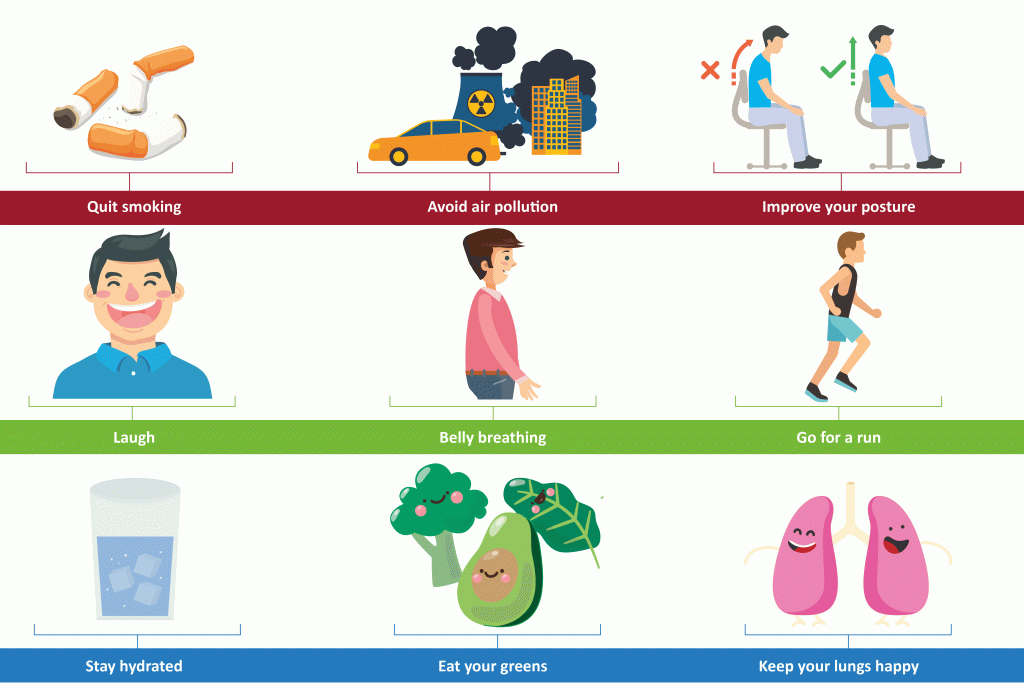
In conclusion, taking proactive steps to improve and maintain lung health is crucial for overall well-being. By quitting smoking, engaging in regular exercise, maintaining a healthy diet, avoiding pollutants, practicing good hygiene, managing stress, getting vaccinated, avoiding secondhand smoke exposure, limiting alcohol consumption, and scheduling regular health check-ups, you can significantly enhance your lung health. Remember, it’s never too late to start prioritizing your lungs and taking control of your respiratory well-being. Start implementing these strategies today and enjoy the benefits of healthier lungs for years to come.