If you’re tired of tossing and turning all night, struggling to get a good night’s sleep, then it might be time to explore holistic approaches to treating insomnia. In this article, we’ll take a closer look at the benefits of holistic medicine and how it can help you overcome sleepless nights. From lifestyle changes to alternative therapies, you’ll discover a range of natural solutions to promote better sleep and overall well-being. So, get ready to say goodbye to restless nights and hello to a more peaceful slumber.
1. Understanding Insomnia
Common symptoms of insomnia
Insomnia is a sleep disorder that affects millions of people worldwide. If you find yourself struggling to fall asleep, stay asleep, or experience poor quality sleep, you may be experiencing insomnia. Common symptoms of insomnia include difficulty falling asleep at night, waking up frequently during the night, waking up too early in the morning, feeling tired after waking up, daytime sleepiness, and difficulty concentrating or remembering things.
Types of insomnia
Insomnia can be classified into two categories: acute and chronic. Acute insomnia is short-term and usually lasts for a few days or weeks. It is often triggered by stressful life events, such as a significant change in routine, work-related stress, or personal problems. On the other hand, chronic insomnia is long-term, lasting for a month or more, and can be caused by underlying medical or psychiatric conditions, hormonal imbalances, or lifestyle factors.
Causes of insomnia
Insomnia can have various causes, including stress, anxiety, depression, chronic pain, certain medications, caffeine or nicotine consumption, irregular sleep schedule, and an uncomfortable sleep environment. Identifying and addressing the underlying causes of your insomnia is crucial for finding an effective treatment plan.
2. Importance of Holistic Approaches
Why holistic approaches are beneficial
Holistic approaches to treating insomnia focus on addressing the root causes of the sleep disorder and promoting overall well-being. Unlike traditional medicine that may solely rely on medication, holistic approaches take into account the interconnectedness of the body, mind, and spirit. By adopting a holistic approach, you can achieve long-lasting results and improve not only your sleep but also your overall quality of life.
Addressing underlying causes
Holistic approaches emphasize identifying and addressing the underlying causes of insomnia rather than just treating the symptoms. By addressing factors such as stress, anxiety, and lifestyle habits, you can effectively manage and overcome insomnia. This comprehensive approach helps in finding sustainable solutions that can improve your sleep patterns in the long run.
Promoting overall well-being
Holistic approaches not only focus on sleep but also prioritize improving your overall well-being. By adopting healthier lifestyle habits and engaging in relaxation techniques, you can experience a positive impact on various aspects of your life, including energy levels, mood, and mental clarity. Taking a holistic approach to treating insomnia can lead to a more balanced and fulfilling life.
3. Lifestyle Modifications
Establishing a consistent sleep schedule
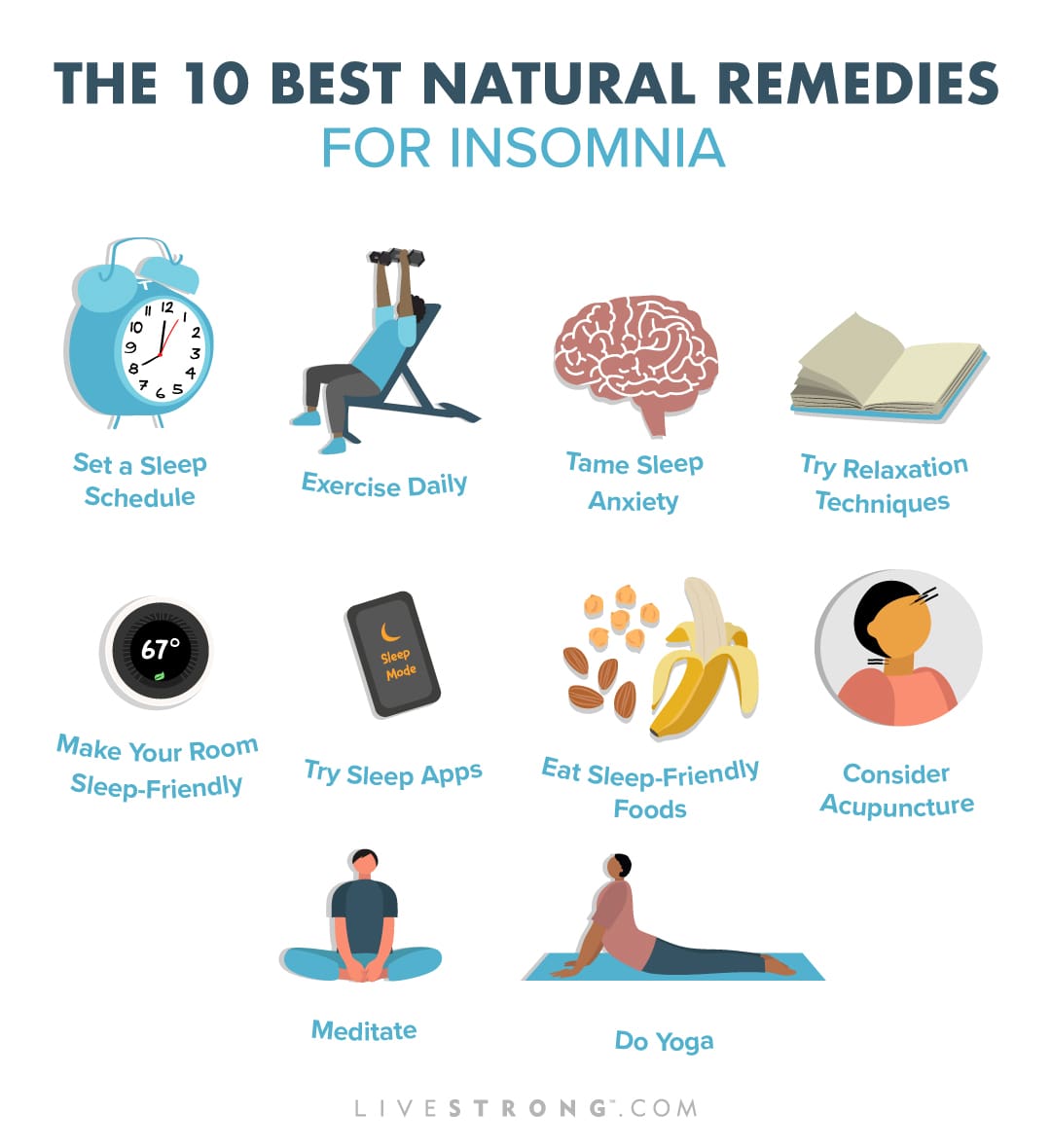
Creating a consistent sleep schedule is crucial for regulating your body’s internal clock and promoting healthy sleep patterns. Aim to go to bed and wake up at the same time every day, even on weekends. By sticking to a regular sleep routine, you help train your body to recognize when it’s time to sleep and when it’s time to wake up.
Creating a sleep-friendly environment
Your sleep environment plays a significant role in your ability to fall asleep and stay asleep. Ensure that your bedroom is cool, dark, and quiet to promote a restful sleep environment. Invest in a comfortable mattress and pillows, use blackout curtains or an eye mask to block out any light, and consider using earplugs or a white noise machine to mask unwanted noises.
Limiting exposure to stimulating activities before bed
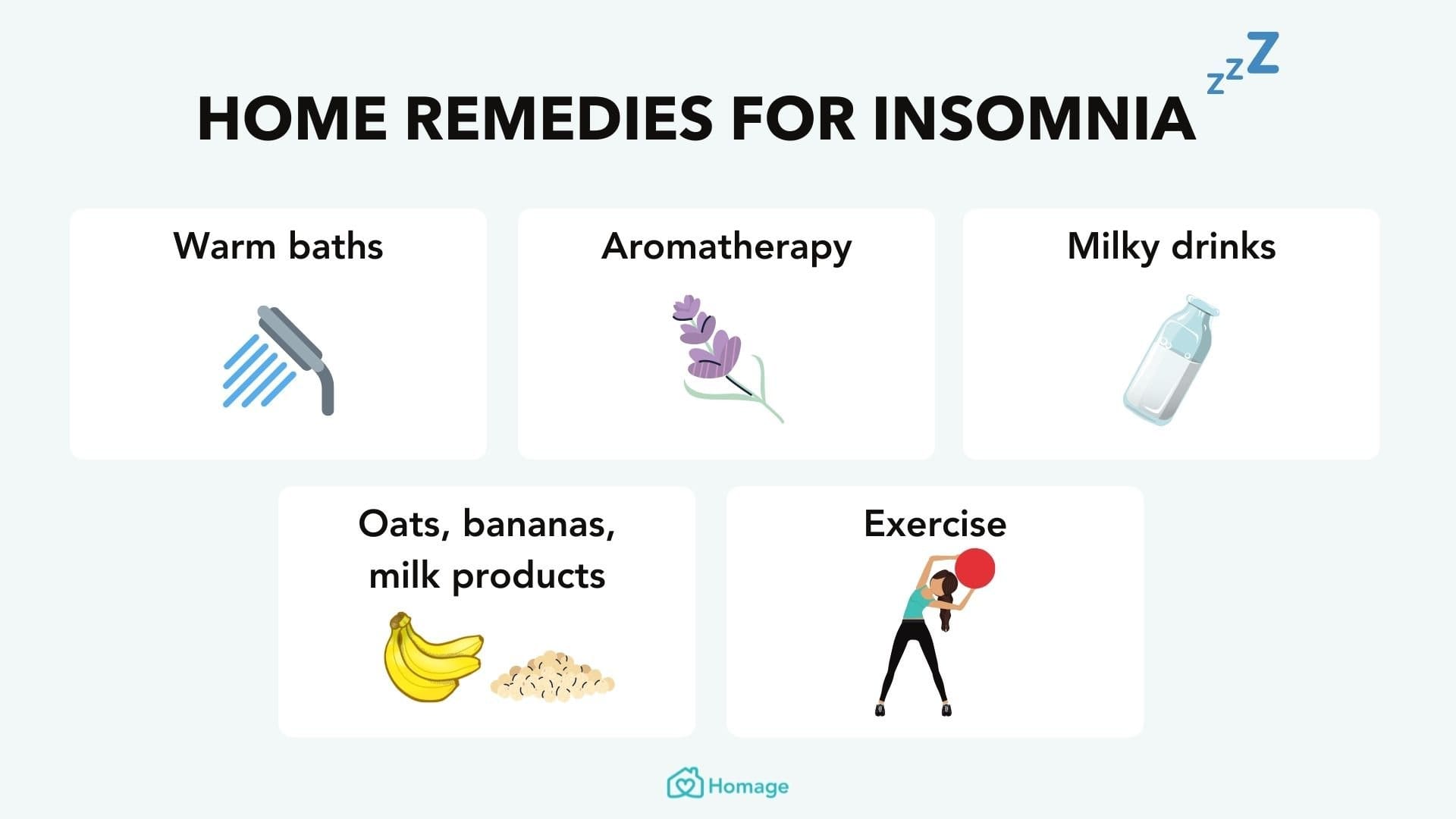
Engaging in stimulating activities close to bedtime can make it challenging to wind down and prepare your body for sleep. Avoid using electronic devices, such as smartphones or tablets, at least an hour before bed as the blue light emitted by these devices can interfere with your sleep hormones. Instead, opt for relaxing activities such as reading a book, taking a warm bath, or practicing gentle stretching exercises.
Practicing relaxation techniques
Relaxation techniques can help calm your mind and prepare your body for sleep. Consider incorporating practices such as deep breathing exercises, progressive muscle relaxation, or guided imagery into your bedtime routine. These techniques can help reduce stress and promote relaxation, making it easier for you to fall asleep and stay asleep throughout the night.
4. Dietary Changes
Avoiding stimulants like caffeine and nicotine
Stimulants like caffeine and nicotine can interfere with your ability to fall asleep and stay asleep. It’s important to avoid consuming these substances, especially close to bedtime. Limit your caffeine intake, opting for decaffeinated beverages or herbal teas instead. Similarly, if you’re a smoker, consider quitting or at least avoid smoking in the hours leading up to bedtime.
Consuming sleep-promoting foods and drinks
Some foods and drinks contain natural compounds that can help promote sleep. Incorporate sleep-promoting foods into your diet, such as almonds, walnuts, tart cherry juice, kiwi, and warm milk. Additionally, herbal teas like chamomile tea or valerian root tea can have relaxing effects on the body, making them great choices to include in your evening routine.
The role of a balanced diet in sleep quality
Maintaining a balanced diet can contribute to better sleep quality. Avoid consuming heavy meals close to bedtime as it can lead to discomfort or indigestion. Instead, opt for lighter, easily digestible meals. Additionally, make sure your diet includes an adequate amount of essential nutrients like magnesium and vitamin B6, as they play a role in promoting healthy sleep.
5. Herbal Remedies
Chamomile tea
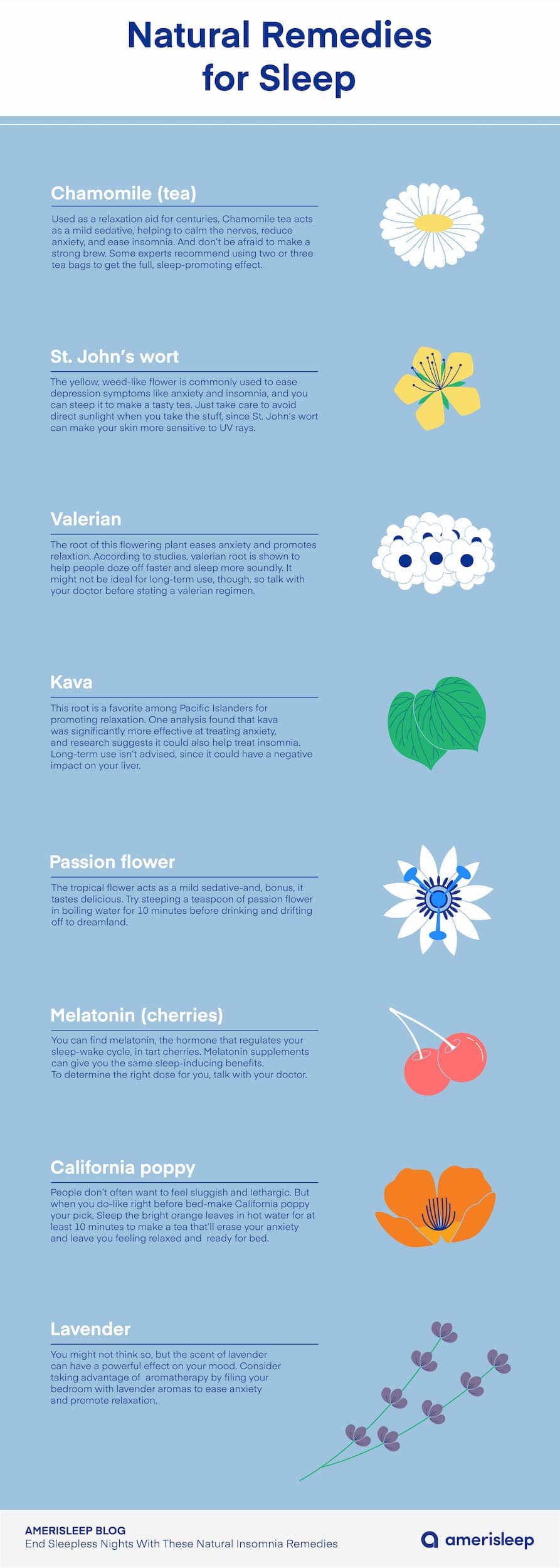
Chamomile tea has been used for centuries as a natural remedy for promoting sleep and relaxation. It contains apigenin, a compound with calming properties that can help reduce anxiety and induce sleepiness. Enjoying a cup of chamomile tea before bedtime can be a soothing ritual that prepares your mind and body for a restful night’s sleep.
Valerian root
Valerian root is a herbal remedy that has been used for centuries to promote sleep. It can help improve sleep quality and reduce the time it takes to fall asleep. Valerian root is available in various forms, including capsules, tinctures, or teas. However, it is recommended to consult with a healthcare professional before incorporating valerian root into your sleep routine.
Lavender essential oil
Lavender essential oil is known for its relaxing and calming properties. Diffusing lavender oil in your bedroom or adding a few drops to your bathwater can create a soothing atmosphere that promotes better sleep. Additionally, you can apply diluted lavender oil to your temples or pulse points for a gentle, natural sleep aid.
Passionflower extract
Passionflower extract is derived from the passionflower plant and is commonly used as an herbal remedy for anxiety and insomnia. It can help calm the mind, reduce racing thoughts, and promote relaxation. Passionflower extract can be consumed in the form of capsules, teas, or tinctures. As with any herbal remedy, it’s advisable to consult with a healthcare professional before use.
6. Acupuncture
Understanding acupuncture and its benefits
Acupuncture is an ancient Chinese medical practice that involves the insertion of thin needles into specific points on the body. It is believed to stimulate the body’s natural healing abilities and promote overall well-being. Acupuncture has been found to have various benefits, including reducing stress, relieving pain, and improving sleep quality.
How acupuncture can promote better sleep
Acupuncture can help promote better sleep by addressing imbalances in the body that may be contributing to insomnia. By targeting specific acupuncture points related to sleep regulation, acupuncture treatment aims to restore balance and promote relaxation. Some studies have shown that acupuncture can increase the production of melatonin, a hormone that regulates sleep-wake cycles.
Finding a qualified acupuncture practitioner
If you’re considering acupuncture as a treatment for insomnia, it’s essential to find a qualified and licensed acupuncture practitioner. Look for recommendations from trusted sources, such as your healthcare provider or friends who have tried acupuncture. Ensure that the practitioner has the necessary credentials and experience to provide safe and effective treatment.
7. Ayurvedic Medicine
The principles of Ayurveda
Ayurveda is a traditional Indian system of medicine that focuses on achieving balance and harmony within the body, mind, and spirit. In Ayurveda, sleep is considered a vital component of overall health, and imbalances in the body can disrupt sleep patterns. Ayurvedic medicine uses a combination of lifestyle modifications, dietary changes, herbs, and therapies to promote better sleep.
Popular Ayurvedic herbs for insomnia
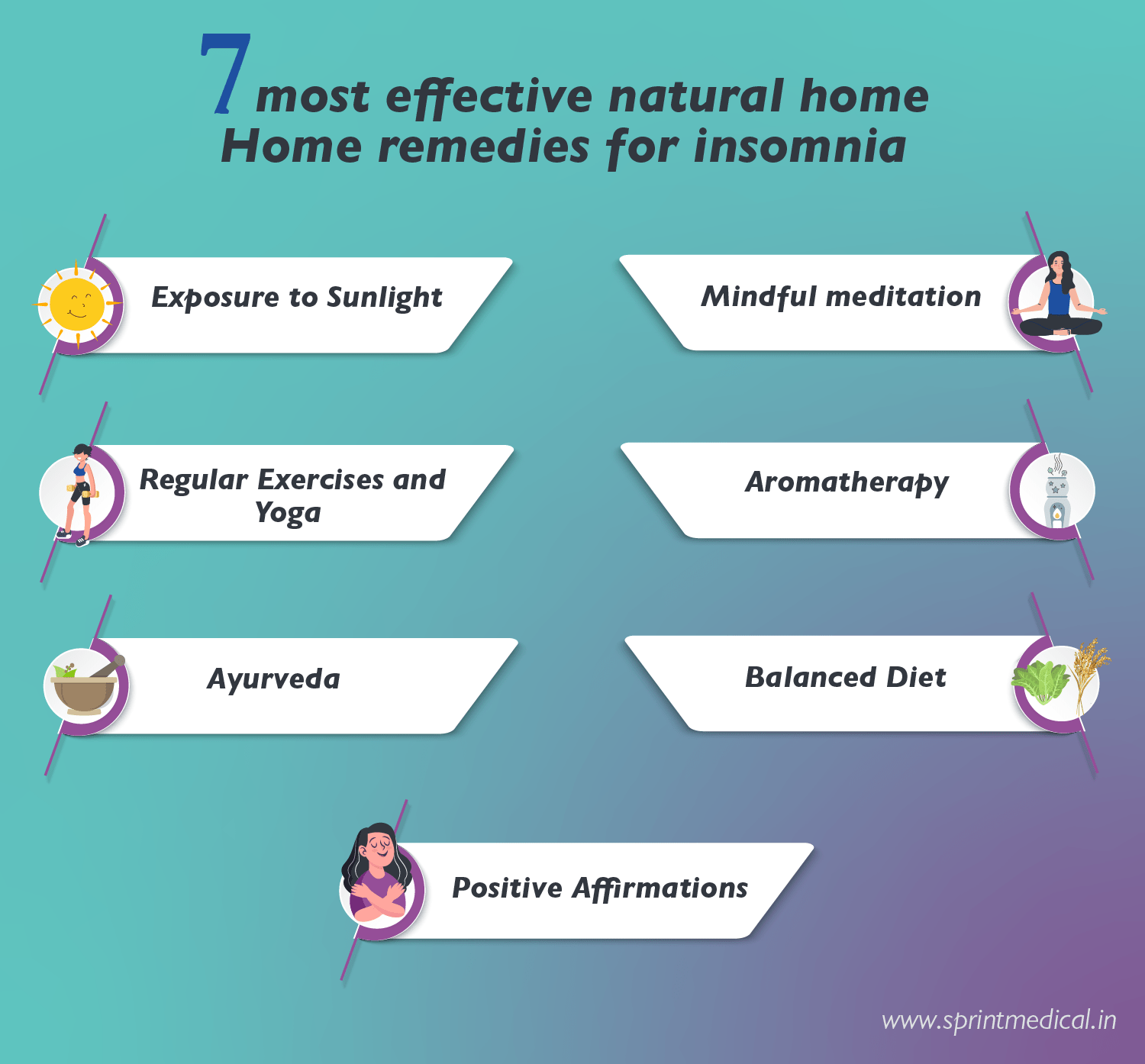
Ayurvedic medicine utilizes various herbs to promote relaxation, reduce stress, and improve sleep quality. Some popular Ayurvedic herbs for insomnia include Ashwagandha, Brahmi, Jatamansi, and Shankhpushpi. These herbs have adaptogenic properties, meaning they can help the body adapt to stress and promote a state of calmness conducive to better sleep.
Ayurvedic lifestyle recommendations for better sleep
In addition to incorporating herbal remedies, Ayurveda emphasizes lifestyle modifications to improve sleep quality. Following Ayurvedic principles, you may be recommended to establish a consistent sleep routine, practice self-care rituals like oil massages, engage in gentle yoga or stretching exercises, and cultivate a calm and clutter-free sleep environment.
8. Mindfulness and Meditation
The relationship between mindfulness and sleep
Mindfulness is the practice of being fully present in the current moment and non-judgmentally observing one’s thoughts, feelings, and sensations. Research has shown that practicing mindfulness can help reduce anxiety and stress, which are common contributors to insomnia. By cultivating a mindful state, you can create a calmer mental space that promotes better sleep.
Practicing mindfulness meditation for insomnia
Mindfulness meditation involves focusing your attention on the present moment, observing your thoughts and sensations without judgment. By incorporating mindfulness meditation into your bedtime routine, you can quiet your racing thoughts, relax your body, and ease into a state of sleepiness. There are various guided mindfulness meditation apps and resources available to help you get started.
Incorporating mindfulness into daily life
While practicing mindfulness meditation before bed can be beneficial, incorporating mindfulness into your daily life can have a lasting impact on your sleep quality. Take moments throughout the day to check-in with your body and mind, practice deep breathing exercises, and engage in activities that bring you joy and promote relaxation. Cultivating mindfulness throughout your day can help reduce stress and improve your overall sleep patterns.
9. Exercise and Physical Activity
The impact of exercise on sleep quality
Regular exercise and physical activity have been shown to have a positive impact on sleep quality. Engaging in moderate-intensity aerobic exercise or strength training can help regulate your sleep-wake cycle, reduce anxiety and depression, and promote feelings of tiredness at night. However, it’s important to note that exercising too close to bedtime can have a stimulatory effect, so it’s best to finish your workout a few hours before bed.
Recommended exercises for better sleep
Incorporating a variety of exercises into your routine can help improve sleep quality. Aim for at least 150 minutes of moderate-intensity aerobic exercise or 75 minutes of vigorous-intensity aerobic exercise per week. Some exercises that can promote better sleep include walking, jogging, swimming, cycling, yoga, and tai chi. Find activities that you enjoy and make them a regular part of your routine.
Establishing a regular exercise routine
To reap the sleep-enhancing benefits of exercise, it’s important to establish a regular exercise routine. Schedule your workouts at consistent times throughout the week and prioritize physical activity as part of your daily routine. Remember to start slowly if you’re new to exercise and gradually increase the intensity and duration of your workouts to avoid injury.
10. Professional Help and Therapies
When to seek professional help
While lifestyle modifications, herbal remedies, and self-help techniques can be effective for managing insomnia, there may be instances where professional help is necessary. If your insomnia persists despite trying various holistic approaches or if it significantly impacts your daily life and well-being, it’s important to seek guidance from a healthcare professional. They can assess your situation, identify underlying causes, and provide appropriate treatment options.
Cognitive Behavioral Therapy for Insomnia (CBT-I)
Cognitive Behavioral Therapy for Insomnia (CBT-I) is a specialized form of therapy that has been proven effective in treating chronic insomnia. CBT-I focuses on identifying and changing patterns of negative thinking and behaviors that contribute to insomnia. It includes techniques such as sleep restriction therapy, stimulus control, relaxation training, and cognitive restructuring. CBT-I can help re-establish healthy sleep patterns and improve overall sleep quality.
Other alternative therapies for insomnia
In addition to acupuncture, Ayurveda, and mindfulness meditation, there are other alternative therapies that can be explored for insomnia. These therapies include aromatherapy, massage therapy, hypnotherapy, and biofeedback. While the effectiveness of these therapies may vary for each individual, they offer alternative options for those seeking a holistic approach to improving sleep quality.
In conclusion, insomnia can significantly impact your quality of life, but by adopting holistic approaches, you can address the underlying causes and improve your overall well-being. Lifestyle modifications, dietary changes, herbal remedies, acupuncture, Ayurvedic medicine, mindfulness and meditation, exercise, and seeking professional help are all valuable tools in managing and overcoming insomnia. Remember, finding the right approach may involve some trial and error, so be patient and persistent in your journey towards better sleep.