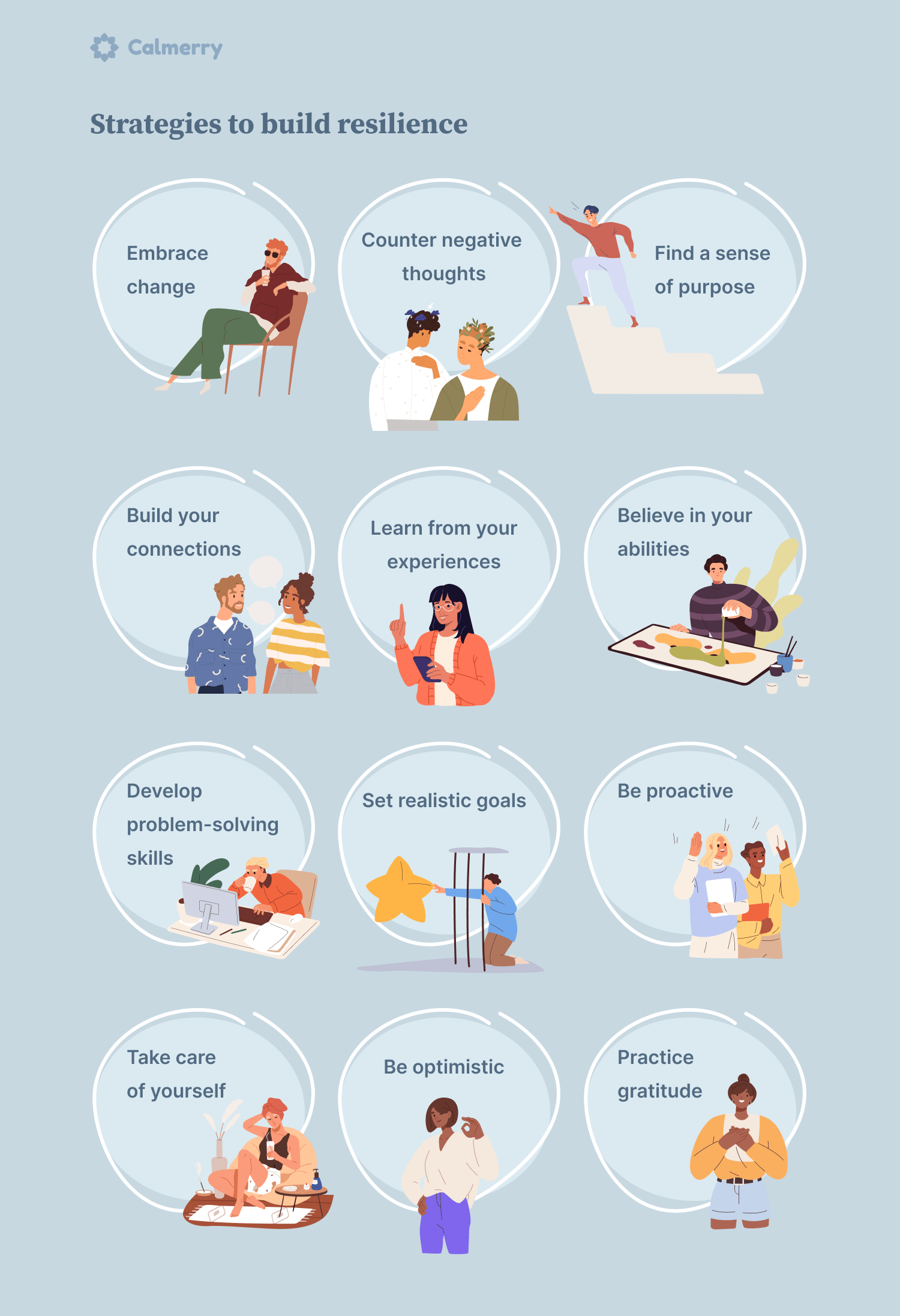
In the realm of men’s health, fostering resilience is of utmost importance. This article explores the best practices that can be implemented to enhance resilience and promote overall well-being in men. From developing meaningful connections to embracing vulnerability, these strategies serve as powerful tools to navigate the challenges and pressures that men often face. By delving into the various aspects of fostering resilience, this article aims to provide practical insights that can positively impact men’s health and contribute to their overall happiness and fulfillment.
Physical Health
Exercise regularly
Taking care of your physical health is essential for overall well-being. Regular exercise not only helps you maintain a healthy weight but also reduces the risk of chronic diseases such as heart disease, diabetes, and certain types of cancer. Engaging in activities like cardio exercises, strength training, and flexibility exercises can boost your energy levels and improve your mood. Aim for at least 150 minutes of moderate-intensity aerobic activity or 75 minutes of vigorous-intensity aerobic activity per week, along with muscle-strengthening activities on two or more days.
Eat a balanced diet
To fuel your body and support optimal physical health, it’s important to follow a balanced and nutritious diet. Include a variety of fruits, vegetables, whole grains, lean proteins, and healthy fats in your meals. Avoid excessive consumption of processed foods, sugary snacks, and high-fat meals. Adequate hydration is also crucial for maintaining good health, so make sure to drink plenty of water throughout the day. Remember, what you put into your body directly impacts your overall health and well-being.
Get enough sleep
Getting enough quality sleep is vital for your physical health as it allows your body to recharge and repair. Aim for 7-9 hours of sleep each night, as insufficient sleep can contribute to various health problems such as weakened immune function, increased risk of obesity, and mental health issues. Establish a relaxing bedtime routine, create a comfortable sleep environment, and limit exposure to electronic devices before bed to ensure a restful night’s sleep.
Mental Health
Practice stress management techniques
Managing stress is crucial for maintaining good mental health. Engage in stress-reducing activities such as deep breathing exercises, meditation, yoga, or mindfulness practices. Identify and address the sources of stress in your life, and seek healthy outlets to cope with stress, such as engaging in hobbies or spending time in nature. By effectively managing stress, you can enhance your overall well-being and resilience.
Seek therapy or counseling when needed
There’s no shame in seeking professional help when facing mental health challenges. Therapy or counseling can provide you with a safe space to explore your thoughts and emotions, gain new perspectives, and develop coping strategies. Whether you are dealing with anxiety, depression, or any other mental health condition, reaching out to a mental health professional can make a significant difference in your overall mental well-being.
Develop healthy coping mechanisms
In order to enhance your resilience and maintain good mental health, it is essential to develop healthy coping mechanisms. Identify activities or hobbies that bring you joy and help you relax, such as listening to music, reading, or practicing a sport. Regular physical exercise also plays a crucial role in maintaining a healthy mind. Find healthy ways to manage stress and express your emotions, such as journaling or talking to trusted friends or family members. Developing these positive coping mechanisms will contribute to your overall mental well-being.
Social Support
Build and maintain strong relationships
Having strong and supportive relationships is vital for men’s mental health. Cultivate meaningful connections with friends, family members, or partners who nurture and support you. Engage in activities with loved ones that foster bonding and create lasting memories. Make time for regular social interactions, whether it’s meeting for coffee, going for a walk, or simply having a heartfelt conversation. These connections provide a sense of belonging and contribute to your overall well-being.
Participate in community groups or organizations
Being part of a larger community can have a profound impact on your mental well-being. Join local clubs or organizations that align with your interests and values. Participate in community service or volunteer work to inspire a sense of purpose and contribute to something greater than yourself. Engaging in these activities allows you to connect with like-minded individuals and build a strong support network.
Join a support group
Joining a support group specifically designed to address men’s mental health can provide a valuable space for sharing experiences and finding support. These groups often have trained facilitators who can guide discussions and offer expert advice. Connecting with others who may be facing similar challenges and sharing insights and coping strategies can be incredibly empowering.
Self-Care
Make time for hobbies and leisure activities
Self-care is essential for maintaining good mental health. Make sure to set aside time for activities that bring you joy and relaxation. Engage in hobbies, whether it’s playing a musical instrument, painting, gardening, or any other activity that allows you to unwind and recharge. Dedicate time to engage in leisure activities that nourish your mind, body, and spirit.
Set boundaries and prioritize self-care
Maintaining healthy boundaries is crucial for your well-being. Learn to say no when necessary and engage in activities that prioritize your self-care. This includes setting aside time for yourself and your needs, whether it’s scheduling alone time, practicing self-reflection, or simply enjoying some peaceful moments. By prioritizing self-care, you are better equipped to handle life’s challenges and maintain your resilience.
Practice mindfulness and self-reflection
Mindfulness and self-reflection are powerful tools for enhancing self-awareness and promoting positive mental health. Take time to observe your thoughts and emotions without judgment. Mindfulness meditation or journaling can help you gain insights about yourself, understand your strengths and weaknesses, and develop a greater sense of self-awareness. Regular practice of mindfulness and self-reflection can empower you to make conscious choices in alignment with your goals and values.
Emotional Intelligence
Develop emotional awareness
Emotional awareness involves recognizing and understanding your own emotions as well as the emotions of others. Take the time to tune in to your feelings and reflect on their root causes. By increasing your emotional awareness, you can better manage and regulate your emotions, leading to healthier and more fulfilling relationships.
Build communication and conflict resolution skills
Effective communication is essential for maintaining healthy relationships and resolving conflicts. Practice active listening by giving your full attention to others and seeking to understand their perspective. Express your thoughts and feelings openly and respectfully, fostering clear and honest communication. Acquire conflict resolution skills such as compromise, empathy, and understanding. By improving your communication skills, you can foster better connections and address conflicts in a constructive manner.
Foster empathy and compassion
Developing empathy and compassion towards others is a key component of emotional intelligence. Put yourself in others’ shoes, seeking to understand their experiences and emotions. Show kindness and support to those around you, and practice acts of compassion. By cultivating empathy, you can strengthen your relationships and create a more compassionate world.
Regular Check-Ups
Schedule regular medical check-ups
Routine medical check-ups are essential for maintaining good physical health. Regular visits to your healthcare provider allow for early detection and prevention of potential health issues. During these visits, your doctor can perform necessary screenings, monitor your health, and provide guidance on preventive measures and lifestyle modifications. Maintain a schedule of annual check-ups and follow any recommendations provided by your healthcare provider.
Stay up-to-date on vaccinations and screenings
Vaccinations and screenings play a crucial role in preventing diseases and maintaining good health. Stay informed about recommended vaccinations for your age and follow the necessary vaccination schedule. Additionally, ensure that you are up-to-date on screenings such as blood pressure checks, cholesterol tests, and cancer screenings. Early detection and prevention are vital in managing potential health risks.
Monitor and manage any chronic conditions
If you have been diagnosed with a chronic health condition, it is important to regularly monitor and manage it. Follow the treatment plan provided by your healthcare provider and communicate any changes in symptoms or concerns you may have. Engage in self-care practices specifically tailored to managing your condition, and seek support from healthcare professionals and support groups as needed. By staying proactive in managing your chronic conditions, you can optimize your overall health and well-being.
Work-Life Balance
Set realistic goals and expectations
Striving for a healthy work-life balance is crucial for your overall well-being. Set realistic goals and expectations for yourself, both personally and professionally. Avoid overloading your schedule and recognize that it’s okay to prioritize self-care and leisure activities. By setting achievable goals and managing your time effectively, you can maintain a balanced lifestyle that promotes resilience and satisfaction.
Prioritize work-life balance
Make an effort to prioritize your personal life in addition to your professional responsibilities. Dedicate time to activities that bring you joy, relaxation, and fulfillment outside of work. Set boundaries between your work and personal life, ensuring that you have time for rest, hobbies, and meaningful connections. Remember, a healthy work-life balance is essential for your long-term well-being.
Take breaks and vacations
Taking regular breaks during the workday and utilizing vacation time is crucial for your mental and physical well-being. Utilize your breaks to rest and recharge, engaging in activities that help you relax. Plan and take vacations to disconnect from work and rejuvenate your mind and body. By incorporating breaks and vacations into your routine, you can prevent burnout, maintain productivity, and foster a healthier work-life balance.
Avoid Unhealthy Habits
Limit alcohol consumption
Excessive alcohol consumption can have detrimental effects on your physical and mental health. Limit your alcohol intake to moderate levels, as recommended by health experts. Enjoy alcoholic beverages in moderation, and be mindful of your limits. If you find it challenging to control your alcohol consumption, consider seeking support from healthcare professionals or support groups to address any underlying issues.
Quit smoking or using tobacco products
Smoking and tobacco use are significant risk factors for various health conditions, including heart disease, lung cancer, and respiratory issues. Quitting smoking or using tobacco products is one of the best decisions you can make for your overall health. Seek professional help and utilize available resources to quit smoking, as the journey to become smoke-free can be challenging. Your body will thank you for taking this step towards better health.
Avoid excessive stress or burnout
Consistently subjecting yourself to high levels of stress can take a toll on your mental and physical health. Recognize the signs of excessive stress and take proactive steps to manage and reduce it. Prioritize self-care, engage in stress-reducing activities, and seek support when needed. By avoiding excessive stress and burnout, you can promote better emotional well-being and overall resilience.

Positive Mindset
Practice gratitude and positive thinking
Cultivating a positive mindset and practicing gratitude can have significant benefits for your mental health. Take time each day to reflect on the things you are grateful for, no matter how small. Challenge negative thoughts and replace them with positive affirmations. Surround yourself with positive influences, engage in activities that bring you joy, and adopt an optimistic perspective. By consciously cultivating positivity, you can enhance your overall outlook on life and build resilience.
Challenge negative thoughts and beliefs
Negative thinking patterns can impact your mental health and well-being. Practice recognizing negative thoughts and beliefs and challenge their validity. Engage in positive self-talk, reframe negative situations, and focus on solutions rather than dwelling on problems. Cultivating a mindset that embraces possibilities and growth can foster resilience and empower you to overcome challenges.
Focus on personal growth and self-improvement
Incorporating personal growth and self-improvement into your daily life can enhance your resilience and well-being. Set realistic goals for personal development and continuously seek opportunities for learning and growth. Whether it’s reading books, attending workshops, or pursuing new hobbies, investing in yourself and your personal growth will contribute to your overall well-being.
Seek Peer Support
Connect with other men facing similar challenges
Seeking peer support is an effective way to cope with challenges specific to men’s health. Engage in conversations and connect with other men who may be facing similar challenges or experiences. Sharing insights, experiences, and support with others who can relate can be empowering and provide a sense of camaraderie.
Share experiences and provide support to one another
Participating in discussions and sharing your experiences can help break the stigma surrounding men’s health. By opening up and sharing your thoughts, concerns, or triumphs, you not only support others but also create a safe space for others to do the same. Providing support to others can have a positive impact on your own mental health and foster a sense of community.
Join men’s support groups or online communities
Consider joining men’s support groups or online communities specific to men’s health. These groups often provide a platform for open discussions and sharing resources. Engaging with these communities can provide you with valuable information, support, and a sense of belonging. Remember, you are not alone in your journey, and connecting with others who can relate can make a significant difference in your overall resilience and well-being.
By incorporating these best practices into your life, you can foster resilience and enhance your overall health and well-being as a man. Remember to prioritize self-care, seek support when needed, and celebrate your journey towards optimal health. You have the power to make positive changes and build a fulfilling and resilient life.