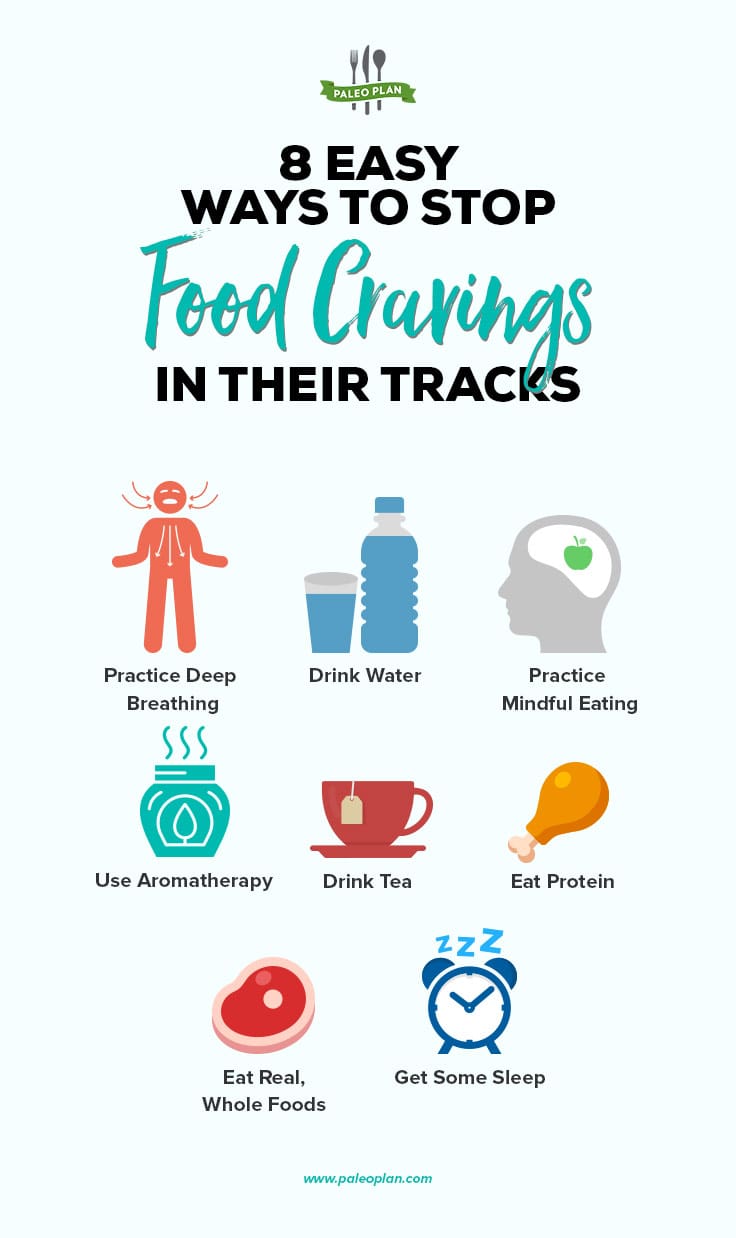
You’ve likely experienced the irresistible pull of junk food cravings at some point in your life. The allure of that salty, greasy snack or sugary treat can be difficult to resist, often leading us to indulge in unhealthy choices. But fear not! In this article, we’ll explore some effective strategies that will help you gain control over those cravings and make healthier choices when it comes to satisfying your appetite. So say goodbye to mindless snacking and hello to a healthier, more balanced lifestyle!
Understand the Science Behind Cravings
Learn about the role of dopamine
Cravings for junk food can often be fueled by the brain’s response to dopamine, a chemical messenger involved in pleasure and reward. Dopamine is released when we engage in activities or consume substances that bring us pleasure, such as eating foods high in sugar and fat. The brain becomes conditioned to associate these junk foods with the release of dopamine, creating a cycle of cravings. Understanding the role of dopamine can help you better comprehend why you may be experiencing intense cravings for unhealthy foods.
Recognize the difference between hunger and cravings
It is important to distinguish between true hunger and cravings. Hunger is the body’s physical signal that it needs fuel, whereas cravings are often a psychological desire for specific foods. Cravings can be triggered by emotions, environmental cues, or simply the sight and smell of certain foods. By recognizing the difference between hunger and cravings, you can make more informed choices about what and when to eat.
Understand the effects of processed food on the brain
Processed foods, particularly those high in sugar, fat, and salt, can have a significant impact on the brain. These foods are often designed to be hyperpalatable, meaning they are engineered to trigger the brain’s reward system and create a pleasurable experience. However, consuming excessive amounts of processed foods can lead to an overstimulation of the reward system, which may contribute to cravings and addictive-like behaviors. Understanding the effects of processed food on the brain can motivate you to make healthier choices and reduce cravings.
Identify Triggers and Patterns
Keep a food diary
Keeping a food diary can be a powerful tool to help you identify cravings triggers and patterns. By writing down everything you eat and drink, as well as the times and circumstances surrounding your meals, you can begin to recognize correlations between certain foods and cravings. Pay attention to how you feel emotionally before and after eating certain foods, as this can provide valuable insights into your cravings.
Analyze emotional triggers
Emotional triggers, such as stress, boredom, or sadness, can play a significant role in triggering cravings for junk food. Take the time to analyze your emotional state when cravings strike. Are you using food as a way to cope with certain emotions? By becoming more aware of emotional triggers, you can develop alternative strategies for managing your feelings and reducing the reliance on unhealthy foods.
Identify environmental triggers
Environmental triggers refer to the external cues that can prompt cravings, such as the sight or smell of certain foods, social settings, or even watching food commercials. Take note of the environments or situations in which you find yourself craving junk food. Awareness of these triggers can help you make conscious decisions to avoid or navigate them successfully.
Recognize patterns and trends in cravings
Patterns and trends in cravings can provide valuable information about your eating habits and preferences. Notice if there are specific times of the day or certain situations when you experience cravings more intensely. Identifying patterns can empower you to devise strategies to combat cravings proactively, whether it’s through distraction techniques, healthier alternatives, or managing your eating schedule.
Create a Healthy Eating Plan
Set realistic goals
When creating a healthy eating plan, it is essential to set realistic and achievable goals. Instead of completely eliminating all indulgent foods, focus on incorporating more nutritious options into your meals and snacks. This approach allows for balance and avoids feelings of deprivation, which can actually lead to more intense cravings.
Design a balanced meal plan
A balanced meal plan should consist of a variety of nutrient-rich foods from each food group. Aim to include fruits, vegetables, whole grains, lean proteins, and healthy fats in your meals. By providing your body with a broad spectrum of nutrients, you can help regulate your appetite and reduce cravings for less nutritious options.
Include nutrient-dense foods
Nutrient-dense foods are those that are packed with essential vitamins, minerals, and other beneficial compounds while being relatively low in calories. Examples include leafy greens, berries, nuts, and lean proteins. Including more of these nutrient-dense foods in your diet can help satisfy your body’s nutritional needs and reduce cravings for unhealthy foods.
Plan for regular meals and snacks
Setting a regular meal and snack schedule can help prevent extreme hunger and subsequent cravings. By spacing your meals and snacks evenly throughout the day, you can maintain more stable blood sugar levels and keep your energy levels steady. Be sure to plan for balanced snacks that include a combination of protein, healthy fats, and fiber to help keep you satisfied.
Avoid strict diets or deprivation
Strict diets and deprivation can often backfire and lead to increased cravings for forbidden foods. Instead, focus on adopting a sustainable and balanced approach to eating. Allow yourself occasional indulgences in moderation, and remember that enjoying your favorite treats in reasonable amounts is a part of a healthy relationship with food.
Practice Mindful Eating
Slow down and savor each bite
Mindful eating involves paying full attention to the present moment and savoring each bite of food. By slowing down and truly experiencing the tastes, textures, and smells of your meals, you can enhance your satisfaction and reduce the likelihood of overeating or feeling unsatisfied. Avoid rushing through meals and take the time to fully enjoy and appreciate your food.
Pay attention to hunger and fullness cues
Tuning in to your body’s hunger and fullness cues is an important aspect of mindful eating. Before eating, assess your level of hunger on a scale from 1 to 10, with 1 being extremely hungry and 10 being overly full. Aim to start eating when you are at a moderate level of hunger and stop when you are comfortably satisfied, around a 6 or 7 on the hunger scale.
Engage your senses while eating
Engaging your senses while eating can enhance the enjoyment and satisfaction you derive from your meals. Take the time to appreciate the vibrant colors, enticing aromas, and pleasing textures of the foods you consume. By immersing yourself in the sensory experience of eating, you can feel more fulfilled and reduce cravings for unhealthy options.
Avoid distractions during meals
Eating while distracted, such as watching television or scrolling through your phone, can disrupt the connection between your mind and body. This can lead to mindless overeating and reduced awareness of hunger and fullness cues. Make an effort to eat without distractions, focusing solely on your meal to foster a more mindful and satisfying eating experience.
Practice portion control
Portion control is crucial when it comes to managing cravings and maintaining a healthy diet. Be mindful of appropriate serving sizes and avoid oversized portions, as consuming more food than your body needs can contribute to cravings and weight gain. Use measuring cups or visual cues, such as comparing food sizes to familiar objects, to help you accurately portion your meals.
Make Smart Food Choices
Stock your kitchen with healthy options
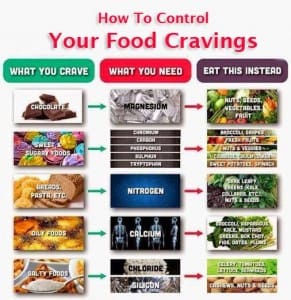
One of the most effective ways to control cravings is to surround yourself with nutritious foods in your kitchen. Clear out the junk food and stock up on fresh fruits, vegetables, lean proteins, whole grains, and healthy snacks. When healthier options are easily accessible, you are more likely to reach for them when cravings strike.
Read food labels and ingredient lists
Being informed about the nutritional content and ingredients in the foods you consume is essential for making smart food choices. When shopping, take the time to read food labels and ingredient lists. Look out for hidden sugars, unhealthy fats, and artificial additives. Aim for foods with minimal processing and recognizable, whole-food ingredients.
Choose whole foods over processed foods
Whole foods, such as fruits, vegetables, whole grains, and lean proteins, should form the foundation of your diet. These foods are minimally processed, packed with nutrients, and often more satisfying than their processed counterparts. Opt for homemade meals using fresh ingredients whenever possible to maximize nutritional value and promote overall wellness.
Opt for healthier alternatives to satisfy cravings
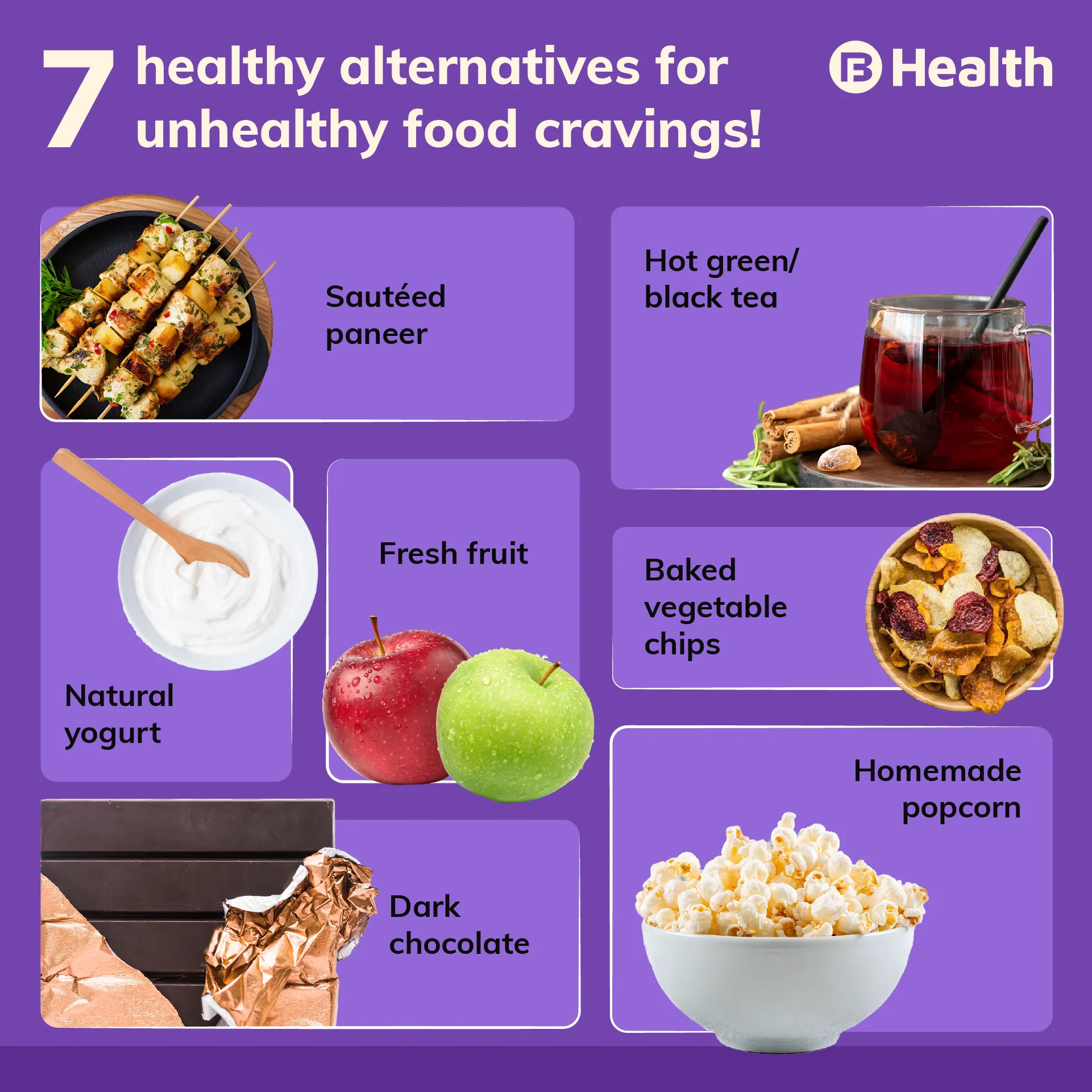
Cravings can often be satisfied without giving in to unhealthy options. Look for healthier alternatives that still provide the flavors and textures you crave. For example, try swapping out a bag of potato chips for air-popped popcorn, or satisfy your sweet tooth with a piece of fruit instead of a sugary dessert. Experiment with different options to find healthier substitutes that work for you.
Avoid keeping junk food within easy reach
Out of sight, out of mind. Avoid keeping junk food within easy reach, such as on your countertop or in your desk drawer. If you have to make a conscious effort to access unhealthy snacks, it becomes easier to resist the temptation. Instead, keep healthier snacks readily available, such as pre-cut vegetables or a bowl of fresh fruit.
Manage Stress and Emotions
Develop stress management strategies
Stress can contribute to cravings for junk food as a way to seek comfort or relieve tension. It is essential to develop effective stress management strategies to reduce the likelihood of turning to food for emotional relief. Explore activities such as exercise, meditation, journaling, or spending time in nature to help alleviate stress and manage your emotions in a healthier way.
Find healthy outlets for emotions
Rather than relying on food as a coping mechanism, find alternative, healthy outlets for your emotions. Engage in activities that bring you joy, help you relax, or allow you to express yourself creatively. This could include hobbies, physical activities, spending time with loved ones, or even seeking professional support through therapy or counseling.
Practice relaxation techniques
Incorporating relaxation techniques into your daily routine can help reduce stress and prevent emotional eating. Explore practices such as deep breathing exercises, progressive muscle relaxation, or guided imagery to calm your mind and promote a sense of well-being. By regularly engaging in relaxation techniques, you can better manage cravings triggered by stress or emotional turmoil.
Avoid using food as a coping mechanism
Using food as a coping mechanism can provide temporary relief, but it ultimately perpetuates an unhealthy relationship with food. Instead, practice self-care and seek healthier ways to manage your emotions. Engage in activities that bring you joy, engage your mind and body, and fulfill your emotional needs without relying on food.

Get Sufficient Sleep
Recognize the link between lack of sleep and cravings
Lack of sleep can significantly impact your cravings for junk food. When you are sleep-deprived, your body’s hormone levels and overall appetite regulation can become imbalanced, leading to increased cravings, especially for high-calorie and sugary foods. Recognizing the link between sleep and cravings can create motivation to prioritize a good night’s rest.
Establish a consistent sleep schedule
To improve the quality and quantity of your sleep, establish a consistent sleep schedule. Try to go to bed and wake up at the same time each day, even on weekends. By following a regular routine, you can train your body to recognize when it’s time to sleep and enhance overall sleep quality.
Create a bedtime routine to promote quality sleep
A bedtime routine can signal to your body that it’s time to wind down and prepare for sleep. Establish a relaxing bedtime routine that includes activities such as reading, taking a warm bath, or practicing gentle stretching or yoga. Avoid stimulating activities, bright screens, and heavy meals close to bedtime, as these can interfere with sleep.
Avoid stimulating activities before bed
Stimulating activities, such as intense exercise or consuming caffeine and nicotine, can interfere with your ability to fall asleep and stay asleep. Try to avoid these activities in the hours leading up to bedtime. Instead, engage in calming activities that promote relaxation and prepare your body for a restful night’s sleep.
Stay Hydrated
Drink an adequate amount of water
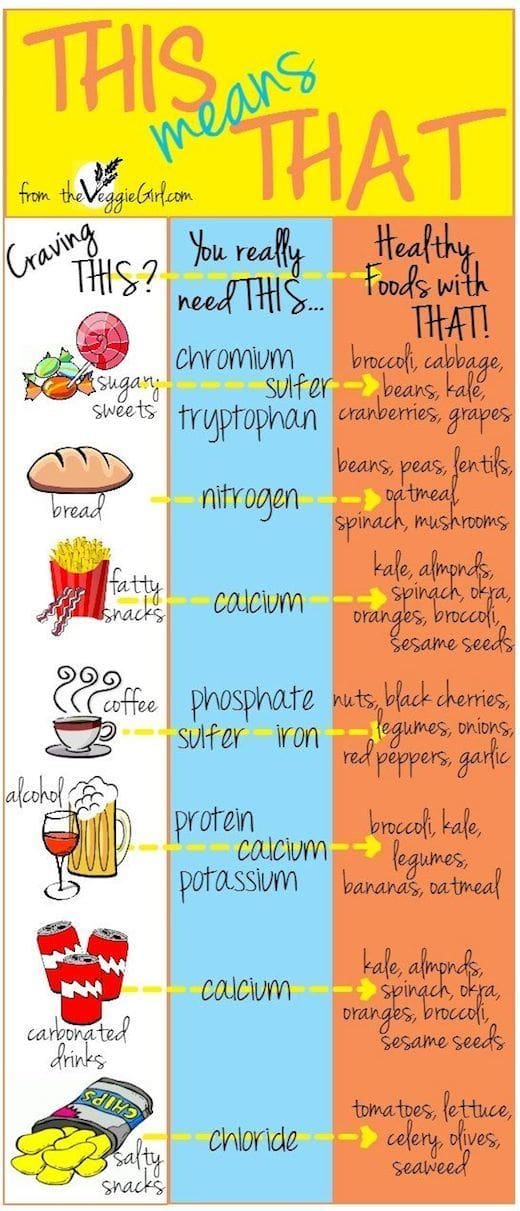
Staying adequately hydrated is essential for overall health and can also help curb cravings. Often, our bodies can mistake thirst for hunger, leading to unnecessary snacking or overeating. Aim to drink at least 8 cups (64 ounces) of water per day, or more if you engage in intense physical activity or live in a hot climate. Carry a water bottle with you to stay hydrated throughout the day.
Recognize signs of dehydration
It’s important to recognize the signs of dehydration to ensure that you are consistently hydrating your body. Symptoms of dehydration can include excessive thirst, dry mouth, fatigue, dizziness, or dark-colored urine. If you experience any of these signs, it’s crucial to drink water and replenish your fluids to avoid potential cravings and health complications.
Limit sugary beverages and alcohol
Sugary beverages, such as soda and certain fruit juices, can contribute to cravings and poor health outcomes. Limit your consumption of these beverages and opt for water, herbal tea, or infused water instead. Similarly, excessive alcohol consumption can lead to dehydration and disrupt your body’s mechanisms for regulating hunger and fullness. Practice moderation when consuming alcoholic beverages.
Include hydrating foods in your diet
In addition to drinking water, you can also incorporate hydrating foods into your diet. Fruits and vegetables with high water content, such as watermelon, cucumbers, and citrus fruits, can provide hydration along with essential vitamins and minerals. Including these foods in your meals and snacks can help keep you hydrated and contribute to overall well-being.
Exercise Regularly
Understand the role of exercise in cravings
Exercise plays an integral role in managing cravings by reducing stress, improving mood, and increasing feelings of satisfaction. Physical activity releases endorphins, which are natural mood boosters, and can help distract you from cravings. Understanding the positive impact of exercise on cravings can inspire you to incorporate regular activity into your routine.
Choose activities you enjoy
To make exercise more enjoyable and sustainable, choose activities that you genuinely enjoy. Whether it’s dancing, hiking, swimming, or playing a team sport, finding activities that bring you pleasure will increase your motivation to exercise regularly. Experiment with different forms of exercise until you find what works best for you.
Create a consistent exercise routine
Consistency is key when it comes to reaping the benefits of exercise. Set aside dedicated time each week for physical activity and make it a non-negotiable part of your routine. Whether you prefer morning workouts, lunchtime walks, or evening fitness classes, find a schedule that works for you and stick to it.
Combine aerobic and strength training exercises
Incorporating a combination of aerobic and strength training exercises into your routine can be particularly beneficial for managing cravings. Aerobic exercises, such as running, cycling, or dancing, help increase endorphin levels and elevate mood. Strength training exercises, such as weightlifting or bodyweight exercises, can help preserve muscle mass and boost metabolism, both of which support overall health and weight management.
Seek Support and Accountability
Share your goals with others
Sharing your goals with others can increase your sense of accountability and provide support along your journey to control cravings. Whether it’s a trusted friend, family member, or coworker, verbalizing your intentions can help solidify your commitment to making healthier choices and managing cravings effectively.
Find a support system
Building a support system can provide invaluable encouragement and understanding as you navigate your cravings for junk food. Surround yourself with like-minded individuals who share similar goals or join a group focused on healthy eating or fitness. Engaging with others who are on a similar path can generate motivation, share tips and strategies, and provide a sense of belonging.
Join a healthy eating or fitness group
Joining a healthy eating or fitness group can provide structure, guidance, and a sense of community as you work towards controlling cravings. These groups often offer resources, meal plans, fitness challenges, and regular check-ins to help you stay on track. Consider seeking out local in-person groups or online communities to connect with others who share your desire for a healthier lifestyle.
Consider professional help if needed
If you find that you are struggling to control cravings on your own, don’t hesitate to seek professional help. Registered dietitians, nutritionists, therapists, or counselors can offer specialized guidance and support tailored to your individual needs. They can help you develop personalized strategies to overcome cravings, address emotional eating, and establish a sustainable relationship with food.
In conclusion, controlling cravings for junk food is a multi-faceted process that involves understanding the underlying science, identifying triggers and patterns, creating a healthy eating plan, practicing mindful eating, making smart food choices, managing stress and emotions, prioritizing sleep and hydration, exercising regularly, and seeking support and accountability. By implementing the strategies outlined in this article, you can take control of your cravings and develop a healthier relationship with food. Remember, progress takes time and consistency, so be patient with yourself and celebrate each small step towards better health and well-being. You’ve got this!