
If you’re looking to improve your balance and coordination, creating a workout routine specifically designed to target these skills is essential. Whether you’re an athlete looking to enhance your performance or simply someone who wants to move with more grace and confidence, this article will guide you through the process of creating a workout routine that will help you achieve better balance and coordination. From exercises that focus on core stability to drills that enhance proprioception, you’ll gain practical tips and insights that will set you on the path to improved physical agility. So, grab your gym clothes and get ready to embark on an exciting journey towards greater balance and coordination!
Assess your current balance and coordination
Before you begin creating a workout routine for better balance and coordination, it’s important to assess your current abilities. This will give you a baseline to work from and help identify areas that need improvement. Start by standing on both feet with your eyes closed and see how long you can maintain your balance. Note any wobbling or instability. Next, try standing on one leg and see how long you can hold the position. Pay attention to any difficulty maintaining your balance or any muscle weakness. This initial evaluation will provide valuable insights into your current abilities and help guide your fitness goals.
Set specific goals
Once you’ve evaluated your current balance and coordination, it’s time to set specific goals. Defining what you want to achieve will give your workouts direction and purpose. Whether your goal is to improve your balance, coordination, or both, breaking down your goals into smaller milestones can help make them more manageable and achievable. For example, if your overall goal is to be able to stand on one leg for two minutes, you can set smaller milestones such as increasing your balance by 30 seconds every week. Having clear and measurable goals will keep you motivated and allow you to track your progress along the way.
Include balance exercises
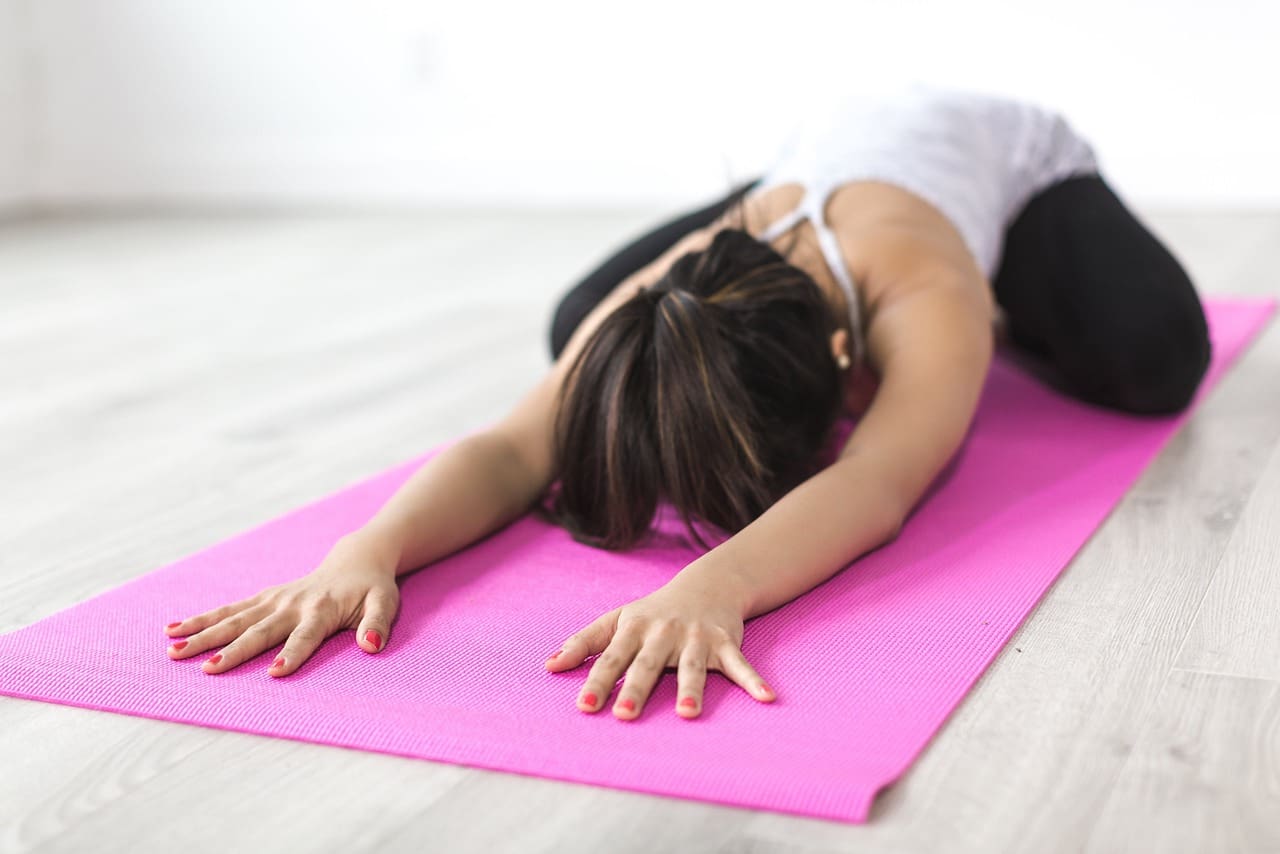
To improve your balance, it’s important to include specific exercises that target this aspect of your fitness. One simple exercise is standing on one leg. Start by standing near a wall or sturdy object for support, and then lift one foot off the ground, keeping your knee at a 90-degree angle. Try to hold this position for as long as you can without touching the ground. Another way to challenge your balance is by incorporating yoga poses into your routine. Poses such as tree pose, warrior III, and eagle pose require you to engage your core and focus on your balance. Additionally, using a balance board or stability ball can provide an added challenge and help improve your balance over time.
Incorporate coordination exercises
Coordination is the ability to execute smooth and coordinated movements, and it is crucial for activities like sports, dance, and even everyday tasks. To improve your coordination, it’s important to include specific exercises that target this aspect of your fitness. One simple exercise is practicing simple hand-eye coordination drills. This can include activities such as tossing a ball and catching it, or even playing Ping-Pong. Another great tool for improving coordination is an agility ladder. Setting up an agility ladder and practicing quick footwork drills can help improve your coordination and agility. You can also incorporate exercises that require multitasking, such as alternating between jumping jacks and clapping your hands overhead. These exercises challenge both your coordination and cognitive abilities.

Include strength training
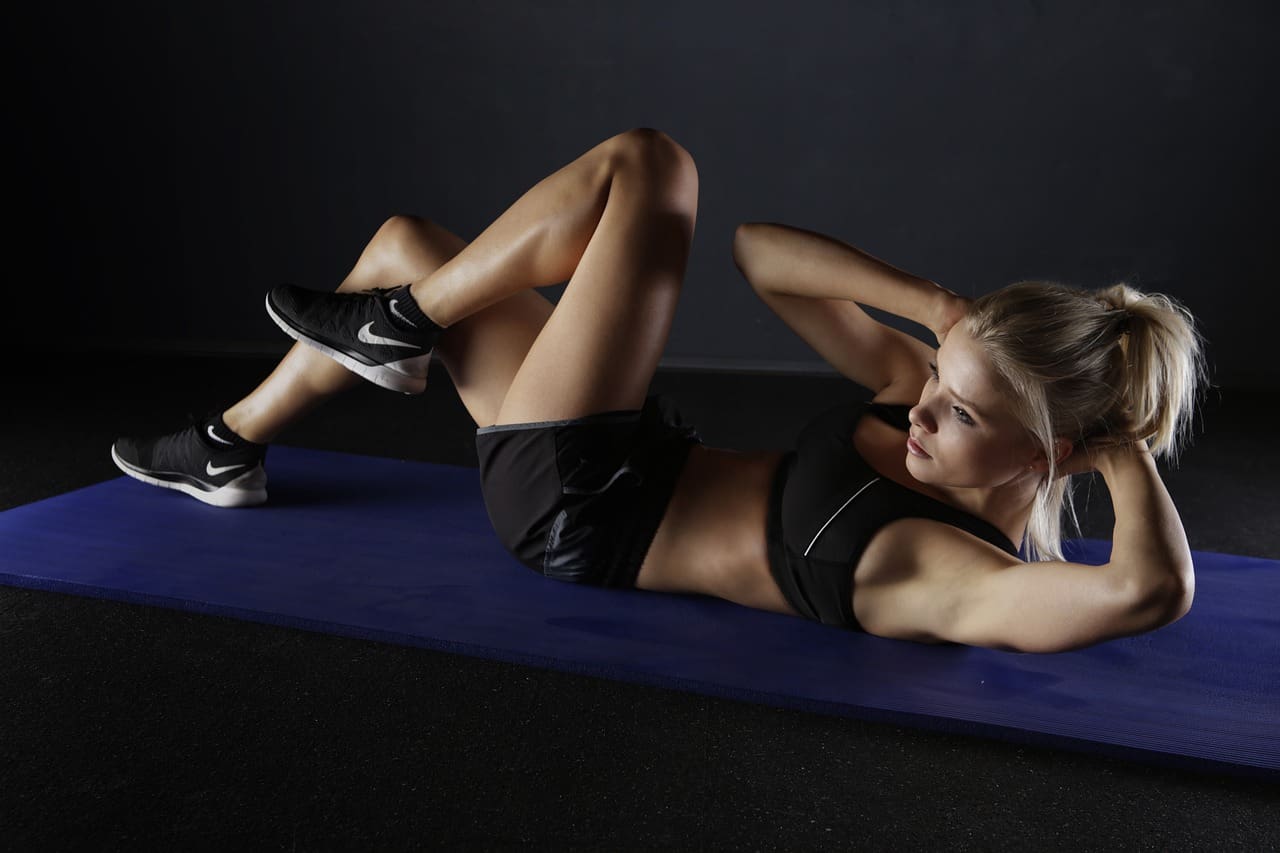
Strength training is an essential component of any workout routine, and it can greatly contribute to better balance and coordination. By strengthening your core muscles, you provide a stable base for all movements and improve your overall balance. Exercises such as planks, Russian twists, and bicycle crunches target your core and help build strength and stability. Targeting your leg muscles is also crucial for maintaining stability and balance. Exercises like squats, lunges, and calf raises strengthen the muscles in your legs, which are responsible for stabilizing your body. Finally, including upper body exercises such as push-ups or dumbbell rows can help improve coordination by engaging multiple muscle groups at once.
Improve flexibility
Flexibility plays a significant role in balance and coordination. Including stretching exercises in your workout routine can help improve your flexibility and enhance your overall performance in other exercises. One type of stretching to include is static stretching. This involves holding a stretch for a certain period of time, typically around 30 seconds. Examples of static stretches include the hamstring stretch, calf stretch, and shoulder stretch. Another type of stretching to consider is dynamic stretching. Dynamic stretching involves moving through a range of motion and can include exercises such as arm circles, leg swings, and walking lunges. Incorporating yoga or Pilates classes into your routine can also provide a comprehensive stretching routine while incorporating balance and coordination exercises.
Add proprioception exercises
Proprioception refers to the body’s ability to sense its position and movements in space. Including proprioception exercises in your workout routine can greatly improve your balance and coordination. One effective tool for improving proprioception is using balance boards or wobble cushions. These unstable surfaces challenge your body’s proprioceptive system and force your muscles to work harder to maintain balance. Another way to incorporate proprioception exercises is by performing exercises on unstable surfaces, such as a foam pad or Bosu ball. These surfaces create an additional challenge for your body and help train your proprioceptive system. Finally, incorporating bodyweight exercises that require you to engage multiple muscle groups simultaneously, such as squats or push-ups, can improve both balance and proprioception.
Include functional movements
Functional movements are exercises that mimic daily activities and help improve your overall balance and coordination in real-life situations. By incorporating these movements into your workout routine, you are training your body to be more efficient and effective in performing everyday tasks. Examples of functional movements include squats, lunges, deadlifts, and kettlebell swings. These exercises engage multiple muscle groups and require coordination to execute properly. Additionally, including exercises that specifically target coordination, such as ladder drills or box jumps, can help improve your overall coordination and balance.
Create a varied routine
To continuously challenge yourself and avoid hitting a plateau, it’s important to create a varied workout routine. Including a mix of different exercises that target balance, coordination, strength, flexibility, and proprioception will provide a well-rounded approach to improving your overall fitness. Varying your exercises not only keeps your routine interesting but also allows you to train different muscle groups and movement patterns. Additionally, changing exercises regularly and incorporating both static and dynamic movements can prevent boredom and help you stay motivated to continue your fitness journey.
Seek guidance from a professional
If you’re unsure where to start or want personalized recommendations for your specific needs, seeking guidance from a fitness trainer or physical therapist can be immensely helpful. These professionals have the knowledge and expertise to assess your current abilities and create a tailored workout routine that addresses your specific goals. They can also provide proper guidance for form and technique, which is crucial for preventing injuries and maximizing results. By consulting a professional, you can ensure that your workout routine is effective, safe, and aligned with your individual needs and abilities.
By following these guidelines and incorporating exercises that target balance, coordination, strength, flexibility, proprioception, and functional movements into your workout routine, you can improve your overall balance and coordination. Remember to set specific goals, assess your progress regularly, and seek guidance when needed. With consistency, effort, and a bit of patience, you’ll be well on your way to achieving better balance and coordination in your fitness journey.