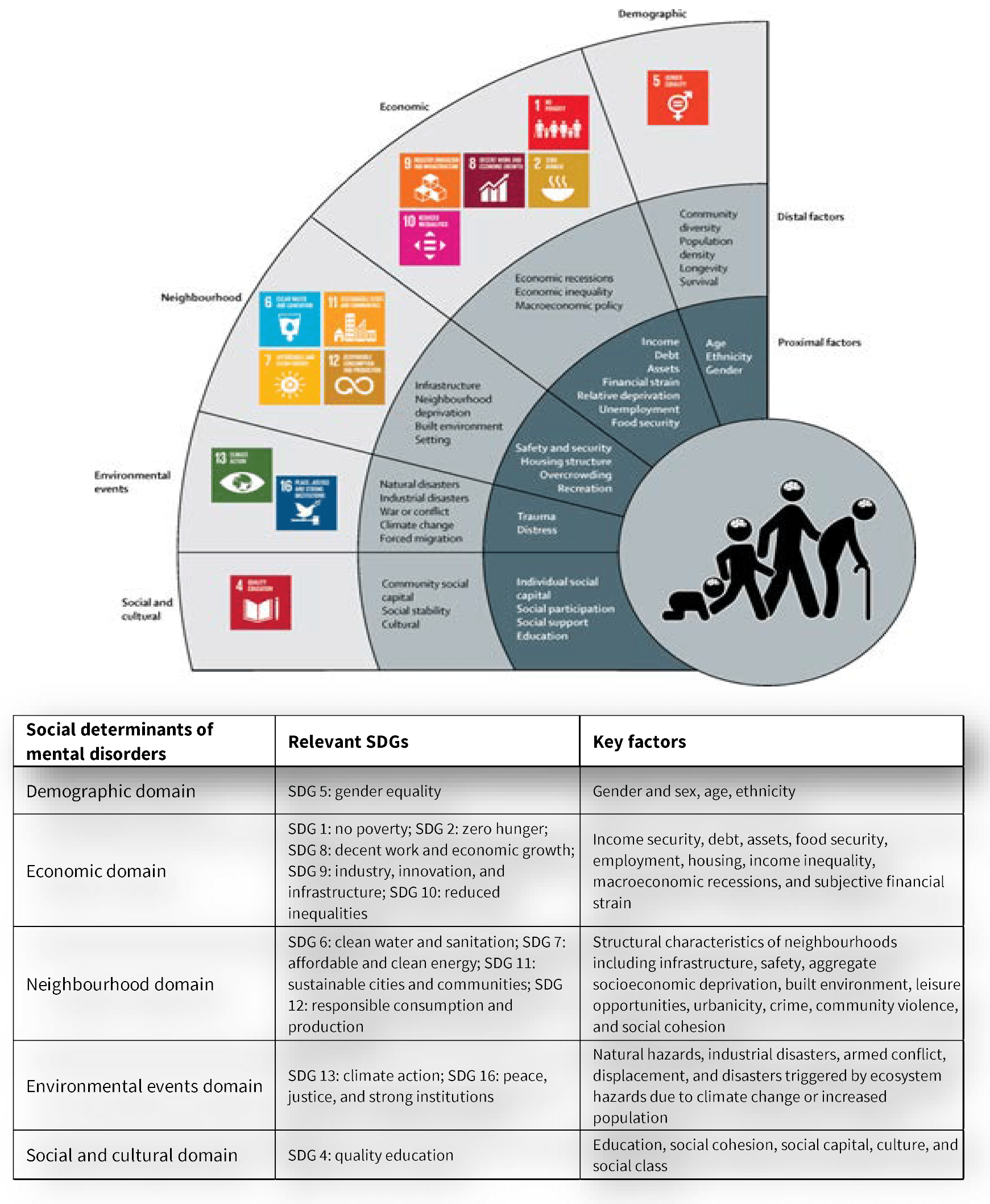
In a world that is constantly moving at a fast pace, promoting mental well-being has become more important than ever. This article explores the powerful connection between sustainable living and eco-friendly practices, and how adopting these practices can have a positive impact on our mental health. By incorporating sustainable practices into our daily lives, such as reducing waste and conserving energy, we not only contribute to a healthier planet, but also create a sense of purpose and fulfillment that can greatly enhance our overall well-being. Joining the movement towards sustainable living not only benefits the environment but also promotes a healthier and happier state of mind.
Why Sustainable Living is Important
Sustainable living is becoming increasingly important in today’s world as we face the challenges of environmental degradation and the depletion of natural resources. By adopting sustainable practices, we can all play a crucial role in reducing our environmental impact, preserving natural resources, and creating healthier living environments.
Reducing Environmental Impact
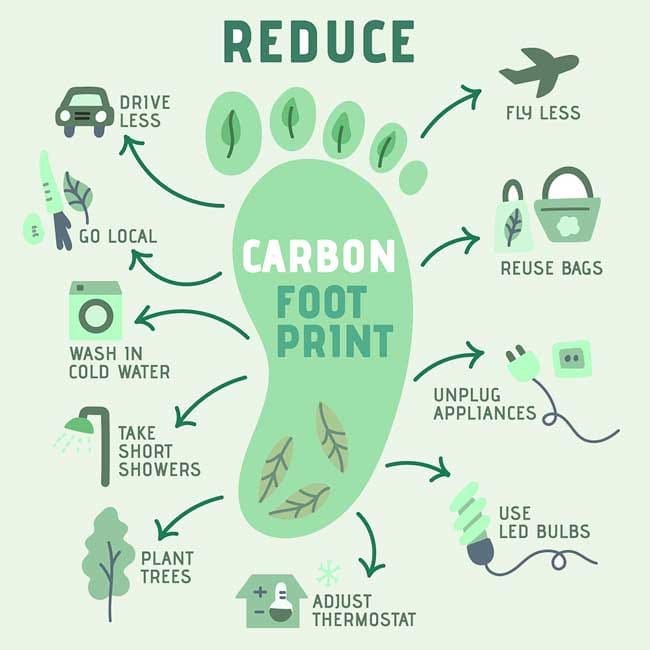
By living sustainably, you can significantly reduce your environmental impact. One of the essential ways to achieve this is by conserving energy. Simple measures such as switching off lights when not in use, using energy-efficient appliances, and insulating your home can contribute to a significant reduction in energy consumption. Additionally, opting for renewable energy sources like solar panels can help mitigate climate change and reduce reliance on fossil fuels.
Another crucial aspect of sustainable living is reducing water consumption. Conserving water not only helps address water scarcity but also reduces energy consumption associated with water treatment and distribution. Simple habits like taking shorter showers, fixing leaks, and using water-efficient appliances can make a big difference.
Preserving Natural Resources
Sustainable living involves mindful consumption and the preservation of natural resources. By reducing waste, recycling, and reusing, we can extend the lifespan of resources and minimize the need for extracting raw materials. Additionally, by choosing sustainable products and supporting fair trade and ethical brands, we can contribute to the conservation of natural resources.
Creating Healthier Living Environments
Sustainable living also promotes the creation of healthier living environments. By minimizing the use of harmful chemicals and toxins in our homes, we can improve indoor air quality and reduce the risk of respiratory ailments and other health issues. Opting for organic and locally sourced food can also contribute to a healthier diet, improving overall well-being.
Benefits of Sustainable Living on Mental Well-being
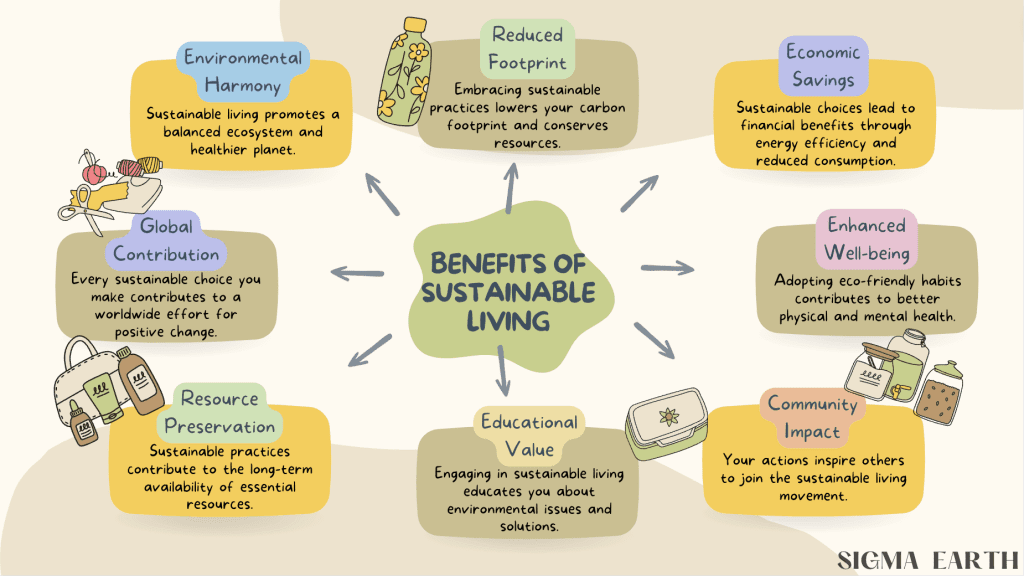
Living a sustainable lifestyle not only benefits the environment but can also have a positive impact on your mental well-being. Here are some ways sustainable living practices can help promote mental health:
Reducing Stress and Anxiety
By adopting sustainable practices, you can reduce stress and anxiety levels. Sustainable living encourages a simpler and more mindful approach to life, which can help alleviate the pressure and overwhelm that often accompany a fast-paced, consumer-driven lifestyle. For example, choosing to live with less clutter and adopting a minimalist lifestyle can create a sense of calm and reduce feelings of overwhelm.
Improving Overall Mood and Happiness
Engaging in sustainable practices can also improve your overall mood and happiness. Connecting with nature, spending time outdoors, and engaging in nature-based activities have been proven to boost mental well-being. The beauty and tranquility of natural environments have a soothing effect on the mind, helping to reduce stress, anxiety, and symptoms of depression.
Boosting Cognitive Function
Living sustainably can also enhance cognitive function. Studies have shown that spending time in nature, practicing mindfulness, and engaging in eco-friendly activities like gardening can improve focus, attention, and problem-solving skills. The connection with nature and the focus required for sustainable practices can enhance cognitive abilities and promote mental clarity.
Practices for Sustainable Living
To lead a sustainable lifestyle, it is important to incorporate various practices into your daily routine. Here are some key practices that can contribute to sustainable living:
Conserving Energy
Conservation of energy is crucial for sustainable living. You can take simple steps like turning off lights when not in use, using energy-efficient appliances, and making sure your home is well-insulated. Additionally, investing in renewable energy sources like solar panels can significantly reduce your reliance on fossil fuels.
Reducing Water Consumption
Water is a precious resource, and reducing water consumption is essential for sustainability. You can make a difference by taking shorter showers, fixing leaks, and using water-efficient appliances. Additionally, collecting rainwater for gardening and landscaping can help minimize water waste.
Minimizing Waste
Reducing waste is a key aspect of sustainable living. Start by practicing the three Rs: reduce, reuse, and recycle. Minimize packaging waste by opting for products with minimal or recyclable packaging. Reuse items whenever possible, and recycle materials such as paper, plastic, and glass. Composting is also an excellent way to reduce organic waste and create nutrient-rich soil for gardening.
Connecting with Nature
Spending time in nature is not only enjoyable but also promotes sustainable living and mental well-being. Here are some ways to connect with nature:
Spending Time Outdoors
Make it a habit to spend time outdoors regularly. Going for walks, hiking, or simply sitting in a park can provide a sense of tranquility and help you disconnect from the stresses of daily life. Spending time in natural settings allows you to appreciate the beauty and wonder of the world around you.
Gardening and Urban Farming
Gardening is a wonderful way to connect with nature and promote sustainable living. Whether you have a large yard or a small balcony, you can cultivate plants, grow your own herbs and vegetables, and create a green oasis. Gardening not only provides fresh, organic produce but also offers a therapeutic and rewarding experience.
Engaging in Nature-Based Activities
Engaging in nature-based activities like birdwatching, nature photography, or learning about local flora and fauna can deepen your connection with the natural world. Exploring nearby parks, nature reserves, or wildlife sanctuaries can provide a sense of awe and wonder, enhancing your overall well-being.
Embracing Minimalism
Embracing minimalism is a powerful way to lead a more sustainable and fulfilling life. Here are some ways to embrace minimalism:
Decluttering and Simplifying Living Spaces
Start by decluttering your living spaces and getting rid of items you no longer need or use. Simplify your surroundings by keeping only the essentials. This can create a sense of calm and make it easier to focus on the things that truly matter to you.
Adopting a Minimalist Lifestyle
Beyond decluttering, adopting a minimalist lifestyle involves being mindful of your consumption habits. Consider each purchase carefully, focusing on quality rather than quantity. Prioritize experiences over material possessions, and choose items that align with your values and bring true joy and purpose to your life.
Living with Intention
Living with intention is a core principle of minimalism. Take the time to reflect on your values, priorities, and goals. Align your actions with these intentions, and let go of anything that no longer serves you. By living with intention, you can create a more meaningful and fulfilling life while minimizing your environmental impact.
Importance of Eco-Friendly Consumption
Consumption habits play a significant role in sustainable living. By making eco-friendly choices, you can support a healthier planet and make a positive impact. Here’s why eco-friendly consumption matters:
Choosing Sustainable Products
When shopping, opt for products that are sustainably sourced, made from renewable materials, and produced using environmentally friendly methods. Look for certifications like Fair Trade, Organic, and Forest Stewardship Council (FSC) to ensure that the products meet specific sustainability standards.
Supporting Fair Trade and Ethical Brands
Supporting fair trade and ethical brands is another way to make eco-friendly consumption choices. Fair trade ensures that producers receive fair wages and work in safe conditions. Ethical brands prioritize social responsibility and environmental sustainability in their operations.
Reducing and Reusing Packaging
One of the most significant sources of waste is packaging. To reduce your environmental impact, choose products with minimal or recyclable packaging. Alternatively, try to find bulk options or refillable containers to minimize waste. Reusing packaging materials whenever possible also helps reduce environmental strain.

Promoting Eco-Friendly Transportation
Transportation is a significant contributor to greenhouse gas emissions. By adopting eco-friendly transportation options, you can help reduce pollution and promote sustainability. Here’s how you can make a difference:
Carpooling and Using Public Transportation
Consider carpooling with colleagues, friends, or neighbors to share rides and reduce the number of vehicles on the road. Using public transportation, such as buses or trains, is also an eco-friendly choice that contributes to reduced emissions.
Cycling and Walking
Whenever possible, choose alternatives to motorized transportation. Cycling or walking for shorter distances not only reduces pollution but also promotes physical activity and improves your health. These options are not only eco-friendly but also cost-effective.
Investing in Electric or Hybrid Vehicles
If you require a personal vehicle, consider investing in an electric or hybrid vehicle. These vehicles produce fewer emissions than traditional gasoline-powered cars, helping to mitigate climate change. With advancements in technology, electric and hybrid vehicles are becoming more accessible and affordable.
Building Sustainable Communities
Building sustainable communities is essential for creating a more resilient and eco-friendly future. Here are some ways you can contribute to building sustainable communities:
Supporting Local Farmers and Businesses
By supporting local farmers and businesses, you can help reduce the carbon footprint associated with long-distance transportation and support the local economy. Purchase locally grown produce, visit farmers’ markets, and support small businesses that prioritize sustainability.
Participating in Community Gardens
Community gardens provide a space for individuals to grow their own food, foster a sense of community, and promote sustainable practices. Get involved in a local community garden or start one in your neighborhood. By gardening collectively, you can share knowledge, resources, and harvests while building lasting relationships.
Advocating for Green Initiatives
Become an advocate for green initiatives in your community. Attend local council meetings, join environmental organizations, and engage in discussions surrounding sustainability. By raising awareness and encouraging action, you can help drive positive change and foster a more sustainable future.
Practicing Mindfulness and Eco-Anxiety Management
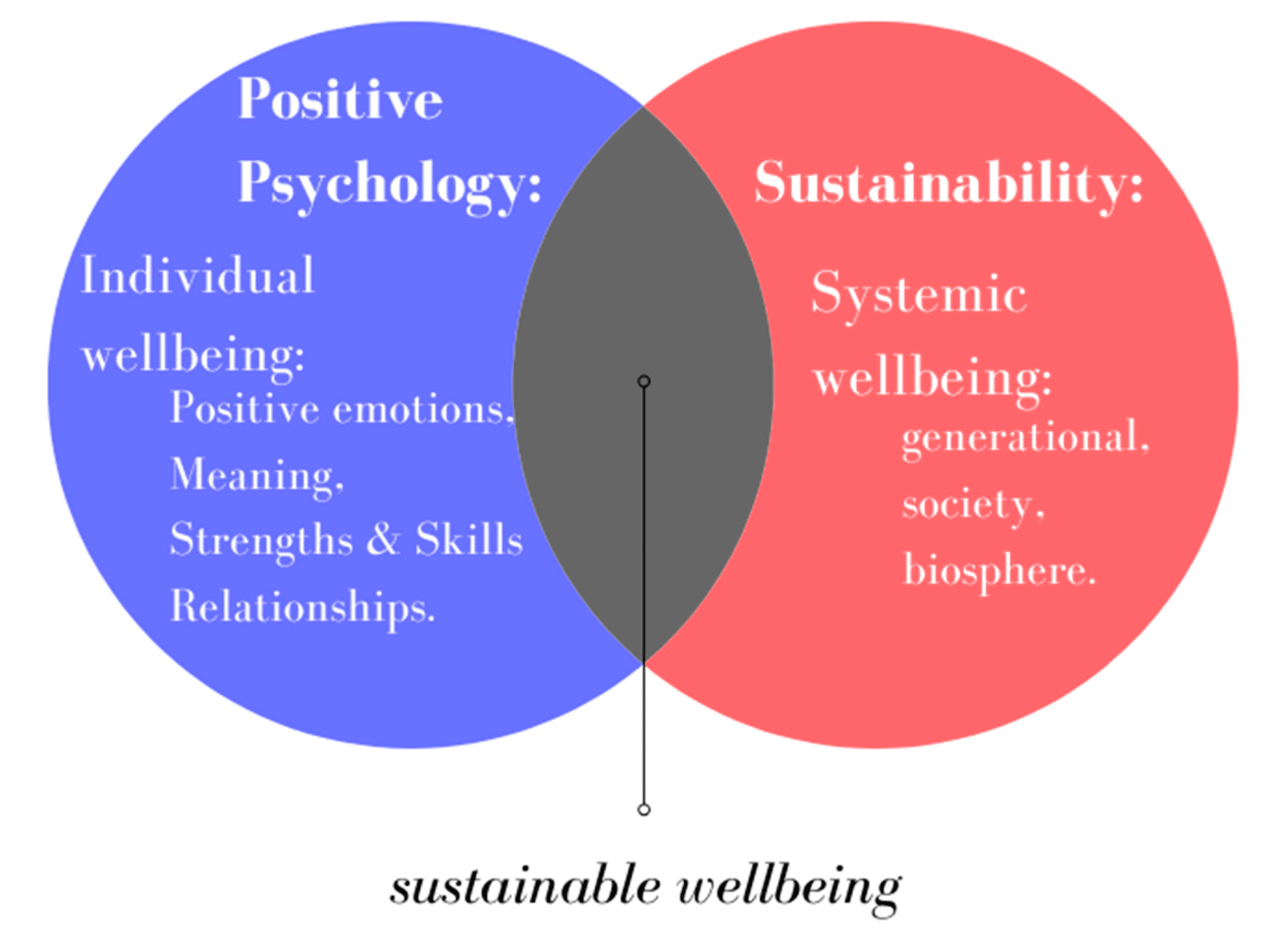
Practicing mindfulness and effectively managing eco-anxiety are crucial for maintaining mental well-being in the face of environmental challenges. Here’s how to incorporate mindfulness into your sustainable living journey:
Practicing Meditation and Mindful Awareness
Meditation and mindful awareness can help calm the mind, reduce anxiety, and cultivate a deeper connection with yourself and the world around you. Take a few moments each day to sit in silence, focus on your breath, and embrace the present moment. Incorporate mindfulness into your sustainable living practices, such as being aware of your energy and water consumption or engaging in mindful gardening.
Managing Stress and Anxiety from Climate Change
The growing awareness of climate change and its impacts can lead to eco-anxiety and feelings of helplessness. It’s essential to acknowledge these emotions and take steps to manage stress effectively. Engage in self-care activities like exercise, spending time in nature, or practicing relaxation techniques. Seek support from friends, family, or mental health professionals when needed.
Seeking Support and Joining Supportive Communities
Connecting with like-minded individuals and participating in supportive communities can help you find comfort, inspiration, and guidance in your sustainable living journey. Seek out local groups, online forums, or social media communities dedicated to sustainability and mental well-being. Sharing experiences, exchanging ideas, and supporting one another can make a significant difference.
Educating and Raising Awareness
Education and raising awareness are key to inspiring positive change and promoting sustainability. Here are some ways you can contribute:
Teaching Sustainable Practices to the Next Generation
Education starts with the next generation. Teach children and students about sustainable living practices, environmental conservation, and the importance of mindful consumption. Encourage them to engage in eco-friendly activities and make sustainable choices in their daily lives. By empowering them with knowledge, we can shape a more sustainable future.
Organizing Workshops and Events
Organize workshops, seminars, or events in your community to raise awareness about sustainable living and its benefits. Offer practical tips, share success stories, and engage participants in interactive activities. By providing a platform for discussion and learning, you can inspire others to take action and adopt sustainable practices.
Sharing Knowledge Through Social Media and Online Platforms
Utilize social media platforms, blogs, or other online platforms to share knowledge, insights, and tips related to sustainable living. Use your voice to advocate for eco-friendly practices and inspire your online community to make positive changes in their lives. Encourage dialogue and invite feedback to foster a sense of collective responsibility.
In conclusion, promoting mental well-being through sustainable living and eco-friendly practices is vital for a healthier planet and a happier life. By reducing our environmental impact, connecting with nature, embracing minimalism, consuming eco-friendly products, utilizing sustainable transportation options, building sustainable communities, practicing mindfulness, and raising awareness, we can all contribute to a more sustainable and fulfilling future. Start today, and together we can create positive change for ourselves and future generations.