
Welcome to the ultimate guide on how to eat mindfully for weight management! By being more aware of your eating habits and making mindful choices, you can not only enjoy your food more but also maintain a healthy weight. This article will provide you with tips and strategies on how to incorporate mindfulness into your eating routine, so you can feel more in control of your health and well-being. From slowing down during meals to listening to your body’s hunger cues, you’ll learn how to make smarter food choices and feel more satisfied along the way. Let’s dive in and start eating mindfully! Have you ever found yourself mindlessly eating, only to feel guilty afterward because you didn’t even enjoy the food you consumed? You’re not alone. Many people struggle with eating habits that contribute to weight gain and overall dissatisfaction with their food choices. But there is a better way – mindful eating. By practicing mindful eating, you can not only manage your weight more effectively but also improve your relationship with food and your body. In this article, we will explore how to eat mindfully for weight management and overall well-being. Let’s dive in!
Understanding Mindful Eating
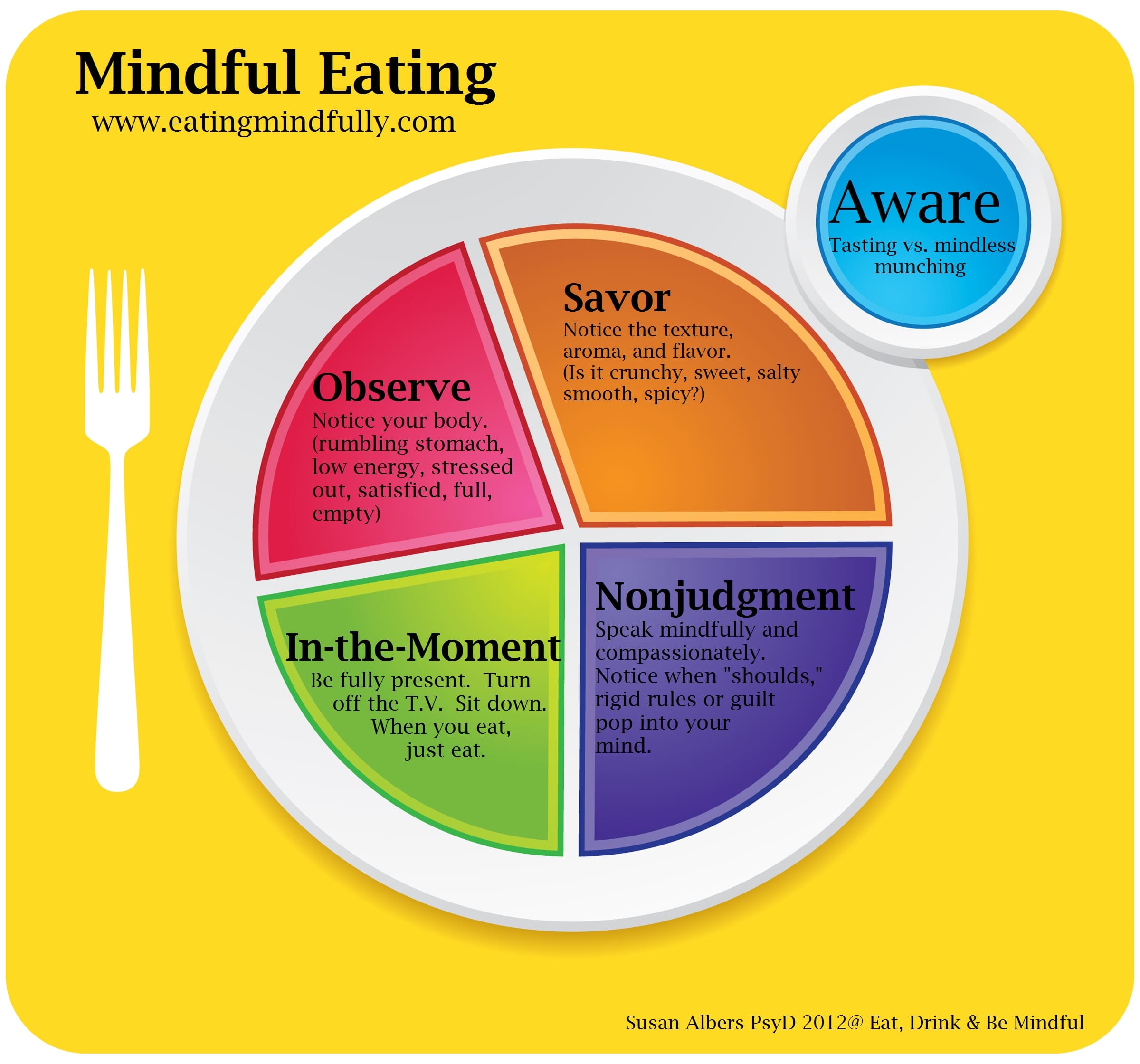
Mindful eating is a practice that involves paying full attention to the experience of eating and drinking, both inside and outside the body. It involves focusing on the colors, smells, textures, flavors, temperatures, and even sounds of your food. By being fully present in the moment while eating, you can savor each bite, make healthier food choices, and become more aware of your body’s hunger and fullness cues.
What is Mindful Eating?
Mindful eating is the opposite of mindless eating – it’s about being aware and present during your meals. By focusing on the sensations and experience of eating, you can develop a deeper connection with your food and your body. This helps you make better choices about what, when, and how much to eat.
Benefits of Mindful Eating
Practicing mindful eating can have a wide range of benefits beyond weight management. It can help reduce emotional eating, improve digestion, enhance the enjoyment of food, and promote a greater sense of satisfaction and well-being. By paying attention to the experience of eating, you can develop a more positive relationship with food and your body.
How Mindful Eating Affects Weight Management
Mindful eating can be a powerful tool for weight management because it helps you become more aware of your body’s hunger and fullness cues. By tuning in to your body’s signals, you can eat when you’re hungry and stop when you’re full, which can prevent overeating and promote weight loss or maintenance. Additionally, mindful eating can help you make healthier food choices and break free from emotional eating patterns that contribute to weight gain.
Tuning Into Hunger and Fullness
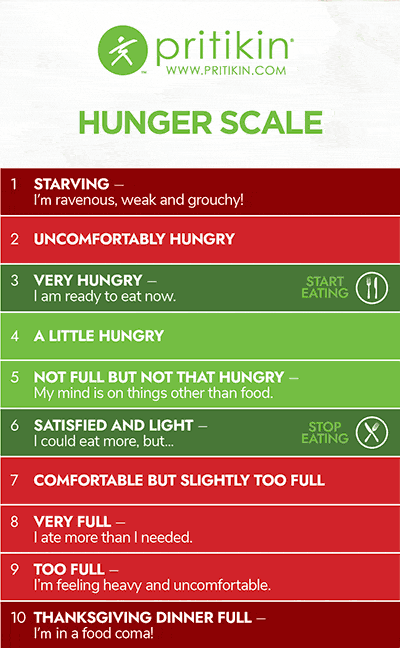
One of the key principles of mindful eating is tuning into your body’s hunger and fullness cues. By paying attention to how hungry or full you are before, during, and after meals, you can learn to eat in response to physical hunger rather than emotional cues. This can help you eat only when you’re truly hungry and stop when you’re satisfied, which can prevent overeating and support weight management.
Making Healthier Food Choices
When you eat mindfully, you become more aware of the quality of the food you’re consuming. You may start to notice how certain foods make you feel, both physically and emotionally. This awareness can help you make healthier food choices by choosing nutrient-dense foods that nourish your body and satisfy your cravings in a more balanced way. By focusing on the taste, texture, and satisfaction of your food, you can learn to make choices that support your weight management goals.
Practical Tips for Eating Mindfully
Practicing mindful eating doesn’t have to be complicated. In fact, there are simple strategies you can use to incorporate mindfulness into your meals and snacks. By following these practical tips, you can begin to develop a more mindful approach to eating that supports your weight management goals.
1. Slow Down
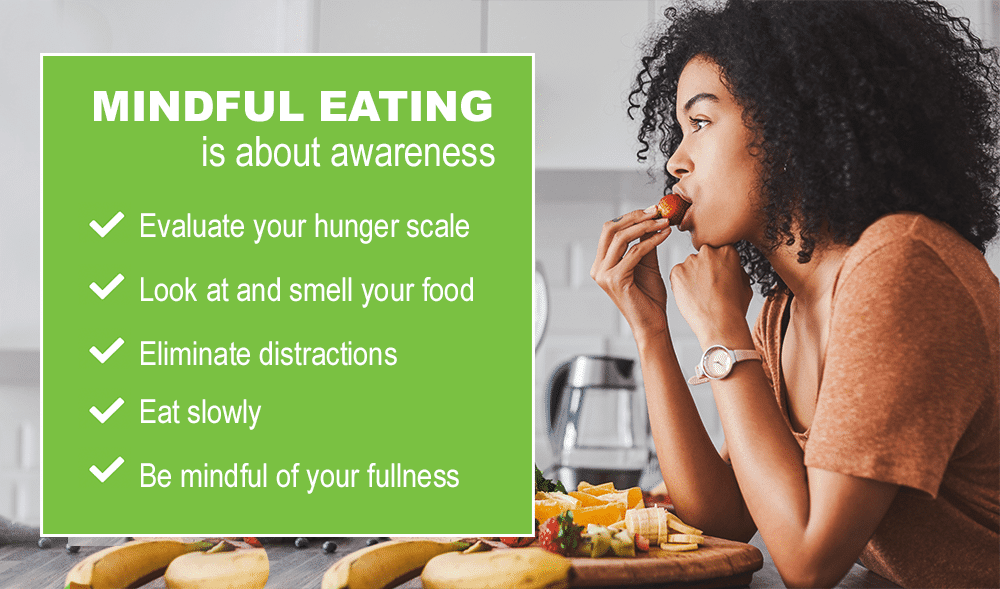
One of the most effective ways to eat mindfully is to slow down your eating pace. Many people eat quickly, which can lead to overeating and poor digestion. By slowing down and taking the time to fully chew your food, you can savor each bite, notice the flavors and textures, and give your body time to register feelings of fullness. Try putting your fork down between bites, taking a few deep breaths, and enjoying the experience of eating without distractions.
2. Engage Your Senses
Another way to eat mindfully is to engage all of your senses while eating. Notice the colors, smells, textures, flavors, and even sounds of your food. Take the time to appreciate the appearance of your meal, inhale the aromas, savor the tastes on your tongue, feel the textures in your mouth, and listen to the sounds of your chewing. By fully engaging your senses, you can enhance the experience of eating and become more present in the moment.
3. Listen to Your Body
Pay attention to your body’s hunger and fullness cues before, during, and after meals. Notice when you start to feel hungry and when you feel satisfied. Learn to differentiate between physical hunger and emotional cravings. When you’re eating, check in with yourself periodically to assess how hungry or full you are. Stop eating when you’re satisfied, even if there’s food left on your plate. By listening to your body and honoring its signals, you can develop a healthier relationship with food and support your weight management goals.
4. Minimize Distractions
Eating in front of the TV, computer, or phone can lead to mindless eating and overconsumption. To eat more mindfully, try to minimize distractions during meals and snacks. Turn off screens, put away your phone, and focus on the experience of eating. Sit at a table, set the table nicely, and savor your food without distractions. By giving your full attention to your meal, you can be more present and engaged with your food, which can lead to better portion control and more satisfying meals.
5. Practice Gratitude
Before you start eating, take a moment to express gratitude for your food. Acknowledge where it came from, the people who prepared it, and the nourishment it provides for your body. Cultivating a sense of gratitude before eating can help you appreciate your meals more fully and eat with greater awareness. By focusing on the positive aspects of your food and mealtime, you can enhance the experience of eating and support your weight management goals.

Mindful Eating and Emotional Well-Being
In addition to its impact on weight management, mindful eating can also have a positive effect on your emotional well-being. By paying attention to your thoughts and feelings around food, you can develop a more balanced and compassionate relationship with eating. Mindful eating can help you break free from diet culture, reduce feelings of guilt or shame around food, and cultivate a greater sense of self-care and self-compassion.
Breaking Free from Diet Culture
Diet culture promotes restrictive eating, weight loss fads, and rigid rules around food that can be harmful to both physical and emotional health. Mindful eating offers a way out of diet culture by encouraging a non-judgmental and compassionate approach to eating. By focusing on the experience of food and listening to your body’s needs, you can break free from the cycle of dieting and deprivation and learn to trust your body’s wisdom.
Reducing Guilt and Shame
Many people experience feelings of guilt or shame around food, especially after overeating or indulging in “forbidden” foods. Mindful eating can help you let go of these negative emotions by promoting a more balanced and accepting attitude toward eating. By being present and aware while eating, you can develop a greater sense of self-awareness and self-compassion that can help you navigate challenging food situations with more ease and kindness.
Cultivating Self-Care and Self-Compassion
Practicing mindful eating is a form of self-care that involves nourishing your body with attention, intention, and respect. By taking the time to eat mindfully, you can show yourself compassion and care that extends beyond the plate. Mindful eating can help you become more attuned to your body’s needs, develop a more positive relationship with food, and cultivate a sense of self-compassion that supports your overall well-being. By practicing self-care through mindful eating, you can nurture your body, mind, and spirit in a holistic and sustainable way.
Bringing Mindful Eating into Your Daily Life
Now that you have a better understanding of mindful eating and its benefits for weight management and emotional well-being, it’s time to start incorporating it into your daily life. By making small changes to your eating habits and mindset, you can begin to eat more mindfully and reap the rewards of improved health, satisfaction, and balance.
Creating a Mindful Eating Practice
To create a mindful eating practice, start by setting an intention to eat more mindfully. Choose one meal or snack per day to eat without distractions and with full attention. Practice slowing down, engaging your senses, listening to your body, and being present in the moment. As you build this habit, gradually expand your mindful eating practice to other meals and snacks throughout the day. By making mindful eating a regular part of your routine, you can develop a healthier and more sustainable approach to eating.
Building Awareness Around Food Choices
Another way to eat more mindfully is to build awareness around your food choices. Pay attention to the types of foods you’re consuming, how they make you feel, and why you’re choosing them. Notice any patterns or triggers that influence your food choices, such as stress, boredom, or social situations. By becoming more aware of your food choices and the reasons behind them, you can make more intentional decisions that align with your values and goals. This awareness can help you break free from automatic eating habits and make choices that support your well-being.
Seeking Support and Accountability
If you’re struggling to eat mindfully on your own, consider seeking support from a friend, family member, or professional who can help you stay accountable to your goals. Share your intentions around mindful eating and ask for encouragement, feedback, and resources to support your journey. By enlisting the help of others, you can enhance your commitment to eating mindfully and make positive changes that last.

Conclusion
Eating mindfully is a powerful practice that can transform your relationship with food, your body, and yourself. By paying attention to the experience of eating and being present in the moment, you can support weight management, improve digestion, and enhance emotional well-being. Mindful eating is about more than just what you eat – it’s about how you eat and why you eat. By cultivating a sense of awareness, gratitude, and compassion around food, you can nourish your body, mind, and spirit in a holistic and sustainable way. Start incorporating mindful eating into your daily life today and experience the positive impact it can have on your health and happiness.