
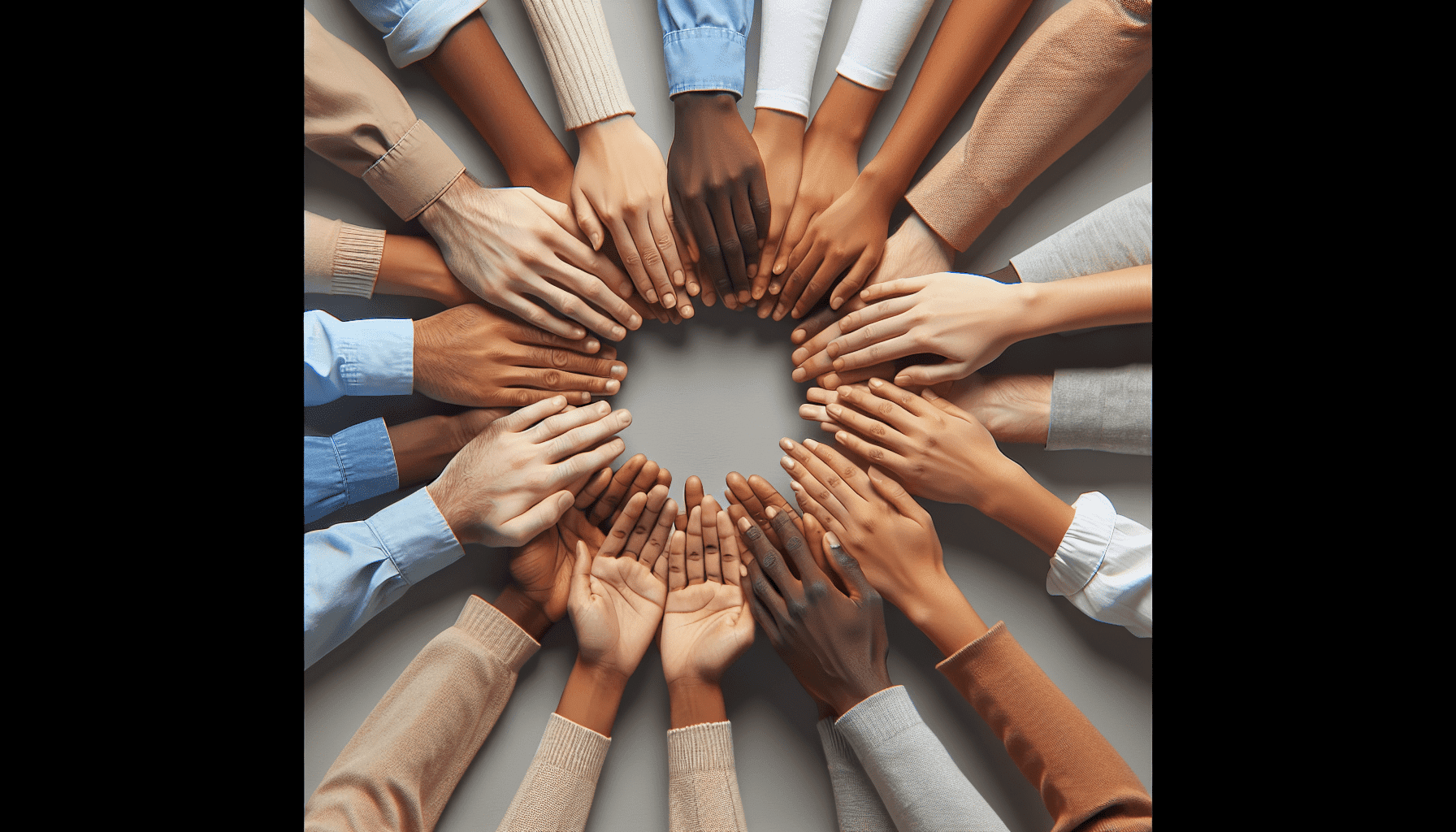
Welcome to an article that will explore the vital role that community plays in supporting mental health. As you navigate the ups and downs of life, having a strong support network of friends, family, neighbors, or colleagues can make a world of difference in your well-being. Through shared experiences, understanding, and compassion, community can provide a sense of belonging and connection that is crucial for maintaining good mental health. Let’s delve into how community support can positively impact your mental wellness and help you thrive. Have you ever wondered why having a strong sense of community is essential for mental health support? In this article, we will explore the importance of community in promoting mental well-being and providing the necessary support systems for those experiencing mental health challenges. Let’s dive in and discover how being part of a supportive community can positively impact your mental health.
The Power of Connection
Connection is key to our mental health and well-being. When you feel connected to others, you are more likely to have a sense of belonging and purpose. This feeling of connection can significantly impact your mental health, reducing feelings of loneliness, depression, and anxiety. Building connections within a community can provide a support system that is crucial for managing mental health challenges.
Building Relationships
Forming relationships within a community is essential for creating a strong support network. Whether it’s with friends, family members, or neighbors, having people you can turn to during difficult times can make a world of difference in how you cope with mental health issues. By building meaningful relationships, you create a sense of trust and belonging that can help you feel supported and understood.
Sharing Experiences
Sharing your experiences with others in your community can help reduce feelings of isolation and stigma surrounding mental health. When you open up about your struggles, you may find that others have similar experiences and can offer valuable insights and support. By sharing your story, you not only find comfort in knowing you’re not alone but also create a sense of solidarity within your community.
Support and Understanding
Having a strong community to lean on can provide you with the support and understanding you need to navigate mental health challenges. When you have people in your corner who understand what you’re going through, you feel less alone and more empowered to seek help and take care of your mental well-being.
Peer Support
Peer support within a community can be a powerful tool in managing mental health issues. Connecting with others who have similar experiences can help you feel heard and validated in your feelings. Peer support groups or programs can provide a safe space to share your struggles, gain new perspectives, and learn coping strategies from those who have been in your shoes.
Professional Guidance
In addition to peer support, having access to mental health professionals within your community is crucial for receiving the necessary guidance and treatment. Whether it’s through therapy, counseling, or support groups led by mental health professionals, having experts who can offer personalized care and support is essential for managing mental health challenges effectively.

Sense of Belonging
Feeling like you belong to a community can significantly impact your mental health. When you’re part of a group that values and accepts you for who you are, you experience a sense of belonging that can boost your self-esteem and overall well-being. Being part of a community where you feel accepted and supported can provide a sense of purpose and connection that is vital for mental health.
Inclusivity and Acceptance
Communities that prioritize inclusivity and acceptance create a safe and welcoming environment for individuals to be themselves without fear of judgment or discrimination. Feeling accepted for who you are can help reduce feelings of shame and low self-worth that often accompany mental health challenges. When you know you’re valued and respected within your community, you are more likely to feel a sense of belonging and connectedness.
Mutual Support
Being part of a community that encourages mutual support can create a strong sense of camaraderie and unity. When members of a community come together to support one another, everyone benefits from the sense of solidarity and shared purpose. Whether it’s through volunteering, participating in group activities, or simply checking in on one another, mutual support within a community fosters a sense of togetherness and belonging that can positively impact mental health.
Building Resilience
Being part of a supportive community can help you build resilience in the face of adversity and mental health challenges. When you have a network of people who have your back and are there to support you through tough times, you can develop the strength and skills needed to bounce back from setbacks and overcome obstacles.
Emotional Support
Emotional support from your community can provide you with the encouragement and reassurance you need to face challenges head-on. Knowing that you have people who care about your well-being and are willing to listen and offer guidance can boost your confidence and resilience. By leaning on your community for emotional support, you can build the resilience needed to navigate difficult situations and emerge stronger on the other side.
Coping Strategies
Being part of a community that promotes healthy coping strategies can help you develop effective ways to manage stress and anxiety. Whether it’s through mindfulness practices, exercise routines, or creative outlets, engaging in activities that promote mental well-being can strengthen your resilience and reduce the impact of mental health challenges. By learning and implementing coping strategies within your community, you can build the resilience needed to overcome obstacles and thrive in the face of adversity.

Access to Resources
Communities play a vital role in providing access to resources and support services for mental health. When you are part of a community that values mental well-being and prioritizes support systems, you have access to a wide range of resources that can help you address your mental health needs and seek the necessary help and treatment.
Information and Education
Communities can provide valuable information and education on mental health issues, treatments, and resources available. Whether it’s through workshops, seminars, or informational materials, having access to reliable and up-to-date information can empower you to make informed decisions about your mental well-being. By staying informed about mental health within your community, you can better understand your options and seek out the support and resources you need.
Referral Networks
Communities often have established referral networks that can connect you with mental health professionals, support groups, and other resources tailored to your specific needs. Whether it’s through community centers, mental health clinics, or online platforms, having access to referral networks can streamline the process of seeking help and getting the support you need. By tapping into these networks within your community, you can access a variety of resources and services that can enhance your mental health journey.
Advocacy and Awareness
Communities that advocate for mental health awareness and destigmatization play a crucial role in promoting positive attitudes and behaviors towards mental well-being. By raising awareness and advocating for mental health support systems, communities can create a culture of understanding and acceptance that benefits everyone.
Destigmatization Efforts
Communities that actively work to destigmatize mental health challenges create a supportive environment where individuals feel comfortable seeking help and support. By challenging stereotypes and misconceptions surrounding mental health, communities can promote open and honest discussions about mental well-being. When stigma is reduced, individuals are more likely to reach out for help and engage in conversations about mental health within their community.
Advocacy Initiatives
Community-led advocacy initiatives can make a significant impact on promoting mental health support systems and resources. Whether it’s through public awareness campaigns, policy changes, or community events focused on mental well-being, advocacy efforts can raise the visibility of mental health issues and encourage greater investment in support services. By participating in advocacy initiatives within your community, you can contribute to a positive change in how mental health is perceived and supported.
In conclusion, Being part of a supportive community is essential for mental health support. By building connections, receiving support and understanding, and fostering a sense of belonging, you can strengthen your mental well-being and resilience. Communities that prioritize mental health awareness, advocacy, and access to resources play a vital role in promoting positive attitudes and behaviors towards mental well-being. Embrace the power of community and take proactive steps to nurture your mental health within a supportive and caring environment. Remember, you are not alone – your community is here to support you every step of the way.
