Welcome to a guide on how to establish healthy sleep patterns for overall wellness. In this article, we will explore the importance of consistent sleep habits and provide practical tips on creating a bedtime routine that promotes restful and rejuvenating sleep. By prioritizing quality rest, you can improve your physical health, mental clarity, and overall well-being. Let’s dive in and learn how to achieve better sleep for a healthier, happier life. Hey there! Are you ready to improve your overall wellness by establishing healthy sleep patterns? You’re in the right place. In this article, we’ll cover everything you need to know about getting a good night’s sleep for optimal health and well-being. Let’s dive in!
Why Is Sleep Important for Your Health?
Sleep is crucial for your overall health and well-being. The quality and quantity of your sleep can impact your physical health, mental health, and overall quality of life. When you don’t get enough restful sleep, it can lead to a variety of health issues, including:
- Increased risk of heart disease
- Weakened immune system
- Weight gain and obesity
- Mental health problems like depression and anxiety
Ensuring you have healthy sleep patterns is essential for maintaining your overall wellness.
How Much Sleep Do You Really Need?
Everyone’s sleep needs are different, but most adults require between 7-9 hours of sleep per night to function optimally. However, some individuals may need more or less sleep to feel well-rested and alert during the day. To determine how much sleep you need, pay attention to how you feel throughout the day. If you constantly feel tired and groggy, you may need to adjust your sleep schedule to get more rest.
Tips for Establishing Healthy Sleep Habits
Creating a bedtime routine and improving your sleep environment can help you establish healthy sleep patterns. Here are some tips to enhance the quality of your sleep:
-
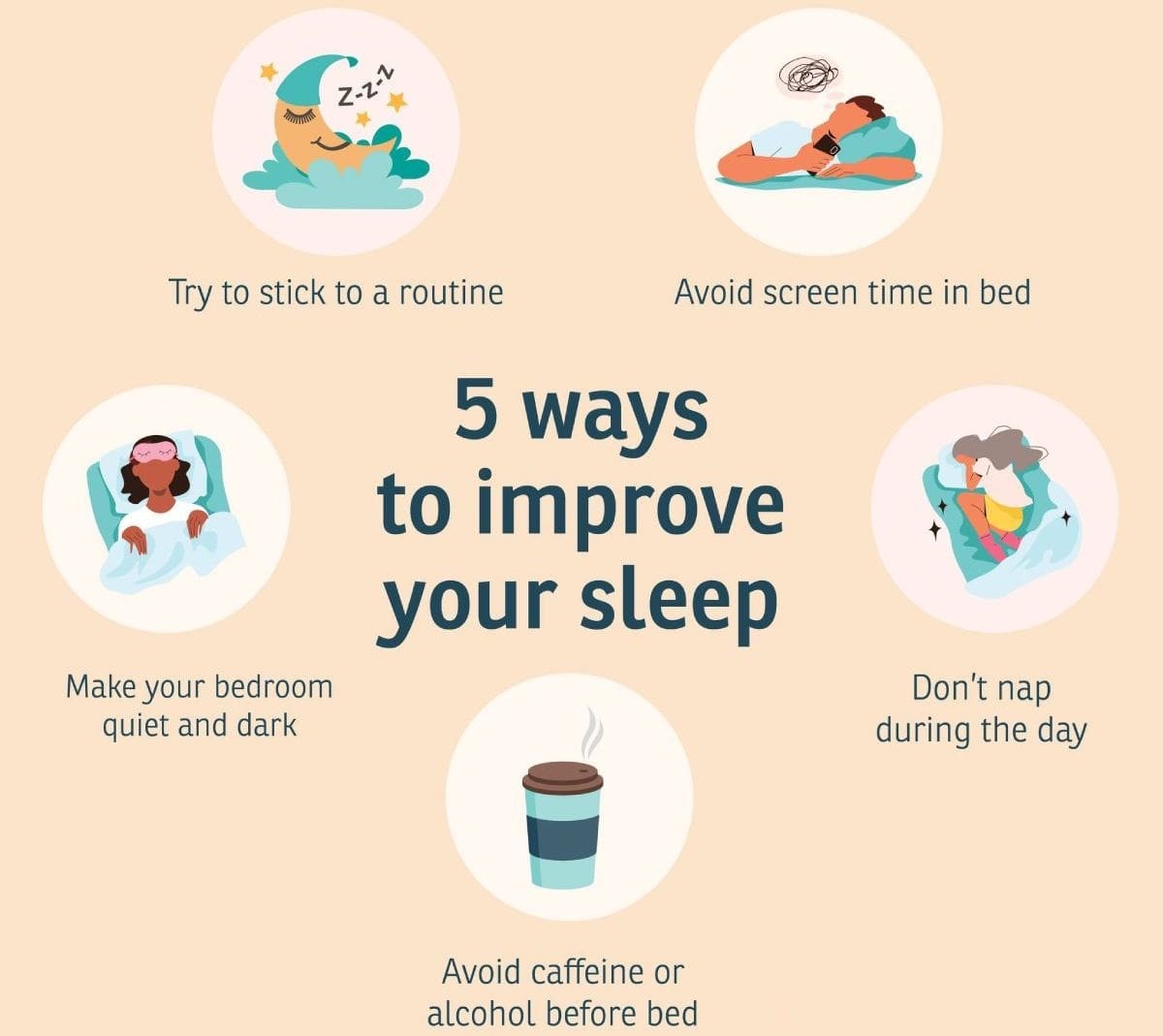
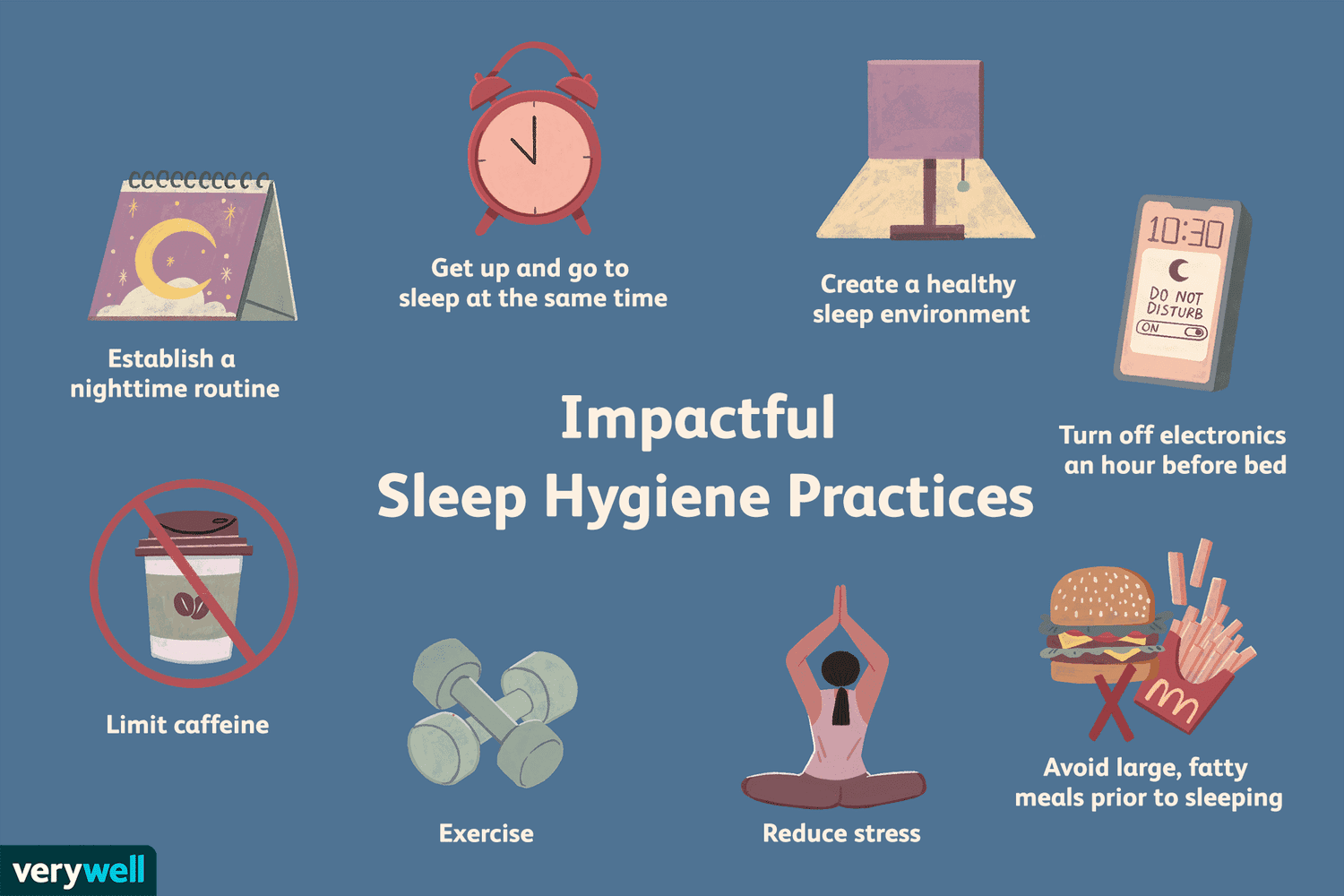
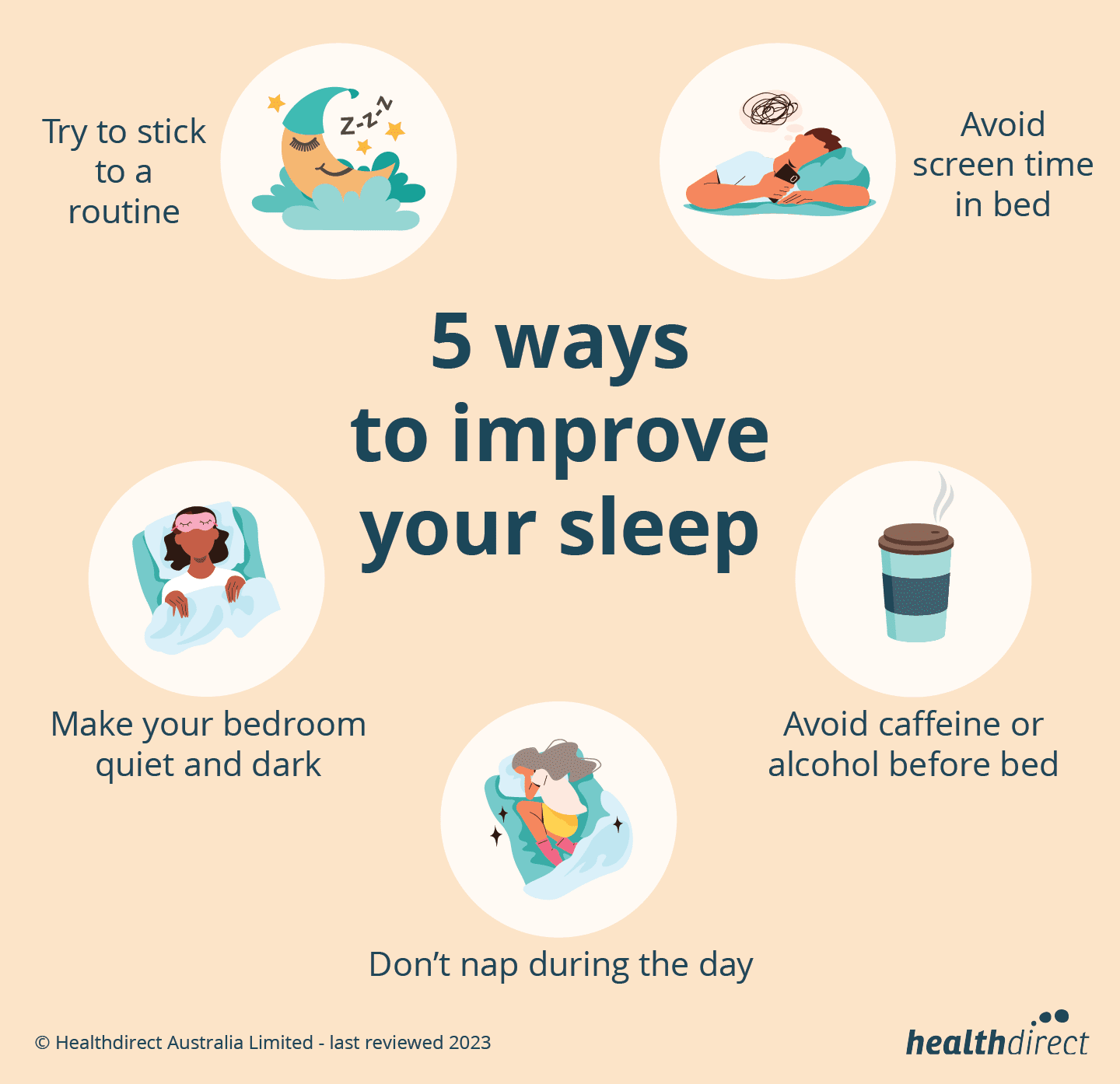
Establish a Bedtime Routine: Develop a consistent bedtime routine by going to bed and waking up at the same time every day, even on weekends. This will help regulate your body’s internal clock and improve your overall sleep quality.
-
Create a Relaxing Sleep Environment: Set the stage for better sleep by creating a calm and relaxing sleep environment. Keep your bedroom dark, cool, and quiet to promote restful sleep. Consider using earplugs, a white noise machine, or blackout curtains to block out any disturbances.
-
Limit Screen Time Before Bed: The blue light emitted from electronic devices like smartphones, tablets, and computers can disrupt your sleep patterns. Try to limit screen time at least an hour before bed to allow your mind to wind down and prepare for sleep.
-
Avoid Stimulants: Caffeine, nicotine, and alcohol can interfere with your sleep quality. Try to limit your consumption of these substances, especially close to bedtime, to ensure a restful night’s sleep.
The Benefits of a Consistent Sleep Schedule
Maintaining a consistent sleep schedule is essential for establishing healthy sleep patterns. When you go to bed and wake up at the same time every day, you help regulate your body’s internal clock, known as the circadian rhythm. Some benefits of sticking to a consistent sleep schedule include:
- Improved sleep quality
- Enhanced mood and overall well-being
- Increased daytime alertness
- Better focus and concentration
- Healthier immune system
By prioritizing a consistent sleep schedule, you can reap the many benefits of a good night’s sleep.
How Stress and Anxiety Affect Your Sleep
Stress and anxiety can significantly impact your ability to get a good night’s sleep. When you’re feeling stressed or anxious, your body releases cortisol, a stress hormone that can interfere with your sleep-wake cycle. Chronic stress can lead to insomnia, sleep disturbances, and other sleep disorders.
If you’re struggling with stress and anxiety that are affecting your sleep, consider incorporating stress-reducing activities into your daily routine. Meditation, deep breathing exercises, yoga, and mindfulness practices can help calm your mind and promote relaxation before bedtime. By managing your stress levels, you can improve your sleep quality and overall wellness.
The Role of Nutrition in Sleep Quality
Your diet plays a significant role in your sleep quality. Certain foods and beverages can either promote or hinder your ability to fall asleep and stay asleep. To improve your sleep patterns, consider the following dietary tips:
- Avoid Heavy Meals Before Bed: Eating heavy or rich foods before bedtime can lead to indigestion and disrupt your sleep. Opt for lighter, healthier snacks if you’re hungry before bed.
- Limit Caffeine and Sugar: Caffeine and sugar can interfere with your sleep patterns, so it’s best to avoid consuming these substances close to bedtime.
- Incorporate Sleep-Supportive Foods: Certain foods can promote relaxation and improve sleep quality. Consider incorporating foods rich in magnesium, melatonin, and tryptophan into your diet, such as nuts, seeds, dairy, and leafy greens.
- Stay Hydrated: Dehydration can affect your sleep quality, so be sure to stay hydrated throughout the day. However, limit your fluid intake close to bedtime to avoid frequent trips to the bathroom during the night.
By making small adjustments to your diet and eating habits, you can improve your sleep quality and overall wellness.
The Benefits of Physical Activity for Better Sleep
Regular physical activity can have a positive impact on your sleep quality. Exercise helps regulate your sleep-wake cycle, reduces stress and anxiety, and promotes relaxation. Some benefits of incorporating physical activity into your daily routine include:
- Improved sleep quality
- Reduced symptoms of insomnia
- Enhanced mood and mental well-being
- Increased daytime energy and alertness
To optimize the benefits of exercise for better sleep, aim for at least 30 minutes of moderate aerobic activity most days of the week. However, avoid vigorous exercise close to bedtime, as it can interfere with your ability to fall asleep.
Understanding Sleep Disorders
If you’re consistently struggling with sleep issues despite implementing healthy sleep habits, you may have an underlying sleep disorder. Common sleep disorders include:
- Insomnia: Difficulty falling asleep or staying asleep, leading to poor sleep quality and daytime fatigue.
- Sleep Apnea: A breathing disorder that causes interrupted breathing during sleep, leading to poor sleep quality and other health issues.
- Restless Leg Syndrome: An overwhelming urge to move your legs while at rest, often interfering with sleep.
- Narcolepsy: A neurological disorder that affects the brain’s ability to regulate sleep-wake cycles, causing excessive daytime sleepiness and sudden sleep attacks.
If you suspect you have a sleep disorder, it’s essential to consult with a healthcare professional for proper diagnosis and treatment. Seeking medical help for sleep disorders can significantly improve your sleep quality and overall well-being.
Tips for Napping Effectively
Napping can be a helpful tool for combating daytime fatigue and improving focus and alertness. However, napping incorrectly can interfere with your nighttime sleep and lead to disruptions in your sleep patterns. Here are some tips for napping effectively:
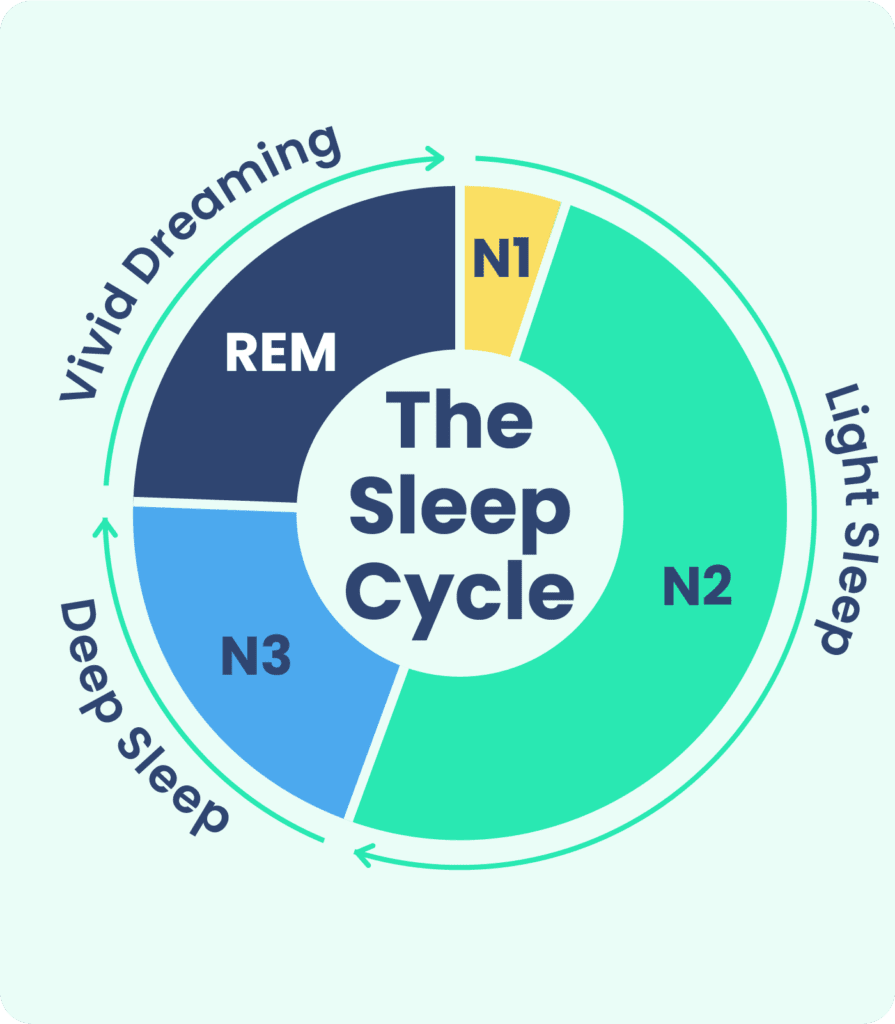
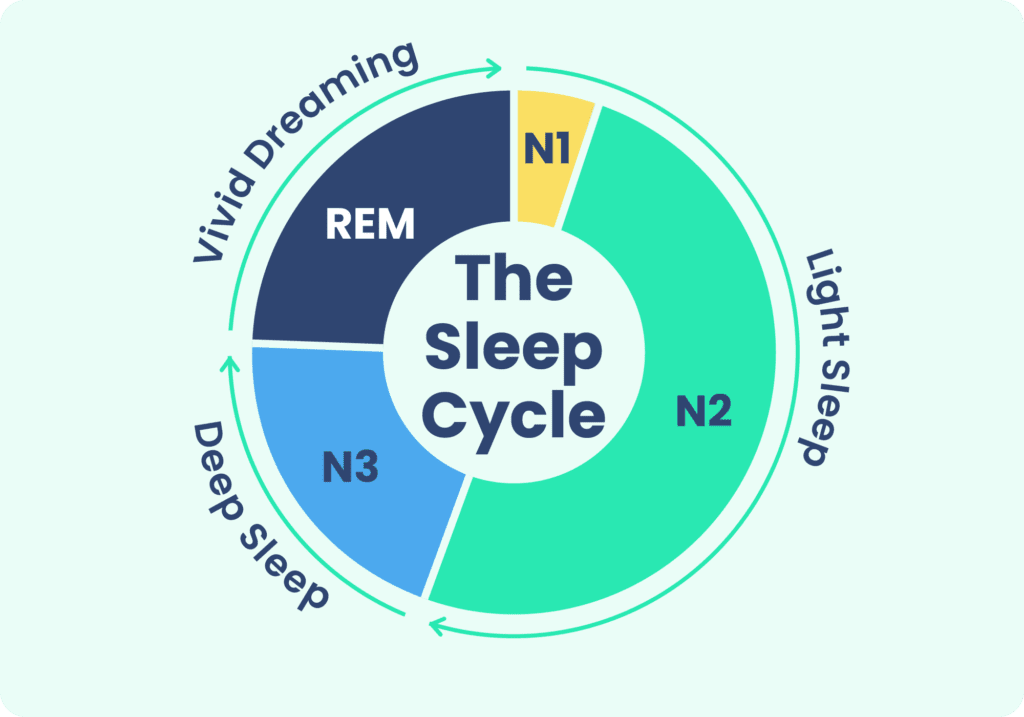
- Limit Nap Duration: Aim for short naps lasting 20-30 minutes to avoid falling into deep stages of sleep, which can leave you feeling groggy and disoriented.
- Time Your Naps Wisely: Nap earlier in the day to prevent interference with your nighttime sleep schedule. Avoid napping late in the afternoon or evening, as it can make it challenging to fall asleep at night.
- Create a Calm Environment: Choose a quiet, dark, and comfortable space for napping to promote relaxation and restful sleep.
By following these tips, you can reap the benefits of napping without disrupting your nightly sleep patterns.
Conclusion
Establishing healthy sleep patterns is crucial for your overall health and well-being. By prioritizing your sleep and implementing the tips outlined in this article, you can improve the quality of your sleep, enhance your mood and energy levels, and boost your overall wellness. Remember, getting a good night’s sleep is a vital aspect of self-care and should be a priority in your daily routine. Sweet dreams!