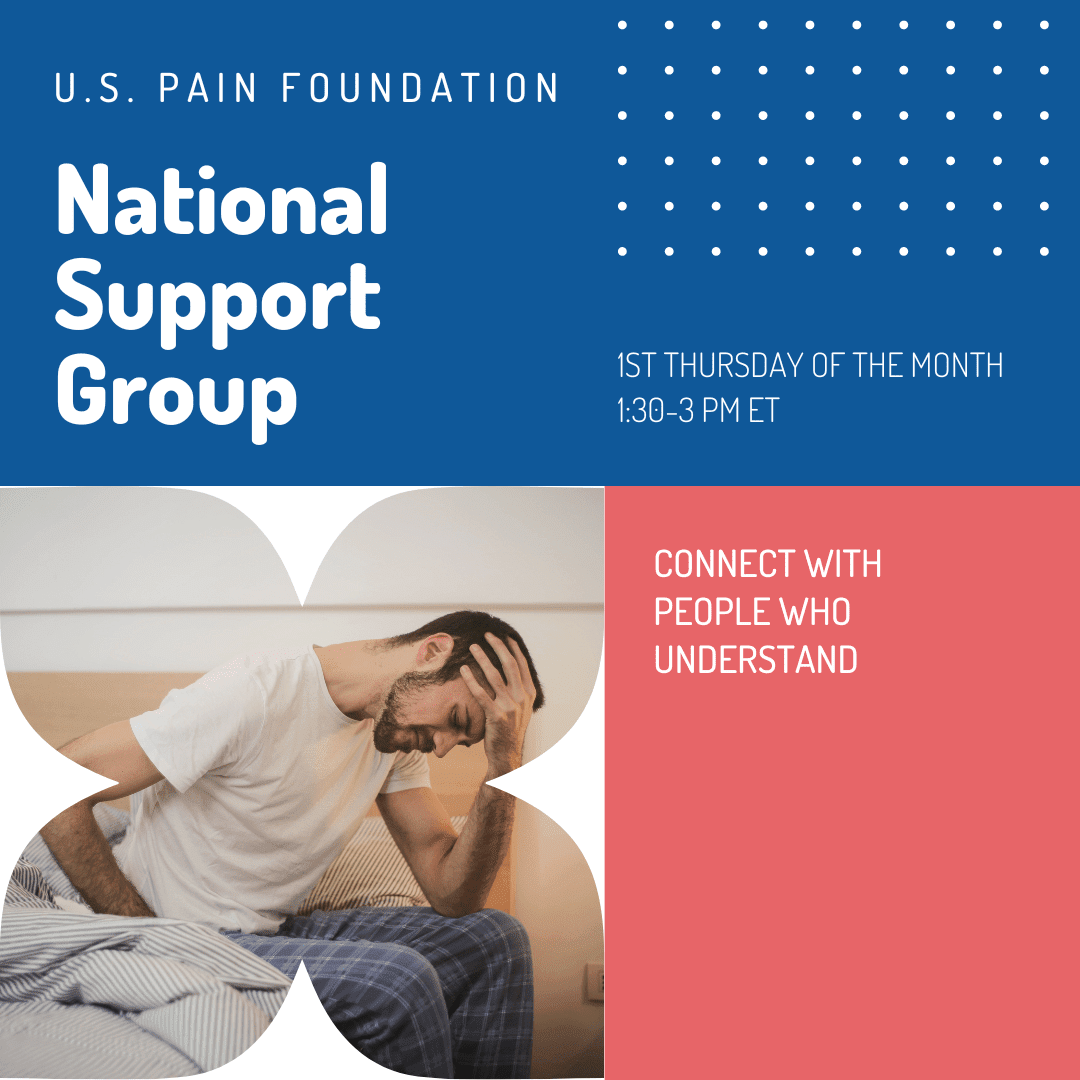
Hey there! Do you or a loved one have a chronic condition and are in need of some extra support? Look no further! In this article, you’ll learn all about how to find support groups tailored to helping you manage your chronic condition. From online resources to local community organizations, there are plenty of options available to connect with others facing similar challenges. Let’s dive in and find the support you need to thrive! Have you been struggling to manage a chronic condition on your own? You may find that joining a support group can provide you with the encouragement, resources, and understanding you need to navigate your health journey more effectively. In this article, we will explore how you can find support groups for managing chronic conditions and the benefits of connecting with others who are facing similar challenges.
What are Support Groups for Chronic Conditions?
Support groups are gatherings of individuals who share a common experience or condition and come together to offer emotional support, education, and practical advice to one another. In the case of chronic conditions, these groups can be incredibly valuable for those who may feel isolated, overwhelmed, or misunderstood in their daily struggles. By connecting with others who are facing similar challenges, individuals can find comfort, understanding, and a sense of community that can be instrumental in improving their quality of life.
Why Join a Support Group?
Joining a support group for managing a chronic condition can offer a multitude of benefits. By participating in a support group, you can:
- Gain a sense of community and belonging
- Receive emotional support from individuals who understand what you are going through
- Access information, resources, and coping strategies from others who have lived experience
- Learn from the collective wisdom of the group and share your own insights
- Reduce feelings of isolation, stigma, and loneliness
- Improve your mental health and overall well-being
- Develop new friendships and meaningful connections
Choose the Right Support Group for You
When looking for a support group to join, it’s essential to find one that aligns with your specific needs, preferences, and goals. Here are some factors to consider when choosing a support group for managing chronic conditions:
- Condition-specific: Look for a support group that focuses on your particular chronic condition to ensure that the information and discussions are relevant to your situation.
- In-person vs. online: Decide whether you prefer attending meetings in person or participating in virtual groups. Online support groups can be a convenient option for those with limited mobility or transportation challenges.
- Facilitated vs. peer-led: Consider whether you would benefit more from a professionally facilitated support group or a peer-led group. Facilitated groups may offer more structured sessions and guidance, while peer-led groups emphasize shared experiences and informal conversations.
- Size and demographics: Think about the size and demographics of the support group. Some individuals may prefer smaller, more intimate groups, while others may thrive in larger communities with diverse perspectives.
- Frequency and format: Determine how often the support group meets and what the format of the meetings looks like. Some groups may gather weekly, monthly, or on an as-needed basis, and meetings can range from structured discussions to informal chats.
How to Find Support Groups for Chronic Conditions
Now that you understand the benefits of joining a support group and what to look for in a group that meets your needs, let’s explore how you can find support groups for managing chronic conditions.
1. Consult Your Healthcare Provider
Your healthcare provider can be an excellent resource for finding local support groups that focus on specific chronic conditions. Whether you’re seeing a primary care physician, specialist, or therapist, don’t hesitate to ask them for recommendations or referrals to support groups in your area. Healthcare professionals often have connections with community organizations, hospitals, and clinics that host support groups and can point you in the right direction.
2. Search Online
The internet is a treasure trove of resources when it comes to finding support groups for managing chronic conditions. You can use search engines, social media platforms, and dedicated websites to discover virtual support groups, community forums, and online networks that cater to individuals with various health challenges. Look for reputable websites that provide comprehensive directories of support groups, user reviews, and information about group moderators and activities.
| Website | Description |
|---|---|
| Meetup | Search for local support groups and events in your area |
| HealthUnlocked | Join online health communities and discussion forums |
| PatientsLikeMe | Connect with others living with similar conditions |
| Inspire | Access virtual support groups for various health topics |
3. Utilize Social Media
Social media platforms can also be valuable tools for connecting with support groups and individuals who share your chronic condition. Joining Facebook groups, Twitter chats, Instagram communities, or LinkedIn groups related to your health condition can help you network with like-minded individuals, share resources, and stay informed about upcoming events and discussions. Many social media groups offer a safe and supportive space for members to ask questions, seek advice, and offer encouragement to one another.
4. Contact Nonprofit Organizations
Nonprofit organizations dedicated to specific chronic conditions often host support groups, workshops, and educational events for individuals affected by those health challenges. Reach out to local nonprofits, national advocacy groups, or disease-specific foundations to inquire about support group opportunities in your area. These organizations may provide a wealth of resources, educational materials, and guidance on how to connect with other individuals who are navigating similar health journeys.
5. Attend Community Events and Workshops
Community centers, hospitals, libraries, and religious organizations frequently host health-related events, workshops, and support group meetings for individuals managing chronic conditions. Keep an eye out for flyers, posters, newsletters, or online event calendars that promote upcoming gatherings in your community. Attending these events can not only connect you with support groups but also introduce you to healthcare professionals, community resources, and additional services that may benefit your overall well-being.
Benefits of Joining a Support Group
Joining a support group for managing a chronic condition can have a positive impact on your mental, emotional, and physical health. Here are some of the benefits you may experience by becoming an active member of a support group:
Emotional Support and Understanding
By sharing your experiences, feelings, and struggles with others who are facing similar challenges, you can receive emotional support, validation, and empathy that can help you cope with the daily stress of managing a chronic condition. Being surrounded by individuals who understand your journey and offer non-judgmental support can create a sense of belonging and alleviate feelings of isolation and loneliness.
Knowledge Sharing and Resources
Support groups are valuable platforms for exchanging information, resources, and practical advice on managing chronic conditions. Whether you’re looking for tips on symptom management, treatment options, lifestyle modifications, or coping strategies, you can benefit from the collective wisdom and lived experiences of group members. Learning from others’ successes, setbacks, and discoveries can empower you to make informed decisions about your health and well-being.
Peer Mentorship and Role Modeling
In a support group setting, you may have the opportunity to engage in peer mentorship and role modeling relationships with individuals who have navigated similar health challenges successfully. By observing how others cope with their conditions, overcome adversity, and thrive despite limitations, you can gain inspiration, hope, and motivation to persevere in your own health journey. Connecting with positive role models and mentors can instill a sense of resilience, courage, and determination in you.
Social Connection and Community Building
Building relationships with fellow support group members can lead to the development of new friendships, bonds, and social connections that enhance your overall quality of life. Engaging in group discussions, activities, and events can foster a sense of community, camaraderie, and mutual support that transcends the boundaries of your chronic condition. Sharing laughter, tears, milestones, and setbacks with others who understand your experiences can create lasting friendships and a supportive network that you can lean on during challenging times.
Improved Self-esteem and Coping Skills
Participating in a support group for managing a chronic condition can boost your self-esteem, self-efficacy, and coping skills by providing you with a safe space to express your feelings, fears, and vulnerabilities without judgment or criticism. Celebrating your achievements, milestones, and resilience in the company of supportive peers can reinforce your sense of self-worth, agency, and strength in facing adversity. Developing healthy coping mechanisms, stress management techniques, and self-care strategies through group interactions can equip you with the tools you need to navigate the ups and downs of life with a chronic condition.

Final Thoughts
Navigating the challenges of managing a chronic condition can be overwhelming, draining, and isolating at times. However, by joining a support group for individuals with similar health challenges, you can find solace, strength, and resilience in the company of others who understand your journey. Whether you’re seeking emotional support, information, peer mentorship, or social connection, support groups can offer a myriad of benefits that enhance your well-being and quality of life. Take the first step towards connecting with a supportive community today and discover the power of sharing, learning, and growing together in the face of chronic conditions.