
Incorporating preventive health habits into your family’s lifestyle is essential for ensuring the well-being of everyone. By making small changes to your daily routines and encouraging healthy habits, you can create a positive and supportive environment that promotes a lifetime of wellness. This article explores practical tips and strategies to seamlessly integrate preventive health practices into your family’s everyday life, making it easier for everyone to prioritize their health and live a happier, healthier life together.

Create a Healthy Meal Plan
Eating a healthy, balanced diet is essential for maintaining good overall health. By creating a meal plan, you can ensure that your family is getting the nutrients they need to thrive. Start by researching healthy recipes that are not only delicious but also packed with nutrients. Look for recipes that include a variety of food groups, such as whole grains, lean proteins, fruits, and vegetables.
Once you have a list of recipe ideas, it’s time to plan your meals for the week. Make sure to include a mix of different food groups in each meal to create a balanced plate. Aim to include fruits and vegetables in every meal to provide important vitamins, minerals, and antioxidants. Get creative with how you prepare and serve these foods to make them more appealing to your family.
Encourage Regular Physical Activity
Incorporating regular physical activity into your family’s lifestyle is crucial for maintaining good overall health. It not only helps to keep your family physically fit but also improves mood and cognitive function. Find activities that the whole family enjoys, whether it’s going for a bike ride, playing a game of soccer, or simply going for a walk together. By involving the entire family in these activities, you can make exercise a fun and enjoyable part of your daily routine.
To ensure that physical activity becomes a regular habit, it’s important to schedule specific exercise time. Set aside dedicated time slots each week for physical activity and make it a priority in your family’s schedule. Whether it’s early morning walks before school or after-dinner yoga sessions, consistency is key. You can also set fitness goals as a family, such as completing a 5k run or mastering a new yoga pose. Working towards these goals together can provide motivation and a sense of accomplishment.
Teach Good Hygiene Practices
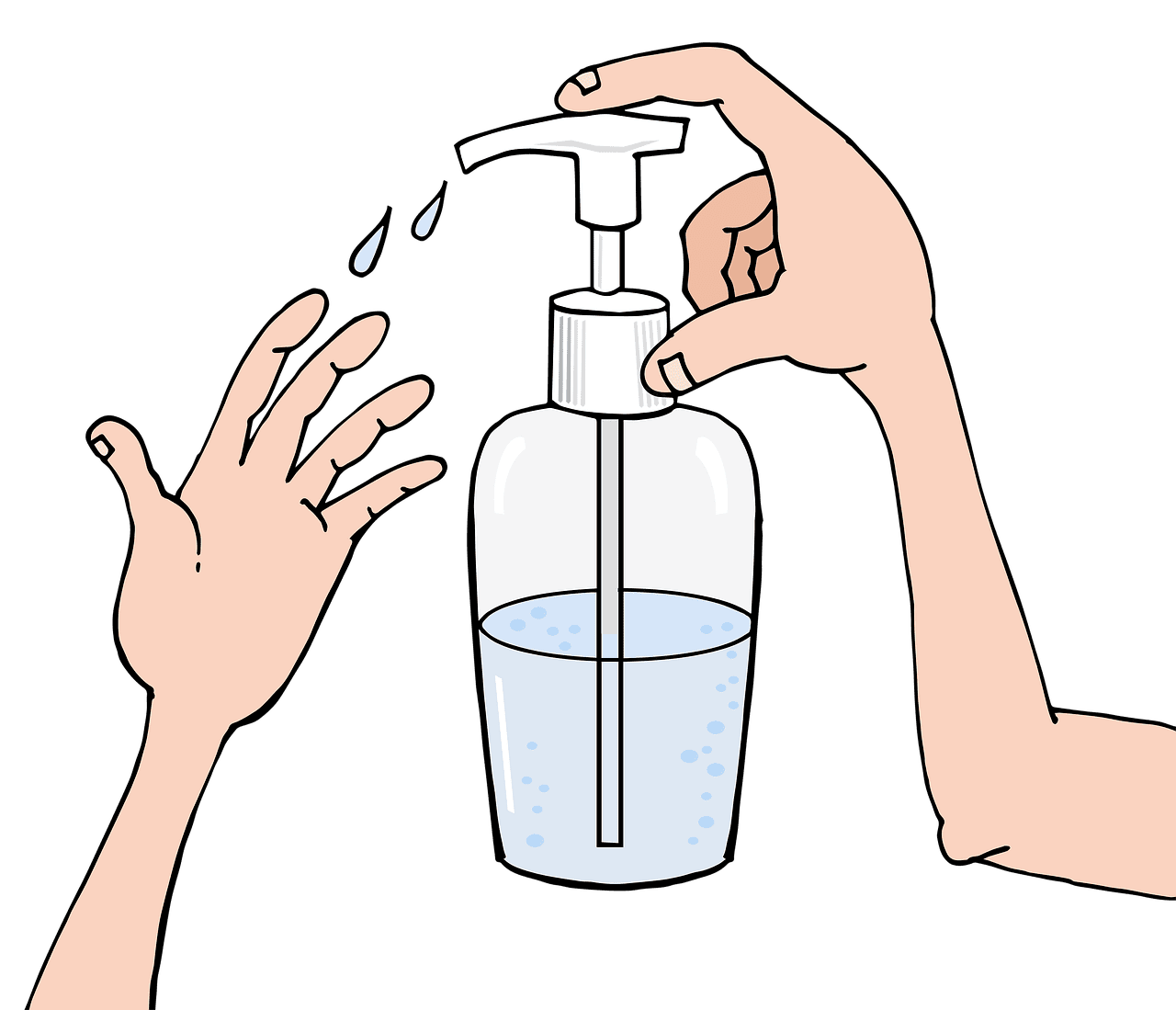
Good hygiene habits are essential for preventing the spread of germs and maintaining optimal health. Start by teaching your family proper handwashing techniques. Make sure they understand the importance of washing their hands regularly, especially before meals, after using the restroom, and after coming into contact with surfaces that may harbor germs.
In addition to handwashing, promote daily bathing and dental hygiene. Encourage your children to brush their teeth at least twice a day and floss regularly. Teach them the proper techniques for brushing and ensure they have access to necessary oral hygiene tools. By establishing good dental habits at a young age, you can help prevent oral health issues in the future.
It’s also important to teach kids about other personal hygiene factors, such as showering regularly, wearing clean clothes, and practicing good menstrual hygiene for older girls. By instilling these habits from a young age, you are setting them up for a lifetime of good hygiene practices.
Limit Screen Time
Excessive screen time has been linked to various health issues, including obesity, sleep problems, and poor mental health. To ensure your family’s well-being, it’s important to set screen time limits. Establish clear rules about how much screen time is allowed each day and stick to them. This includes not only limiting time spent on electronic devices such as smartphones, tablets, and computers but also watching TV.
Encourage other activities to take the place of screen time. Encourage your family to engage in hobbies such as reading, playing board games, or engaging in creative activities like painting or writing. By providing alternative options, you can help your family develop a diverse set of interests and reduce their dependence on screens for entertainment.
Another effective way to manage screen time is to create screen-free zones in the house. Designate certain areas, such as the dining room or bedrooms, as screen-free zones where electronic devices are not allowed. This will help promote face-to-face communication and prevent excessive screen use during important family times.
Ensure Adequate Sleep
Getting enough quality sleep is crucial for our overall well-being. It is especially important for children as it is essential for their growth and development. Establishing a consistent bedtime routine can help ensure that your family gets the right amount of sleep each night.
Create a calming sleep environment that is conducive to relaxation and rest. Make sure the bedroom is quiet, cool, and dark. Consider using blackout curtains or a white noise machine to create a soothing atmosphere. Remove electronic devices, such as TVs and smartphones, from the bedroom, as they can interfere with sleep patterns.
Setting appropriate sleep duration is also important. The National Sleep Foundation recommends the following sleep durations for different age groups:
- Newborns (0-3 months): 14-17 hours
- Infants (4-11 months): 12-15 hours
- Toddlers (1-2 years): 11-14 hours
- Preschoolers (3-5 years): 10-13 hours
- School-age children (6-13 years): 9-11 hours
- Teenagers (14-17 years): 8-10 hours
- Adults (18-64 years): 7-9 hours
- Older adults (65+ years): 7-8 hours
By ensuring that everyone in the family gets the recommended amount of sleep, you can promote better physical and mental health for all.
Promote Mental Health
Taking care of your family’s mental health is just as important as their physical health. Encourage open communication within the family and create a safe space for everyone to express their thoughts and emotions. Regularly check in with each family member and ask how they are feeling. This can help identify any potential issues early on and provide the necessary support.
Teaching stress management techniques is also crucial in promoting mental well-being. Help your family members develop healthy coping mechanisms for dealing with stress, such as deep breathing exercises, meditation, or engaging in hobbies they enjoy. Encourage them to take breaks when needed and prioritize self-care activities.
Promoting relaxation and self-care is essential in maintaining good mental health. Encourage your family to engage in activities that help them relax and recharge, such as taking baths, reading, or practicing mindfulness. Make sure to lead by example and prioritize your own mental well-being as well.

Schedule Regular Check-ups
Regular check-ups with a trusted family doctor are an important part of preventive healthcare. Find a doctor who specializes in family medicine and can provide comprehensive care for every member of your family. Regular check-ups allow your doctor to monitor your family’s overall health, address any concerns, and provide necessary preventive care.
Maintaining vaccination schedules is also crucial for protecting your family from preventable diseases. Make sure that everyone is up to date with their vaccinations, including routine vaccines as well as those recommended for specific age groups or travel plans. Regular check-ups provide an opportunity to discuss and schedule any needed vaccinations.
Monitoring growth and development is another important aspect of regular check-ups. Your doctor can assess your child’s growth and development milestones, identify any potential issues early on, and provide appropriate interventions or referrals.
Educate About the Importance of Prevention
Teaching your family about the importance of prevention can empower them to take an active role in their health. Explain the concept of preventive health measures, such as regular exercise, healthy eating, and vaccinations. Help them understand how these practices can help prevent diseases and maintain good overall health.
Additionally, explain the benefits of early detection. Encourage your family to be aware of common signs and symptoms of various health conditions. Teach them how to perform self-examinations, such as checking for skin irregularities or breast lumps. By detecting potential health issues early, you can seek appropriate medical care and increase the chances of successful treatment.
Encourage proactive healthcare by emphasizing the importance of regular check-ups and screenings. Schedule regular appointments for preventive screenings, such as blood pressure checks, cholesterol screenings, or mammograms. By staying proactive, your family can take control of their health and make informed decisions about their well-being.
Create a Smoke-Free Home
Exposure to secondhand smoke can have serious health consequences for your family. To protect their health, it’s important to avoid smoking indoors. Establish a smoke-free policy in your home and make it clear that smoking is not allowed.
Educate family members about the dangers of smoking and the harmful effects of secondhand smoke. Discuss the long-term health consequences of smoking and the increased risk of developing various diseases, such as lung cancer, heart disease, and respiratory issues. By providing this information, you can help create awareness and encourage healthier lifestyle choices.
If there are members of your family who smoke, support them in their journey to quit. Offer resources, such as smoking cessation programs or nicotine replacement therapies, and provide emotional support throughout the process. Quitting smoking not only benefits their own health but also the health of the entire family.
Establish Healthy Habits as a Family
As a parent or caregiver, your behaviors and habits have a significant impact on your family. Lead by example and establish healthy habits that your family can follow. Show them the importance of taking care of your own health and well-being.
Make healthy habits fun and enjoyable for the entire family. Involve your family in meal planning and preparation, allowing them to choose healthy recipes and participate in cooking. Explore new physical activities together, such as hiking, swimming, or dancing. By making healthy habits enjoyable, you can create positive associations and increase the likelihood of long-term adherence.
Encourage support and accountability within the family. Check in with each other regularly to ensure everyone is staying on track with their healthy habits. Celebrate successes as a family and provide support during challenging times. By working together, you can create a supportive environment that fosters healthy habits and overall well-being.
Incorporating preventive health habits into your family’s lifestyle takes time and effort, but the benefits are well worth it. By focusing on creating a healthy meal plan, encouraging regular physical activity, teaching good hygiene practices, limiting screen time, ensuring adequate sleep, promoting mental health, scheduling regular check-ups, educating about prevention, creating a smoke-free home, and establishing healthy habits as a family, you are setting your family up for a lifetime of good health and well-being. Start small, make gradual changes, and be consistent. Your family’s health is in your hands, and with your guidance and support, they can thrive.