
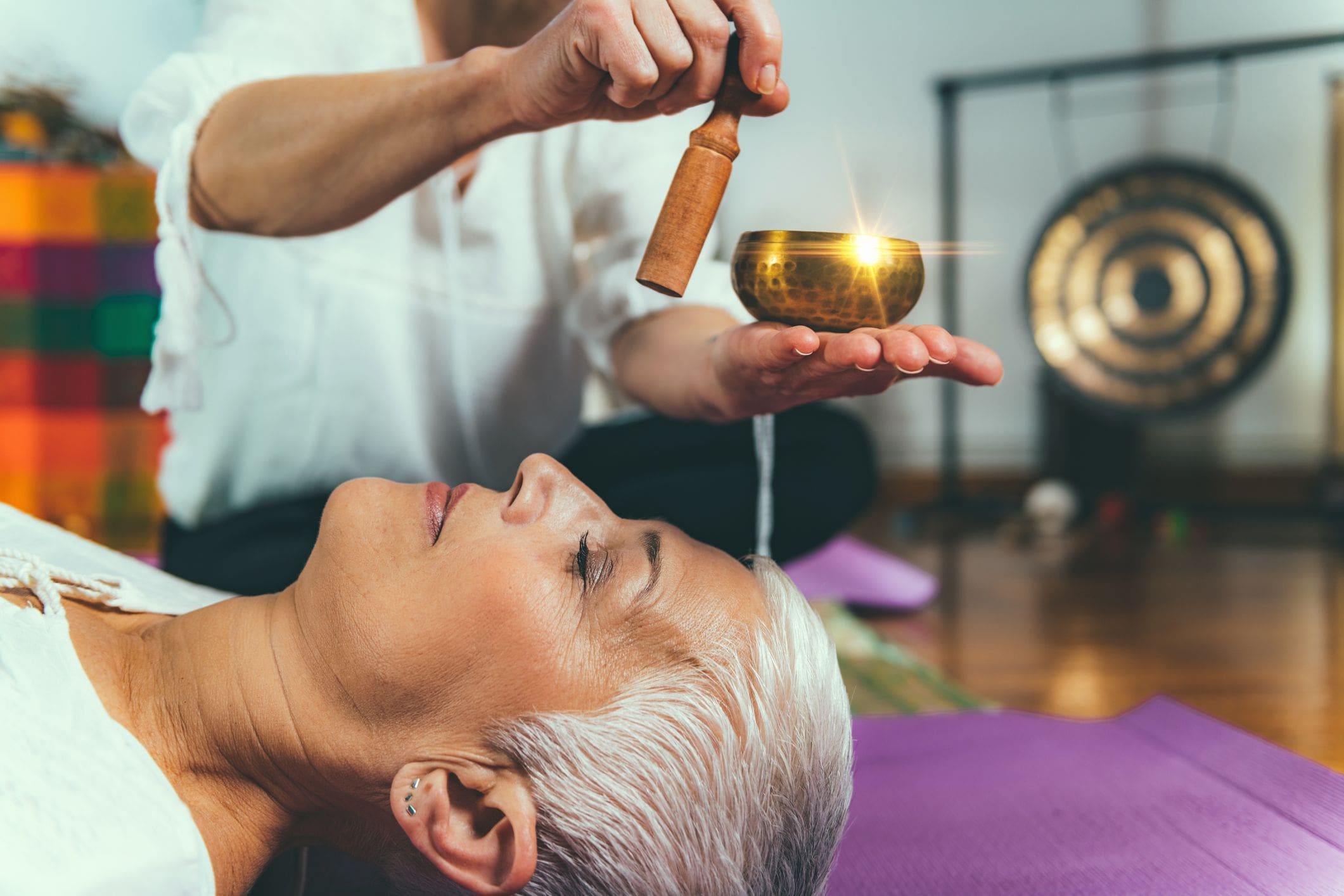
Imagine a world where the gentle vibrations of sound work in harmony with your body and mind to bring about holistic healing. Sound therapy, a powerful and ancient practice, has been gaining popularity as people seek natural and holistic approaches to well-being. By harnessing the healing properties of sound, you can invite tranquility, balance, and rejuvenation into your life. This article will guide you on how to incorporate sound therapy into your daily routine, allowing you to tap into the remarkable benefits it offers for your overall health and wellness. Get ready to embark on a journey of self-discovery and healing through the captivating world of sound therapy.
Understanding Sound Therapy
What is sound therapy?
Sound therapy, also known as sound healing or sound meditation, is a holistic healing practice that uses sound waves to promote relaxation, reduce stress, and improve overall well-being. It is based on the principle that sound vibrations can affect our physical, mental, and emotional state.
How does sound therapy work?
Sound therapy works by using various sound tools, such as singing bowls, tuning forks, or recorded sounds, to create vibrations that interact with our body and mind. These vibrations can help to balance energy, release tension, and promote a state of harmony. The soothing sounds and frequencies resonate with our cells, tissues, and organs, facilitating a sense of calm and promoting natural healing processes.
Benefits of sound therapy
Sound therapy offers a wide range of benefits for both physical and mental health. It can help to reduce anxiety, promote better sleep, alleviate pain, boost immune function, increase focus and concentration, enhance creativity, and improve mood. Sound therapy can also be used as a complementary healing practice for various conditions, including stress-related disorders, chronic pain, insomnia, depression, and PTSD. It can support overall well-being and promote a deep sense of relaxation and inner peace.
Choosing the Right Sound Therapy Technique
Types of sound therapy techniques
There are various types of sound therapy techniques to choose from, depending on your individual needs. Some common techniques include:
-
Singing bowl therapy: This technique involves using singing bowls, which are metal bowls that produce resonant tones when struck or rubbed with a mallet. The vibrations from the bowls can induce a deep state of relaxation and balance energy.
-
Tuning fork therapy: Tuning forks are used in this technique to produce specific frequencies and tones. They can be placed on different parts of the body or around the body to promote healing and harmonize energy.
-
Gong therapy: Gong baths or gong therapy sessions involve the use of large gongs played in a specific manner to create a rich tapestry of sound. The deep vibrations and overtones produced by the gong can facilitate deep relaxation and release tension.
Identifying your specific needs
Before choosing a sound therapy technique, it’s important to identify your specific needs and goals. Are you looking to reduce stress and anxiety? Do you need help with insomnia or chronic pain? Are you seeking emotional balance or spiritual growth? Understanding your intentions and desired outcomes will help you select the most appropriate technique and tools for your sound therapy practice.
Researching and seeking guidance
It’s always a good idea to do some research and seek guidance when incorporating sound therapy into your holistic healing practice. Look for reputable resources, books, and websites that provide information on sound therapy techniques and their benefits. You can also consult with a sound therapist or a holistic health practitioner who specializes in sound therapy. They can guide you in choosing the right technique, provide personalized recommendations, and ensure that you practice safely and effectively.
Creating a Calming Environment
Find a peaceful space
Creating a calming environment is key to enhancing the effectiveness of sound therapy. Find a quiet and peaceful space in your home where you can comfortably practice without distractions. It could be a dedicated meditation room, a cozy corner in your bedroom, or even a secluded spot in nature. Ensure that the space feels safe, comfortable, and conducive to relaxation.
Eliminate distractions
To fully immerse yourself in the healing sounds of sound therapy, it’s important to eliminate distractions. Turn off your electronic devices or put them on silent mode. Close the door or use earplugs to minimize external noise. Create a boundary between yourself and the outside world, allowing yourself to fully focus on the therapeutic sounds and vibrations.
Set the mood with lighting and aromatherapy
To enhance the calming atmosphere, consider using soft lighting and aromatherapy. Dim the lights or use candlelight to create a soothing ambiance. You can also incorporate essential oils or diffusers with calming scents like lavender or chamomile. These subtle additions can further relax your senses and deepen your sound therapy experience.
Selecting the Appropriate Sound Tools
Instruments commonly used in sound therapy
Sound therapy utilizes a variety of instruments to produce healing sounds and vibrations. Some commonly used instruments include:
-
Singing bowls: These metal bowls are often made of a combination of metals, such as copper, brass, or bronze. When struck or rubbed with a mallet, they produce resonant tones and vibrations.
-
Tuning forks: Tuning forks are metal instruments with two prongs that vibrate at specific frequencies when struck. They are available in different tones and can be used on or around the body for healing purposes.
-
Gongs: Gongs produce powerful and deep vibrations when struck with a mallet. They come in various sizes and shapes, and the different areas of the gong produce different tones and harmonics.
Exploring different frequencies and tones
Each sound tool used in sound therapy produces its unique frequencies and tones. It’s important to explore and experiment with different frequencies to find what resonates with you and addresses your specific needs. For example, lower frequencies can promote relaxation and grounding, while higher frequencies can stimulate energy and creativity. Find the sounds that resonate with you the most and incorporate them into your sound therapy practice.
Using recorded or live sound
Sound therapy can be experienced through both recorded sound and live sound. Recorded sound therapy tracks are readily available and offer the convenience of practicing from anywhere, anytime. They often feature different sound tools and frequencies, allowing you to explore various healing sounds. Live sound therapy sessions, on the other hand, provide a unique and immersive experience. Attending a live sound therapy event or working with a sound therapist in person allows for a more personalized and interactive healing experience.
Developing a Personal Sound Therapy Routine
Establishing a regular practice
To fully experience the benefits of sound therapy, it’s important to establish a regular practice. Set aside dedicated time each day or week to engage in your sound therapy routine. Consistency is key, as it allows your body and mind to become more receptive to the healing vibrations and frequencies. Starting with shorter sessions and gradually increasing the duration can help you build a sustainable routine.
Identifying specific goals
Before starting your sound therapy routine, identify specific goals or intentions that you want to address through this practice. It could be reducing stress, improving sleep quality, managing chronic pain, enhancing creativity, or simply finding a sense of inner peace. Having clear goals will help you tailor your sound therapy sessions to meet your specific needs and monitor your progress over time.
Experimenting with different techniques
Sound therapy offers a vast array of techniques and tools to explore. Don’t be afraid to experiment and try out different techniques to find what works best for you. You may find that certain techniques resonate more with your body and mind, while others may not have the same impact. Embrace the opportunity to explore and discover the techniques that bring you the greatest healing and sense of well-being.
Breathing and Meditation Techniques
Deep breathing exercises
Incorporating deep breathing exercises into your sound therapy practice can amplify the benefits and deepen your relaxation. Deep breathing calms the nervous system, reduces stress, and increases oxygen flow to the brain. As you listen to the sound vibrations, focus on taking slow, deep breaths, inhaling deeply through your nose, and exhaling slowly through your mouth. Allow the sound waves and your breath to synchronize, enhancing the overall calming effect of your practice.
Guided meditation
Combining sound therapy with guided meditation can create a powerful holistic experience. Guided meditations provide verbal cues and imagery to guide your thoughts and promote relaxation. As you listen to the guided meditation, allow the healing sounds to enhance your visualization and deepen your state of relaxation. This combination can help you access a deeper level of consciousness, release any tension or negativity, and foster a profound sense of peace.
Combining sound therapy with mindfulness
Mindfulness is the practice of being fully present in the moment, without judgment or attachment to thoughts or emotions. Combining sound therapy with mindfulness can enhance your ability to stay present and aware as you immerse yourself in the healing sounds. As you listen to the vibrations, focus your attention on the sensations and vibrations in your body, noticing any changes or shifts that occur. Embrace the present moment and allow the sound therapy to bring you a sense of tranquility and inner awareness.
Using Sound Therapy with Other Holistic Healing Practices
Yoga and sound therapy
Yoga and sound therapy can be powerful complements to each other. Incorporating sound therapy into your yoga practice enhances the mind-body connection and deepens the overall experience. You can incorporate sound tools, such as singing bowls or tuning forks, into your yoga sessions, using them to accompany certain yoga poses or for relaxation during savasana. The combination of yoga and sound therapy helps to release physical and energetic blocks, increase flexibility, and promote relaxation.
Reiki and sound therapy
Reiki, a Japanese energy healing modality, can be combined with sound therapy to create a deeply transformative experience. During a Reiki session, the practitioner channels healing energy to the recipient through gentle touch or non-touch techniques. By incorporating sound tools, such as singing bowls or tuning forks, the vibrations from the instruments can further enhance the energetic healing process. The combination of Reiki and sound therapy can promote deep relaxation, balance the energy centers in the body, and facilitate emotional and physical healing.
Massage therapy and sound therapy
Sound therapy can also be integrated into massage therapy sessions to enhance the overall healing experience. The gentle vibrations from sound tools can complement the hands-on techniques used in massage, promoting increased relaxation, pain relief, and release of tension. Incorporating sound therapy into a massage session can create a synergistic effect, amplifying the benefits of both practices and leaving you feeling refreshed and rejuvenated.
Finding Professional Sound Therapy Support
Working with a sound therapist
If you want to delve deeper into sound therapy or address specific health concerns, working with a sound therapist can be highly beneficial. A sound therapist is a trained professional who specializes in using sound as a therapeutic tool. They can assess your individual needs, guide you in selecting the most appropriate techniques, and provide personalized sound therapy sessions tailored to your goals. Working with a sound therapist ensures that you receive expert guidance and support throughout your sound therapy journey.
Attending group sound therapy sessions
Group sound therapy sessions provide a unique opportunity to experience the healing power of sound in a shared space. These sessions are often facilitated by sound therapists or experienced practitioners and can be held in a studio or community setting. Attending group sessions allows you to connect with like-minded individuals, collectively benefit from the healing vibrations, and experience a sense of community and support. Group sound therapy sessions often offer a more affordable option for experiencing the benefits of sound therapy.
Utilizing online resources
Thanks to the accessibility of the internet, there are numerous online resources available for sound therapy enthusiasts. Websites, blogs, and social media platforms offer a wealth of information about sound therapy techniques, practitioners, and resources. Online communities and forums provide a space to connect with others who share your interest in sound therapy and to share experiences and recommendations. Online sound therapy tracks and guided meditations are readily available for you to explore and incorporate into your personal practice. However, it’s important to be discerning and ensure that you are sourcing information from reputable and knowledgeable sources.
Safety Precautions and Considerations
Seeking medical advice if necessary
While sound therapy is generally considered safe and non-invasive, it’s always important to prioritize your health and seek medical advice if you have specific concerns or pre-existing conditions. If you have any medical conditions, are pregnant, or are under the care of a healthcare professional, consult with them before incorporating sound therapy into your wellness routine. They can provide guidance and ensure that sound therapy is suitable for your individual needs.
Being aware of volume levels
When practicing sound therapy, it’s important to be mindful of the volume levels, especially when using headphones or speakers. Exposing your ears to excessive volume levels for an extended period of time can potentially lead to hearing damage or discomfort. Start with a comfortable volume level and increase gradually if desired. If you experience any discomfort, reduce the volume or step away from the sound source. Listen to your body and prioritize your well-being throughout your sound therapy practice.
Conducting research on sound therapy practitioners
If you decide to work with a sound therapist or attend group sound therapy sessions, it’s essential to conduct research and ensure that the practitioners are reputable and experienced. Look for certifications or qualifications in sound therapy or related fields. Read reviews and testimonials from previous clients to gain insights into their expertise and professionalism. Trust your intuition and choose practitioners who resonate with you and align with your intentions and goals.
Exploring Sound Therapy as a Complementary Healing Practice
Understanding sound therapy as an adjunct therapy
Sound therapy is most effective when viewed as a complementary healing practice, rather than a standalone treatment. It can enhance the effectiveness of other holistic healing modalities, such as acupuncture, chiropractic care, or psychotherapy. Integrating sound therapy into your overall wellness routine can provide a holistic approach to healing, addressing not only physical symptoms but also emotional and energetic imbalances.
Integrating sound therapy into a holistic lifestyle
To fully incorporate sound therapy into your holistic lifestyle, consider integrating it into other aspects of your daily routine. You can listen to sound therapy tracks while practicing yoga, meditating, or taking a bath. Create a supportive environment in your home by using sound tools as part of your self-care rituals or during your bedtime routine. Embrace sound therapy as a tool for self-discovery, self-care, and personal growth, nourishing your mind, body, and spirit on a regular basis.
Benefiting from the mind-body connection
One of the fundamental principles of sound therapy is the recognition of the mind-body connection. By working with the vibrations and frequencies of sound, you can tap into the innate wisdom of your body, release stagnant energy, and promote holistic healing. Sound therapy encourages a deeper connection with yourself, allowing you to cultivate self-awareness, access inner wisdom, and nurture a harmonious relationship between your mind, body, and spirit.
Incorporating sound therapy into your holistic healing practice can be a powerful tool for promoting relaxation, reducing stress, and enhancing overall well-being. By understanding the principles and techniques of sound therapy, creating a calming environment, selecting appropriate sound tools, and developing a personal routine, you can experience the transformative effects of this ancient healing modality. Remember to be mindful, seek professional guidance when needed, and embrace sound therapy as part of your holistic lifestyle for optimal health and balance.