
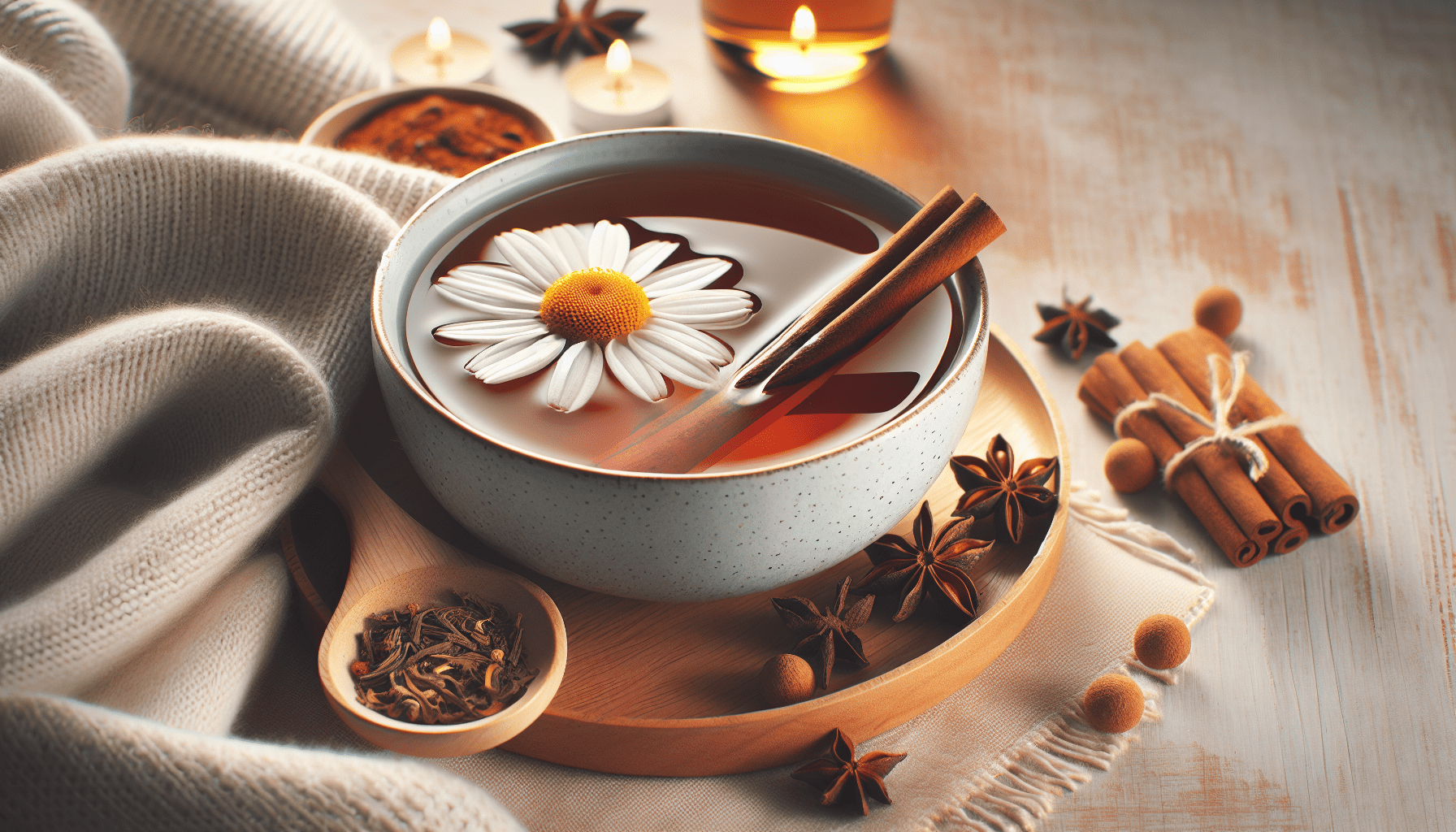
You’ve heard it before – that dreaded time of the month when Aunt Flo pays a visit and brings along those pesky cramps. But fear not, because in this article, we’re going to share some natural ways to help you manage menstrual cramps. No need to rely on medication or suffer in silence anymore. From soothing herbal teas to gentle exercises, we’ve got you covered. So grab a cup of tea, get comfy, and let’s find some relief together.
Dietary Changes
Increase intake of fruits and vegetables
One of the most effective ways to manage menstrual cramps naturally is to increase your intake of fruits and vegetables. These foods are rich in essential nutrients and antioxidants that can help reduce inflammation and ease pain. Try incorporating a variety of colorful fruits and vegetables into your meals and snacks to reap their maximum benefits.
Incorporate whole grains into your diet
Whole grains like brown rice, quinoa, and whole wheat bread are excellent additions to your diet when dealing with menstrual cramps. They are high in fiber, which can help regulate hormone levels and reduce cramps. Include whole grains in your meals and snacks to promote overall menstrual health.
Consume calcium-rich foods
Calcium is known to help relax the muscles and ease menstrual cramps. Increase your intake of calcium-rich foods like dairy products, leafy green vegetables, and fortified plant-based milk. You can also consider taking calcium supplements if necessary, under the guidance of a healthcare provider.
Include foods rich in magnesium
Magnesium plays a vital role in muscle relaxation and can help alleviate menstrual cramps. Include foods like nuts, seeds, dark chocolate, and leafy green vegetables in your diet to ensure you are getting an adequate amount of magnesium. If needed, you can also consider magnesium supplements upon consulting with a healthcare professional.
Herbal Remedies
Try chamomile tea
Chamomile tea is a popular herbal remedy known for its calming and soothing effects. It can help relax the muscles and reduce the intensity of menstrual cramps. Enjoy a warm cup of chamomile tea during your menstrual cycle to find relief from cramps and promote relaxation.
Drink ginger tea
Ginger has anti-inflammatory properties and can help alleviate menstrual cramps. Drinking ginger tea or adding fresh ginger to your meals can provide relief from pain and reduce inflammation. Give ginger a try as a natural remedy for managing menstrual cramps.
Consider using lavender oil
Lavender oil is well-known for its relaxation and pain-relieving properties. Applying lavender oil to your lower abdomen or taking a warm bath infused with lavender oil can help ease menstrual cramps. However, it is important to dilute the oil properly and perform a patch test before using it.
Explore the benefits of cinnamon
Cinnamon is not only a delicious spice but also has anti-inflammatory properties that can help reduce menstrual cramps. Sprinkle cinnamon on your oatmeal or add it to your tea or smoothies to enjoy its benefits. However, it’s important to consume cinnamon in moderation as excessive amounts can cause other health issues.
Exercise and Physical Activity
Engage in regular aerobic exercises
Regular aerobic exercises like walking, jogging, or cycling can help improve blood circulation and reduce menstrual cramps. Engaging in at least 30 minutes of moderate-intensity aerobic exercise on most days of the week can minimize the severity and duration of cramps. Choose an activity that you enjoy and make it a part of your routine.
Perform yoga or Pilates
Yoga and Pilates are low-impact exercises that focus on stretching, strengthening, and relaxation. These exercises can help alleviate menstrual cramps by improving blood flow to the pelvic area and reducing muscle tension. Consider joining a yoga or Pilates class specifically designed for menstrual health or follow online tutorials at home.
Try stretching exercises
Incorporating stretching exercises into your daily routine can help relax the muscles and relieve menstrual cramps. Focus on stretching your lower back, hips, and abdomen to target the areas most affected by cramps. Stretching can be done at home or with the guidance of a certified instructor.
Maintain a consistent exercise routine
Consistency is key when it comes to managing menstrual cramps through exercise. Aim for regular physical activity throughout the month, not just during your menstrual cycle. By maintaining a consistent exercise routine, you can improve your overall menstrual health and reduce the severity of cramps over time.
Heat Therapy
Apply a heating pad or hot water bottle
Applying heat to the lower abdomen can help relax the muscles and alleviate menstrual cramps. Use a heating pad or a hot water bottle and place it on your lower abdomen for 10-15 minutes at a time. Make sure to wrap the heating pad or hot water bottle in a towel to avoid direct contact with the skin.
Take warm baths or showers
Taking warm baths or showers can also provide soothing relief from menstrual cramps. The warm water helps increase blood flow and relax the muscles, reducing pain and discomfort. Consider adding Epsom salts or essential oils like lavender or chamomile to enhance the relaxation benefits.
Try using heated herbal packs
Heated herbal packs, often filled with herbs like lavender or chamomile, can be a natural and effective way to manage menstrual cramps. These packs can be warmed in the microwave and applied to the lower abdomen for targeted heat therapy. Check for instructions on how to use them safely and effectively.
Consider acupuncture or acupressure
Acupuncture and acupressure are alternative therapies that focus on stimulating specific points in the body to relieve pain and restore balance. These techniques have been found to be beneficial in managing menstrual cramps for some individuals. Consult with a licensed acupuncturist or acupressure practitioner to explore these options further.
Lifestyle Modifications
Get enough rest and sleep
Getting enough rest and sleep is essential for overall well-being and can help alleviate menstrual cramps. Aim for 7-9 hours of quality sleep each night, and try to establish a consistent sleep routine. Resting and taking short naps during your menstrual cycle can provide additional relief and support your body’s natural healing process.
Manage stress levels
Stress can exacerbate menstrual cramps, so it’s important to find effective ways to manage stress levels. Practice stress-reducing techniques such as deep breathing exercises, meditation, or engaging in hobbies that bring you joy. Prioritize self-care and make time for activities that help you relax and unwind.
Avoid smoking and excessive alcohol consumption
Both smoking and excessive alcohol consumption can worsen menstrual cramps and disrupt hormonal balance. It’s best to avoid smoking altogether and limit your alcohol intake during your menstrual cycle. Making these lifestyle changes can positively impact your overall menstrual health.
Maintain a healthy body weight
Maintaining a healthy body weight is crucial for managing menstrual cramps naturally. Being overweight or underweight can disrupt hormone levels and contribute to more severe cramps. Focus on maintaining a balanced diet, engaging in regular physical activity, and seeking guidance from a healthcare professional regarding weight management.
Hydration
Drink plenty of water
Staying hydrated is important for overall health, including managing menstrual cramps. Drink at least 8-10 glasses of water throughout the day to keep your body hydrated and promote proper blood circulation. Carry a water bottle with you to ensure you are drinking enough water.
Consume herbal teas
Herbal teas like chamomile, peppermint, and raspberry leaf can provide hydration and additional benefits for managing menstrual cramps. These teas are known for their soothing properties and can help reduce inflammation and relax the muscles. Sip on herbal teas as a hydrating and calming alternative to caffeinated beverages.
Avoid excessive caffeine intake
While some caffeine is generally acceptable, excessive intake can contribute to dehydration and worsen menstrual cramps. Limit your consumption of caffeinated beverages such as coffee, tea, and soda during your menstrual cycle. Opt for herbal teas or water instead to stay hydrated without causing additional discomfort.
Stay hydrated throughout the day
It’s important to maintain hydration throughout the entire day, not just during your menstrual cycle. Make it a habit to drink water regularly and stay hydrated to support your overall well-being and menstrual health. Proper hydration can help minimize cramps and improve your body’s natural healing processes.
Supplements
Consider taking omega-3 fatty acids
Omega-3 fatty acids have anti-inflammatory properties that can help reduce menstrual cramps. Consider incorporating foods rich in omega-3 fatty acids like fatty fish, chia seeds, and walnuts into your diet. You can also consult with a healthcare provider to determine if omega-3 fatty acid supplements are suitable for you.
Try magnesium supplements
Magnesium supplementation has shown promising results in reducing the severity of menstrual cramps. Talk to your healthcare provider to determine if magnesium supplements are appropriate for you and to determine the proper dosage. It’s important to follow professional advice and guidelines when considering any type of supplementation.
Explore the benefits of vitamin E
Vitamin E is an antioxidant that may help alleviate menstrual cramps. Incorporate foods rich in vitamin E, such as nuts, seeds, and spinach, into your diet. If needed, consult with a healthcare provider to discuss the potential benefits and appropriate dosage of vitamin E supplements.
Consider herbal supplements like evening primrose oil
Evening primrose oil, derived from the evening primrose plant, has been studied for its potential benefits in managing menstrual cramps. Some women find relief from cramps by taking evening primrose oil supplements. However, it’s important to consult with a healthcare professional before starting any herbal supplements to ensure they are safe and suitable for you.
Relaxation Techniques
Practice deep breathing exercises
Deep breathing exercises can help relax the body and reduce menstrual cramps. Take slow, deep breaths, focusing on filling your abdomen with each inhale and releasing tension with each exhale. Practice deep breathing exercises regularly, especially during your menstrual cycle, to promote relaxation and pain relief.
Try meditation or mindfulness
Meditation and mindfulness can help reduce stress and promote relaxation, leading to decreased menstrual cramps. Set aside a few minutes each day to meditate or practice mindfulness techniques. There are many meditation apps and online resources available to guide you through the process.
Engage in relaxation therapies like aromatherapy
Aromatherapy involves using essential oils to promote relaxation and provide pain relief. Certain oils like lavender, clary sage, and peppermint have been found to be beneficial for managing menstrual cramps. Use a diffuser, add a few drops of oil to your bath, or dilute them in a carrier oil and apply topically to your lower abdomen.
Explore the benefits of biofeedback
Biofeedback is a technique that helps you become more aware of your body’s physiological responses, such as muscle tension and heart rate. By learning to control these responses, you can effectively manage pain and reduce menstrual cramps. Consult with a healthcare professional or biofeedback therapist to learn more about this technique.
Alternative Therapies
Try acupuncture
Acupuncture involves the insertion of thin needles into specific points of the body to help alleviate pain and promote balance. Many individuals find acupuncture beneficial in reducing menstrual cramps. Seek out a licensed acupuncturist and discuss your menstrual health concerns to determine if acupuncture is suitable for you.
Consider chiropractic adjustments
Chiropractic adjustments can help relieve tension and restore proper alignment of the spine, which may alleviate menstrual cramps. Consult with a chiropractor who specializes in women’s health to discuss your symptoms and explore the potential benefits of chiropractic adjustments.
Explore the benefits of reflexology
Reflexology is a therapeutic technique that involves applying pressure to specific points on the feet, hands, or ears. It can help improve blood flow, reduce muscle tension, and relieve menstrual cramps. Find a certified reflexologist and discuss your menstrual health concerns to determine if reflexology might be beneficial for you.
Consider herbal medicine
Herbal medicine has been used for centuries to manage various health conditions, including menstrual cramps. Certain herbs like black cohosh, dong quai, and chasteberry are believed to have properties that can help alleviate menstrual cramps. It’s important to consult with a qualified herbalist or naturopathic doctor when considering herbal medicine to ensure proper guidance and safe usage.
Seeking Professional Help
Consult a healthcare provider
If you are experiencing severe or persistent menstrual cramps, it is important to consult a healthcare provider. They can evaluate your symptoms, provide a proper diagnosis, and recommend appropriate treatment options or lifestyle changes to manage your menstrual cramps effectively.
Explore natural remedies with a naturopathic doctor
A naturopathic doctor specializes in natural medicine and can provide guidance on managing menstrual cramps using holistic approaches. They can assess your overall health and recommend individualized natural remedies or therapies that may help alleviate your symptoms.
Consider physical therapy or pelvic floor exercises
Physical therapy and targeted exercises for the pelvic floor muscles can be beneficial for managing menstrual cramps. A physical therapist specializing in women’s health can guide you through exercises and techniques that can strengthen your pelvic floor and reduce cramp severity. Seek professional advice to determine if these options are suitable for you.
Discuss hormonal options with a gynecologist
If lifestyle modifications and natural remedies are not providing sufficient relief, it may be appropriate to discuss hormonal options with a gynecologist. Hormonal birth control methods, such as birth control pills or hormonal IUDs, can help regulate the menstrual cycle and reduce the severity of cramps for some individuals. Consult with a gynecologist to discuss the potential benefits and risks associated with hormonal options.