
Are you tired of the endless struggle to find meals that are both nutritious and enjoyable for your entire family? Look no further! In this article, you will discover the secrets to preparing healthy and delicious meals that will satisfy even the pickiest eaters. From simple recipes that require minimal effort to more intricate dishes that will impress your loved ones, you will learn how to create balanced meals that everyone will love. Say goodbye to the never-ending battle of trying to please everyone at the dinner table and hello to happy, satisfied bellies. Get ready to embark on an exciting culinary journey that will bring your family closer together and keep them nourished.
Plan Your Meals in Advance
Create a Weekly Meal Plan
Planning your meals in advance is a key step in ensuring that you eat healthy and delicious meals throughout the week. Take some time at the beginning of each week to sit down and create a meal plan for the coming days. This will help you stay organized and ensure that you have all the necessary ingredients on hand.
Take Inventory of Your Pantry and Fridge
Before you start planning your meals, it’s essential to take inventory of your pantry and fridge. This will give you a clear understanding of what ingredients you already have and what you need to buy. By using what you already have on hand, you can reduce food waste and save money.
Consider Dietary Restrictions and Preferences
When creating your meal plan, it’s important to consider any dietary restrictions or preferences you or your family members may have. Whether it’s allergies, intolerances, or personal dietary choices, make sure to choose recipes that accommodate everyone’s needs. This ensures that everyone can enjoy the meals and avoids any unnecessary stress or discomfort.
Make a Grocery List for the Week
Once you have your meal plan ready, it’s time to make a grocery list. Take a look at the recipes you’ve chosen and write down all the ingredients you’ll need. This will help you stay focused and avoid impulse purchases at the grocery store. Stick to your list to ensure that you have everything you need to prepare healthy and delicious meals for the whole family.
Choose Nutrient-Rich Ingredients
Include a Variety of Fruits and Vegetables
Fruits and vegetables are essential for a healthy and balanced diet. They are packed with essential vitamins, minerals, and fiber. When planning your meals, be sure to include a variety of fruits and vegetables to maximize the nutritional benefits. Try experimenting with different colors and flavors to keep your meals interesting and appealing.
Opt for Lean Proteins
Proteins play a crucial role in building and repairing tissues in our bodies. When choosing proteins for your meals, opt for lean options such as skinless chicken, turkey, fish, tofu, or legumes. These sources of protein are lower in saturated fats and cholesterol and can contribute to a healthier diet.
Incorporate Whole Grains
Whole grains are an excellent source of fiber, vitamins, and minerals. They provide sustained energy and can help maintain healthy blood sugar levels. When planning your meals, incorporate whole grains such as brown rice, quinoa, whole wheat bread, or oats. These nutritious grains add texture and flavor to your dishes.
Use Healthy Fats
Contrary to popular belief, not all fats are bad for you. Healthy fats, such as those found in avocados, nuts, seeds, and olive oil, are essential for optimal health. They contribute to brain function, heart health, and a well-balanced diet. Incorporating healthy fats into your meals adds flavor and satisfaction while providing numerous health benefits.
Balance Your Meals
Include a Source of Protein
Every meal should include a source of protein to promote satiety and support muscle growth and repair. Whether it’s lean meats, poultry, fish, tofu, or legumes, make sure to include a protein source in each meal. This will help keep you feeling full and satisfied throughout the day.
Incorporate Complex Carbohydrates
Complex carbohydrates are an excellent source of energy and provide essential nutrients. Including whole grains, such as brown rice, quinoa, or whole wheat pasta, in your meals can help keep you energized and satisfied. They are also digested slower than simple carbohydrates, keeping your blood sugar levels stable.
Add Healthy Fats
Healthy fats not only add flavor and texture to your meals but also provide essential nutrients. Include foods like avocados, nuts, seeds, or olive oil to incorporate healthy fats into your diet. They contribute to overall satiety and can help you feel satisfied after a meal.
Include Fiber-Rich Foods
Fiber is an important part of a balanced diet and plays a vital role in digestion and maintaining a healthy weight. Including fiber-rich foods like fruits, vegetables, whole grains, and legumes can help promote regularity and keep you feeling full for longer. It also aids in maintaining stable blood sugar levels.
Experiment with Flavorful Herbs and Spices
Learn About Different Herbs and Spices
Herbs and spices are the key to adding flavor and depth to your meals. Take the time to learn about different herbs and spices, their flavors, and the dishes they complement. This will allow you to create delicious meals that awaken your taste buds and keep your family excited about eating healthy.
Combine Complementary Flavors
Experimenting with different combinations of herbs and spices can take your meals to another level. Certain herbs and spices pair well together and enhance each other’s flavors. For example, basil and tomato, cinnamon and apple, or cumin and coriander. Don’t be afraid to get creative and discover new flavor combinations that your family loves.
Use Fresh Herbs Whenever Possible
Fresh herbs add a burst of freshness and flavor to your dishes. Whenever possible, use fresh herbs instead of dried ones. Not only do they add an aromatic element to your meals, but they also provide additional nutrients. Whether it’s basil, cilantro, mint, or parsley, adding fresh herbs can elevate your dishes to a whole new level.
Adjust Seasonings to Personal Preference
Everyone has different taste preferences when it comes to flavors and seasonings. When cooking for your family, be mindful of their preferences and adjust the seasonings accordingly. Whether they prefer a milder taste or enjoy bold and spicy flavors, tailor the seasonings to suit their liking. This will ensure that everyone enjoys the meals and looks forward to mealtime.
Prepare Meals Together as a Family
Involve Everyone in Meal Planning
Make meal planning a family activity by involving everyone in the process. Ask each member of your family for their input and suggestions when creating the meal plan. This not only ensures that everyone’s preferences are considered but also promotes a sense of ownership and excitement around the meals.
Assign Tasks and Responsibilities
When it comes to meal preparation, divide the tasks among family members to share the workload. Assign each person a specific task based on their age and ability. This could include chopping vegetables, measuring ingredients, or setting the table. By involving everyone in the process, you not only get help in the kitchen but also create an opportunity for quality family time.
Encourage Creativity and Collaboration
Encourage creativity and collaboration in the kitchen. Allow each family member to contribute their ideas and suggestions for meal preparation. Whether it’s trying out a new recipe or adding their own twist to a classic dish, this creative process can be a fun and enjoyable way to bond as a family.
Use Cooking as a Learning Opportunity
Preparing meals together as a family provides an excellent opportunity to teach children about nutrition and cooking skills. Involve them in measuring ingredients, explaining the nutritional benefits of certain foods, or letting them take the lead in preparing a simple dish. This hands-on experience helps children develop healthy eating habits and a lifelong appreciation for cooking.
Make Use of Time-Saving Techniques
Prep Ingredients in Advance
Save time during the week by prepping ingredients in advance. Wash, chop, and store vegetables, marinate meats, or cook grains ahead of time. This way, when it’s time to cook, you’ll have everything ready and can simply focus on putting the meal together. Investing a little extra time in meal preparation on your less busy days can save you a lot of time and stress later in the week.
Utilize Slow Cookers or Instant Pots
Slow cookers and instant pots are excellent tools for busy families. These appliances allow you to prepare meals with minimal effort and time. Simply add the ingredients, set the timer, and let them do the work. You can come home to a delicious, hot meal without having to spend hours in the kitchen.
Double Recipes for Leftovers
When cooking meals, consider doubling the recipe to have leftovers for another day. Not only does this save time and effort on busy days, but it also ensures that you have healthy and delicious meals readily available. Leftovers can be enjoyed for lunch or dinner, or even repurposed into another dish.
Use Frozen Fruits and Vegetables
Frozen fruits and vegetables are just as nutritious as fresh ones and can be a time-saving option. They are already washed, chopped, and ready to use, saving you the hassle of prep work. Keep a stock of frozen fruits and vegetables in your freezer to add to smoothies, stir-fries, or soups for a quick and easy meal.
Control Portion Sizes
Understand Recommended Portion Sizes
Portion control plays an important role in maintaining a healthy weight and preventing overeating. Educate yourself about recommended portion sizes for different food groups. This will help you serve appropriate portions and avoid consuming excess calories.
Use Smaller Plates and Bowls
Using smaller plates and bowls can trick your mind into thinking you’re eating more than you actually are. By selecting smaller dishes, you naturally serve smaller portions, which can help with portion control. This simple trick can help prevent overeating and promote mindful eating.
Measure Ingredients and Portions
When cooking, it’s helpful to measure ingredients and portions rather than eyeballing them. This ensures accuracy and helps you maintain control over portion sizes. Invest in a set of measuring cups and spoons to make this process easier and more precise.
Allow for Some Flexibility
While portion control is important, it’s also essential to allow for some flexibility in your meals. It’s okay to enjoy treats or indulge in a larger portion occasionally. The key is to practice moderation and have a balance between healthier portions and occasional indulgences.
Optimize Cooking Methods
Choose Healthier Cooking Techniques
The cooking method you choose can greatly impact the nutritional value of your meals. Opt for healthier cooking techniques such as steaming, baking, grilling, or broiling. These methods minimize the use of added fats and retain more of the nutrients in the food compared to frying or deep-frying.
Avoid Excessive Use of Oil or Butter
While healthy fats are important, it’s crucial to use them in moderation when cooking. Avoid excessive use of oil or butter, as it can add unnecessary calories to your meals. Instead, try using non-stick cookware or cooking sprays to reduce the amount of added fats.
Steam or Oven-Bake Instead of Frying
Frying foods can significantly increase their calorie and fat content. Instead, opt for steaming or oven-baking as healthier alternatives. Steaming helps retain the natural flavors and nutrients of the food, while oven-baking can give you a crispy texture without the need for excessive oil.
Grill or Broil for Added Flavor
Grilling or broiling your meats and vegetables adds a delicious smoky flavor to your meals. These methods sear the food quickly, locking in the flavors while keeping it tender and juicy. Experiment with different marinades, rubs, or spices to enhance the taste even further.
Add Color and Appeal to Your Dishes
Incorporate a Variety of Vibrant Vegetables
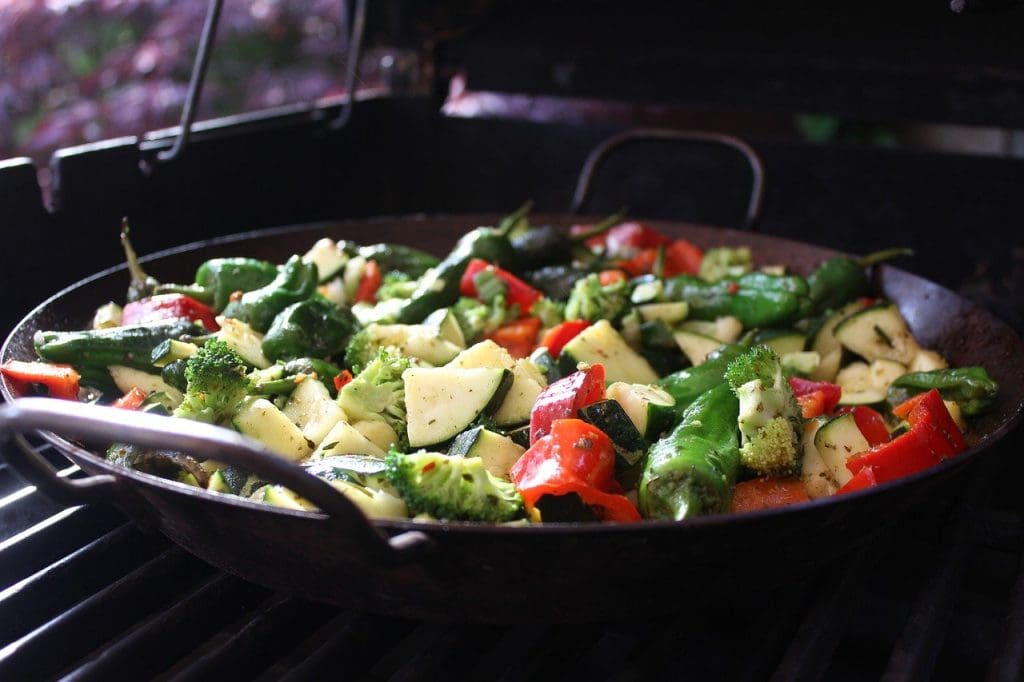
Adding a variety of vibrant vegetables to your dishes not only enhances their appearance but also increases their nutritional value. Opt for colorful vegetables like bell peppers, carrots, broccoli, or spinach. The vibrant colors can make your dishes more visually appealing and enticing to eat.
Garnish with Fresh Herbs or Citrus Zest
Garnishing your dishes with fresh herbs or citrus zest can add a pop of freshness and color. Sprinkle some chopped basil, cilantro, or parsley on top of your meals. You can also grate some lemon or lime zest for a burst of citrusy flavor.
Plate Food Thoughtfully
The way you present your meals can make a significant difference in how they are perceived. Take the time to plate your food thoughtfully, considering colors, textures, and arrangement. A well-presented dish can make it more appealing and enjoyable for the whole family.
Use Different Textures and Presentation Styles
Experiment with different textures and presentation styles to make your dishes more visually interesting. Consider adding crunchy toppings, like toasted nuts or seeds, to salads or creamy dishes. You can also use different cooking techniques to create contrasting textures, such as pairing grilled vegetables with a smooth puree.
Encourage Mindful Eating
Eliminate Distractions During Mealtime
To fully enjoy and appreciate your meals, it’s important to eliminate distractions during mealtime. Turn off the television, put away your electronic devices, and focus on the food in front of you. This allows you to be present and mindful of the flavors and textures of the meal.
Eat Slowly and Chew Thoroughly
Eating slowly and chewing thoroughly not only aids in digestion but also allows you to savor each bite. Take the time to appreciate the flavors and textures of the food. This mindful eating practice can help prevent overeating and promote a healthier relationship with food.
Listen to Your Body’s Hunger and Fullness Cues
Tune in to your body’s hunger and fullness cues when eating. Pay attention to how your body feels before, during, and after a meal. Eat when you’re hungry and stop when you’re comfortably full. This helps you honor your body’s needs and prevent overeating.
Engage in Conversation and Enjoy the Meal
Make mealtimes an opportunity for connection and enjoyment. Engage in conversation with your family members, share stories, and create a positive and relaxed atmosphere. Mealtimes are not just about nourishing your body but also nourishing your relationships and overall well-being.
By following these steps and incorporating healthy cooking practices into your routine, you can prepare delicious and nutritious meals for the whole family. Making the effort to plan ahead, choose nutrient-rich ingredients, balance your meals, and be mindful of portion sizes will result in healthier and happier mealtimes. So gather your family, get into the kitchen, and start creating memorable moments around the dinner table.