
Welcome to an article that will provide you with practical tips on reducing stress and enhancing your mental well-being. In today’s fast-paced world, it’s essential to prioritize your mental health and find ways to manage stress effectively. By incorporating healthy habits and coping strategies into your daily routine, you can cultivate a more peaceful and resilient mind. Stay tuned as we explore different techniques that can help you achieve a balanced and harmonious state of well-being.
How To Reduce Stress And Improve Your Mental Well-being
Feeling stressed out and overwhelmed? You’re not alone. In today’s fast-paced world, it’s easy to get caught up in the chaos and forget to take care of yourself. But by implementing some simple techniques and making small lifestyle changes, you can reduce your stress levels and improve your overall mental well-being. Let’s explore some strategies to help you feel better and live a more balanced life.
Understanding Stress and Its Impact on Mental Health
Stress is a natural response to challenges and demands in our environment, but when it becomes chronic or overwhelming, it can have a detrimental impact on our mental health. Chronic stress can lead to anxiety, depression, and other mental health issues if left unchecked. By understanding the ways in which stress affects our minds and bodies, we can take proactive steps to reduce its impact and improve our overall well-being.
Did you know that stress can manifest physically as well as mentally? Understanding the ways in which stress affects your body can help you better recognize and address its impact on your mental health.
Identifying Your Stress Triggers
One of the first steps in reducing stress is to identify the things that trigger your feelings of anxiety and overwhelm. These triggers can be different for everyone, so it’s important to take some time to reflect on what specifically causes you stress. Whether it’s certain situations, people, or environments, pinpointing your stress triggers can help you better manage your reactions and develop coping strategies.
Take some time to reflect on your daily life and identify any patterns or situations that consistently lead to feelings of stress. By recognizing your stress triggers, you can take proactive steps to avoid or mitigate their impact on your mental well-being.

Developing Coping Strategies
Once you’ve identified your stress triggers, the next step is to develop coping strategies to help you better manage your feelings of anxiety and overwhelm. Coping strategies can vary from person to person, so it’s important to experiment and find what works best for you. Whether it’s deep breathing exercises, mindfulness meditation, or physical activity, finding healthy ways to cope with stress can make a significant difference in your mental well-being.
Experiment with different coping strategies and take note of what helps you feel calmer and more centered. By developing a toolkit of coping mechanisms, you’ll be better equipped to manage stress when it arises.
Practicing Mindfulness and Meditation
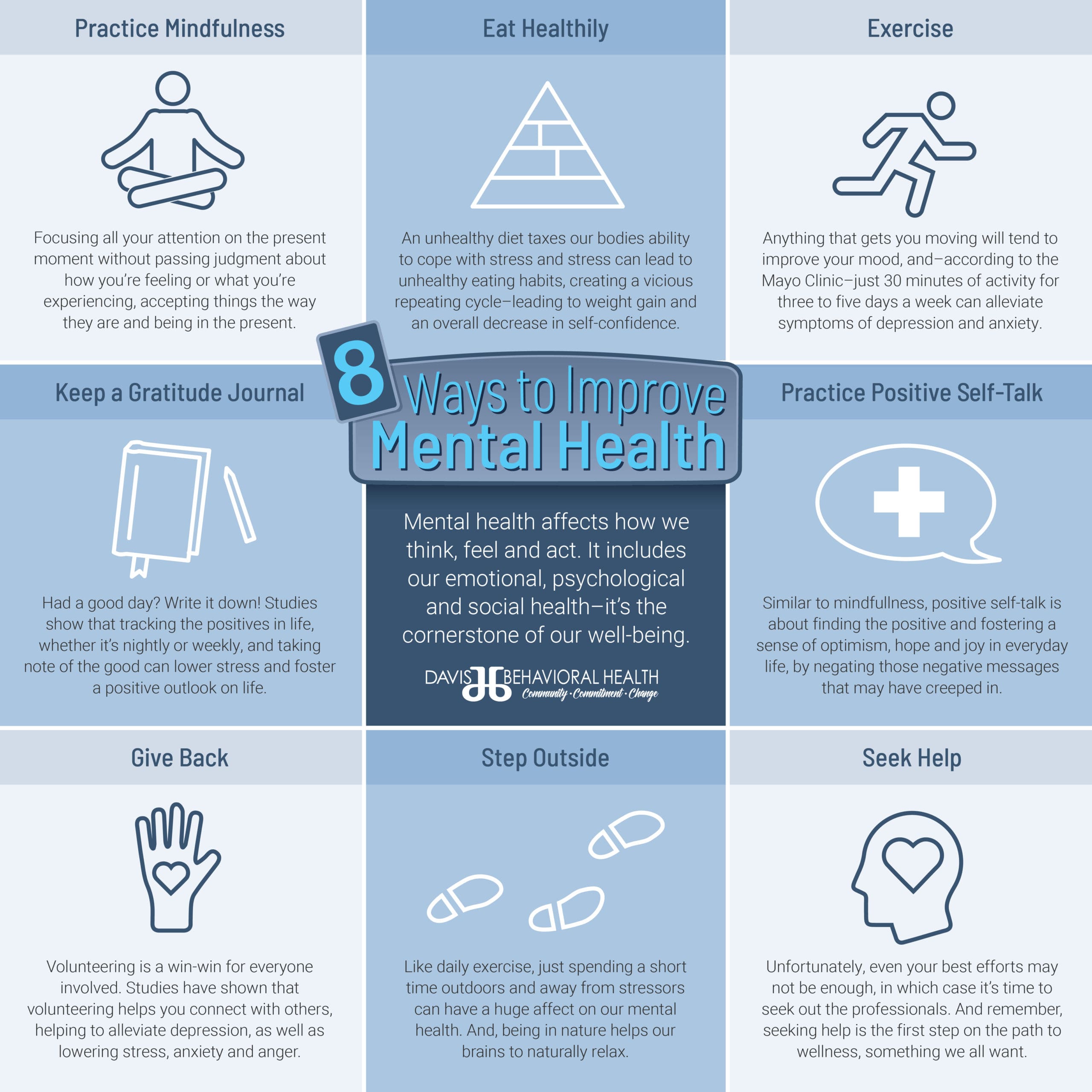
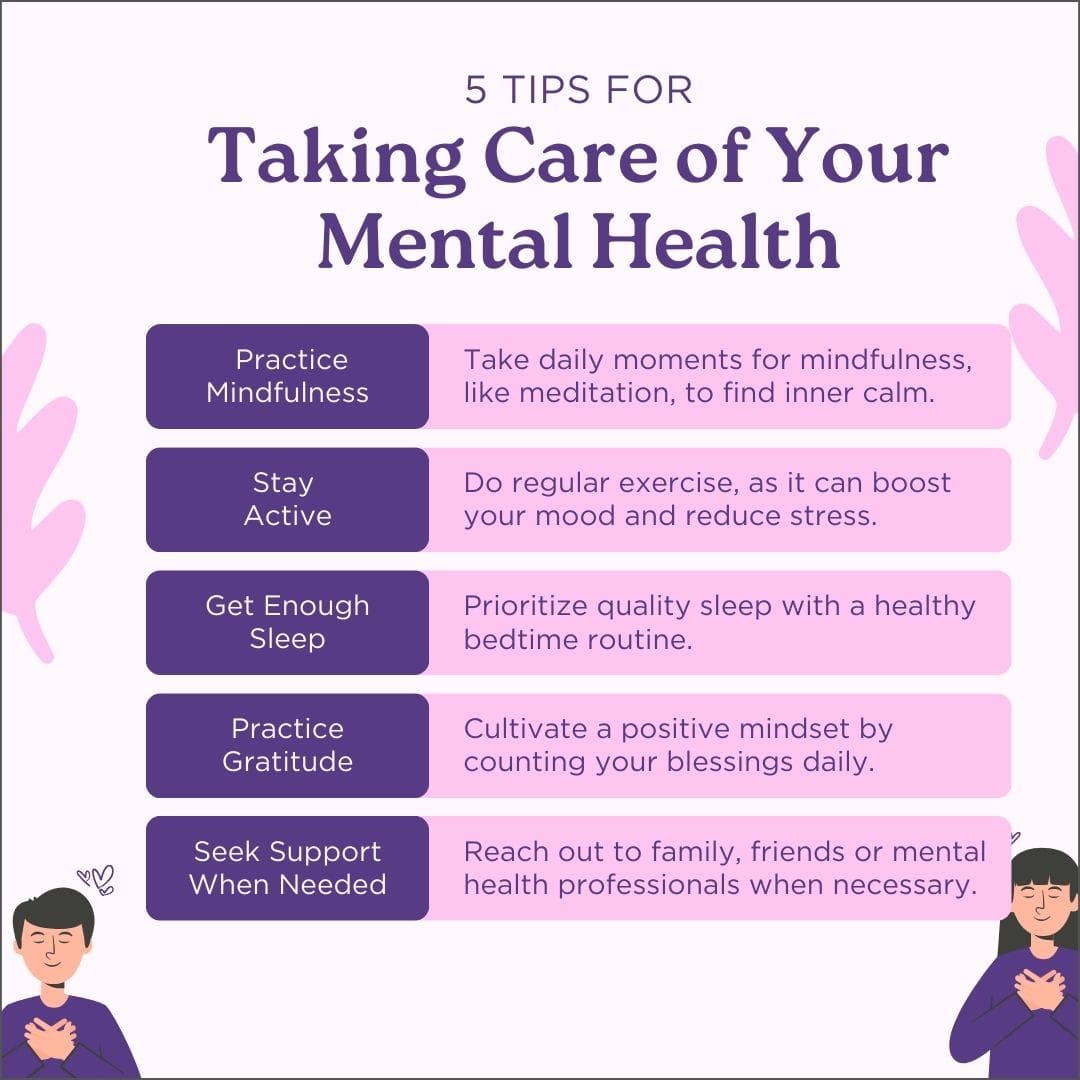
Mindfulness and meditation are powerful tools for reducing stress and improving mental well-being. These practices involve focusing on the present moment and cultivating a sense of awareness and acceptance. By incorporating mindfulness and meditation into your daily routine, you can learn to calm your mind, reduce anxiety, and enhance your overall sense of well-being.
Start by setting aside a few minutes each day for mindfulness or meditation practice. Whether it’s sitting quietly and focusing on your breath or going for a mindful walk in nature, find a practice that resonates with you and make it a consistent part of your routine.
Establishing Healthy Habits
In addition to coping strategies and mindfulness practices, establishing healthy habits can play a significant role in reducing stress and improving mental well-being. This includes getting an adequate amount of sleep, eating a balanced diet, staying hydrated, and engaging in regular physical activity. By taking care of your body, you can better support your mind and reduce the impact of stress on your overall well-being.
Make small changes to your daily routine to incorporate healthy habits. Whether it’s going to bed at a consistent time each night, meal prepping nutritious meals, or taking a daily walk, prioritize habits that support your mental and physical health.
Seeking Support from Others
It’s important to remember that you don’t have to navigate stress and mental health challenges alone. Seeking support from friends, family, or a mental health professional can provide you with the guidance and encouragement you need to improve your mental well-being. Whether it’s talking to a trusted friend about your feelings or seeking therapy from a licensed counselor, reaching out for support is a courageous and valuable step towards better mental health.
Don’t be afraid to ask for help when you need it. Whether it’s reaching out to a loved one or scheduling an appointment with a therapist, seeking support from others can help you feel less alone and more empowered to tackle your mental health challenges.

Taking Breaks and Practicing Self-care
In today’s busy world, it’s easy to get caught up in the hustle and bustle of daily life and forget to take care of yourself. But taking breaks and practicing self-care are essential for reducing stress and improving mental well-being. Whether it’s scheduling regular downtime, engaging in activities you enjoy, or prioritizing relaxation, taking time for yourself is crucial for maintaining a healthy balance and feeling your best.
Make self-care a priority in your daily routine. Whether it’s enjoying a hot bath, reading a good book, or going for a walk in nature, find activities that help you relax and recharge. By taking care of yourself, you can better manage stress and improve your mental well-being.
Setting Boundaries and Saying No
Learning to set boundaries and say no is an important part of reducing stress and maintaining your mental health. Establishing clear boundaries with others and learning to prioritize your own needs and well-being can help you avoid feelings of overwhelm and burnout. By respectfully declining requests or commitments that don’t align with your values or priorities, you can create more time and space for activities that bring you joy and fulfillment.
Practice setting boundaries in your personal and professional relationships. Whether it’s saying no to extra work assignments, setting limits on your availability, or declining social invitations when you need time for yourself, honoring your boundaries is a powerful way to reduce stress and protect your mental well-being.

Finding Joy and Practicing Gratitude
In the midst of stress and chaos, finding moments of joy and practicing gratitude can help shift your perspective and cultivate a more positive mindset. By focusing on the things that bring you happiness and expressing gratitude for the blessings in your life, you can increase feelings of contentment and well-being. Whether it’s keeping a gratitude journal, savoring small moments of joy, or engaging in activities that bring you pleasure, finding ways to cultivate positivity can have a profound impact on your mental health.
Take time each day to acknowledge the things you’re grateful for and find moments of joy in your daily life. By shifting your focus to the positive aspects of your experiences, you can enhance your mental well-being and reduce feelings of stress and negativity.
Prioritizing Authentic Connections
Building and nurturing authentic connections with others is essential for reducing stress and improving mental well-being. Human connection and social support are powerful tools for coping with challenges and enhancing our overall sense of belonging and happiness. By prioritizing relationships that are meaningful, supportive, and fulfilling, you can create a network of support that sustains you through difficult times and uplifts you in moments of joy.
Make time for meaningful interactions with friends, family, and loved ones. Whether it’s scheduling regular phone calls, meeting for coffee, or participating in group activities, prioritize authentic connections that nourish your soul and strengthen your mental health.
Celebrating Progress and Practicing Self-Compassion
As you work towards reducing stress and improving your mental well-being, it’s important to celebrate your progress and practice self-compassion along the way. Change takes time, and it’s normal to experience setbacks and challenges as you strive to enhance your well-being. By acknowledging your efforts and showing kindness and understanding towards yourself, you can cultivate a sense of resilience and self-acceptance that sustains you through difficult times.
Celebrate your achievements, no matter how small, and remind yourself of the progress you’ve made. By recognizing your growth and practicing self-compassion, you can cultivate a sense of inner strength and confidence that empowers you to continue on your journey towards improved mental well-being.
In conclusion, reducing stress and improving mental well-being is an ongoing process that requires self-awareness, intention, and commitment. By implementing the strategies outlined in this article and prioritizing your mental health, you can cultivate a sense of balance, resilience, and peace that enhances every aspect of your life. Remember, you deserve to feel happy, healthy, and well, so don’t hesitate to take the steps necessary to care for your mind, body, and spirit. You’re worth it.