You’re ready to embark on your journey to a healthier lifestyle, and starting a healthy nutrition plan is the first step you need to take. In this article, we’ll guide you through the process of getting started on the right foot. From understanding the importance of a balanced diet to practical tips for meal planning, we’ll provide you with the knowledge and motivation you need to kickstart a healthy nutrition plan that works for you. Say goodbye to fad diets and hello to sustainable, nourishing choices that will support your overall well-being. It’s time to prioritize your health and make positive changes that will last.

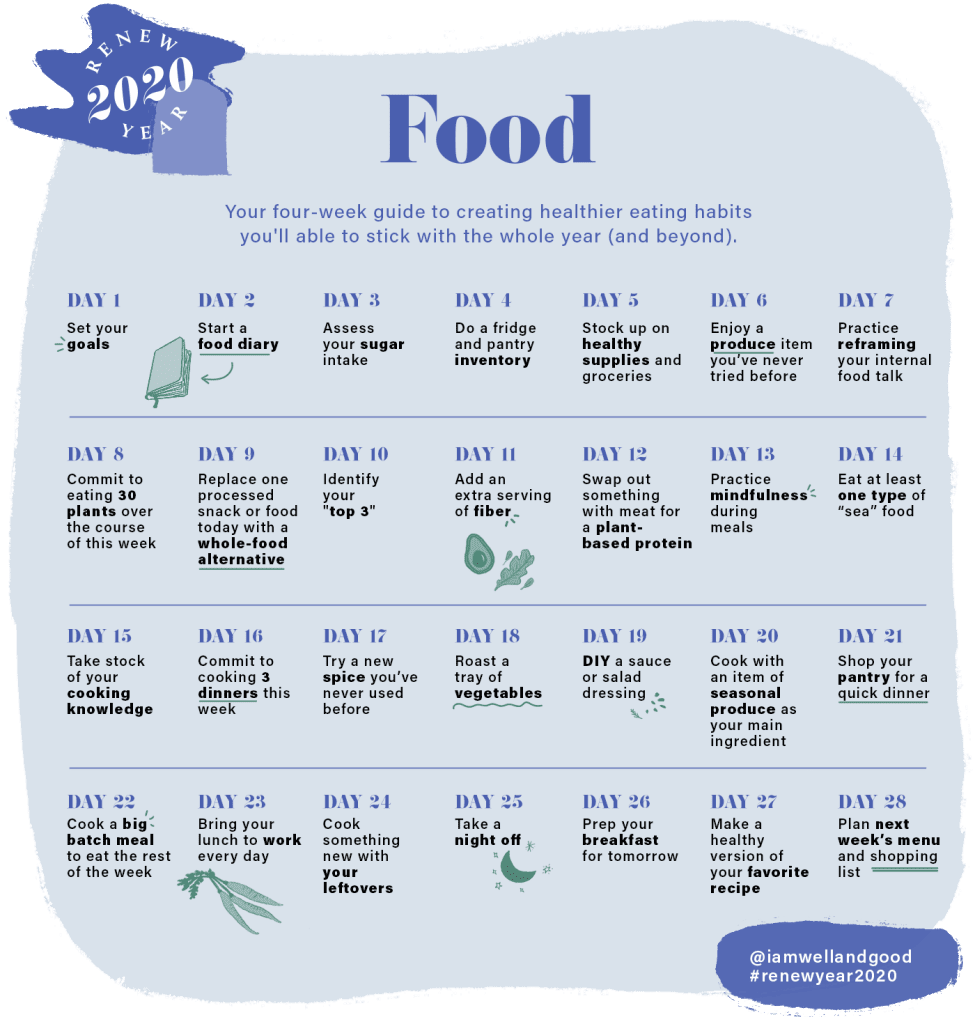
Setting Goals
Identify your health goals
When beginning a healthy nutrition plan, it’s essential to first identify your specific health goals. Take some time to reflect on what you want to achieve in terms of your overall health and well-being. Are you looking to lose weight, gain muscle, improve your energy levels, or simply make healthier choices? By identifying your goals, you can tailor your nutrition plan accordingly and stay motivated throughout the process.
Establish realistic and achievable targets
Once you have identified your health goals, it is crucial to set realistic and achievable targets. It’s important to remember that healthy weight loss or any other health improvement is a gradual process, and expecting immediate results can be discouraging. Break your overall goals into smaller, manageable objectives. For example, if your goal is to lose 20 pounds, aim to lose 1-2 pounds per week by creating a calorie deficit through a balanced diet and regular exercise. Setting achievable targets will keep you motivated and allow you to monitor your progress effectively.
Understanding Nutritional Needs
Assess current eating habits
To start a healthy nutrition plan, it’s crucial to assess your current eating habits. Take note of what and how much you are eating on a typical day. This assessment will help you identify areas where improvements can be made. Consider the balance of different food groups, the frequency of processed foods, and your overall calorie intake. This self-awareness will provide valuable insights into the adjustments you need to make in your diet.
Determine calorie and nutrient requirements
Once you have assessed your current eating habits, it’s important to determine your calorie and nutrient requirements. The number of calories you need depends on various factors such as age, gender, weight, height, and activity level. Consult with a healthcare professional or a registered dietitian to get an accurate estimate of your daily caloric needs. Additionally, understand the importance of macronutrients (carbohydrates, proteins, and fats) and micronutrients (vitamins and minerals) in your diet to ensure you are meeting your body’s nutritional needs.
Building a Balanced Plate
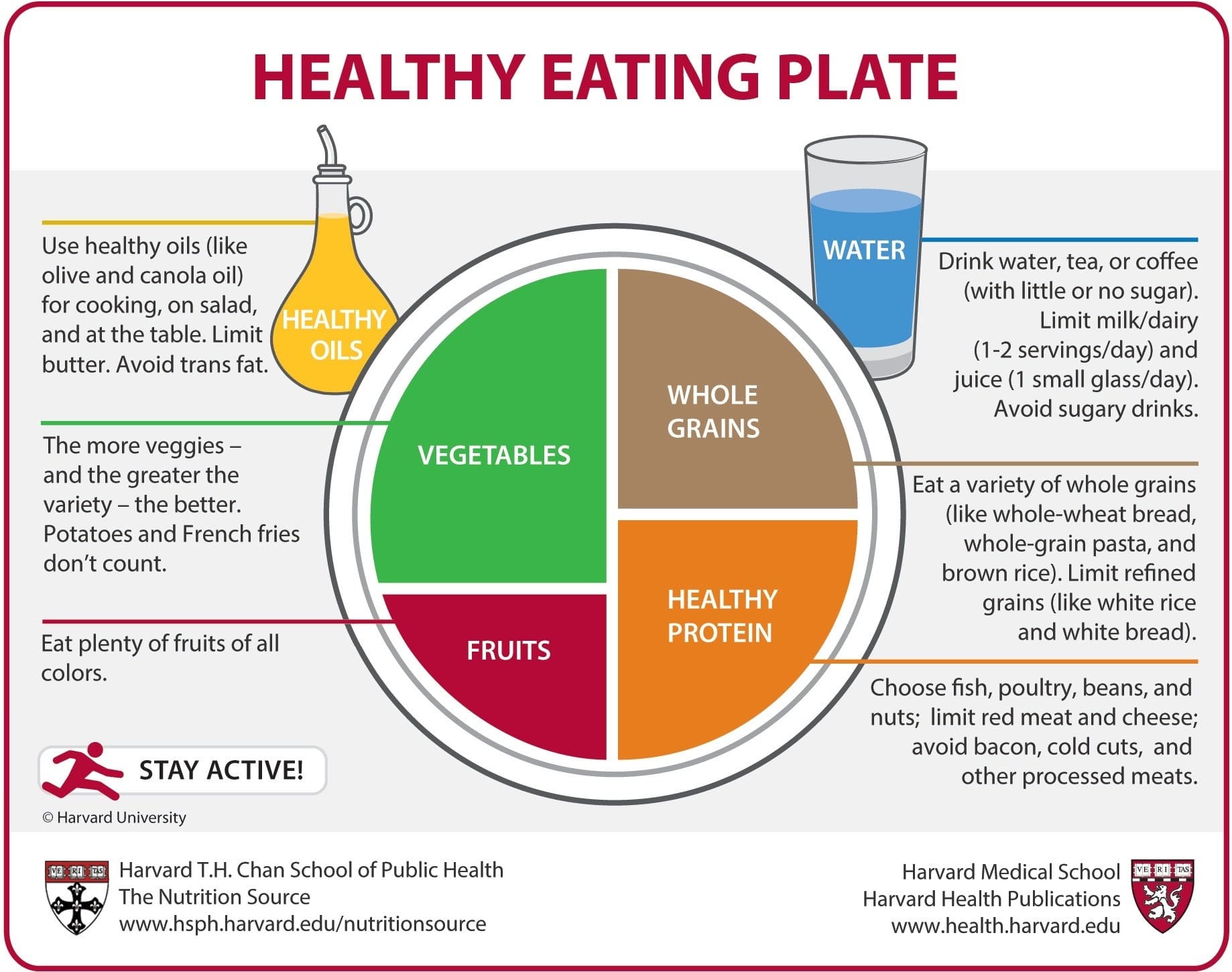
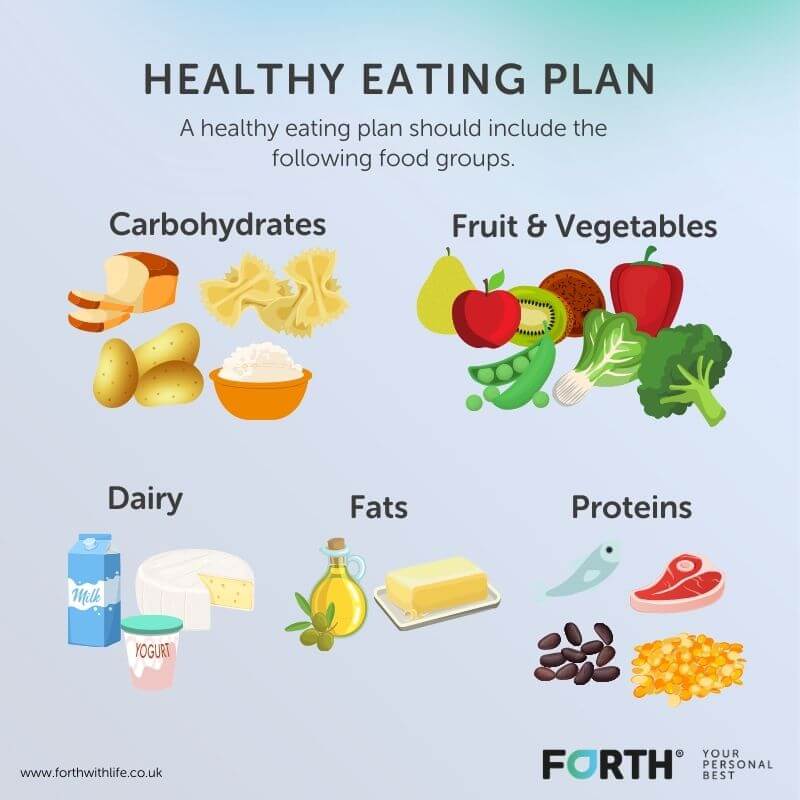
Include a variety of food groups
When creating a balanced plate, it’s important to include a variety of food groups. Each food group provides essential nutrients that contribute to overall health. Plan your meals around the five main food groups: fruits, vegetables, grains, protein, and dairy (or suitable alternatives if you have specific dietary restrictions). Aim to include a variety of colors, textures, and flavors in your meals to ensure you are getting a wide range of vitamins, minerals, and antioxidants.
Prioritize whole and unprocessed foods
While it is alright to enjoy processed foods occasionally, it’s important to prioritize whole and unprocessed foods in your daily diet. Whole foods such as fruits, vegetables, whole grains, lean proteins, and nuts provide more nutrients and are typically lower in added sugars, unhealthy fats, and artificial additives. Try to cook your meals from scratch as often as possible, using fresh, unprocessed ingredients. By prioritizing whole foods, you can fuel your body with the nutrients it needs to thrive.
Portion Control
Learn appropriate serving sizes
Portion control plays a significant role in maintaining a healthy nutrition plan. It’s essential to learn appropriate serving sizes to prevent overeating or undereating. Familiarize yourself with standard portion sizes for different foods, as these can often be smaller than what you may be used to. Use measuring cups, scales, or visual cues to accurately gauge your portions until you develop a better sense of portion sizes.
Use portion control tools
To make portion control easier, consider using portion control tools such as smaller plates, bowls, or containers. These visual aids can help trick your mind into thinking you are eating a larger portion while consuming an appropriate amount of food. Additionally, using smaller utensils or eating slowly can also contribute to better portion control. Experiment with different tools and techniques to find what works best for you.
Meal Planning
Plan meals in advance
One of the keys to a successful healthy nutrition plan is meal planning. Take some time each week to plan your meals in advance. This allows you to make conscious choices about the ingredients you use and ensures that you have nutritious meals readily available. Consider your schedule, lifestyle, and dietary preferences when planning meals. Having a clear meal plan can also help you resist the temptation of unhealthy food choices when you’re pressed for time or feeling hungry.
Make a grocery list
Once you have planned your meals, make a grocery list before heading to the store. A well-thought-out grocery list helps you stay on track and avoid impulse buying. Include all the ingredients you will need for your planned meals, as well as healthy snacks and staples. By sticking to your list, you can ensure that your pantry and refrigerator are stocked with nutritious options, making it easier to make healthy choices throughout the week.
Healthy Snacking
Choose nutrient-dense snacks
Snacking can be a part of a healthy nutrition plan, as long as you choose nutrient-dense options. Instead of reaching for processed snacks high in unhealthy fats and added sugars, opt for snacks that are rich in nutrients. Fresh fruits and vegetables, nuts and seeds, yogurt, whole grain crackers, and homemade energy bars are all great choices. These snacks provide vitamins, minerals, fiber, and healthy fats that can keep you satisfied between meals.
Avoid unhealthy temptations
To set yourself up for success, it’s important to avoid unhealthy temptations as much as possible. Create an environment that supports your healthy nutrition plan by keeping your kitchen stocked with healthy food choices and avoiding bringing home food items that may derail your progress. If you do find yourself in a situation where unhealthy snacks are readily available, practice mindful eating and make conscious choices to limit your consumption or opt for healthier alternatives.

Reading Food Labels
Understand ingredient lists
Reading food labels is an important skill when starting a healthy nutrition plan. By understanding ingredient lists, you can make informed choices about the foods you consume. Familiarize yourself with common ingredients, and be aware of any additives, preservatives, or artificial flavors that may be present. Look for foods with a shorter list of ingredients, as this often indicates a more natural and less processed option.
Check for added sugars and artificial additives
When reading food labels, pay particular attention to added sugars and artificial additives. Added sugars can hide under various names, so be sure to look for terms such as sucrose, high-fructose corn syrup, or dextrose. Artificial additives, such as artificial colors, flavors, and sweeteners, may also be listed. Limiting your intake of added sugars and artificial additives can have a positive impact on your overall health.
Hydration
Drink adequate amounts of water
Staying hydrated is an often overlooked aspect of a healthy nutrition plan. Water is essential for many bodily functions, including digestion, nutrient absorption, and temperature regulation. Aim to drink adequate amounts of water throughout the day to maintain hydration. The general recommendation is to drink at least eight glasses (64 ounces) per day, but individual needs may vary based on factors such as activity level and climate.
Limit sugary beverages
While it’s important to drink enough water, it’s equally important to limit your consumption of sugary beverages. Soda, fruit juices, sports drinks, and energy drinks are often high in added sugars, which can contribute to weight gain and other health issues. Opt for water, unsweetened tea, or infused water as your primary beverage choices. If you do choose to indulge in a sugary beverage occasionally, do so in moderation.
Eating Mindfully
Pay attention to hunger and fullness cues
Eating mindfully means being present and paying attention to your body’s hunger and fullness cues. Before eating, take a moment to assess your hunger levels. Eat when you are physically hungry, and stop eating when you are comfortably full. Avoid distractions such as television, computers, or smartphones while eating, as they can lead to mindless overeating. By tuning in to your body’s signals, you can establish a healthier relationship with food and prevent overeating.
Eat slowly and savor each bite
In addition to paying attention to hunger and fullness cues, it’s important to eat slowly and savor each bite. Take the time to chew your food thoroughly and appreciate the flavors and textures. Eating slowly allows your brain to register the signals of fullness, preventing you from overeating. Make mealtime a relaxing and enjoyable experience by practicing mindful eating habits.
Seeking Professional Advice
Consult a registered dietitian
If you’re unsure about how to start a healthy nutrition plan or have specific dietary needs, consider consulting a registered dietitian. A registered dietitian can provide personalized guidance based on your specific goals, health concerns, and dietary restrictions. They can help you create a customized nutrition plan that suits your lifestyle and ensures you are meeting your nutritional needs.
Consider individual dietary needs and restrictions
When embarking on a healthy nutrition plan, it’s important to consider your individual dietary needs and restrictions. If you have any medical conditions, allergies, or intolerances, it’s crucial to tailor your nutrition plan accordingly. For example, if you have celiac disease, you will need to avoid gluten-containing foods. By considering your individual needs and restrictions, you can create a nutrition plan that supports your overall health and well-being.
Starting a healthy nutrition plan may seem overwhelming at first, but by setting clear goals, understanding your nutritional needs, building balanced plates, practicing portion control, meal planning, snacking wisely, reading food labels, staying hydrated, eating mindfully, and seeking professional advice when needed, you can lay a strong foundation for lifelong healthy eating habits. Remember, every small step towards a healthier you is a step worth celebrating. You’ve got this!