

Maintaining proper hydration is essential for your overall health and wellness. In order to ensure that your body functions optimally, it is crucial to drink enough water throughout the day. By staying hydrated, you can support a strong immune system, improve digestion, enhance mental clarity, and promote healthy skin. This article will provide you with practical tips and strategies on how to stay hydrated, enabling you to feel your best and thrive in all aspects of life.

1. Importance of Hydration for Health
Staying hydrated is essential for maintaining good health and overall wellness. Water is a fundamental building block of life, and it plays a crucial role in various bodily functions. From regulating body temperature and lubricating joints to aiding digestion and supporting cell health, adequate hydration is vital for the proper functioning of our bodies.
1.1 Benefits of Staying Hydrated
There are numerous benefits to staying hydrated. Firstly, water helps to regulate body temperature by aiding in the process of sweating, which cools the body down. It also helps to transport nutrients and oxygen to cells and remove waste products, ensuring optimal organ function. Additionally, staying hydrated can help improve cognitive function, as the brain needs an adequate supply of water to work properly.
Furthermore, maintaining proper hydration levels can help boost energy levels, as dehydration often leads to fatigue and decreased physical and mental performance. Water also plays a role in maintaining healthy skin, as it helps to keep it moisturized and flushes out toxins that can cause skin issues.
1.2 Risks of Dehydration
On the other hand, not drinking enough water and becoming dehydrated can have detrimental effects on your health. Even mild dehydration can cause symptoms such as thirst, dry mouth, and headaches. It can also lead to reduced physical and cognitive performance, making it harder to concentrate and perform daily activities.
Severe dehydration is a serious medical condition that requires immediate attention. It can cause symptoms like dizziness, rapid heartbeat, confusion, and even unconsciousness. In extreme cases, untreated severe dehydration can be life-threatening.
2. Understanding Your Body’s Hydration Needs
To ensure you stay properly hydrated, it is important to understand your body’s hydration needs. The amount of water you need to consume daily can vary depending on several factors.
2.1 Daily Water Intake Recommendations
The general guideline for daily water intake is to drink at least 8 cups (64 ounces) of water per day. However, individual requirements may differ based on factors such as age, sex, weight, and activity level. For example, pregnant or breastfeeding women may need to consume more water, as well as individuals who engage in intense physical exercise or live in hot climates.
A more accurate way to determine your optimal water intake is by dividing your body weight in pounds by two, which will give you the number of ounces you should aim to drink daily. For example, if you weigh 150 pounds, you should drink 75 ounces of water per day.
2.2 Factors Affecting Hydration Needs
Several factors can affect your hydration needs. Climate plays a significant role, as hotter temperatures and higher humidity levels can increase your risk of dehydration. Physical activity also increases fluid loss through sweating, so it’s important to drink more water during and after exercise.
Additionally, certain medical conditions such as diabetes or kidney disease may require individuals to adjust their fluid intake. It’s important to consult with your healthcare professional if you have any underlying health conditions that may affect your hydration needs.

3. Signs and Symptoms of Dehydration
Recognizing the signs and symptoms of dehydration is crucial for maintaining your health and wellness. It’s important to catch dehydration early and take action to rehydrate before it becomes severe.
3.1 Recognizing Mild Dehydration
Mild dehydration can manifest in various ways. Common symptoms include increased thirst, dry mouth, dark yellow urine, fatigue, and headaches. You may also experience muscle cramps, lightheadedness, or a decrease in urine output. If you notice any of these signs, it’s important to drink water and replenish your fluids promptly.
3.2 Identifying Severe Dehydration
Severe dehydration requires immediate medical attention. Signs of severe dehydration include extreme thirst, very dry mouth and skin, dizziness or lightheadedness, confusion, and a rapid or weak pulse. In severe cases, individuals may experience low blood pressure, rapid breathing, or even unconsciousness. If you or someone you know shows these symptoms, seek medical help immediately.
4. Hydration Tips for Daily Life
Ensuring you stay adequately hydrated throughout the day can be easily achieved through simple habits and routine adjustments.
4.1 Drinking Enough Water
The most straightforward way to stay hydrated is to drink enough water. Keep a reusable water bottle with you wherever you go and make it a habit to sip water regularly. Aim to drink at least 8 cups (64 ounces) of water per day, but adjust according to your specific needs and activity levels.
4.2 Consistency Throughout the Day
Instead of chugging large amounts of water at once, it’s better to spread out your water intake evenly throughout the day. This helps your body to absorb the water more efficiently and maintains hydration levels consistently.
4.3 Hydration During Physical Activity
When engaging in physical activity, it’s important to increase your fluid intake to compensate for the extra water lost through sweating. Drink water before, during, and after exercise to stay properly hydrated. If you’re exercising for longer durations or in hot conditions, consider incorporating electrolyte-rich beverages to replenish minerals lost through sweating.
5. Hydration and Diet
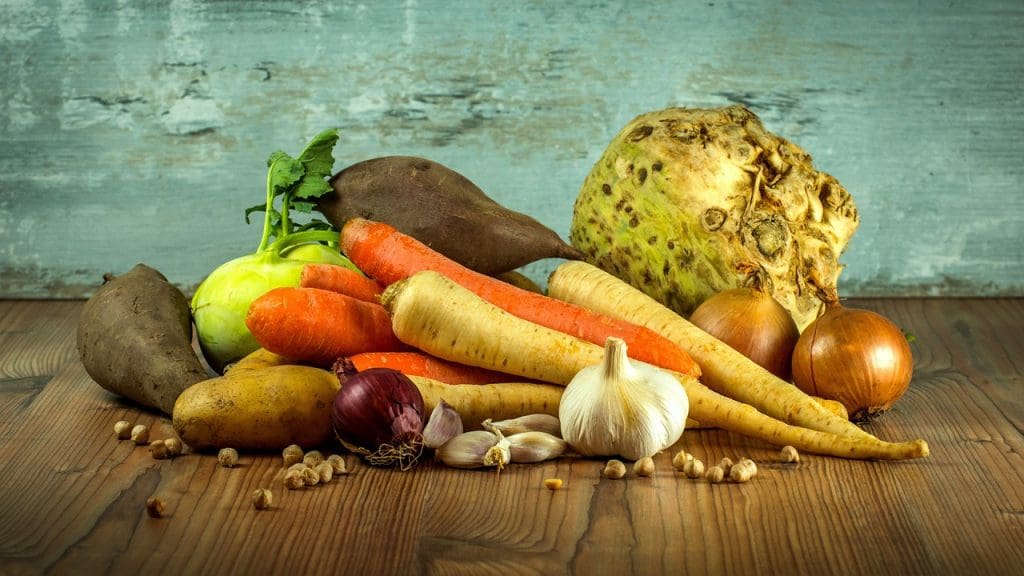
While water is the best and most natural source of hydration, it’s worth noting that you can also increase your fluid intake through certain foods and beverages.
5.1 Foods High in Water Content
Incorporating fruits and vegetables with high water content into your diet can contribute to your overall hydration. Watermelon, cucumber, oranges, strawberries, and lettuce are just a few examples of hydrating foods that can help supplement your water intake.
5.2 Incorporating Hydrating Beverages
Aside from water, other beverage options can contribute to your hydration goals. Herbal teas, infused waters, and coconut water are refreshing and hydrating alternatives. However, it’s important to be mindful of added sugars and calories in certain beverages, so opt for unsweetened options whenever possible.
6. Best Practices for Hydration
To ensure you stay consistently hydrated and promote a healthy lifestyle, there are several best practices you can adopt.
6.1 Monitoring Urine Color
An easy way to gauge your hydration levels is by monitoring the color of your urine. Pale yellow or straw-colored urine is a good indicator of proper hydration. Dark yellow or amber urine may suggest dehydration, and you should increase your fluid intake accordingly.
6.2 Using Hydration Apps or Tools
In the digital age, there are various hydration apps and tools available that can help track your water intake and remind you to drink regularly. These apps often have customizable features and can be a helpful tool to keep you accountable.
6.3 Setting Reminders
Incorporating hydration into your daily routine can be reinforced by setting reminders. Whether it’s using your smartphone alarm or scheduling water breaks throughout the day, establishing a routine can help ensure you stay on track with your hydration goals.
7. Potential Hydration Challenges
Certain situations and environments can pose challenges to maintaining proper hydration levels. It’s important to be aware of these circumstances and take necessary precautions.
7.1 Maintaining Hydration During Travel
When traveling, especially by air, it’s common for individuals to become dehydrated due to the dry cabin air and limited access to water. It’s essential to drink water regularly and avoid excessive consumption of caffeinated or alcoholic beverages that can further contribute to dehydration. Carrying a reusable water bottle and filling it up whenever possible can help you stay hydrated on the go.
7.2 Coping with Heat and Humidity
Hot and humid climates can increase your risk of dehydration. In these conditions, it’s important to drink water frequently and try to stay in shaded or air-conditioned areas when possible. Wearing lightweight and breathable clothing can also help regulate body temperature and reduce the risk of excessive sweating.
8. Hydration for Special Populations
Different population groups may have specific hydration needs that should be taken into consideration.
8.1 Hydration for Children and Infants
Children and infants have unique hydration requirements, as they are more susceptible to becoming dehydrated due to their smaller body size. It’s important to provide them with an adequate supply of fluids, including breast milk, formula, and water as appropriate for their age. Consult with a pediatrician for specific guidance on hydration for infants and children.
8.2 Hydration for Older Adults
As individuals age, their sense of thirst may diminish, making it more challenging to stay properly hydrated. Older adults should make a conscious effort to drink enough water throughout the day and be aware of signs of dehydration. It’s also important to consider medications that may affect fluid balance and consult with a healthcare professional regarding any specific hydration concerns.
9. Tips for Avoiding Dehydration
In addition to maintaining regular hydration practices, there are specific steps you can take to avoid dehydration.
9.1 Limiting Caffeine and Alcohol Intake
Caffeinated and alcoholic beverages can contribute to dehydration due to their diuretic effects. While moderate consumption may not significantly impact hydration levels, it’s important to balance these beverages with an adequate intake of water and other hydrating fluids.
9.2 Avoiding Excessive Sweating
Engaging in activities that result in excessive sweating, such as hot yoga or saunas, can increase your risk of dehydration. While these activities have their own health benefits, it’s crucial to rehydrate adequately afterward to replenish lost fluids.
10. Seeking Medical Advice on Hydration
If you have concerns about your hydration levels or experience persistent symptoms related to dehydration, it’s important to seek medical advice.
10.1 Consulting a Healthcare Professional
A healthcare professional can provide individualized guidance and recommendations based on your specific health needs. They can assess your hydration status, address any underlying conditions that may affect hydration, and offer tailored advice to help you stay properly hydrated.
10.2 Recognizing Signs of Chronic Dehydration
Chronic dehydration refers to a long-term state of inadequate hydration. If you experience symptoms such as dry skin, constipation, recurring headaches, or reduced kidney function, it’s essential to consult a healthcare professional for proper evaluation and treatment.
In conclusion, staying hydrated is fundamental for maintaining good health and overall wellness. Understanding your body’s hydration needs, recognizing the signs and symptoms of dehydration, and adopting proper hydration practices are all essential steps in ensuring adequate hydration. By making hydration a priority in your daily life and being mindful of potential challenges, you can proactively support your health and well-being. Remember to consult with a healthcare professional for personalized advice and guidance on maintaining optimal hydration levels.