
Are you looking for natural ways to balance your hormones and improve your overall well-being? Look no further! In this article, you will discover effective strategies to support hormonal health through simple changes in your diet and lifestyle. By nourishing your body with the right nutrients and adopting healthy habits, you can optimize your hormonal balance and experience increased energy, improved mood, and overall vitality. So, let’s dive in and explore the essential steps you can take to support your hormonal health naturally.
Balanced Diet
Maintaining a balanced diet is crucial for supporting hormonal health. Including a variety of whole foods in your meals ensures that you get a wide range of nutrients that your body needs to function optimally. Whole foods, such as fruits, vegetables, lean proteins, and whole grains, are rich in vitamins, minerals, and antioxidants that can help regulate hormone production and balance. By incorporating these foods into your diet, you provide your body with the building blocks it needs to maintain hormonal balance.
It’s also important to make sure you’re consuming adequate protein. Protein is essential for hormone synthesis and plays a vital role in maintaining hormonal health. Include sources of lean protein in your meals, such as chicken, fish, tofu, legumes, and eggs. These sources of protein not only provide essential amino acids but also help regulate blood sugar levels and promote satiety, which can prevent overeating and support a healthy weight.
Choosing healthy fats is another key aspect of a balanced diet for hormonal health. Healthy fats, such as those found in avocados, nuts, seeds, and olive oil, are essential for hormone production and regulation. These fats help your body absorb fat-soluble vitamins and maintain healthy cell membranes. Incorporating these fats into your meals can help support the production of essential hormones and promote overall hormonal balance.
Lastly, don’t forget to eat plenty of fruits and vegetables. These nutrient-rich foods are packed with antioxidants that can protect against oxidative stress and inflammation, both of which can negatively impact hormone levels. Fruits and vegetables also provide dietary fiber, which aids in digestion and helps regulate blood sugar levels. Aim to include a variety of colorful fruits and vegetables in your meals to ensure you’re getting a wide range of nutrients.
Manage Stress
Stress can have a significant impact on hormonal health, so it’s essential to find effective ways to manage stress in your life. One of the most effective ways to reduce stress is to practice relaxation techniques. Techniques such as deep breathing, progressive muscle relaxation, and mindfulness meditation can help activate the body’s relaxation response, leading to a reduction in stress hormones. Incorporating these techniques into your daily routine can help promote hormonal balance and overall well-being.
Engaging in regular physical activity is another great way to manage stress and support hormonal health. Exercise helps release endorphins, which are known as “feel-good” hormones. These endorphins help reduce stress and improve mood. Additionally, regular exercise can help regulate cortisol levels, a hormone that is often elevated during times of stress. Aim for at least 150 minutes of moderate-intensity exercise per week and include a combination of cardiovascular and strength training exercises for optimal hormonal health.
Getting enough sleep is crucial for hormonal health. Lack of sleep can disrupt hormonal balance, leading to increased levels of stress hormones and decreased levels of hormones that regulate appetite and metabolism. Aim for seven to eight hours of quality sleep each night to ensure your body has enough time to rest, repair, and regulate hormonal processes. Establishing a consistent sleep routine and creating a relaxing sleep environment can help promote restful sleep and support hormonal health.
Consider incorporating mindfulness or meditation into your daily routine to manage stress and support hormonal health. Mindfulness involves being fully present and non-judgmental of your thoughts, feelings, and sensations. Regular practice of mindfulness can help reduce stress, improve emotional well-being, and promote hormonal balance. There are many resources available, such as guided meditation apps or online classes, to help you get started with mindfulness or meditation.
Exercise Regularly
Regular exercise is not only beneficial for physical health but also plays a vital role in supporting hormonal health. Aim for at least 150 minutes of moderate-intensity exercise per week to reap the hormonal benefits of exercise. Engaging in cardiovascular exercises, such as brisk walking, swimming, or cycling, helps improve blood circulation, boost metabolism, and regulate hormone production.
In addition to cardiovascular exercises, it’s important to include strength training exercises in your routine. Strength training exercises, such as weightlifting or bodyweight exercises, help build lean muscle mass. Muscle mass is metabolically active and plays a role in regulating hormones, including insulin and growth hormone. By incorporating strength training exercises into your routine, you can support hormonal balance and improve overall health.
To stay motivated and consistent with exercise, find activities that you genuinely enjoy. Whether it’s dancing, hiking, playing a sport, or attending a fitness class, finding activities that bring you joy can make exercise a fun and sustainable part of your lifestyle. Consider trying different activities and exploring different exercise options until you find what you truly enjoy. By making exercise a pleasurable experience, you’re more likely to stick with it and reap the hormonal benefits.
Maintain a Healthy Weight
Maintaining a healthy weight is essential for hormonal health. However, it’s important to focus on overall health rather than just weight loss. Aiming for a healthy weight range that is realistic for your body type and genetics is key. Avoid falling into the trap of extreme or restrictive diets that may promise rapid weight loss but can do more harm than good to your hormonal health.
Instead, focus on eating mindfully and listening to your body’s hunger and fullness cues. Eat when you’re hungry and stop when you’re satisfied. Pay attention to the quality and quantity of the food you eat, and choose nourishing, whole foods over processed and sugary foods. By nourishing your body with a balanced and varied diet, you can support hormonal balance and maintain a healthy weight.
If you have concerns about your weight or hormonal health, it’s always a good idea to consult a healthcare professional. They can provide personalized advice and guidance based on your specific needs and circumstances. They may recommend dietary changes, lifestyle modifications, or further testing to assess hormonal health and address any underlying issues.
Avoid Exposure to Environmental Toxins
Exposure to environmental toxins can disrupt hormonal balance and negatively impact overall health. While it’s impossible to eliminate all exposure to toxins, there are steps you can take to minimize your exposure and protect your hormonal health.
Choosing organic produce and hormone-free animal products whenever possible can reduce exposure to pesticides, hormones, and antibiotics commonly found in conventionally grown and raised foods. Organic farming practices prioritize using natural fertilizers and pest control methods, reducing the potential for hormone-disrupting chemicals in your diet.
Minimizing the use of plastic containers can also help reduce exposure to toxins. Plastics can leach harmful chemicals into food and beverages, especially when they’re heated or come into contact with acidic substances. Instead, opt for glass or stainless steel containers for storing and reheating food whenever possible.
Filtering your drinking water is another important step in reducing exposure to pollutants. Tap water can contain contaminants such as heavy metals, pesticides, and hormone-disrupting chemicals. Investing in a quality water filter can help remove these pollutants, ensuring that you’re consuming clean, hormone-friendly water.
Reducing exposure to household chemicals and avoiding synthetic fragrances can also support hormonal health. Many conventional cleaning and personal care products contain chemicals that can disrupt hormonal balance. Opt for natural and fragrance-free alternatives, or make your own DIY cleaners using simple ingredients like vinegar, baking soda, and essential oils.
Limit Alcohol and Caffeine Intake
While enjoying an occasional drink or a cup of coffee is generally fine, excessive alcohol and caffeine consumption can disrupt hormonal balance. It’s important to be mindful of your alcohol and caffeine intake and make choices that support hormonal health.
Moderate alcohol consumption is generally defined as up to one drink per day for women and up to two drinks per day for men. Excessive alcohol intake can interfere with hormonal regulation, especially affecting hormones such as estrogen, testosterone, and cortisol. It’s advisable to limit alcohol consumption or eliminate it altogether if you’re experiencing hormonal imbalances or other health issues.
Caffeine, found in coffee, tea, and many energy drinks, can also impact hormonal balance. While moderate caffeine consumption is generally safe for most individuals, excessive intake can disrupt sleep patterns, increase stress hormone levels, and affect hormonal regulation. Be mindful of your caffeine intake and aim to limit it to a moderate amount. It’s also important to consider how caffeine affects you individually, as some people may be more sensitive to its effects than others.
Being aware of the effects of alcohol and caffeine on hormonal balance and making conscious choices about your consumption can help promote hormonal health and overall well-being.
Stay Hydrated
Staying hydrated is crucial for supporting hormonal health. Water is involved in many bodily processes, including hormone production and regulation. It’s important to drink an adequate amount of water throughout the day to ensure your body can function optimally.
As a general guideline, aim to drink at least eight cups (64 ounces) of water per day. However, individual water needs can vary based on factors such as activity level, climate, and overall health. Listen to your body’s thirst cues and adjust your water intake accordingly. Urine color can also be a helpful indicator of hydration level – clear or light yellow urine typically suggests proper hydration, while dark yellow urine may indicate dehydration.
Choosing water as your main beverage is the best way to stay hydrated. While other beverages can contribute to overall fluid intake, many of them, such as sugary drinks and caffeinated beverages, can contain added sugars, artificial sweeteners, and other additives that can negatively impact hormonal balance and overall health. Opt for water as your go-to beverage, and if you prefer some variety, infuse it with fresh fruits or herbs for natural flavor.
Support Gut Health
Maintaining a healthy gut is important for hormonal health. The gut plays a crucial role in hormone metabolism, as well as the elimination of excess hormones from the body. Supporting gut health can help promote optimal hormone production and regulation.
Including probiotic-rich foods in your diet is a great way to support gut health. Probiotics are beneficial bacteria that can improve digestive function and promote a healthy balance of gut microorganisms. Foods such as yogurt, kefir, sauerkraut, kimchi, and other fermented vegetables are excellent sources of probiotics. By consuming these foods regularly, you can help support a healthy digestive system and promote hormonal balance.
In addition to probiotics, consuming a variety of fiber-rich foods is essential for gut health. Dietary fiber acts as a prebiotic, providing fuel for the beneficial bacteria in your gut. Foods such as fruits, vegetables, whole grains, and legumes are rich in fiber and can help regulate bowel movements, support gut health, and aid in the elimination of toxins and excess hormones.
Avoiding excessive consumption of processed and refined foods is also important for gut health. These foods are often low in fiber and high in added sugars, unhealthy fats, and artificial additives. Instead, focus on whole, unprocessed foods that nourish your body and provide essential nutrients. By prioritizing a healthy, fiber-rich diet, you can help support gut health and promote optimal hormonal balance.
If your diet does not provide enough probiotics or fiber, or if you have specific gut health concerns, you may consider taking a probiotic supplement. Probiotic supplements can provide concentrated doses of beneficial bacteria and support gut health. However, it’s always best to consult with a healthcare professional before starting any new supplements.
Get Regular Check-ups
Regular check-ups with your healthcare provider are essential for maintaining optimal hormone health. These check-ups allow your healthcare provider to monitor your overall health and detect any potential hormonal imbalances or other health issues. Prioritizing regular appointments can help catch issues early on and prevent them from progressing into more significant problems.
During your check-ups, make sure to discuss any concerns or symptoms related to hormonal health. Whether you’re experiencing irregular periods, mood changes, weight fluctuations, or other symptoms, sharing this information with your healthcare provider is crucial for accurate diagnosis and appropriate treatment.
Depending on your symptoms and health history, your healthcare provider may recommend hormone level testing or other diagnostic tests to assess hormonal health and identify any underlying issues. These tests can provide valuable insights into your hormonal status and help guide treatment decisions if necessary.
Remember, everyone’s hormonal health journey is unique. Your healthcare provider can provide individualized recommendations based on your specific needs and circumstances, so don’t hesitate to seek professional advice for personalized guidance and support.
Be Mindful of Medications and Birth Control
Medications and birth control methods can have a significant impact on hormonal health. It’s important to be mindful of the potential hormonal effects of the medications you are taking and discuss them with your healthcare provider.
Certain medications, such as corticosteroids, hormonal contraceptives, and some antidepressants, can affect hormone levels and disrupt hormonal balance. If you’re taking any medications, ensure you have a clear understanding of their potential hormonal effects and discuss any concerns or side effects with your healthcare provider. They can provide guidance on managing these effects and exploring alternative treatment options if necessary.
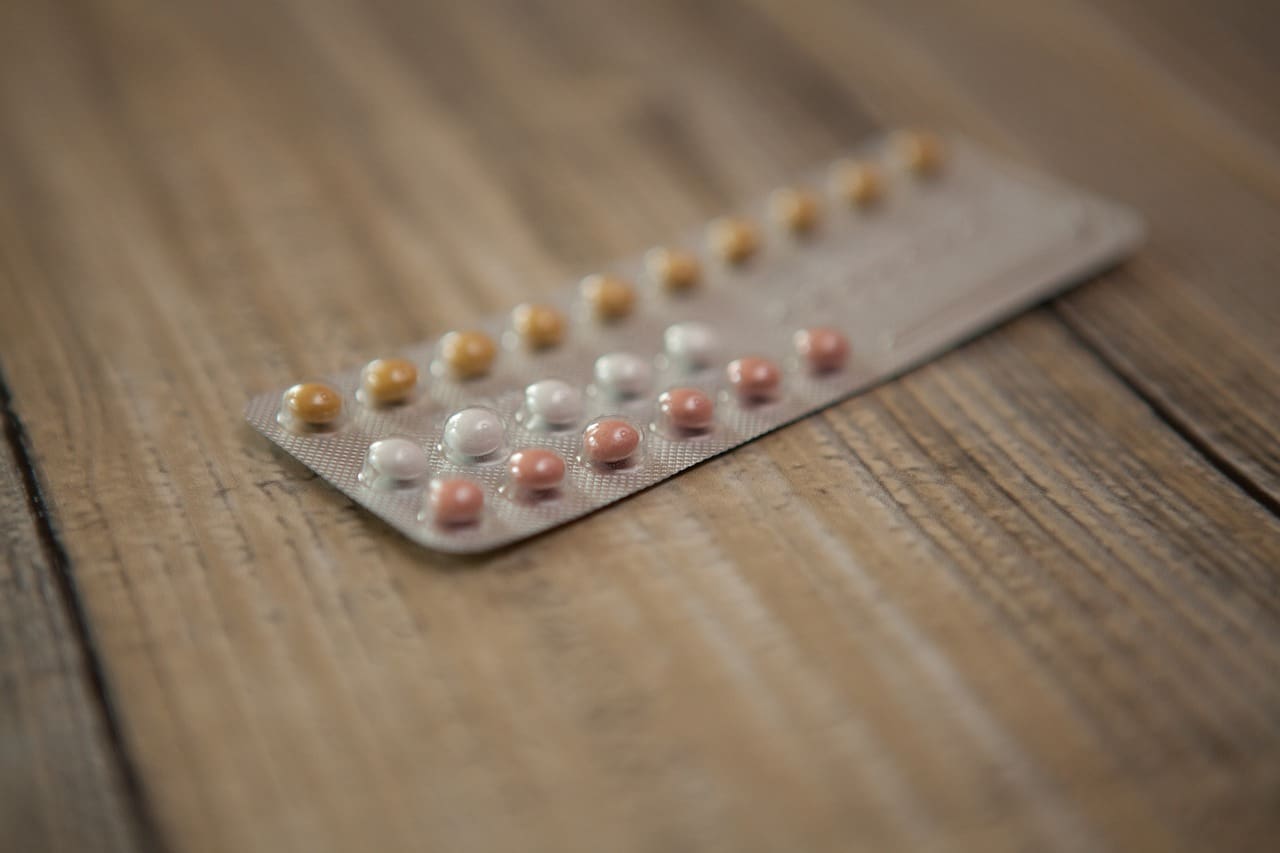
When it comes to birth control, it’s crucial to discuss contraceptive options with your healthcare provider. Hormonal contraceptives, such as the pill, patch, or hormonal IUD, can be effective methods of preventing pregnancy, but they can also impact hormone levels and menstrual cycles. If you’re considering using hormonal birth control, weigh the potential benefits against the potential side effects and discuss the various options available with your healthcare provider. Non-hormonal birth control methods, such as barrier methods or copper IUDs, may be more suitable if you prefer to avoid hormonal contraception.
It’s also important to regularly reassess and review your medication usage with a healthcare professional. Your healthcare provider can help determine if any changes need to be made to your medication regimen and ensure that the medications you’re taking continue to align with your hormonal health goals and overall well-being.
By being mindful of medications and birth control and working closely with your healthcare provider, you can make informed decisions that support hormonal health and promote overall wellness.
In conclusion, supporting hormonal health through diet and lifestyle is crucial for overall well-being. By following a balanced diet, managing stress, exercising regularly, maintaining a healthy weight, avoiding exposure to environmental toxins, limiting alcohol and caffeine intake, staying hydrated, supporting gut health, getting regular check-ups, and being mindful of medications and birth control, you can take proactive steps towards achieving optimal hormonal balance and promoting a healthy, vibrant life. Remember, everyone’s hormonal journey is unique, so it’s important to seek guidance from healthcare professionals to ensure a personalized approach to your hormonal health.