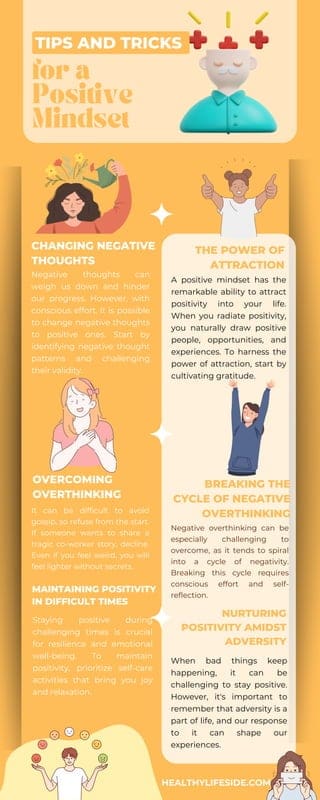
Life can often throw unexpected challenges our way, leaving us feeling overwhelmed and drained. In order to navigate through these difficulties, it is essential to maintain a positive mindset. The article “Keeping A Positive Mindset: Tips And Tricks” offers valuable advice and techniques to help you cultivate and sustain a positive outlook. From practicing gratitude and self-care to embracing positivity in your daily interactions, these tips and tricks provide practical and accessible ways to nurture a positive mindset that can enhance your overall well-being and resilience.
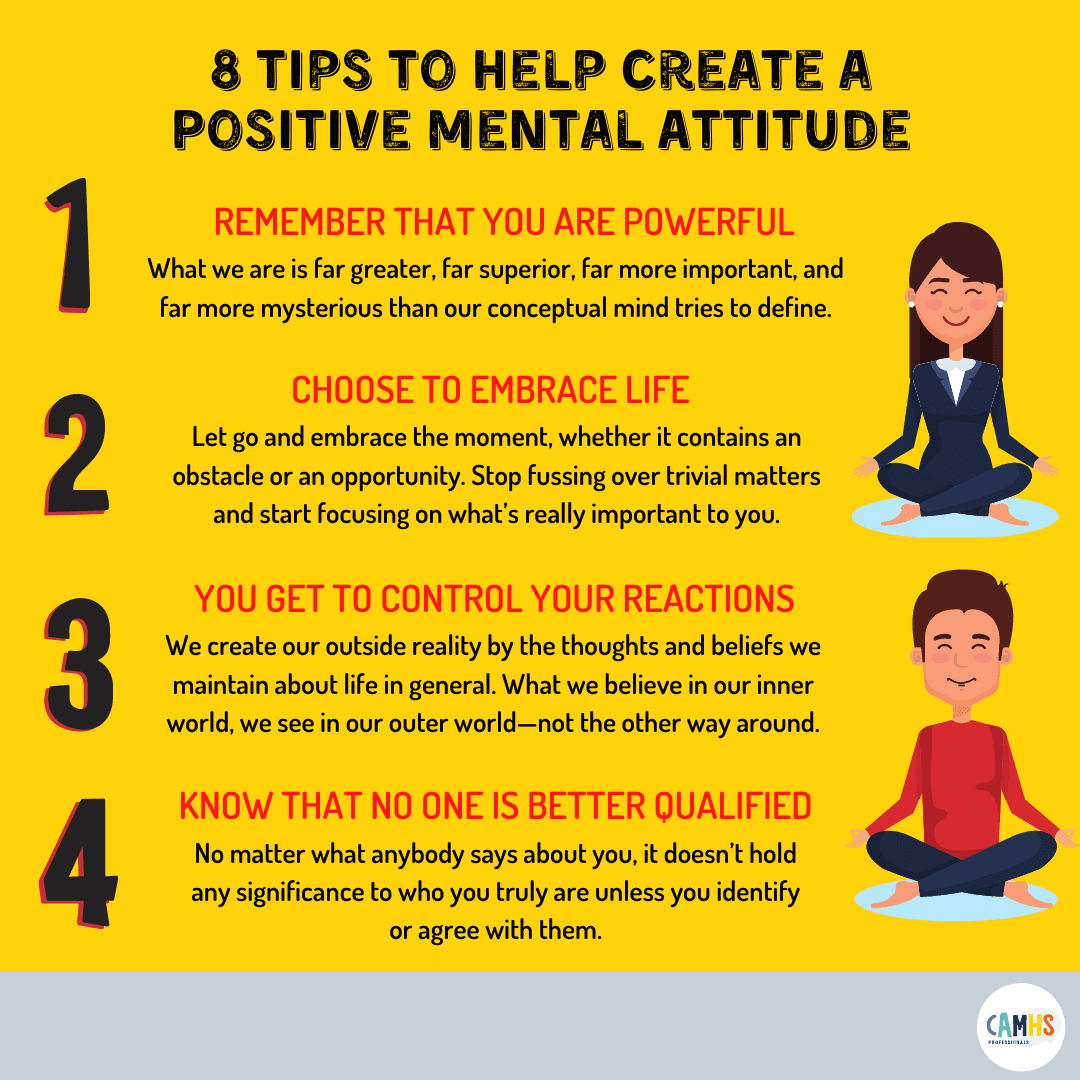
Practicing Gratitude
Keep a gratitude journal
One powerful way to cultivate a positive mindset is by keeping a gratitude journal. This practice involves consciously reflecting on and writing down the things you are grateful for each day. By focusing on the positive aspects of your life, you train your mind to seek out and appreciate the good things, even in challenging times. Each evening, take a few minutes to jot down three things you are grateful for. It could be as simple as having a delicious meal, spending time with loved ones, or appreciating the beauty of nature. As you make this a habit, you will start to notice a shift in your perspective and the way you perceive the world around you.
Express gratitude to others
In addition to keeping a gratitude journal, expressing gratitude to others is another wonderful way to foster positivity in your life. Take the time to reach out and thank those who have made a positive impact on your life. Whether it’s through a handwritten note, a text message, or a heartfelt conversation, expressing your gratitude not only uplifts the recipient but also brings joy and fulfillment to yourself. Small acts of kindness and appreciation have a ripple effect, spreading positivity to those around you. By cultivating a habit of expressing gratitude, you create a cycle of positivity and strengthen your relationships.
Focus on the positive aspects of your life
One of the most effective ways to keep a positive mindset is to consciously focus on the positive aspects of your life. It’s easy to get caught up in the day-to-day challenges and setbacks, but by intentionally redirecting your attention to the good things, you can shift your perspective and create a more positive outlook. Take a moment each day to reflect on the things that are going well or the small victories you have experienced. It could be a successful project at work, a kind gesture from a friend, or a personal achievement. By acknowledging and celebrating the positives, you train your brain to notice and appreciate the good in all situations.
Cultivating a Growth Mindset
Embrace challenges as opportunities
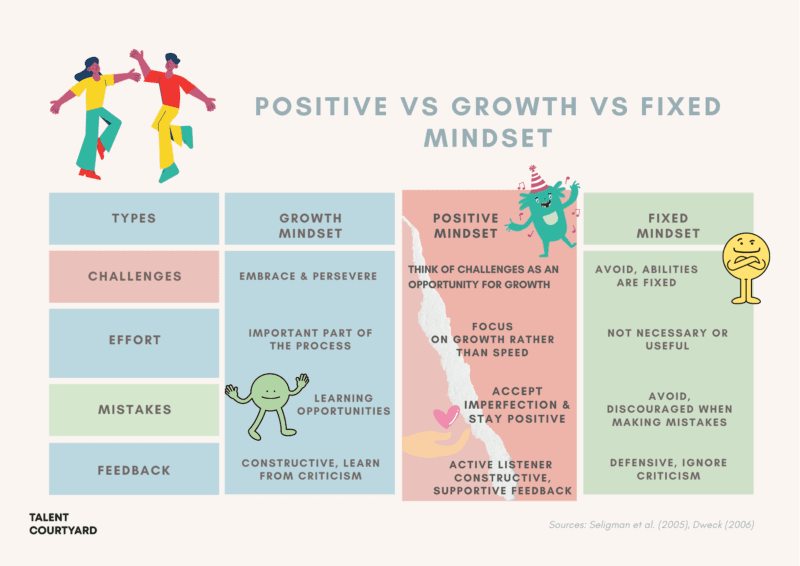
A growth mindset is the belief that abilities and intelligence can be developed through dedication and hard work. One of the key elements of this mindset is embracing challenges as opportunities for growth rather than viewing them as obstacles. When faced with a difficult task or setback, remind yourself that it is a chance to learn, develop new skills, and improve. Instead of shying away from challenges, embrace them with enthusiasm and curiosity. This shift in perspective allows you to approach difficulties with resilience and optimism, knowing that they provide valuable lessons and opportunities for personal growth.
Believe in your abilities to learn and improve
Having a growth mindset also means having faith in your own abilities to learn and improve. Understand that intelligence and talent are not fixed traits, but rather qualities that can be developed over time. When faced with a new skill or challenge, believe in your capacity to learn and grow. Trust that with determination, effort, and a positive attitude, you can overcome obstacles and achieve your goals. By fostering self-belief and confidence, you open yourself up to endless possibilities for personal and professional growth.
View setbacks as learning experiences
In the pursuit of personal growth, setbacks and failures are inevitable. However, with a growth mindset, setbacks are not seen as indicators of incompetence or failure, but rather as valuable learning experiences. When faced with a setback, take the time to reflect on what went wrong and what you can learn from the experience. Instead of dwelling on the negative aspects, focus on how you can apply the lessons learned to future endeavors. By embracing setbacks as learning opportunities, you develop resilience, adaptability, and a greater sense of self-awareness.
Surrounding Yourself with Positivity
Choose uplifting and positive company
As the saying goes, “You are the average of the five people you spend the most time with.” Surrounding yourself with positive individuals who uplift and inspire you has a tremendous impact on your mindset and overall well-being. Seek out friends, mentors, and colleagues who radiate positivity and have a growth-oriented mindset. Engage in meaningful conversations, support each other’s goals, and celebrate each other’s successes. By surrounding yourself with optimistic and motivated individuals, you create an environment that fosters positivity, personal growth, and a sense of possibility.
Limit exposure to negative influences
While it’s not always possible to completely eliminate negative influences from your life, it’s important to be mindful of the impact they can have on your mindset. Limit exposure to negative news, social media accounts that promote negativity, and toxic relationships. Instead, seek out sources of inspiration, positivity, and personal development. Fill your social media feeds with uplifting content, read books that expand your horizons, and engage in activities that bring you joy and fulfillment. By actively choosing to surround yourself with positivity, you create a space that supports your growth and fosters a positive mindset.
Create a positive environment at home and work
In addition to surrounding yourself with positive people, creating a positive environment at home and work is crucial for maintaining a positive mindset. Declutter your physical space, organize your belongings, and create a space that promotes relaxation and productivity. Surround yourself with objects, images, and colors that bring you joy and inspiration. At work, establish a supportive and collaborative culture by actively promoting positivity, appreciation, and open communication. A positive environment not only enhances your overall well-being but also fuels motivation, creativity, and productivity.
Engaging in Relaxation Techniques
Practice deep breathing exercises
Deep breathing exercises are a simple yet effective way to relax your body and mind, reduce stress, and promote a positive mindset. Take a few moments each day to focus on your breath. Breathe in deeply, expanding your chest and belly, and then slowly exhale, releasing any tension or stress. Deep breathing activates your body’s relaxation response, calming your nervous system and promoting a sense of tranquility. Incorporate deep breathing exercises into your daily routine, particularly during times of stress or when you need a moment to unwind. It’s a powerful tool that can instantly shift your mindset and bring about a sense of calm.
Try meditation or mindfulness
Meditation and mindfulness practices are powerful tools for cultivating a positive mindset. They allow you to quiet your mind, observe your thoughts and emotions without judgment, and create space for self-reflection and inner peace. Find a quiet and comfortable space, close your eyes, and focus on your breath. Be present in the moment and let go of any distractions or worries. You can also incorporate mindfulness into your daily activities, such as eating, walking, or taking a shower, by fully immersing yourself in the experience and paying attention to the sensations and details. Regular practice of meditation and mindfulness helps reduce stress, increase self-awareness, and promote a positive and mindful approach to life.
Engage in activities that bring you joy and relaxation
Engaging in activities that bring you joy and relaxation is essential for maintaining a positive mindset. Set aside time each day to do something that truly brings you happiness, whether it’s reading a book, going for a walk in nature, painting, dancing, or playing a musical instrument. These activities not only provide an outlet for self-expression and creativity but also help you relax and recharge. By making time for activities that bring you joy, you cultivate a sense of fulfillment, contentment, and positivity in your life.
Engaging in Regular Physical Activity
Exercise releases endorphins and boosts mood
Engaging in regular physical activity is not only beneficial for your physical health but also has a profound impact on your mental well-being. Exercise releases endorphins, also known as the “feel-good” hormones, which boost mood, reduce stress, and promote a positive mindset. Whether it’s going for a run, practicing yoga, or joining a fitness class, find an activity that you enjoy and that suits your lifestyle. Aim for at least 30 minutes of moderate exercise most days of the week. Not only will you experience the physical benefits, but you will also notice an improvement in your overall mental and emotional well-being.
Choose activities you enjoy
To make physical activity a sustainable part of your routine, it is important to choose activities that you genuinely enjoy. Find an exercise or sport that resonates with you and aligns with your interests and preferences. Whether it’s swimming, hiking, dancing, or playing a team sport, engaging in activities that you find enjoyable increases motivation and makes it easier to stick to your fitness routine. Don’t be afraid to try new things and explore different forms of exercise until you find what brings you joy. By infusing your physical activity with fun and excitement, you are more likely to maintain a positive mindset and a consistent exercise regimen.
Make physical activity a part of your routine
To reap the full benefits of physical activity, it’s essential to make it a consistent part of your daily routine. Schedule dedicated time for exercise and treat it as a non-negotiable appointment with yourself. Whether it’s waking up early for a morning jog, taking a dance class during lunch breaks, or going for a walk after dinner, find a time slot that works best for you. By prioritizing physical activity and incorporating it into your routine, you create a sense of discipline and commitment to your overall well-being. The consistency of regular exercise not only improves your physical health but also enhances your mental strength, resilience, and positive mindset.
Setting Realistic Goals
Break larger goals into smaller, achievable steps
Goal setting is an important aspect of personal growth and maintaining a positive mindset. However, it’s crucial to set realistic and attainable goals to avoid feeling overwhelmed or discouraged. Break larger goals into smaller, manageable steps that you can accomplish within a reasonable timeframe. Each small step becomes a milestone on the path towards your ultimate goal, keeping you motivated and focused. For example, if your goal is to run a marathon, start by setting a target to run a certain distance each week and gradually increase it over time. By breaking down larger goals into smaller, achievable steps, you create a sense of progress and achievement, which fuels motivation and positivity.
Celebrate small victories along the way
In addition to setting realistic goals, it’s equally important to celebrate the small victories along the way. Recognize and acknowledge your progress, regardless of how small it may seem. Celebrate each milestone reached, no matter how insignificant it may appear. By celebrating your achievements, you reinforce positive behavior and reinforce the belief that you are capable of accomplishing your goals. Reward yourself with something you enjoy, such as a day off, a special treat, or a relaxing activity. By acknowledging and celebrating the small victories, you create momentum, motivation, and a positive mindset to continue striving for your larger goals.
Stay motivated by setting meaningful goals
To maintain a positive mindset, it is crucial to set goals that are meaningful and aligned with your values and aspirations. Reflect on what truly inspires and drives you on a deep level. Set goals that excite you and make you feel passionate and motivated. When your goals are meaningful to you, they become powerful anchors that keep you focused and determined, even in the face of challenges. Remember to revisit your goals regularly, assess your progress, and make adjustments if needed. By setting and pursuing meaningful goals, you cultivate a sense of purpose, enthusiasm, and a positive mindset that permeates all areas of your life.
Practicing Positive Self-Talk
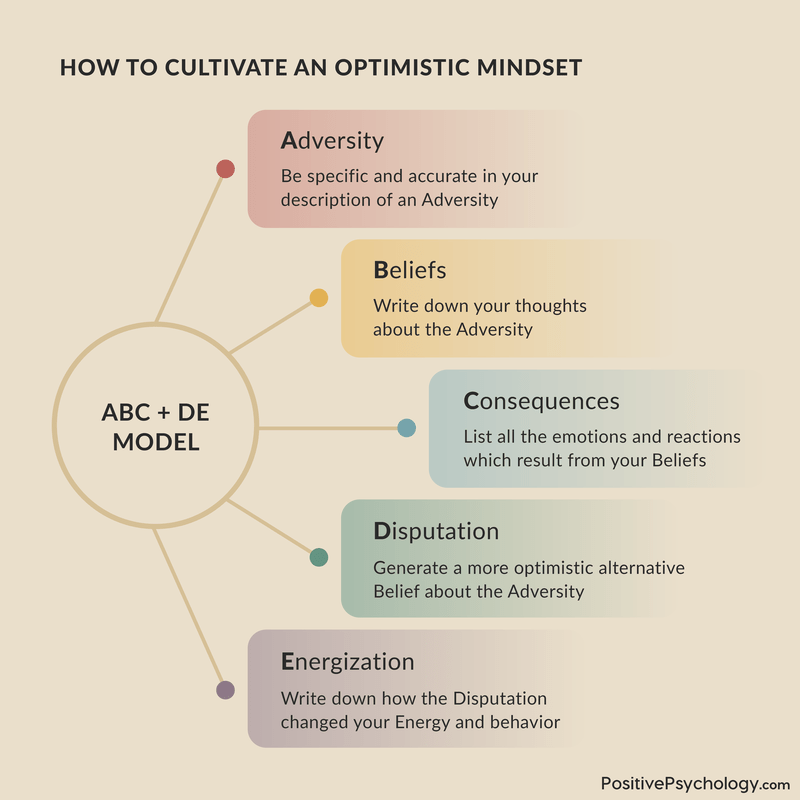
Challenge negative thoughts and replace them with positive ones
Positive self-talk plays a crucial role in maintaining a positive mindset. It involves consciously challenging and replacing negative thoughts with positive and empowering ones. Start by becoming aware of your self-talk patterns and noticing when negative thoughts arise. When you catch yourself engaging in self-critical or self-defeating thoughts, challenge their validity and replace them with positive affirmations. For example, instead of thinking, “I’m not good enough,” replace it with, “I am capable and deserving of success.” Over time, this practice rewires your brain to focus on the positives, boosts self-confidence, and enhances your overall mindset.
Acknowledge and celebrate your strengths
Another important aspect of positive self-talk is acknowledging and celebrating your strengths. Often, we are quick to recognize our weaknesses and shortcomings while downplaying our own strengths and accomplishments. Take a moment to reflect on your skills, talents, and achievements. Recognize and appreciate the things that you do well and the progress you have made. Write down a list of your strengths and refer to it whenever you need a confidence boost. By actively acknowledging and celebrating your strengths, you build self-esteem, resilience, and a more positive self-image.
Speak kindly and compassionately to yourself
The way you speak to yourself matters. Approach yourself with kindness, compassion, and understanding. Treat yourself as you would a dear friend or loved one. Offer words of encouragement, support, and reassurance. When facing challenges or setbacks, remind yourself that mistakes are a natural part of the learning process and that you are doing your best. Practice self-compassion by embracing your imperfections and treating yourself with love and forgiveness. By speaking kindly and compassionately to yourself, you foster self-acceptance, resilience, and a positive mindset that thrives on self-love and self-worth.
Engaging in Activities that Bring Joy
Explore hobbies and interests that make you happy
Engaging in activities that bring you joy is a powerful way to maintain a positive mindset. Explore hobbies, interests, and passions that make you feel alive and fulfilled. Experiment with different activities, such as painting, gardening, playing a musical instrument, or cooking. Find what resonates with your soul and makes your heart sing. When you engage in activities that bring you joy, you tap into a sense of flow and lose track of time. These moments of pure bliss and happiness not only positively impact your mental well-being but also provide a much-needed break from the stresses of daily life.
Spend time with loved ones and pets
Spending quality time with loved ones and pets is an instant mood lifter and a source of immense joy. Surrounding yourself with the people and animals you love creates a sense of connection, love, and support that boosts your overall well-being. Whether it’s having a heartfelt conversation with a close friend, sharing a meal with family, or playing with your furry companion, these interactions fill your heart with love, happiness, and gratitude. Make it a priority to carve out dedicated time for your loved ones and cherish the moments of laughter, love, and connection.
Find moments of joy in daily routines
In addition to engaging in specific activities, finding moments of joy in your daily routines is essential for maintaining a positive mindset. Take the time to savor the simple pleasures of life, such as enjoying a cup of coffee in the morning, watching a beautiful sunset, or listening to your favorite music while commuting. Notice the small moments of joy that often go unnoticed and bring mindfulness to your daily experiences. By finding joy in the ordinary, you cultivate gratitude, contentment, and a positive outlook on life.
Taking Care of Your Physical Health
Get enough sleep for rest and rejuvenation
Sleep plays a vital role in maintaining a positive mindset and overall well-being. Aim for seven to eight hours of quality sleep each night to allow your body and mind to rest and rejuvenate. Create a soothing bedtime routine that helps you unwind and relax before sleep, such as reading a book, taking a warm bath, or practicing relaxation techniques. Make your bedroom a sleep-friendly environment by keeping it dark, quiet, and at a comfortable temperature. Prioritize your sleep and make it a non-negotiable part of your self-care routine. By getting enough sleep, you wake up refreshed, energized, and with a positive mindset to tackle the day ahead.
Eat a balanced and nutritious diet
What you eat has a direct impact on your physical and mental well-being. Fuel your body with a balanced and nutritious diet that includes fruits, vegetables, whole grains, lean proteins, and healthy fats. Avoid or limit the consumption of processed foods, sugary snacks, and excessive caffeine. Eating a balanced diet provides your body and brain with the necessary nutrients to function optimally, supporting your overall health and enhancing your mood. Stay hydrated by drinking an adequate amount of water throughout the day. By nourishing your body with wholesome foods, you promote physical vitality, mental clarity, and a positive mindset.
Take care of your hygiene and self-care
Taking care of your personal hygiene and engaging in self-care activities is important for both physical and mental well-being. Establish a daily hygiene routine that includes brushing your teeth, showering, and grooming. Pay attention to your personal appearance and dress in a way that makes you feel confident and comfortable. Additionally, engage in self-care practices that promote relaxation and self-nurturing. This could include taking a spa day, reading a book, practicing aromatherapy, or indulging in a long bath. Prioritize self-care as an integral part of maintaining a positive mindset. By taking care of your physical needs, you enhance your self-image, boost self-esteem, and cultivate a positive outlook on life.
Seeking Support and Practicing Self-Care
Reach out to friends, family, or a therapist for support
Seeking support from friends, family, or a therapist is crucial for maintaining a positive mindset, particularly during challenging times. Don’t hesitate to reach out and share your feelings, experiences, and struggles with someone you trust. Talking to a supportive individual provides a fresh perspective, emotional validation, and a sense of comfort and understanding. If needed, consider seeking professional help from a therapist who can guide you through difficult emotions and provide tools and strategies to cultivate a positive mindset. Remember that asking for support is a sign of strength, and you deserve to have a strong support system in place.
Prioritize self-care and relaxation
In the hustle and bustle of daily life, it’s essential to prioritize self-care and relaxation. Make self-care activities a regular part of your routine, ensuring that you allocate dedicated time for yourself. Whether it’s taking a yoga class, reading a book, practicing mindfulness, or indulging in a hobby, engage in activities that promote relaxation, self-compassion, and rejuvenation. Create boundaries and say no to commitments that drain your energy and prevent you from taking care of yourself. By prioritizing self-care, you replenish your energy reserves, reduce stress, and cultivate a positive and resilient mindset.
Practice self-compassion and forgiveness
Practicing self-compassion and forgiveness is an integral part of maintaining a positive mindset. Be gentle and understanding with yourself, especially when facing challenging situations or making mistakes. Remind yourself that it’s okay to be imperfect and that failure is a natural part of the learning process. Practice forgiveness towards yourself for any past mistakes or shortcomings, allowing yourself to heal and move forward. Treat yourself with the same compassion and understanding that you would show to a loved one. By practicing self-compassion and forgiveness, you let go of negativity and cultivate a mindset of growth, acceptance, and self-love.
In conclusion, maintaining a positive mindset requires conscious effort and practice. By implementing these tips and tricks into your daily life, you can cultivate a positive mindset that permeates all aspects of your life. Remember to embrace gratitude, cultivate a growth mindset, surround yourself with positivity, engage in relaxation techniques, prioritize physical activity, set realistic goals, practice positive self-talk, indulge in activities that bring joy, take care of your physical health, seek support, and practice self-care and forgiveness. With dedication and consistency, you can create a positive mindset that supports your overall well-being and enables you to navigate life’s challenges with resilience and optimism.