
Welcome to an article that will shed light on the many benefits of incorporating fiber-rich foods into your diet. Fiber is an essential nutrient that plays a crucial role in maintaining good health. From aiding in digestion and promoting weight loss to reducing the risk of chronic diseases, fiber-rich foods are a key component of a balanced diet. By making simple changes to your eating habits, you can reap the numerous rewards that fiber has to offer. So, let’s explore the key benefits of incorporating fiber-rich foods into your daily meals and start enjoying a healthier, happier lifestyle today. Have you ever wondered why fiber-rich foods are considered so important for your health? Well, wonder no more! In this article, we will explore the key benefits of incorporating fiber-rich foods into your diet. From digestive health to weight management, fiber plays a crucial role in keeping you feeling your best. So grab a snack, sit back, and let’s dive into the world of fiber-rich foods together!

What is Fiber?
Before we dive into the benefits of fiber-rich foods, let’s first understand what fiber actually is. Fiber is a type of carbohydrate that the body can’t digest. Instead of being broken down and absorbed into the bloodstream like other nutrients, fiber passes through the digestive system relatively intact. There are two main types of fiber: soluble fiber, which dissolves in water, and insoluble fiber, which does not.
Soluble Fiber
Soluble fiber can be found in foods such as oats, nuts, seeds, beans, lentils, and some fruits and vegetables. When soluble fiber reaches the intestines, it forms a gel-like substance that helps slow down the digestion of food. This can help regulate blood sugar levels and lower cholesterol.
Insoluble Fiber
Insoluble fiber, on the other hand, can be found in foods such as whole grains, wheat bran, and many fruits and vegetables. This type of fiber adds bulk to the stool, which can help prevent constipation and promote regular bowel movements.
Digestive Health Benefits
One of the most well-known benefits of fiber-rich foods is their positive impact on digestive health. Fiber helps to promote a healthy digestive system in several ways. It adds bulk to the stool, making it easier to pass through the intestines and prevent constipation. Additionally, fiber helps to feed the beneficial bacteria in the gut, which in turn helps maintain a healthy balance of gut microbiota.
When you consume an adequate amount of fiber, you are less likely to experience issues such as constipation, bloating, and gas. Fiber-rich foods can also help prevent more serious conditions such as diverticulitis and hemorrhoids. By promoting regular bowel movements and a healthy gut microbiome, fiber-rich foods keep your digestive system running smoothly.
Weight Management Benefits
In addition to promoting digestive health, fiber-rich foods can also play a key role in weight management. Fiber-rich foods are often lower in calories and more filling than low-fiber alternatives. This means that you can eat a larger volume of food without consuming excess calories. Fiber also helps to slow down the digestion of food, which can help you feel fuller for longer periods of time.
By incorporating fiber-rich foods into your diet, you may find it easier to maintain a healthy weight or even lose weight. Studies have shown that individuals who consume a higher amount of fiber tend to have lower body weight and body fat percentages. In addition, the fiber content in foods can help regulate blood sugar levels, which can prevent spikes and crashes that may lead to overeating.
Heart Health Benefits
Another important benefit of fiber-rich foods is their positive impact on heart health. Soluble fiber, in particular, has been linked to lower levels of LDL (bad) cholesterol. When you consume soluble fiber, it binds to cholesterol particles in the intestines and prevents them from being absorbed into the bloodstream. This can help lower cholesterol levels and reduce the risk of heart disease.
In addition to lowering cholesterol, fiber-rich foods may also help lower blood pressure and reduce inflammation in the body. Both of these factors are important for maintaining a healthy heart and reducing the risk of cardiovascular diseases. By incorporating fiber-rich foods into your diet, you can help protect your heart and improve your overall cardiovascular health.
Blood Sugar Regulation Benefits
For individuals with diabetes or those at risk of developing diabetes, fiber-rich foods can play a crucial role in blood sugar regulation. Soluble fiber, in particular, can help slow down the absorption of sugar into the bloodstream. This can help prevent sudden spikes and crashes in blood sugar levels, which is especially important for individuals with diabetes.
In addition to regulating blood sugar levels, fiber-rich foods can also improve insulin sensitivity. When your body becomes more sensitive to insulin, it can more effectively remove sugar from the bloodstream and prevent high blood sugar levels. By including fiber-rich foods in your diet, you can help manage your blood sugar levels and reduce your risk of developing type 2 diabetes.
Cancer Prevention Benefits
There is evidence to suggest that fiber-rich foods may help reduce the risk of certain types of cancer. In particular, fiber has been linked to a reduced risk of colorectal cancer. By promoting regular bowel movements and preventing inflammation in the digestive tract, fiber-rich foods may help protect against the development of cancerous cells.
In addition to colorectal cancer, fiber-rich foods may also help reduce the risk of other types of cancer, such as breast cancer and pancreatic cancer. The exact mechanisms by which fiber prevents cancer are still being researched, but it is believed that fiber helps to promote a healthy digestive system and reduce inflammation, both of which are important factors in cancer prevention.
How to Incorporate More Fiber into Your Diet
Now that you understand the key benefits of fiber-rich foods, you may be wondering how to incorporate more fiber into your diet. Here are some tips to help you increase your fiber intake:
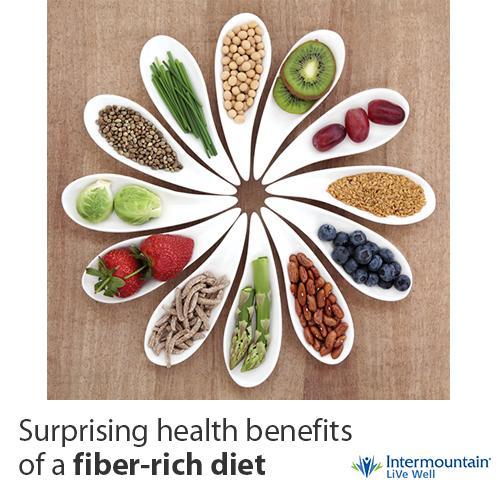
- Eat more fruits and vegetables: Fruits and vegetables are natural sources of fiber and should make up a significant portion of your daily diet.
- Choose whole grains: Opt for whole grains such as brown rice, quinoa, and whole wheat bread over refined grains to increase your fiber intake.
- Snack on nuts and seeds: Nuts and seeds are packed with fiber and make for a convenient and nutritious snack.
- Include legumes in your meals: Legumes such as beans, lentils, and chickpeas are excellent sources of fiber and can be easily added to soups, salads, and stir-fries.
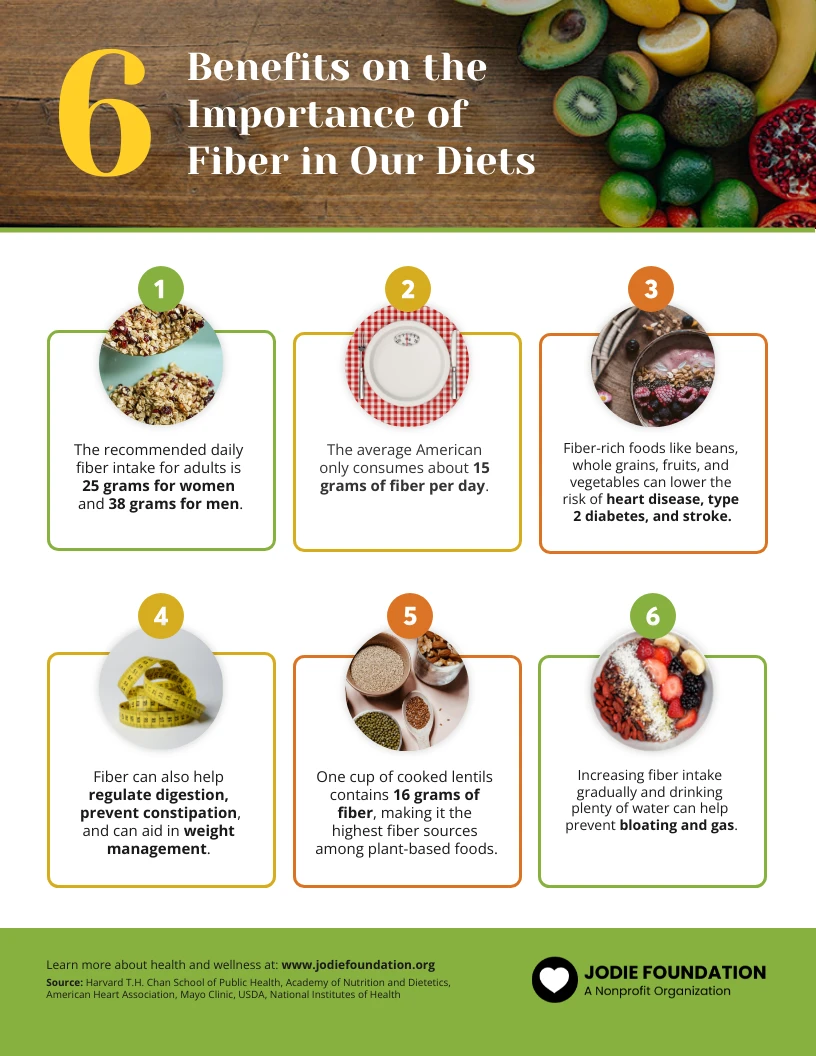
By incorporating these fiber-rich foods into your diet, you can reap the numerous health benefits that fiber has to offer. Remember to gradually increase your fiber intake to allow your digestive system to adjust to the higher fiber content. Drinking plenty of water is also important when increasing your fiber intake to prevent constipation and promote healthy digestion.
In conclusion, fiber-rich foods offer a wide range of health benefits, from promoting digestive health to aiding in weight management and reducing the risk of chronic diseases. By incorporating fiber-rich foods into your diet, you can improve your overall health and well-being. So next time you’re planning your meals, make sure to include plenty of fruits, vegetables, whole grains, nuts, seeds, and legumes to boost your fiber intake and feel your best. Your body will thank you for it!