
Welcome to a quick guide on key strategies for improving your emotional well-being. In today’s fast-paced world, it’s important to prioritize your mental and emotional health. By incorporating simple practices such as mindfulness, regular exercise, and seeking social support, you can boost your overall well-being and lead a more fulfilling life. Let’s explore some effective ways to enhance your emotional wellness starting today. Have you ever felt overwhelmed, stressed, or anxious? Maybe you’re struggling to find balance in your life or feeling disconnected from your emotions. It’s essential to prioritize your emotional well-being to live a fulfilling and satisfying life. In this article, we will explore key strategies to improve your emotional well-being and enhance your overall quality of life.
Identifying Your Emotions
Understanding and acknowledging your emotions is the first step in improving your emotional well-being. Have you ever felt frustrated or upset, but couldn’t pinpoint the exact emotion you were experiencing? By identifying your emotions, you can effectively manage them and work towards finding peace and balance.
Emotion Identification Chart
| Emotion | Description | Examples |
|---|---|---|
| Happiness | Feelings of joy and contentment | Laughing with friends |
| Anger | Frustration and irritability | Road rage |
| Sadness | Feeling down or blue | Crying during a movie |
| Anxiety | Worry and nervousness | Racing thoughts |
| Excitement | Feeling energized and enthusiastic | Planning a vacation |
By using this emotion identification chart, you can begin to recognize and label your emotions, which is the first step in effectively managing them. Take time to reflect on your feelings throughout the day and practice expressing them in a healthy way.
Cultivating Mindfulness
Mindfulness is the practice of being fully present in the moment without judgment. By cultivating mindfulness, you can learn to observe your thoughts and emotions without becoming attached to them. This practice can help you develop a greater sense of self-awareness and emotional regulation.
Mindfulness Techniques
-
Deep Breathing: Take a moment to focus on your breath, inhaling deeply through your nose and exhaling slowly through your mouth. This simple yet effective technique can help calm your mind and reduce stress.
-
Body Scan: Close your eyes and focus on each part of your body, starting from your toes and working your way up to your head. Notice any tension or discomfort, and allow yourself to release it as you breathe deeply.
-
Mindful Eating: Pay attention to the flavors, textures, and sensations of each bite of your meal. Eating mindfully can help you savor your food and become more in tune with your body’s hunger and fullness cues.
By incorporating these mindfulness techniques into your daily routine, you can enhance your emotional well-being and cultivate a greater sense of inner peace.
Building a Support System
Having a strong support system is crucial for maintaining a healthy emotional well-being. Surrounding yourself with positive and supportive individuals can provide encouragement, guidance, and comfort during challenging times. Remember, it’s okay to ask for help when you need it.
Types of Support
-
Emotional Support: This type of support involves listening, empathy, and validation of your feelings. Seek out friends, family members, or a therapist who can offer a listening ear and emotional support.
-
Practical Support: Practical support involves tangible assistance, such as help with daily tasks, running errands, or completing projects. Reach out to your support system when you need practical help to lighten your load.
-
Social Support: Social support involves engaging in activities and spending time with others who share your interests and values. Join a club, group, or community organization to connect with like-minded individuals and cultivate meaningful relationships.
By building a strong support system, you can create a network of individuals who uplift and empower you, contributing to your emotional well-being and overall happiness.
Practicing Self-Care
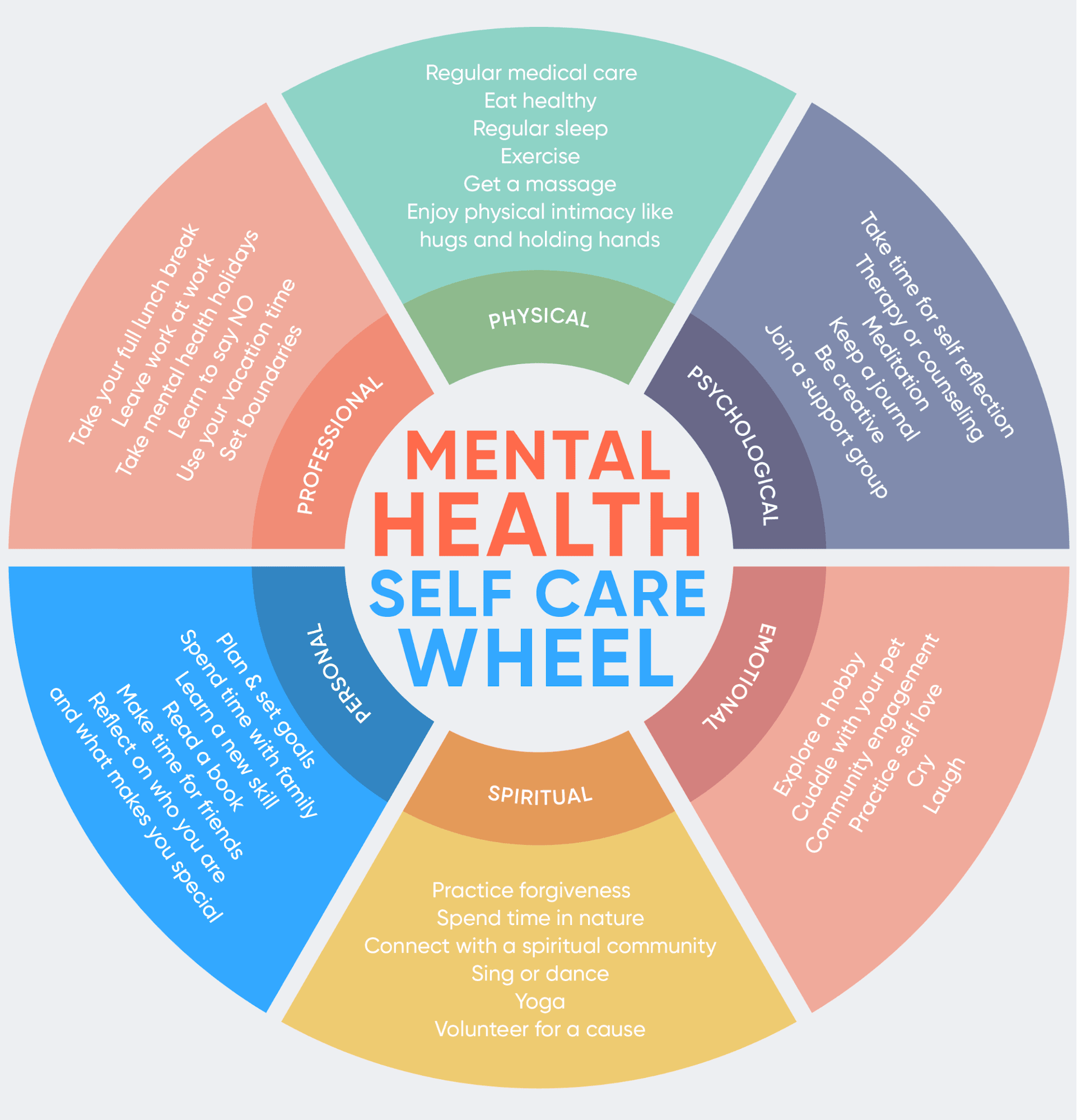
Self-care is the practice of taking care of your physical, mental, and emotional needs to promote overall well-being. By incorporating self-care into your daily routine, you can nurture yourself and recharge your mind, body, and spirit.
Self-Care Activities
-
Physical Self-Care: Engage in activities that promote physical health and vitality, such as exercise, healthy eating, and getting an adequate amount of sleep each night.
-
Mental Self-Care: Engage in activities that support mental well-being, such as reading, journaling, meditation, or engaging in hobbies that bring you joy and relaxation.
-
Emotional Self-Care: Engage in activities that nurture your emotional well-being, such as practicing gratitude, setting boundaries, and engaging in therapy or counseling when needed.
By prioritizing self-care and making time for activities that nourish your mind, body, and soul, you can enhance your emotional well-being and cultivate a greater sense of balance and fulfillment in your life.
Setting Boundaries
Setting boundaries is essential for protecting your emotional well-being and preserving your mental health. Boundaries help establish clear expectations in your relationships and prevent others from crossing your limits or taking advantage of you.
Types of Boundaries
-
Physical Boundaries: Physical boundaries involve respecting personal space, privacy, and bodily autonomy. Communicate your physical boundaries clearly and assertively to maintain your comfort and safety.
-
Emotional Boundaries: Emotional boundaries involve protecting your feelings, emotions, and mental well-being. Learn to recognize when someone is crossing your emotional boundaries and communicate your needs effectively.
-
Time Boundaries: Time boundaries involve managing your time effectively and setting aside time for self-care, relaxation, and personal interests. Prioritize your time and energy on activities that align with your values and goals.
By setting clear and healthy boundaries in your relationships and daily life, you can protect your emotional well-being and promote a sense of safety, respect, and balance in your interactions with others.
Seeking Professional Help
If you’re struggling with persistent emotional distress, anxiety, depression, or other mental health concerns, it’s essential to seek professional help. A mental health professional, such as a therapist, counselor, or psychiatrist, can provide you with the support, guidance, and resources you need to address your emotional challenges effectively.
Signs to Seek Professional Help
-
Persistent Symptoms: If you’re experiencing persistent feelings of sadness, anxiety, hopelessness, or anger that interfere with your daily life and well-being, it may be time to seek professional help.
-
Difficulty Coping: If you’re having trouble managing your emotions, thoughts, or behaviors in a healthy way, a mental health professional can help you develop coping strategies and tools to navigate your challenges effectively.
-
Suicidal Thoughts: If you have thoughts of self-harm, suicide, or harming others, it’s crucial to seek immediate help from a mental health professional or contact a crisis hotline for support.
Remember, seeking professional help is a brave and proactive step towards improving your emotional well-being and creating a life filled with peace, balance, and happiness.
Conclusion
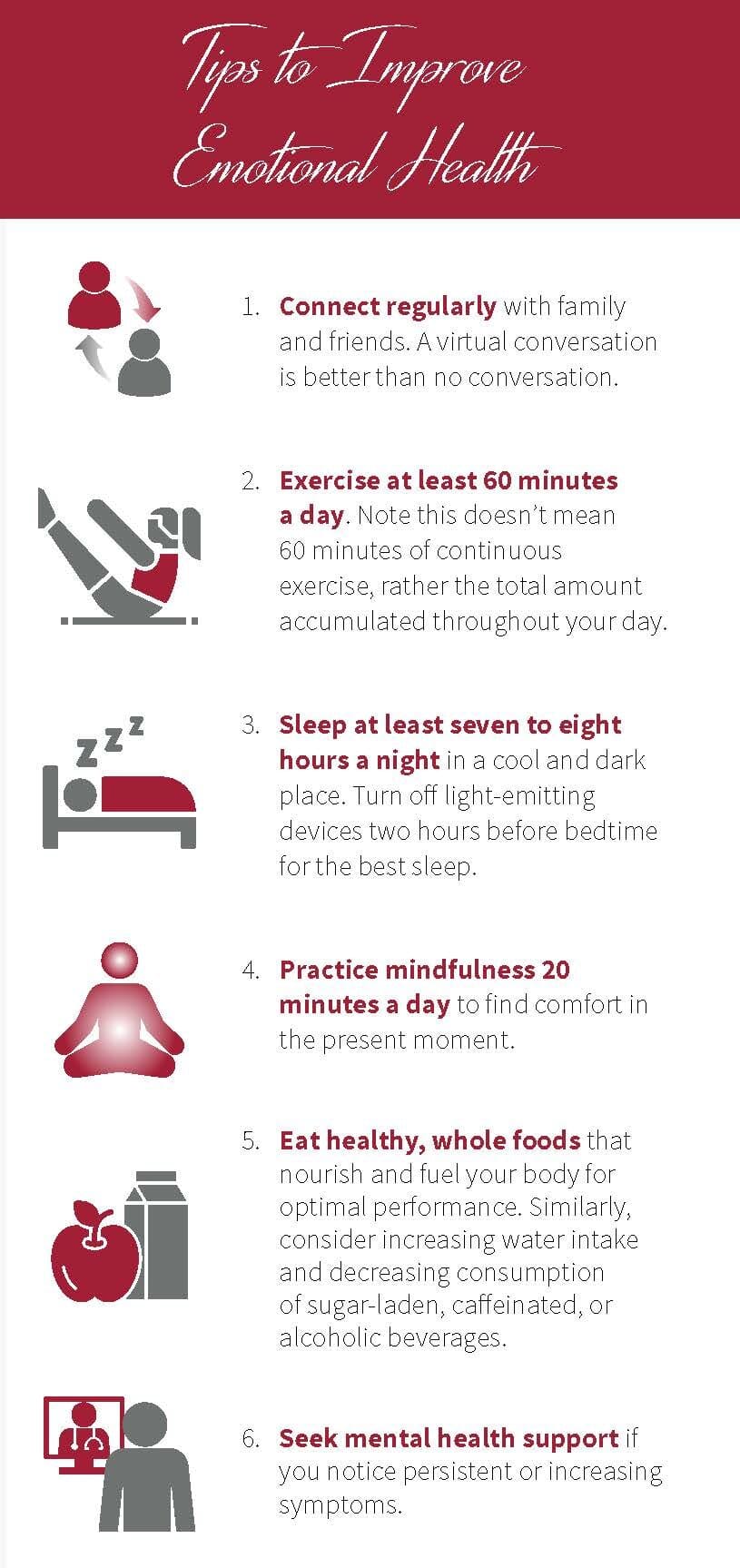
Improving your emotional well-being is a journey that requires dedication, self-awareness, and a commitment to self-care. By identifying your emotions, cultivating mindfulness, building a support system, practicing self-care, setting boundaries, and seeking professional help when needed, you can take proactive steps towards enhancing your emotional well-being and living a more fulfilling and satisfying life. Remember, your emotions are valid, and you deserve to prioritize your emotional well-being to create a life that is filled with joy, peace, and happiness. Start implementing these key strategies today and watch as your emotional well-being flourishes.