
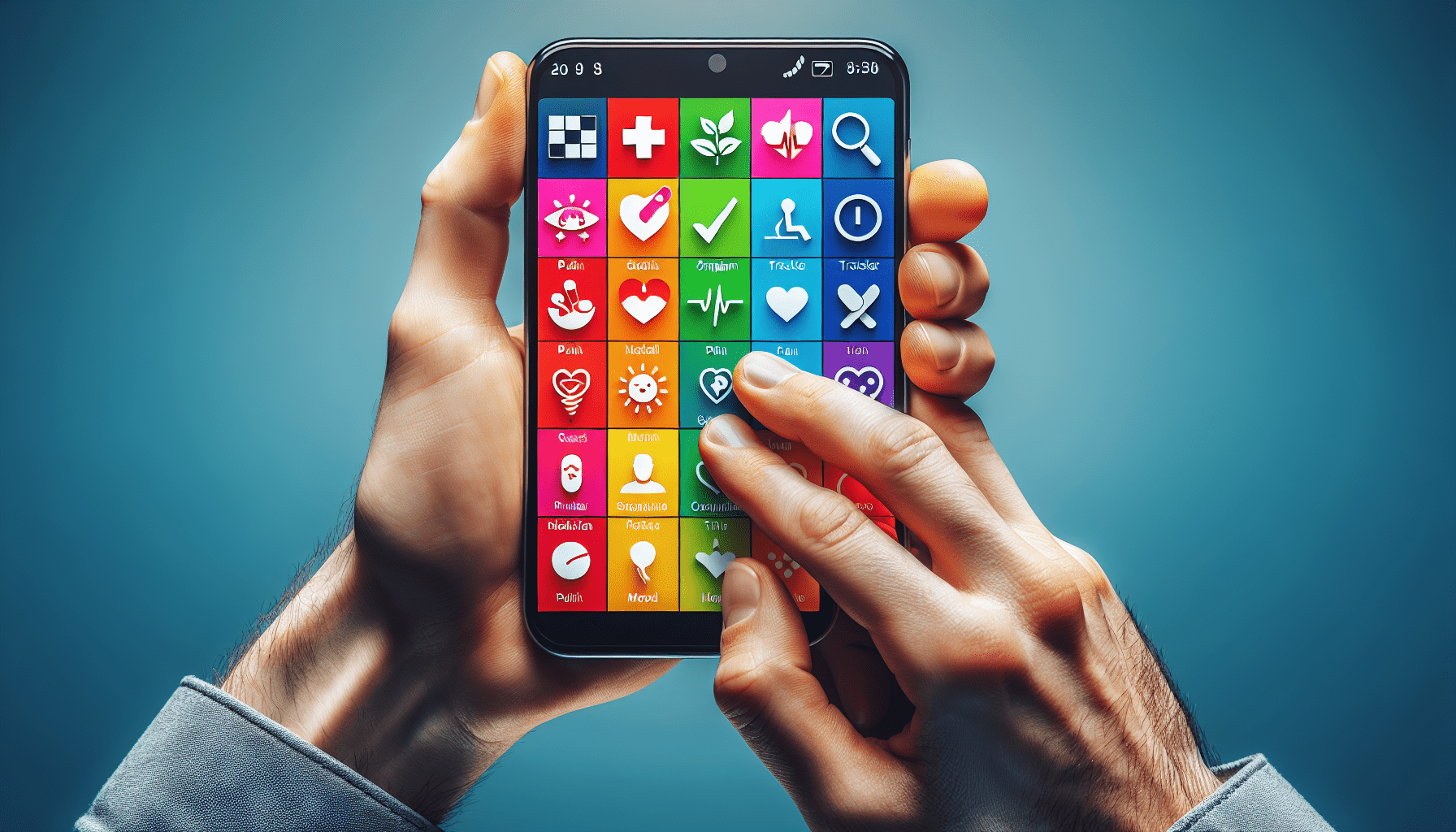
Living With Chronic Conditions And Technology: Apps And Tools For Self-Management explores the intersection of digital innovation and healthcare, specifically focusing on individuals living with chronic conditions. This article delves into the various ways in which mobile apps and technological tools are transforming the self-management landscape for those facing long-term health challenges. From tracking symptoms and medications to providing tailored support and education, these apps and tools have the potential to greatly enhance the quality of life and empower individuals to take control of their health. Discover how technology is revolutionizing self-management for chronic conditions and discover the top apps and tools available to help you navigate your healthcare journey.
1. Mobile Apps for Tracking Symptoms
Living with a chronic condition can sometimes feel overwhelming, but thankfully, technology has made it easier to manage your symptoms and track your health. One of the most effective tools for self-management is a symptom tracker app. With these apps, you can easily log and track your symptoms over time, allowing you to identify patterns and triggers. This information can be incredibly valuable during doctor visits, as it provides a comprehensive overview of your condition. Some popular symptom tracker apps include Symptom Tracker and SymTrac.
Another useful mobile app for managing chronic conditions is a pain journal. Pain is often a significant symptom for many chronic conditions, and keeping a journal can help you better understand and manage your pain levels. These apps allow you to record the location, intensity, and duration of your pain, as well as any triggers or relief methods you’ve tried. Pain Journal and Pain Tracker are excellent options for anyone looking to gain more control over their pain management.
In addition to tracking physical symptoms, it’s important to monitor your mood and emotional well-being as well. Mood tracker apps are specifically designed to help you record your emotional state, allowing you to identify patterns and potential triggers for mood changes. This can be particularly useful for individuals with mental health conditions or those experiencing mood swings as a result of their chronic condition. Mood Tracker and MoodLog are popular apps that can help you gain a better understanding of your emotional well-being.
Lastly, medication reminders apps are essential for anyone managing a chronic condition. It can be easy to forget to take your medications, especially if you’re juggling multiple prescriptions. Medication reminder apps send you alerts and notifications when it’s time to take your medication, ensuring you never miss a dose. Some apps even allow you to track your medication adherence and provide helpful information about potential drug interactions. Medisafe and MyTherapy are widely used medication reminder apps.
2. Wearable Devices for Health Monitoring
In recent years, wearable devices have become increasingly popular for health monitoring. These devices provide real-time data about your body and can help you stay on top of your chronic condition. Fitness trackers, such as Fitbit and Garmin, are excellent options for individuals looking to monitor their overall physical activity levels, heart rate, and sleep patterns. These devices can provide valuable insights into your overall health and help you set and achieve fitness goals.
For individuals monitoring heart conditions, heart rate monitors are a must-have. These wearable devices, like Apple Watch and Polar heart rate monitors, allow you to track your heart rate throughout the day and during exercise. This data can be incredibly useful for individuals with heart conditions or those at risk for heart-related problems, as it can help you identify any irregularities or potential concerns.
Similarly, blood pressure monitors are essential for individuals with hypertension or other cardiovascular conditions. These wearable devices, such as Omron and Withings, allow you to monitor your blood pressure at any time, providing you with valuable data to share with your healthcare provider. By monitoring your blood pressure regularly, you can better understand how lifestyle factors and medications impact your readings and make necessary adjustments to manage your condition effectively.
For individuals with diabetes, continuous glucose monitors (CGMs) are game-changers. These devices, like Dexcom and Freestyle Libre, provide real-time glucose readings, eliminating the need for constant finger pricks. CGMs allow you to monitor your glucose levels throughout the day and receive alerts if your levels go too high or too low. This information is crucial for individuals with diabetes, as it helps them make informed decisions about their diet, exercise, and medication management.
3. Telemedicine and Remote Monitoring
Chronic conditions often require frequent visits to healthcare providers, but sometimes it’s not always feasible or convenient. That’s where telemedicine comes in. Virtual doctor visits allow you to connect with healthcare professionals remotely, eliminating the need for in-person appointments. These visits can be conducted through video calls, allowing you to discuss your symptoms, concerns, and treatment plans from the comfort of your own home. Telemedicine is especially beneficial for individuals with mobility issues or those living in remote areas.
In addition to virtual doctor visits, remote monitoring devices have revolutionized the way chronic conditions are managed. These devices allow healthcare providers to monitor your vital signs and collect data about your condition without the need for in-person visits. Remote monitoring devices can track various metrics, such as blood pressure, blood glucose levels, and oxygen saturation. This information is then transmitted to your healthcare provider, who can analyze the data and make recommendations for your care.
Health coaching has also emerged as an effective tool for self-management. Health coaches provide guidance and support to individuals with chronic conditions, helping them navigate their healthcare journey and make positive lifestyle changes. With the help of telemedicine and online platforms, health coaching has become more accessible than ever. Health coaches can provide personalized advice, help you set and achieve health goals, and provide ongoing support for managing your chronic condition.
4. Online Support Communities
Living with a chronic condition can sometimes feel isolating, but online support communities offer a sense of connection and understanding. Peer support groups are an excellent resource for individuals looking to connect with others who share similar experiences. These groups provide a space for sharing stories, insights, and advice, allowing you to learn from others who have faced similar challenges. Online forums and message boards also offer a wealth of information and support, as individuals can ask questions and receive feedback from a diverse community of individuals.
Social media support has also become increasingly popular, with many individuals turning to platforms like Facebook and Instagram to connect with others dealing with chronic conditions. These groups provide a sense of community, allowing you to connect with others, share your experiences, and find support during challenging times. Social media support can be particularly helpful for individuals who may not have access to in-person support groups or who prefer the convenience and anonymity of online interactions.
5. Health Education and Information Resources
Education and information are key components of self-management when living with a chronic condition. Online health libraries offer a vast amount of information about various conditions, treatment options, and lifestyle modifications. These resources provide evidenced-based information that can help you better understand your condition and make informed decisions about your care. Some popular health libraries include Mayo Clinic, WebMD, and MedlinePlus.
Educational websites also play an important role in self-management. These websites often provide in-depth articles, videos, and interactive tools to help individuals navigate their condition. Whether you’re looking for information about specific symptoms, treatment options, or lifestyle modifications, educational websites can provide valuable insights and resources. Some notable educational websites include The American Heart Association, American Diabetes Association, and National Institute of Mental Health.
Podcasts and webinars have also become popular sources of health information. These audio and video formats provide a convenient way to access relevant health content on the go. Podcasts cover a wide range of topics, from specific conditions to overall health and wellness, and often feature interviews with experts in the field. Similarly, webinars offer live or prerecorded presentations on various health topics, allowing you to learn from professionals and ask questions in real-time.
6. Medication Management Tools
Managing medications can be challenging, especially if you’re taking multiple prescriptions. Fortunately, there are numerous tools available to help simplify the process. Pill organizers and reminders are essential for anyone managing their medications. These organizers allow you to sort your medications by day and time and serve as a visual reminder to take your pills. Some organizers even come with built-in alarms and notifications to ensure you never miss a dose.
Medication tracking apps take medication management a step further by providing comprehensive solutions for managing your prescriptions. These apps allow you to input your medications, set reminders, and track your adherence. Some apps even provide additional features, such as medication interaction checks and refill reminders. Medisafe and MyTherapy are widely used medication tracking apps that can help you stay on top of your medication regimen.
Prescription delivery services have also become increasingly popular, especially for individuals with limited mobility or those living in remote areas. These services allow you to have your medications delivered directly to your doorstep, eliminating the need for trips to the pharmacy. With prescription delivery, you can ensure that you never run out of your medications and have all your prescriptions conveniently managed in one place. Some popular prescription delivery services include PillPack, CVS Pharmacy, and Walgreens.
7. Diet and Nutrition Apps
Maintaining a healthy diet is crucial for managing chronic conditions, and diet and nutrition apps can be valuable tools for self-management in this aspect. Calorie counters are useful for individuals looking to monitor their daily calorie intake and manage their weight. These apps allow you to track the calories in the foods you eat, providing you with a better understanding of your overall calorie consumption and helping you make informed decisions about your diet. MyFitnessPal and Lose It! are popular calorie counter apps.
Meal planning and tracking apps are also helpful for individuals looking to plan and monitor their meals. With these apps, you can create meal plans, generate shopping lists, and easily track your food intake throughout the day. Meal planning ensures that you’re eating a well-balanced diet and allows you to make healthier choices. Some notable meal planning and tracking apps include Mealime and MyPlate.
Keeping a food diary is another effective way to manage your diet and track potential triggers for symptoms. Food diary apps allow you to record the foods you eat and any associated symptoms or reactions. This information can help you identify potential food intolerances or allergies and make necessary changes to your diet. Some popular food diary apps include MySymptoms Food Diary and Cara.
8. Fitness and Exercise Apps
Regular exercise is essential for managing chronic conditions and maintaining overall health and wellness. Fitness and exercise apps can help you stay motivated, track your progress, and achieve your fitness goals. Personalized workout plan apps, like Nike Training Club and Fitbod, provide customized exercise routines based on your fitness level, goals, and any limitations you may have. These apps offer a variety of workouts, from strength training to cardio, and provide detailed instructions and demonstrations to ensure proper form and technique.
Exercise tracking apps allow you to monitor and record your workouts, helping you stay accountable and see your progress over time. These apps provide options for tracking various activities, such as running, cycling, and swimming, and can sync with wearable devices to provide accurate data. Some popular exercise tracking apps include Strava and MapMyFitness.
Yoga and meditation apps offer a more holistic approach to fitness and are particularly beneficial for individuals with chronic pain or those looking to reduce stress. These apps provide guided yoga and meditation sessions that can be done at home or on the go. By incorporating yoga and meditation into your routine, you can improve flexibility, reduce pain and inflammation, and promote overall mental well-being. Some notable yoga and meditation apps include Yoga Studio and Headspace.
9. Sleep Tracking and Management Apps
Quality sleep is vital for managing chronic conditions and overall well-being. Sleep tracking apps can help you monitor your sleep patterns and gain insights into your sleep quality. These apps use motion sensors or wearable devices to detect various stages of sleep, such as light sleep, deep sleep, and REM sleep. By tracking your sleep, you can identify any disruptions or patterns that may be impacting your sleep quality. Sleep Cycle and SleepScore are popular sleep tracking apps.
In addition to sleep tracking, managing your sleep is equally important. Relaxation techniques, such as deep breathing exercises and guided imagery, can help calm your mind and prepare your body for sleep. Sleep management apps offer various relaxation techniques and guided sessions to help you unwind and improve your sleep. These apps often include soothing sounds or sleep-inducing music to create a peaceful environment. Relax Melodies and Headspace Sleep are popular sleep management apps.
For individuals struggling with sleep issues, sleep improvement programs can provide comprehensive solutions. These programs, often offered by sleep clinics or healthcare providers, address sleep disorders and offer evidence-based strategies for improving sleep quality. Sleep improvement programs typically include various components, such as behavioral therapy, sleep hygiene education, and personalized treatment plans. By participating in a sleep improvement program, you can receive professional guidance and support to manage your sleep and improve your overall health.
10. Personal Health Records and Health Apps
Keeping track of your medical information is crucial when managing a chronic condition, and personal health records (PHRs) can help you store and access your health information securely. PHR apps allow you to input your medical history, medications, allergies, and healthcare providers’ contact information. This information is easily accessible and can be shared with healthcare providers when needed. MyChart and Apple Health are popular PHR apps that can help you stay organized and take control of your health information.
Symptom checkers have also become valuable tools for individuals looking to assess their symptoms and determine whether medical attention is necessary. These apps allow you to input your symptoms and receive potential diagnoses or recommendations for further evaluation. Symptom checkers can be helpful for minor ailments or non-emergent situations, but it’s important to remember that they’re not a substitute for professional medical advice. Some reputable and widely used symptom checker apps include WebMD Symptom Checker and Ada.
Medical appointment reminders are essential for anyone managing a chronic condition with regular doctor visits. These apps send you reminders for upcoming appointments, ensuring that you never miss an important check-up or follow-up visit. In addition to reminders, some apps also allow you to add notes or questions to discuss with your healthcare provider during your appointment. MyChart and UpToDate are examples of apps that provide medical appointment reminders and additional features to help you prepare for your appointments effectively.
In conclusion, technology has significantly impacted the way individuals manage chronic conditions. Mobile apps for tracking symptoms, monitoring health, and managing medications provide valuable tools for self-management. Wearable devices offer real-time data and insights into various health metrics, enhancing monitoring and promoting overall well-being. Telemedicine and remote monitoring bring healthcare to your fingertips, making it easier to connect with healthcare providers and receive personalized care. Online support communities offer a sense of connection and understanding, while health education resources provide information and guidance. Medication management tools ensure adherence and simplify the management process. Diet and nutrition apps, fitness and exercise apps, sleep tracking and management apps, and personal health records and health apps all contribute to comprehensive self-management strategies. Embracing these technological advancements can help individuals with chronic conditions take control of their health and improve their overall quality of life.