Are you tired of constantly dieting and feeling guilty about your food choices? It’s time to embrace a new approach that focuses on nourishing your body and mind. In this article, we will explore the concept of mindful eating and how it can positively impact women’s overall well-being. By truly savoring each bite, listening to your body’s hunger and fullness cues, and developing a compassionate relationship with food, you can transform your eating habits and cultivate a healthier and more balanced lifestyle. Say goodbye to diets and hello to a newfound sense of self-care and empowerment through mindful eating.

Understanding Mindful Eating
What is mindful eating?
Mindful eating is a practice that involves paying full attention to the experience of eating. It involves being fully present in the moment, engaging all the senses, and bringing a non-judgmental awareness to the process of nourishing your body.
Instead of mindlessly consuming food, mindful eating encourages you to savor each bite, appreciate the flavors and textures, and listen to your body’s hunger and fullness cues. It is about cultivating a healthy relationship with food and embracing a balanced approach to eating.
Principles of mindful eating
The principles of mindful eating revolve around being aware of your body’s needs and honoring them. It involves taking time to choose and prepare nourishing foods, eating with awareness and gratitude, and paying attention to the impact of food on your well-being.
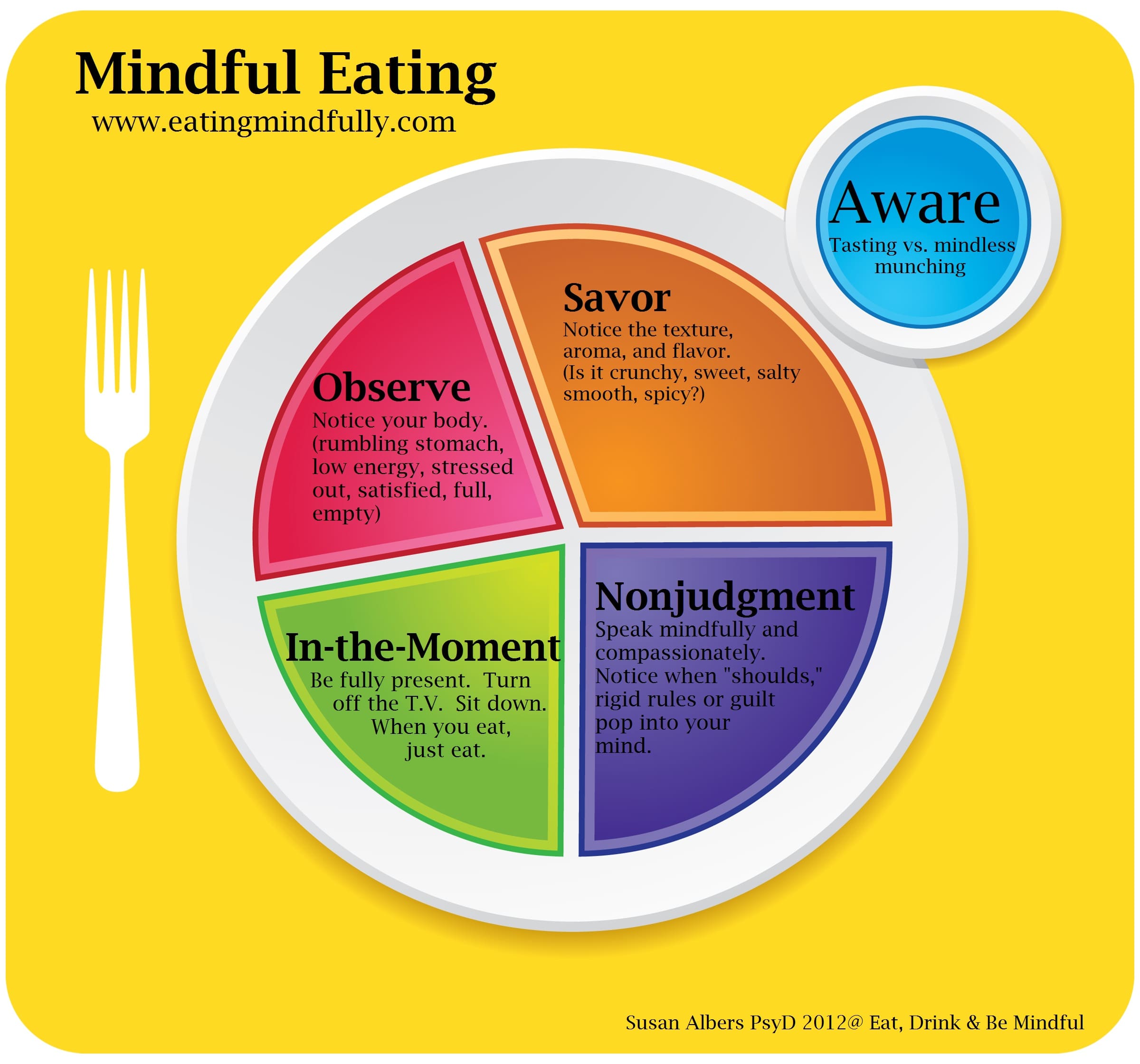
Some key principles of mindful eating include:
-
Eating with intention and attention – Being aware of why you are eating and giving your full attention to the act of eating.
-
Listening to hunger and fullness cues – Tuning in to your body’s signals of hunger and fullness to guide your eating decisions.
-
Engaging all senses while eating – Paying attention to the taste, smell, texture, and appearance of the food, enhancing the enjoyment of your meals.
-
Identifying emotional triggers – Recognizing the emotional factors that influence your eating habits and developing healthier coping mechanisms.
Benefits of mindful eating
Practicing mindful eating can have numerous benefits for women’s overall well-being. Some of the key benefits include:
-
Promoting a healthy relationship with food – Mindful eating helps you develop a balanced and intuitive approach to eating, reducing the likelihood of restrictive or binge eating behaviors.
-
Enhancing body image and self-esteem – By focusing on the present moment and appreciating your body’s nourishment needs, mindful eating can contribute to improved body image and increased self-acceptance.
-
Managing emotional eating – Mindful eating encourages you to identify and address emotional triggers that may lead to unhealthy eating patterns, allowing for more mindful and intentional choices.
-
Supporting hormonal balance – Mindful eating can improve hormonal regulation by ensuring you provide your body with the nutrients it needs, leading to more balanced hormone production.
-
Reducing stress and anxiety – By bringing a sense of calm and mindfulness to the act of eating, mindful eating can help reduce stress and anxiety levels, promoting overall mental well-being.
The Importance of Women’s Overall Well-being
Why prioritize women’s well-being?
Prioritizing women’s overall well-being is crucial as it plays a vital role in their quality of life. Women often juggle multiple responsibilities, including work, caregiving, and maintaining relationships, which can lead to neglecting their own physical and mental health. Prioritizing women’s well-being allows them to thrive in all areas of their lives.
The impact of well-being on women’s lives
When women prioritize their well-being, they experience numerous positive effects in various aspects of their lives. Taking care of their physical and mental health can improve their energy levels, enhance cognitive function, foster stronger relationships, and increase overall happiness and satisfaction.
Addressing specific challenges faced by women
Women face unique challenges that can impact their well-being. From hormonal fluctuations to societal expectations and cultural influences, there are many factors that can affect how women approach self-care and healthy living. By understanding and addressing these challenges, women can better navigate their well-being journey and find strategies that work for them.
Why Mindful Eating Matters for Women
Promoting a healthy relationship with food
Mindful eating promotes a healthy and positive relationship with food. It encourages women to view food as nourishment rather than simply a source of calories. By being mindful of the eating process, women can develop a deeper appreciation for the food they consume, leading to a more sustainable and balanced approach to eating.
Enhancing body image and self-esteem
Mindful eating can have a profound impact on body image and self-esteem. By focusing on the present moment and cultivating self-acceptance, women can develop a healthier body image and increase their self-esteem. Rather than fixating on external standards of beauty, they can appreciate and respect their bodies for their unique qualities and capabilities.
Managing emotional eating
Emotional eating is a common challenge for many women, particularly during times of stress or emotional turmoil. Mindful eating provides tools and techniques to help women recognize and address emotional triggers, enabling them to make more intentional and nourishing food choices. By cultivating awareness of their emotional state and finding healthy coping mechanisms, women can break free from the cycle of emotional eating.
Supporting hormonal balance
Hormonal imbalances can significantly impact a woman’s overall well-being. Mindful eating plays a crucial role in supporting hormonal balance by ensuring a nutrient-rich diet that supports optimal hormone production. By choosing foods that nourish the endocrine system and regulate blood sugar levels, women can promote hormonal harmony and alleviate symptoms of hormonal imbalances.
Reducing stress and anxiety
Stress and anxiety can take a toll on women’s overall well-being. Mindful eating offers a moment of calm amidst the chaos, allowing women to slow down and fully experience the pleasure of eating. By incorporating mindfulness techniques into their meals, women can reduce stress levels and cultivate a sense of peace and relaxation, ultimately promoting better mental health.
Key Elements of Mindful Eating
Eating with intention and attention
One of the key elements of mindful eating is eating with intention and attention. This involves being aware of why you are eating and what your body needs at that moment. Taking the time to consider your hunger levels and nourishment requirements allows you to make more conscious choices about what and how much you eat.
Listening to hunger and fullness cues
Mindful eating encourages you to listen to your body’s hunger and fullness cues. By paying attention to the physical sensations of hunger and satiety, you can honor your body’s needs without overeating or depriving yourself. Tuning in to these cues allows for a more intuitive and balanced approach to eating.
Engaging all senses while eating
Mindful eating involves engaging all your senses while eating. It’s about truly savoring and enjoying each bite, appreciating the flavors, textures, and aromas of your food. By fully immersing yourself in the sensory experience of eating, you can derive greater pleasure and satisfaction from your meals.
Identifying emotional triggers
Another key element of mindful eating is identifying emotional triggers that may influence your eating habits. Stress, boredom, and sadness are common emotional triggers for many women. By recognizing these triggers, you can develop alternative strategies for dealing with emotions instead of turning to food for comfort. This awareness enables you to make healthier choices and break the cycle of emotional eating.

Practical Tips for Implementing Mindful Eating
Slow down and savor each bite
One practical tip for implementing mindful eating is to slow down and savor each bite. Take the time to chew your food thoroughly and pay attention to the flavors and textures. Eating slowly allows you to fully experience the pleasure of eating and gives your body time to register feelings of fullness.
Choose nourishing and whole foods
Another tip is to choose nourishing and whole foods that provide essential nutrients for your body. Opt for fresh fruits and vegetables, lean proteins, whole grains, and healthy fats. These nutrient-dense foods support overall health and well-being, providing your body with the necessary fuel for optimal function.
Create a peaceful eating environment
Creating a peaceful eating environment can greatly enhance your mindful eating practice. Set aside a dedicated space for meals, free from distractions such as screens or work. Dim the lights, play relaxing music, or light a candle to create a calm and soothing atmosphere that promotes mindfulness during meals.
Minimize distractions
Minimizing distractions is crucial for mindful eating. Avoid eating in front of the TV, smartphone, or computer, as these distractions can lead to mindless eating. Instead, focus solely on your food and your eating experience. This allows you to fully appreciate the flavors and textures of your meal and be present in the moment.
Practice gratitude
Practicing gratitude during meals can deepen your mindful eating practice. Before you begin eating, take a moment to express gratitude for the food on your plate, the individuals involved in its production, and the nourishment it provides for your body. This act of gratitude helps cultivate a positive mindset and enhances the enjoyment of your meals.
Combining Mindful Eating with Physical Activity
Finding joy in movement
Combining mindful eating with physical activity involves finding joy in movement. Engaging in activities that you genuinely enjoy, such as dancing, hiking, or yoga, allows you to connect with your body and experience the pleasure of being active. This joyful approach to exercise complements the mindful eating practice, promoting an overall sense of well-being.
Connecting with your body
Mindful eating and physical activity are interconnected in their focus on connecting with your body. By practicing mindfulness during exercise, you can tune in to the sensations of your body, such as your heart rate and breathing. This awareness increases the mind-body connection and deepens your overall well-being.
Balancing exercise and mindful eating
Striking a balance between exercise and mindful eating is essential. Avoid using excessive exercise as a means to compensate for eating habits or as a punishment for enjoying food. Instead, view exercise as a way to nourish and energize your body, complementing the nourishment you provide through mindful eating.

Eating Mindfully throughout Different Life Stages
Mindful eating during pregnancy
Mindful eating during pregnancy is crucial for both the mother and the developing baby. It involves nourishing the body with nutrient-dense foods that support the optimal growth and development of the fetus. Mindful eating also allows pregnant women to address cravings, manage emotional changes, and foster a positive body image during this transformative period.
Postpartum nourishment through mindful eating
Postpartum nourishment through mindful eating prioritizes the mother’s physical and emotional well-being as she recovers from childbirth. It involves consuming foods that support healing and lactation, while also addressing the challenges of navigating postpartum emotions and body changes. Mindful eating can provide a sense of self-care and support during this transformative phase.
Menopause and mindful eating
Mindful eating can greatly benefit women during menopause, as they navigate hormonal changes and potential weight fluctuations. By practicing mindful eating, women can manage common symptoms such as hot flashes, mood swings, and weight gain. Mindful eating promotes overall well-being and helps women adapt to the changes that occur during this stage of life.
Overcoming Barriers to Mindful Eating
Cultural and societal influences
Cultural and societal influences can pose barriers to mindful eating for women. These influences can include societal pressures to have a certain body type, cultural traditions that prioritize food over mindfulness, or the prevalence of diet culture. Overcoming these barriers requires challenging societal norms, embracing individuality, and creating a supportive community that values mindful eating.
Busy schedules and time constraints
Busy schedules and time constraints often make it challenging to prioritize mindful eating. Women may feel overwhelmed by multiple responsibilities and find themselves resorting to quick and convenient food options. Overcoming this barrier involves planning and meal prepping in advance, prioritizing self-care, and making time for mindful eating as an essential part of your daily routine.
Dealing with food cravings and triggers
Food cravings and triggers can undermine mindful eating efforts. Emotional triggers, stress, and external cues can lead to mindless eating and derail the practice of mindful eating. Overcoming this barrier requires developing awareness of these triggers, finding alternative coping mechanisms, and building a toolbox of strategies for managing cravings and emotional eating.
Addressing negative body image
Negative body image can hinder women’s ability to embrace mindful eating. Society’s focus on beauty ideals can lead to feelings of shame, guilt, or unworthiness around food. Addressing negative body image involves cultivating self-compassion, practicing body positivity, and reframing your mindset to focus on health and well-being rather than external appearances.
Seeking Professional Support for Mindful Eating
Nutritionists and dietitians
Nutritionists and dietitians can provide professional support and guidance on mindful eating practices. They can help create personalized meal plans, educate on nutrient-dense food choices, and offer strategies for managing emotional eating or specific dietary requirements. Seeking the support of these professionals can enhance your mindful eating journey and ensure that your nutrition needs are met.
Therapists specializing in mindful eating
Therapists specializing in mindful eating can provide valuable support for women struggling with their relationship with food and body image. These therapists help women explore the emotional and psychological factors that contribute to unhealthy eating habits. Through therapy, women can develop strategies for managing triggers, building self-compassion, and nurturing a positive relationship with food.
Support groups and communities
Engaging with support groups and communities focused on mindful eating can create a sense of connection and accountability. These groups offer a safe space to share experiences, exchange tips, and find support from like-minded individuals. Seek out local or online support groups to connect with others on a similar mindful eating journey.
Embracing Mindful Eating as a Lifelong Journey
Cultivating patience and self-compassion
Embracing mindful eating as a lifelong journey requires cultivating patience and self-compassion. It is important to recognize that mindful eating is not about perfection or strict rules. It is a process that involves learning, experimenting, and making mistakes along the way. Practice self-compassion and allow yourself to embrace imperfections as you navigate your unique mindful eating path.
Recognizing and celebrating progress
Recognizing and celebrating progress is essential in the mindful eating journey. Acknowledge and celebrate the positive changes you have made, no matter how small they may seem. This recognition reinforces your commitment to mindful eating and motivates you to continue on your path toward improved well-being.
Maintaining a mindful eating practice
Maintaining a mindful eating practice involves consistency and commitment. Just like any habit, it requires regular practice to become a natural part of your life. Keep incorporating the principles of mindful eating into your daily routines, even during challenging times. By making mindful eating a priority, you can enjoy the long-term benefits it offers to your overall well-being.
In conclusion, mindful eating is a powerful tool for women’s overall well-being. By practicing this intentional approach to eating, women can cultivate a healthy relationship with food, enhance body image and self-esteem, manage emotional eating, support hormonal balance, and reduce stress and anxiety. Incorporating the key elements of mindful eating and implementing practical tips can lead to a lifelong journey of improved well-being. Seeking professional support and embracing self-compassion are key components in navigating the challenges and barriers to mindful eating. By prioritizing women’s overall well-being through mindful eating, women can truly thrive in all aspects of their lives.