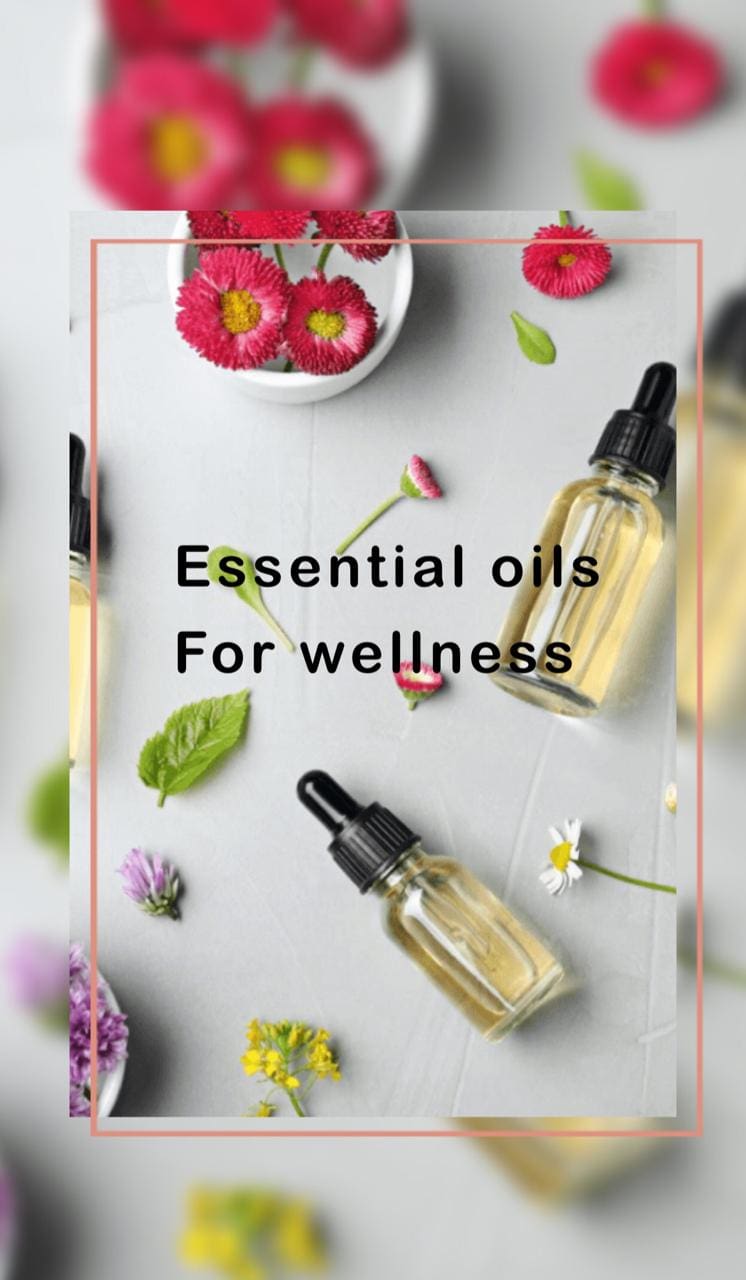
Welcome to the world of essential oils! In this article, we will explore the most popular essential oils that are known for their incredible health and wellness benefits. From soothing lavender to invigorating peppermint, these essential oils offer a natural and holistic approach to improving your overall well-being. Learn about the various uses and applications of these essential oils to incorporate them into your daily routine for a healthier and happier you. Have you ever wondered about the benefits of essential oils for your overall wellness? If so, you’re in the right place! Essential oils have been used for centuries for their healing properties and their ability to promote relaxation and well-being. In this article, we’ll explore some of the most popular essential oils for wellness and how you can incorporate them into your daily routine.
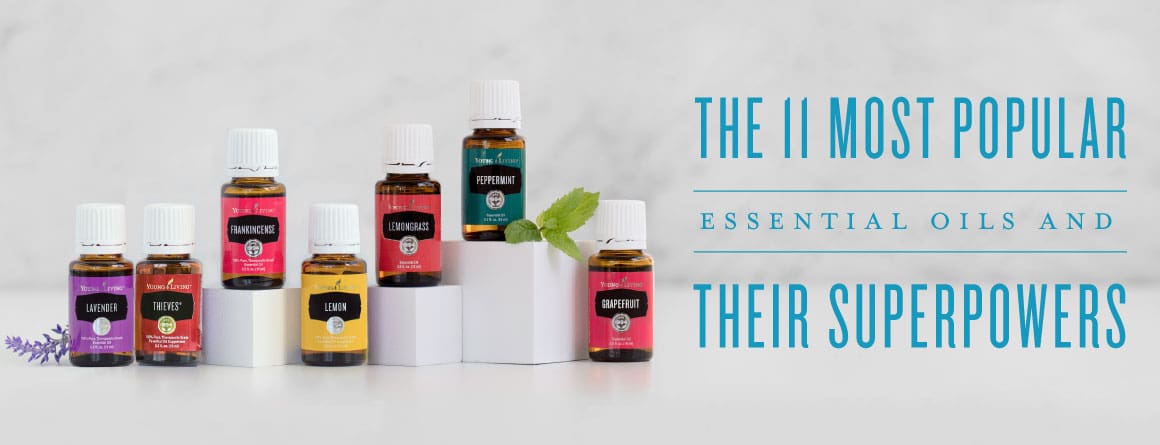
Benefits of Essential Oils
Essential oils are highly concentrated plant extracts that capture the aroma and essence of a plant. These oils have been used for their therapeutic properties in aromatherapy, skincare, and even household cleaning products. Using essential oils can have a variety of benefits for your physical, mental, and emotional well-being.
Essential oils can help reduce stress, anxiety, and improve sleep quality. They can also boost your immune system, improve digestion, and even alleviate headaches and muscle pain. Whether you’re looking for a natural remedy for common ailments or simply want to create a calming atmosphere in your home, essential oils can be a powerful tool for promoting wellness.
How to Use Essential Oils
There are several ways to use essential oils, depending on your preferences and the desired effects. Some of the most common methods include:
- Diffusion: Adding a few drops of essential oil to a diffuser can help create a soothing and relaxing atmosphere in your home.
- Topical Application: Diluting essential oils with a carrier oil (such as coconut or jojoba oil) and applying them to your skin can help target specific areas for relief.
- Inhalation: Inhaling essential oils directly from the bottle or by adding a few drops to a bowl of hot water can help clear your sinuses and improve respiratory function.
- Internal Use: Some essential oils can be ingested in small amounts, but it’s important to research which oils are safe for consumption and consult with a healthcare professional before doing so.
Experiment with different methods to find what works best for you and remember to always use caution when handling essential oils, as they are highly potent.
Diffusing Essential Oils
One of the most popular and effective ways to use essential oils is through diffusion. A diffuser disperses essential oil molecules into the air, allowing you to inhale the aroma and experience the therapeutic benefits.
Diffusing essential oils can help purify the air, reduce airborne pathogens, and create a relaxing ambiance in your home. Whether you’re looking to unwind after a long day or boost your mood and focus, diffusing essential oils can help you achieve your wellness goals.
Topical Application of Essential Oils
Topical application of essential oils is another common method for reaping their benefits. When applied to the skin, essential oils are absorbed into the bloodstream and can provide localized relief for a variety of ailments.
Before applying essential oils topically, it’s important to dilute them with a carrier oil to prevent skin irritation. Some popular carrier oils include coconut, jojoba, almond, and olive oil. By mixing a few drops of essential oil with a carrier oil and massaging it onto your skin, you can enjoy the healing properties of essential oils while nourishing your skin.
Inhalation of Essential Oils
Inhaling essential oils is a quick and effective way to experience their therapeutic effects. Whether you’re seeking relief from congestion, stress, or headaches, inhaling essential oils can provide immediate support.
You can inhale essential oils directly from the bottle, add a few drops to a tissue or cotton ball, or create a steam inhalation by adding a few drops to a bowl of hot water. By breathing in the aromatic compounds of essential oils, you can stimulate your senses, clear your mind, and promote relaxation and well-being.
Internal Use of Essential Oils
While most essential oils are not safe for internal use, some oils are considered food-grade and can be consumed in small amounts. Before ingesting any essential oil, it’s crucial to research its safety and consult with a healthcare provider, as improper use can lead to adverse effects.
Certain essential oils, such as peppermint, lemon, and oregano oil, can be added to food and beverages for flavor and health benefits. However, it’s important to use caution and moderation when consuming essential oils internally, as they are highly potent and can cause digestive upset if used improperly.
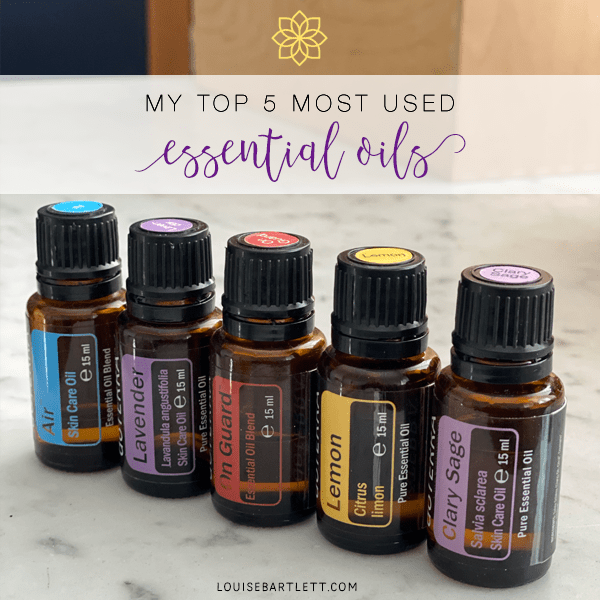
Most Popular Essential Oils for Wellness
Now that you have a better understanding of how to use essential oils, let’s explore some of the most popular oils for promoting wellness. From calming lavender to invigorating peppermint, these essential oils can help support your overall health and well-being.
Lavender Oil
Lavender oil is one of the most versatile and widely used essential oils for wellness. Known for its calming and soothing properties, lavender oil can help reduce stress, anxiety, and improve sleep quality. Whether diffused in the air, applied topically, or added to a relaxing bath, lavender oil can help promote relaxation and create a peaceful atmosphere in your home.
Peppermint Oil
Peppermint oil is another popular essential oil with a wide range of health benefits. Known for its cooling and invigorating properties, peppermint oil can help alleviate headaches, improve digestion, and boost energy levels. When inhaled or applied topically, peppermint oil can provide instant relief and mental clarity, making it a must-have oil for promoting wellness.
Eucalyptus Oil
Eucalyptus oil is well-known for its respiratory and immune-boosting properties. When diffused in the air or inhaled through steam inhalation, eucalyptus oil can help clear congestion, relieve coughs, and support healthy respiratory function. With its fresh and invigorating aroma, eucalyptus oil is a popular choice for promoting respiratory wellness and creating a spa-like atmosphere in your home.
Tea Tree Oil
Tea tree oil, also known as melaleuca oil, is a powerful antiseptic and antimicrobial essential oil that can help support skin health and immunity. When applied topically, tea tree oil can help treat acne, skin infections, and promote wound healing. With its purifying and cleansing properties, tea tree oil is a popular choice for skincare and household cleaning products.
Lemon Oil
Lemon oil is a bright and uplifting essential oil that can help boost mood, energy, and immunity. With its refreshing citrus aroma, lemon oil can help improve focus, uplift spirits, and enhance mental clarity. Whether diffused in the air or added to cleaning products, lemon oil can help create a fresh and invigorating atmosphere in your home.
Conclusion
In conclusion, essential oils are powerful tools for promoting wellness and enhancing your overall health and well-being. Whether you’re looking to reduce stress, improve sleep, alleviate pain, or support your immune system, there’s an essential oil that can help you achieve your wellness goals. By incorporating essential oils into your daily routine and experimenting with different blends and applications, you can tap into the therapeutic benefits of these natural remedies and create a harmonious and balanced lifestyle. So why not give essential oils a try and experience the transformative power of nature’s healing aromas for yourself? You deserve to feel your best every day, and essential oils can help you achieve that goal.