Living with Chronic Lymphocytic Leukemia (CLL) can present numerous challenges, but with the right knowledge and support, you can navigate this journey with confidence. This article explores the various hurdles faced by individuals with CLL, from managing symptoms to accessing appropriate treatments. Discover empowering strategies and resources that will help you overcome the obstacles and live a fulfilling life despite this chronic condition.
Understanding Chronic Lymphocytic Leukemia
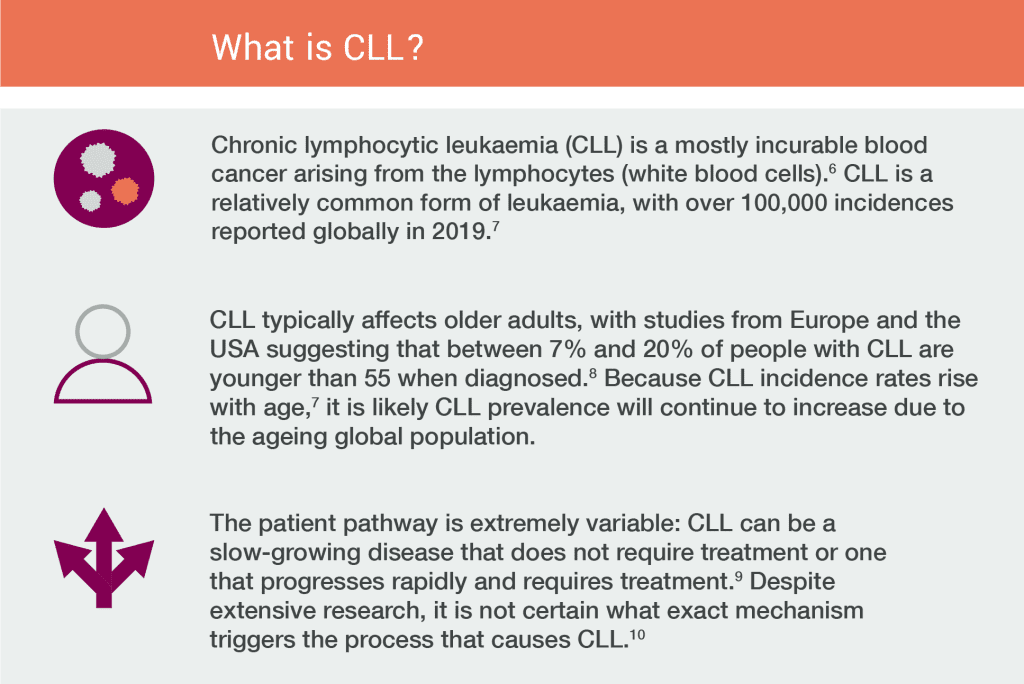
Chronic Lymphocytic Leukemia (CLL) is a type of cancer that affects the white blood cells, specifically the lymphocytes. Lymphocytes are an important part of the immune system and are responsible for fighting infections in the body. In CLL, these lymphocytes become cancerous and begin to multiply abnormally.
What is Chronic Lymphocytic Leukemia?
Chronic Lymphocytic Leukemia is a slow-growing type of leukemia that primarily affects older adults. It is the most common type of leukemia in adults, accounting for approximately one-third of all leukemia cases. CLL is a chronic disease, meaning it often progresses slowly and may not require treatment immediately after diagnosis. However, it is still important to monitor the disease closely as it can worsen over time.
Causes of Chronic Lymphocytic Leukemia
The exact cause of Chronic Lymphocytic Leukemia is still unknown. However, research suggests that certain genetic and environmental factors may increase the risk of developing CLL. Genetic mutations, exposure to certain chemicals or radiation, and a family history of CLL or other lymphomas are some potential factors associated with the development of CLL.
Risk Factors for Chronic Lymphocytic Leukemia
Although the cause of CLL is largely unknown, certain factors may increase the risk of developing the disease. Advanced age, being male, a family history of CLL, exposure to certain chemicals or radiation, and certain genetic abnormalities such as the deletion of chromosome 11q or chromosome 17p are all considered risk factors for CLL. However, it is important to remember that having one or multiple risk factors does not guarantee the development of the disease.
Diagnosing Chronic Lymphocytic Leukemia
Early diagnosis of Chronic Lymphocytic Leukemia is crucial for effective management and treatment. It is often diagnosed during routine blood tests, as many individuals with CLL do not experience noticeable symptoms in the early stages.
Symptoms and Signs of Chronic Lymphocytic Leukemia
In the early stages of CLL, you may not experience any symptoms. However, as the disease progresses, common symptoms may include fatigue, swollen lymph nodes, weight loss, frequent infections, night sweats, and easy bruising or bleeding. It is important to consult with your healthcare provider if you experience any of these symptoms, as they may warrant further investigation.
Diagnostic Tests for Chronic Lymphocytic Leukemia
To diagnose Chronic Lymphocytic Leukemia, your healthcare provider may order several tests. A complete blood count (CBC) will determine the number and quality of white blood cells in your blood. Flow cytometry is often used to analyze cell markers and identify abnormal lymphocytes. Further tests such as bone marrow biopsy, genetic testing, and imaging scans may also be conducted to assess the extent of the disease and help guide treatment decisions.
Staging Chronic Lymphocytic Leukemia
Once diagnosed with Chronic Lymphocytic Leukemia, your healthcare provider will determine the stage of your disease. Staging helps in understanding the severity and extent of the disease, which in turn helps in developing an effective treatment plan. The Rai staging system and the Binet staging system are two commonly used staging systems for CLL. Staging takes into account factors such as the number of lymphocytes, the size of lymph nodes, and the presence of other abnormalities.
Treatment Options for Chronic Lymphocytic Leukemia
Treatment for Chronic Lymphocytic Leukemia depends on several factors, including the stage of the disease, the presence of symptoms, the age and overall health of the patient, and the presence of certain genetic abnormalities.
Watchful Waiting
In some cases, treatment may not be required immediately after CLL diagnosis. This approach, known as watchful waiting or active surveillance, involves regular monitoring of the disease without initiating specific treatment. Watchful waiting is often recommended for patients in the early stages of CLL who do not display symptoms or have slowly progressing disease.
Chemotherapy
Chemotherapy is a commonly used treatment option for CLL. It involves the use of powerful drugs to kill cancer cells and reduce the size of lymph nodes. Chemotherapy can be administered orally, intravenously, or through injections. The specific chemotherapy drugs and duration of treatment will depend on the individual’s condition and response to therapy.
Immunotherapy
Immunotherapy uses drugs that help boost the body’s immune system to recognize and destroy cancer cells. Monoclonal antibodies, such as rituximab and obinutuzumab, are commonly used in the treatment of CLL. These antibodies can attach to specific proteins on the surface of cancer cells, signaling the immune system to attack and destroy them.
Targeted Therapy
Targeted therapy is a type of treatment that specifically targets cancer cells without significantly affecting healthy cells. In CLL, targeted therapy drugs such as ibrutinib and idelalisib have shown promising results in inhibiting the growth and survival of cancerous lymphocytes. These drugs interfere with specific molecules or pathways involved in CLL development and progression.
Stem Cell Transplant
Stem cell transplant, also known as a bone marrow transplant, is a treatment option for patients with CLL who have not responded well to other treatments or whose disease has progressed. The procedure involves replacing damaged or destroyed bone marrow cells with healthy stem cells. Stem cell transplants can be autologous (using the patient’s own stem cells) or allogeneic (using stem cells from a donor).
Managing Side Effects of Chronic Lymphocytic Leukemia Treatment
Treatment for Chronic Lymphocytic Leukemia often comes with its share of side effects. These side effects can vary depending on the specific treatment and the individual’s response to it. Managing these side effects is an important part of the treatment journey.
Common Side Effects and How to Manage Them
Some common side effects of CLL treatment include fatigue, nausea, hair loss, loss of appetite, and increased risk of infections. It is essential to communicate any side effects to your healthcare provider, as there are often ways to alleviate them or manage them effectively. Your healthcare provider may prescribe medications or recommend lifestyle changes to help manage side effects.
Supportive Care during Treatment
Supportive care plays a vital role in managing Chronic Lymphocytic Leukemia and its treatment side effects. This type of care focuses on addressing the physical, emotional, and psychological needs of individuals with CLL. Supportive care may include nutrition counseling, pain management, counseling or therapy services, and access to support groups or educational resources.
Maintaining Emotional Well-being
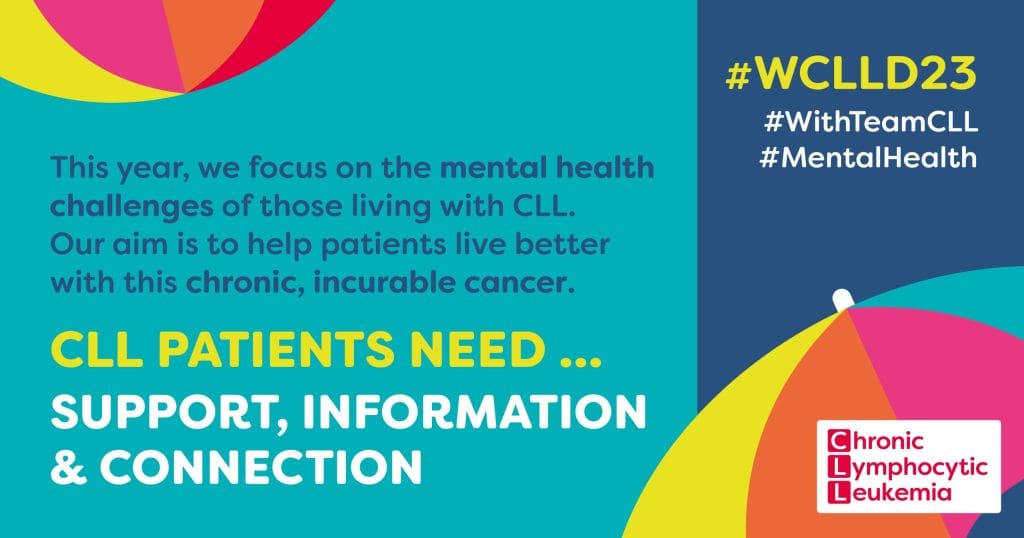
Diagnosing and living with Chronic Lymphocytic Leukemia can bring about various emotional challenges. It is important to prioritize your emotional well-being and seek support when needed. Engaging in activities that bring you joy, staying connected with loved ones, and seeking professional help, if necessary, can all contribute to maintaining emotional well-being during your journey with CLL.
Coping with the Emotional Impact of Chronic Lymphocytic Leukemia
The emotional impact of living with Chronic Lymphocytic Leukemia can be significant. Coping with these emotions is an essential part of the treatment and management process.
Understanding the Emotional Challenges
Living with a chronic illness like CLL can lead to various emotions such as fear, anxiety, stress, and sadness. It is normal to experience these emotions, and it is important to be aware of them and acknowledge their impact on your overall well-being. Understanding these emotional challenges can help you find effective ways to cope.
Seeking Support from Loved Ones
Having a strong support system is invaluable when facing the emotional challenges of Chronic Lymphocytic Leukemia. Reach out to your loved ones and let them know what you are going through. Their presence, understanding, and support can provide comfort and strength. Allow others to help and support you during this time.
Joining Support Groups
Connecting with others who are going through similar experiences can be incredibly beneficial. Joining a support group specific to Chronic Lymphocytic Leukemia can provide a safe space to share experiences, gain insights, and receive support from individuals who truly understand what you are going through. Support groups can be both in-person and online, making them accessible to individuals in various situations.
Making Lifestyle Changes for Chronic Lymphocytic Leukemia
Adopting certain lifestyle changes can have a positive impact on the overall management of Chronic Lymphocytic Leukemia.
Diet and Nutrition
Maintaining a healthy diet is important for individuals with Chronic Lymphocytic Leukemia. A diet rich in fruits, vegetables, whole grains, and lean proteins can provide the necessary nutrients to support overall health and well-being. It is also advisable to limit processed and high-sugar foods, as they may negatively impact the immune system and overall health.
Exercise and Physical Activity
Regular physical activity can help improve overall physical and mental well-being. Engaging in exercise routines that are appropriate for your fitness level can help strengthen your immune system, reduce fatigue, improve mood, and increase overall energy levels. Consult with your healthcare provider before starting any new exercise regimen.
Quitting Smoking
If you smoke, quitting smoking is highly recommended for individuals with Chronic Lymphocytic Leukemia. Smoking can impair the immune system, making it more difficult to fight infections. Quitting smoking can have numerous health benefits and reduce the risk of complications.
Avoiding Environmental Toxins
Exposure to certain environmental toxins may increase the risk of complications for individuals with Chronic Lymphocytic Leukemia. It is advisable to limit exposure to harmful substances such as pesticides and chemicals. Follow proper safety guidelines when handling potentially toxic substances, and consult with your healthcare provider for specific recommendations based on your environment and lifestyle.
Preventing Infections in Chronic Lymphocytic Leukemia Patients
Individuals with Chronic Lymphocytic Leukemia often have a weakened immune system, making them more susceptible to infections. Taking preventive measures can help reduce the risk of infections and keep you healthy.
Understanding Increased Susceptibility to Infections
Chronic Lymphocytic Leukemia can compromise the immune system, making it more difficult for the body to fight off infections. It is important to understand the increased susceptibility to infections and take appropriate measures to protect yourself.
Tips for Reducing the Risk of Infections
Some ways to reduce the risk of infections include practicing good hand hygiene, avoiding close contact with sick individuals, maintaining a clean living environment, and following your healthcare provider’s recommendations for vaccinations and preventive medications. It is important to be proactive in protecting yourself from potential infections.
Vaccinations for Chronic Lymphocytic Leukemia Patients
Vaccinations can play a crucial role in preventing infections in individuals with Chronic Lymphocytic Leukemia. It is important to discuss vaccination recommendations with your healthcare provider, as some vaccines may be contraindicated or require special considerations for individuals with weakened immune systems. Following the recommended vaccination schedule can provide added protection against certain infections.
Taking Control of Chronic Lymphocytic Leukemia
While living with Chronic Lymphocytic Leukemia may feel overwhelming at times, it is important to remember that you can take an active role in your healthcare journey.
Educating Yourself about the Disease
Learning about Chronic Lymphocytic Leukemia and its management options can empower you to actively participate in your healthcare decisions. Stay informed by reading reputable sources, attending educational sessions, and asking questions during your healthcare provider visits.
Understanding Treatment Options
Become familiar with the various treatment options available for Chronic Lymphocytic Leukemia. Understanding the benefits, risks, and potential side effects of each treatment option can help you make informed decisions alongside your healthcare provider.
Advocating for Your Health
Being an advocate for your own health involves actively participating in your healthcare decisions, communicating effectively with your healthcare team, and seeking second opinions when needed. Remember that you have the right to be involved in your own care and to voice your concerns and preferences.

Living with Chronic Lymphocytic Leukemia Long-term
Living with Chronic Lymphocytic Leukemia is a long-term journey that requires regular monitoring and management.
Monitoring and Managing the Disease
Regular monitoring of the disease is essential to ensure its progression is properly tracked. This may include regular blood tests, imaging scans, and follow-up appointments with your healthcare provider. Developing a strong relationship with your healthcare team can help in managing the disease effectively.
Regular Check-ups and Follow-ups
Staying on top of regular check-ups and follow-up appointments is crucial for the long-term management of Chronic Lymphocytic Leukemia. These appointments allow your healthcare provider to assess your overall health, monitor the disease, and make any necessary adjustments to your treatment plan.
Adjusting to a New Normal
Living with Chronic Lymphocytic Leukemia may require adjustments to your daily life. It is important to be patient with yourself and allow for necessary changes. Reach out to your support system, healthcare team, or support groups for guidance and assistance in navigating this new normal.
Participating in Clinical Trials for Chronic Lymphocytic Leukemia
Clinical trials play a vital role in advancing the understanding and treatment of Chronic Lymphocytic Leukemia. Consideration of participation in a clinical trial may offer potential benefits.
The Importance of Clinical Trials
Clinical trials provide an opportunity to access innovative treatments and help researchers gather critical data to improve future treatment outcomes. By participating in a clinical trial, you may receive a cutting-edge treatment that is not yet widely available, contributing to advancements in CLL care.
Finding and Evaluating Clinical Trials
When considering participation in a clinical trial, it is important to find suitable trials and evaluate them carefully. Discuss with your healthcare provider to explore available clinical trials that align with your medical history, treatment goals, and preferences. Consider the feasibility, potential risks and benefits, and any additional commitments associated with the trial.
Potential Benefits and Risks
Participating in a clinical trial may offer potential benefits, such as access to new treatments, closer monitoring, additional support, and a chance to contribute to medical research. However, it is crucial to fully understand the potential risks involved, including unknown side effects, time commitments, and potential impact on treatment options outside of the trial. Consult with your healthcare provider and carefully review the informed consent materials before making a decision.
Navigating the challenges of Chronic Lymphocytic Leukemia is a journey that requires understanding, support, and active participation. By educating yourself, seeking support, making lifestyle changes, and working closely with your healthcare team, you can take control of your health and live a fulfilling life with CLL. Remember, you are not alone, and there are resources available to assist you every step of the way on your CLL journey.