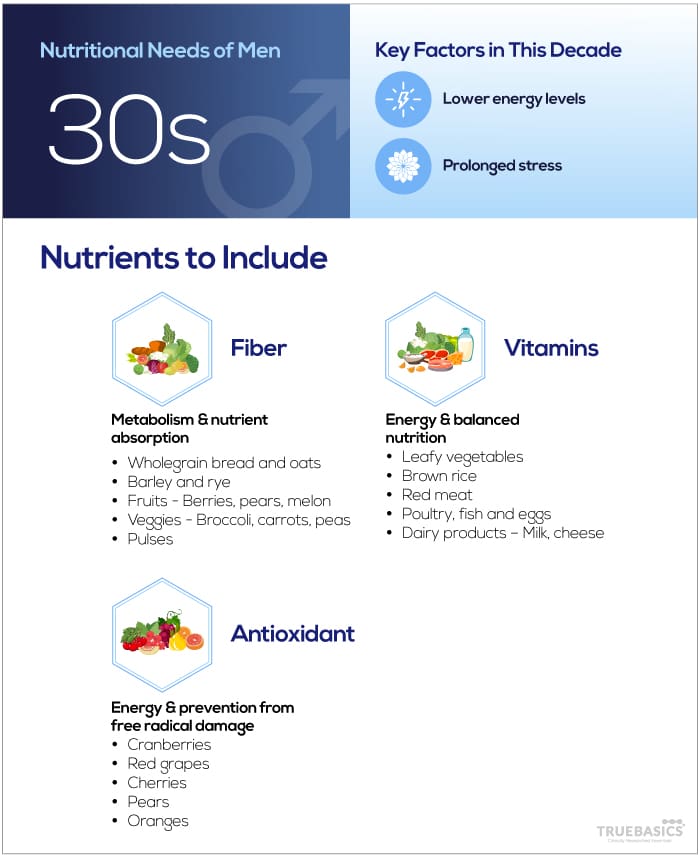
Whether you’re a young adult trying to stay fit or a mature man looking to maintain your health, proper nutrition is essential. This article provides valuable nutritional guidelines specifically tailored for men of all ages. From key nutrients to portion sizes, you’ll discover practical tips to help you stay energized, improve your overall well-being, and prevent common health issues. So, grab your plate and get ready to nourish your body with the right fuel to live your best life.
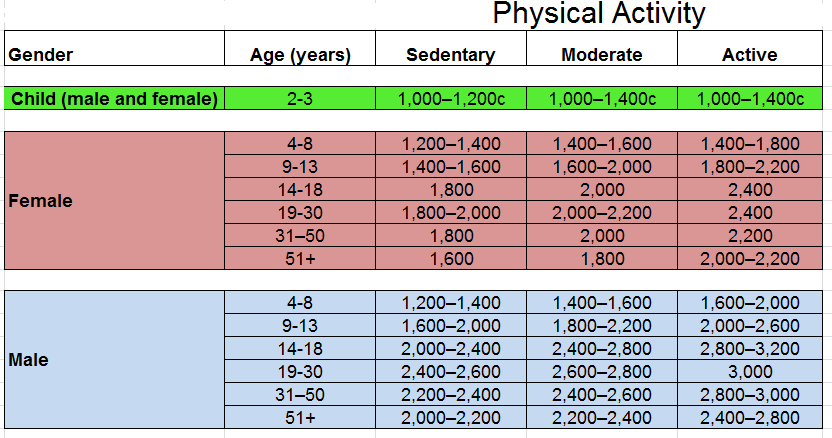
Calorie intake
Determining daily calorie needs
Determining your daily calorie needs is an essential step in maintaining a healthy diet. The number of calories you need each day depends on various factors, including your age, weight, height, and activity level. One way to estimate this is by using the Harris-Benedict equation, which takes into account your basal metabolic rate (BMR) and activity level. BMR is the number of calories your body needs to function at rest, while the activity level accounts for the calories burned through physical activity.
Balancing calorie intake with activity levels
Balancing your calorie intake with your activity level is crucial for achieving and maintaining a healthy weight. If you consume more calories than your body requires for daily functioning and physical activity, you may gain weight. On the other hand, if you consume fewer calories than you burn, you may lose weight. It’s important to find a balance that suits your individual needs and goals. Regular exercise can help increase calorie expenditure, allowing for a slightly higher calorie intake without gaining weight.
Adjusting calorie intake as you age
As you age, your body’s metabolism naturally slows down, and your calorie needs may decrease. It’s important to adjust your calorie intake accordingly to prevent unwanted weight gain. Additionally, as you get older, maintaining muscle mass becomes crucial. Since muscle burns more calories than fat, preserving muscle through proper nutrition and regular strength training can help maintain a healthy weight and metabolic rate.
Macronutrients
Importance of macronutrients
Macronutrients, including carbohydrates, proteins, and fats, are the main sources of energy for your body. They play vital roles in various bodily functions, such as providing fuel for physical activity, supporting muscle growth and repair, and aiding in hormone production. It’s important to consume a balanced amount of each macronutrient to meet your body’s nutritional needs.
Recommended daily intake of macronutrients
The recommended daily intake of macronutrients for men varies based on several factors, such as age, weight, and activity level. Generally, it is recommended that carbohydrates make up 45-65% of your total daily calorie intake, with fats comprising 20-35% and proteins comprising 10-35%. However, these percentages can be adjusted based on personal goals and dietary preferences.
Balancing macronutrients in the diet
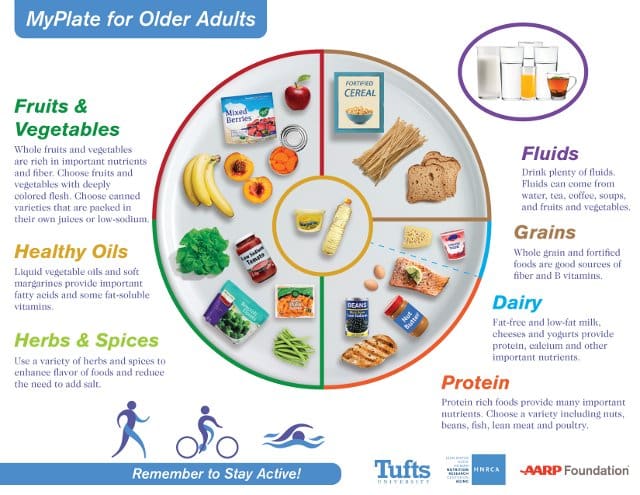
Achieving a balanced intake of macronutrients involves including a variety of foods in your diet. Aim to incorporate complex carbohydrates, such as whole grains and vegetables, lean sources of protein, such as poultry, fish, and legumes, and healthy fats, such as avocados, nuts, and olive oil. Avoid excessive consumption of processed foods high in added sugars and unhealthy fats, as they can negatively impact your overall health.
Fruits and vegetables
Benefits of fruits and vegetables
Fruits and vegetables are nutritional powerhouses that provide numerous health benefits. They are rich in vitamins, minerals, antioxidants, and fiber, all of which are essential for maintaining a healthy body and reducing the risk of chronic diseases. Regular consumption of fruits and vegetables has been linked to a lower risk of heart disease, certain cancers, and obesity.
Recommended servings per day
The exact number of servings of fruits and vegetables you should consume per day can vary depending on your age, sex, and activity level. Generally, the American Heart Association recommends consuming at least 4-5 servings of fruits and vegetables per day. A serving size typically equates to a medium-sized fruit, half a cup of cooked vegetables, or one cup of leafy greens. Aim to include a wide variety of fruits and vegetables in different colors to maximize the nutritional benefits.
Variety and colors in fruits and vegetables
To ensure you are getting a wide range of nutrients, it’s important to incorporate a variety of fruits and vegetables into your diet. Different colors often indicate different nutrients, so opt for a colorful plate. Include leafy greens like spinach and kale, vibrant red and orange produce like peppers and sweet potatoes, and dark berries such as blueberries and blackberries. Experiment with different cooking methods, such as steaming, grilling, or eating them raw in salads, to add more variety to your meals.
Protein
Importance of protein in the diet
Protein is an essential macronutrient that plays a crucial role in repairing and building tissues, supporting muscle growth, and maintaining a healthy immune system. Including adequate amounts of protein in your diet is important for men of all ages, especially those who are physically active or looking to build muscle.
Sources of protein
Good sources of protein include lean meats like chicken, turkey, and fish. Plant-based options like legumes, tofu, tempeh, and seitan are also excellent sources of protein for those following a vegetarian or vegan diet. Additionally, dairy products, eggs, and nuts can also contribute to your daily protein intake. Try to include a variety of protein sources in your diet to benefit from different amino acids and nutrients.
Recommended daily intake of protein
The recommended daily intake of protein varies depending on factors such as age, sex, and activity level. As a general guideline, the average sedentary adult male should aim for about 56-91 grams of protein per day. However, those who engage in regular physical activity or strength training may need higher protein intakes to support muscle repair and growth. It’s best to consult with a healthcare professional or registered dietitian to determine the appropriate protein intake for your specific needs.

Whole grains
Benefits of whole grains
Whole grains are an essential part of a healthy diet. They are rich in fiber, vitamins, minerals, and phytochemicals, all of which provide numerous health benefits. Consuming whole grains has been associated with a reduced risk of heart disease, type 2 diabetes, and certain types of cancer. Compared to refined grains, whole grains provide more nutrients and have a lower glycemic index, making them a better choice for stable blood sugar levels.
Recommended servings per day
The recommended daily servings of whole grains for men depends on age, sex, and activity level. As a general guideline, adults should aim for 6-8 servings of grains per day, with at least half of those coming from whole grains. A serving size generally equates to one slice of whole grain bread, half a cup of cooked grains like brown rice or quinoa, or one ounce of whole grain pasta.
Choosing whole grain products
When shopping for grains, look for products labeled “100% whole grain” or “whole grain” as the first ingredient. Consuming a variety of whole grains, such as oats, barley, whole wheat, and rye, can help ensure that you are getting different nutrients and flavors. Additionally, try replacing refined grain products with whole grain alternatives whenever possible, such as choosing whole wheat bread or brown rice instead of white bread or white rice.
Dairy and calcium
Importance of dairy and calcium
Dairy products are an excellent source of calcium, which is crucial for maintaining strong bones and teeth. Adequate calcium intake can also help prevent osteoporosis, a condition characterized by weakened bones. It’s important to include dairy or other calcium-rich foods in your diet to ensure you meet your daily calcium needs.
Recommended daily intake of calcium
The recommended daily intake of calcium varies depending on age and sex. Adult men between the ages of 19 and 70 should aim for 1,000 milligrams (mg) of calcium per day, while those over 70 should increase their intake to 1,200 mg. This can be achieved by consuming three servings of dairy products per day, such as milk, yogurt, or cheese. If you are unable to consume dairy products due to lactose intolerance or other reasons, there are alternative sources of calcium, including fortified plant-based milk, tofu, almonds, and leafy green vegetables.
Alternatives for those who are lactose intolerant
If you are lactose intolerant and cannot consume dairy products, there are alternative sources of calcium that can be incorporated into your diet. Many plant-based milk alternatives, such as almond, soy, or oat milk, are fortified with calcium. Tofu, almonds, spinach, and kale are also good sources of calcium. Consider speaking with a registered dietitian to ensure you are meeting your calcium needs through alternative sources.

Healthy fats
Differentiating between healthy and unhealthy fats
Not all fats are created equal. While unhealthy fats, such as saturated and trans fats, should be limited in the diet, healthy fats are an essential component of a balanced diet. Healthy fats, such as monounsaturated and polyunsaturated fats, play a crucial role in promoting heart health, supporting hormone production, and aiding in nutrient absorption.
Recommended daily intake of healthy fats
The American Heart Association recommends that most of your daily fats come from healthy sources. It is generally recommended to aim for 25-35% of your total daily caloric intake to come from fats, with the majority of these fats being unsaturated fats. Consuming a variety of foods rich in healthy fats, such as avocados, nuts, seeds, olive oil, and fatty fish like salmon or tuna, can help you meet your daily fat intake goals.
Sources of healthy fats in the diet
Incorporating healthy fats into your diet can be as simple as using olive oil or avocado instead of butter, snacking on a handful of nuts, or adding chia seeds or flaxseeds to your smoothies or salads. Fatty fish, like salmon and trout, are excellent sources of omega-3 fatty acids, which have been shown to reduce the risk of heart disease and support brain health. Just remember to consume healthy fats in moderation, as they are high in calories.
Hydration
Importance of staying hydrated
Staying hydrated is essential for maintaining overall health and well-being. Water plays a vital role in numerous bodily functions, including regulating body temperature, cushioning joints, transporting nutrients, and aiding in digestion. Proper hydration is key for optimal physical and mental performance.
Recommended daily fluid intake
While the exact daily fluid needs may vary depending on factors such as activity level and climate, a general guideline is to aim for about 9-13 cups (2.2-3 liters) of fluids per day. This includes water, but also accounts for other fluids from beverages and foods. Remember that individual needs may differ, so listen to your body and adjust your fluid intake accordingly.
Choosing water over sugary drinks
Water is the best choice to stay hydrated since it has no added sugars or calories. Avoiding sugary drinks, such as soda and fruit juices, is important for maintaining a healthy diet. These drinks can contribute to weight gain, tooth decay, and an increased risk of chronic diseases, such as diabetes and heart disease. If you prefer flavored beverages, try infusing water with fruits, herbs, or vegetables to add a refreshing twist without the added sugars.
Vitamins and minerals
Essential vitamins and minerals for men
A well-balanced diet should provide essential vitamins and minerals necessary for overall health. For men, some key nutrients to focus on include vitamin D, vitamin B12, zinc, and magnesium. Vitamin D is important for bone health and immune function, while vitamin B12 supports the nervous system and red blood cell production. Zinc is crucial for testosterone production and immune function, and magnesium is involved in over 300 biochemical reactions in the body.
Food sources of vitamins and minerals
To ensure you are getting an adequate intake of essential vitamins and minerals, it’s important to consume a variety of nutrient-dense foods. Good sources of vitamin D include fatty fish like salmon and fortified dairy products. Vitamin B12 can be found in animal products such as meat, poultry, and dairy. Zinc-rich foods include shellfish, lean meats, legumes, and seeds, while magnesium can be obtained from nuts, seeds, whole grains, and leafy green vegetables.
Supplements and their role
While it’s recommended to obtain nutrients through a balanced diet, some individuals may benefit from supplements to meet their nutritional needs. If you suspect a deficiency or have difficulty meeting your nutrient requirements through food alone, consult with a healthcare professional or registered dietitian who can advise on the appropriate use of supplements. Remember that supplements should complement a healthy diet, not replace it.
Special dietary considerations
Dietary considerations for men with specific health conditions
Men with specific health conditions may have unique dietary considerations. For example, individuals with high blood pressure may need to limit their sodium intake and increase their consumption of fruits, vegetables, and whole grains. Those with diabetes should focus on managing carbohydrate intake and monitoring blood sugar levels. It’s important to consult with a healthcare professional or registered dietitian to determine the most appropriate dietary recommendations for your specific condition.
Nutritional needs during different life stages
Nutritional needs can vary throughout different life stages. During adolescence, when rapid growth occurs, it’s important to ensure adequate nutrient intake to support development. Adult men require a balanced diet to maintain optimal health and prevent chronic diseases. As men age, it may become necessary to adjust nutrient intake to support healthy aging, such as increasing calcium and vitamin D to maintain bone health. Nutritional needs during pregnancy and breastfeeding also require individualized guidance. Consulting a healthcare professional or registered dietitian can provide personalized recommendations for each life stage.
Consulting a healthcare professional for personalized guidelines
While this article provides general guidelines for men’s nutritional needs, it is important to remember that everyone’s nutritional requirements are unique. Individual factors such as age, activity level, pre-existing health conditions, and personal goals can influence dietary recommendations. For personalized guidance and to address specific concerns or questions, it is recommended to consult with a healthcare professional or registered dietitian who can provide tailored recommendations based on your individual needs.