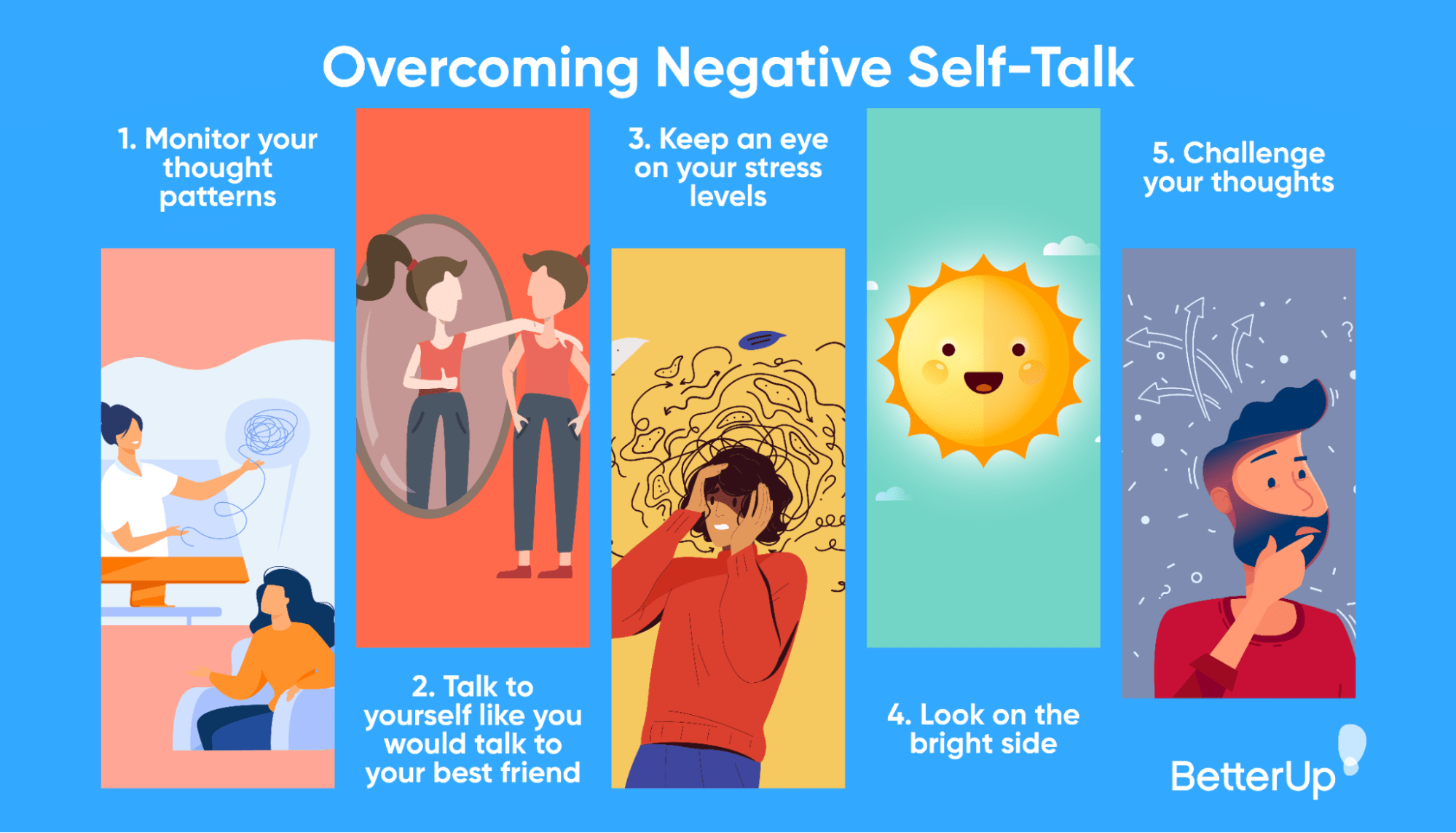
In the fast-paced world we live in, it’s all too easy to get caught up in negative thought patterns and self-talk. Whether it’s worrying about the future, doubting our abilities, or constantly criticizing ourselves, these destructive thought patterns can have a detrimental impact on our mental health and overall well-being. But fear not, because in this article, you will discover effective strategies to overcome these negative patterns and replace them with positive, empowering thoughts. Say goodbye to self-doubt and hello to a brighter, more optimistic mindset. It’s time to take control of your thoughts and unleash your true potential.
Understanding Negative Thought Patterns
Definition of Negative Thought Patterns
Negative thought patterns refer to recurring and persistent patterns of negative thinking that can become deeply ingrained in an individual’s mindset. These patterns often involve distorted and irrational beliefs about oneself, others, and the world. Negative thought patterns can manifest as self-criticism, self-doubt, pessimism, and a general tendency to focus on the negative aspects of situations.
Common Types of Negative Thought Patterns
There are various types of negative thought patterns that individuals may experience. These include:
-
Catastrophizing: This involves automatically assuming the worst possible outcome in a situation, magnifying problems, and imagining the worst-case scenarios.
-
Mind-reading: Mind-reading refers to assuming what others are thinking, usually in a negative or critical manner, without any evidence to support these assumptions.
-
Personalization: Personalization involves taking responsibility or blaming oneself for situations or events that are beyond one’s control.
-
Overgeneralization: Overgeneralization occurs when individuals draw broad conclusions or make sweeping generalizations based on one negative experience.
-
Discounting the positive: This pattern involves dismissing or minimizing positive experiences, achievements, and compliments while focusing solely on the negative aspects of one’s life.
Impact of Negative Thought Patterns on Mental Health
Negative thought patterns can have a significant impact on an individual’s mental health. They can contribute to the development or exacerbation of various mental health conditions, such as anxiety disorders and depression. Negative thought patterns create a negative filter through which individuals perceive the world, leading to increased feelings of unhappiness, stress, and low self-esteem. These patterns can also perpetuate a cycle of negative self-talk and reinforce self-limiting beliefs, hindering personal growth and happiness.
Recognizing Negative Self-Talk
Definition of Self-Talk
Self-talk refers to the ongoing internal dialogue that individuals have with themselves. It involves the thoughts, beliefs, and interpretations individuals have about themselves, others, and situations they encounter. Self-talk can be either positive or negative and has a significant influence on one’s emotions, behaviors, and overall well-being.
Differentiating between Positive and Negative Self-Talk
Positive self-talk involves nurturing, supportive, and constructive thoughts that promote self-empowerment and resilience. It helps individuals build confidence, maintain a positive outlook, and overcome challenges. In contrast, negative self-talk consists of self-deprecating, self-critical, and pessimistic thoughts that undermine self-esteem and hinder personal growth.
Identifying Negative Self-Talk Patterns
Recognizing and identifying negative self-talk patterns is an essential step in overcoming them. Some common negative self-talk patterns include:
-
Filtering: Focusing only on the negative aspects of a situation while ignoring any positive aspects.
-
Labeling: Assigning negative and derogatory labels to oneself based on perceived shortcomings or mistakes.
-
Catastrophizing: Blowing things out of proportion and anticipating the worst-case scenarios without considering more realistic possibilities.
-
Should Statements: Utilizing rigid and unrealistic expectations, often leading to feelings of guilt or inadequacy.
-
All-or-Nothing Thinking: Seeing situations as black or white, without recognizing the gray areas or considering alternative perspectives.
Consequences of Negative Thought Patterns and Self-Talk
Negative Effects on Emotional Well-being
Negative thought patterns and self-talk have profound effects on an individual’s emotional well-being. They can lead to increased levels of stress, anxiety, and depression. Negative thoughts fuel negative emotions, making it challenging to find joy or contentment in life. Chronic negative thought patterns can contribute to feelings of hopelessness, worthlessness, and a general sense of dissatisfaction with oneself and life in general.
Influence on Behavior and Actions
Negative thought patterns and self-talk can significantly impact an individual’s behavior and actions. When individuals constantly engage in negative self-talk, they may become more prone to self-sabotage, procrastination, and avoidance of challenges or opportunities. These patterns can also contribute to the development of unhealthy coping mechanisms, such as excessive drinking, overeating, or substance abuse, as individuals try to numb their negative emotions.
Impact on Relationships and Communication
Negative thought patterns and self-talk can harm relationships and communication. When individuals harbor negative beliefs about themselves, they may have difficulties trusting others or forming meaningful connections. Negative self-talk can also affect how individuals interpret and respond to others’ words or actions, leading to misunderstandings, conflicts, and strained relationships. Additionally, constant self-criticism and negativity can create a pessimistic atmosphere that others may find draining or toxic, further isolating individuals from social support.
Challenging Negative Thought Patterns
Cognitive Restructuring Techniques
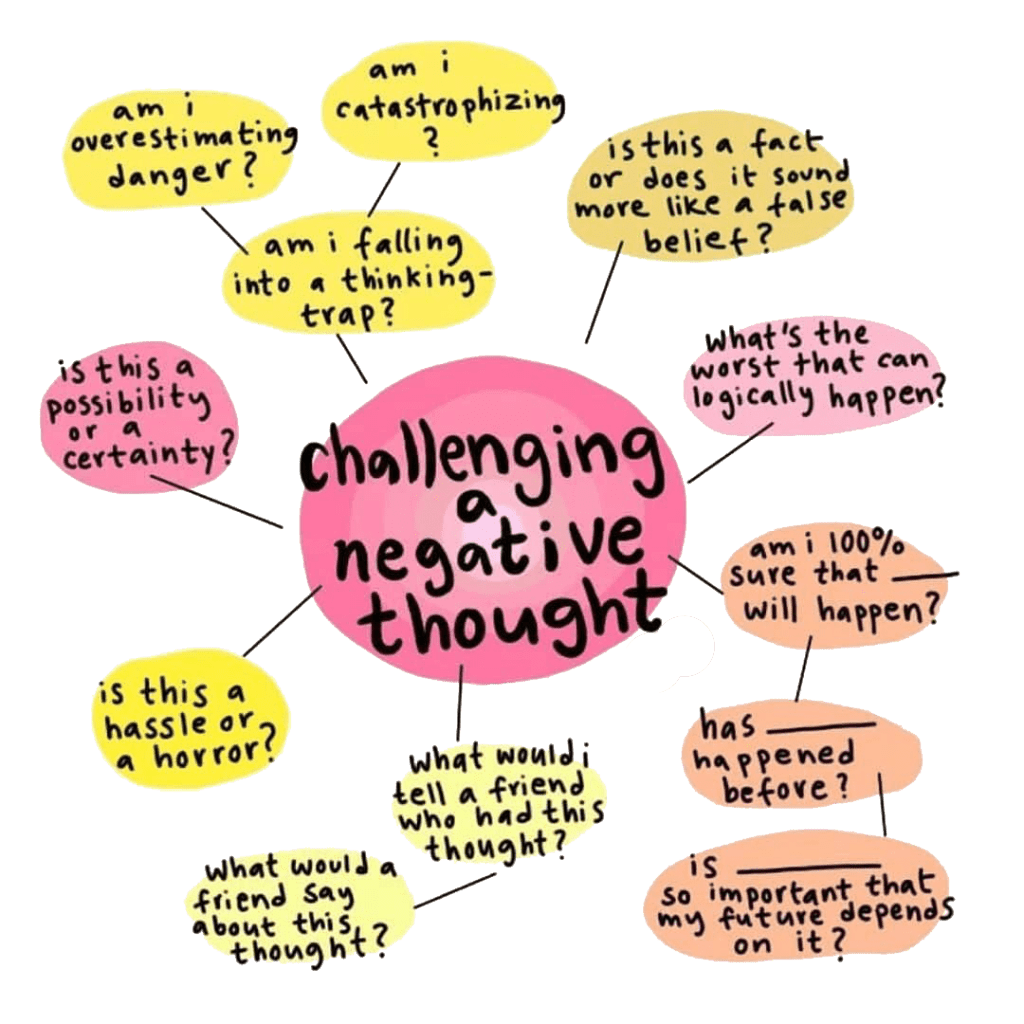
Cognitive restructuring involves challenging and replacing negative thought patterns with more realistic and positive ones. This technique focuses on identifying distortions in thinking and replacing them with balanced and constructive thoughts. By examining the evidence and considering alternative perspectives, individuals can reframe their negative thoughts and develop a more positive and accurate outlook on themselves and their circumstances.
Examining Evidence and Reality Testing
Examining the evidence involves objectively evaluating the accuracy and validity of negative thoughts. It requires individuals to question the basis of their negative beliefs, looking for concrete evidence that supports or contradicts them. Reality testing involves seeking alternative explanations or viewpoints to challenge negative thoughts. By gathering evidence and considering different perspectives, individuals can gain a more balanced understanding of a situation and reduce the impact of negative thought patterns.
Replacing Negative Thoughts with Positive Ones
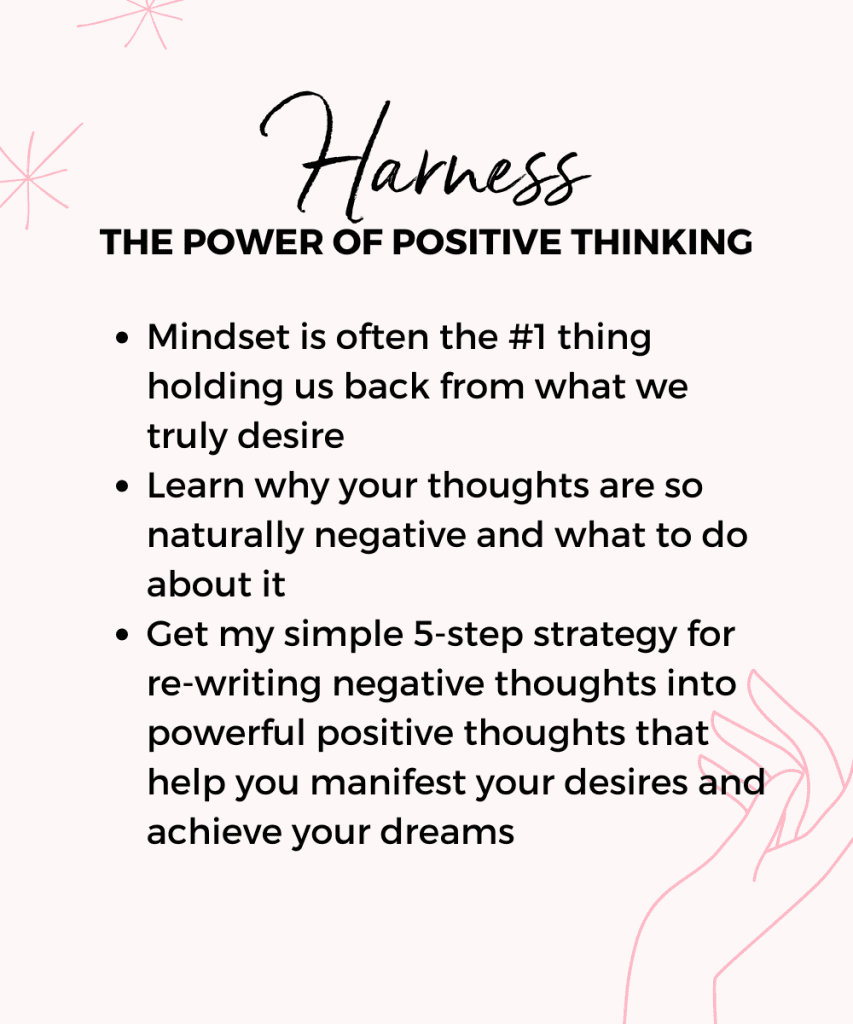
Replacing negative thoughts with positive ones is a powerful technique to combat negative thought patterns. It involves consciously replacing negative self-talk with affirming and compassionate statements. Affirmations are positive statements that challenge negative beliefs and encourage self-acceptance and growth. By consistently practicing positive self-talk, individuals can rewire their brains to focus on their strengths and foster a more optimistic and confident mindset.

Developing a Growth Mindset
Understanding Fixed and Growth Mindset
A growth mindset is the belief that intelligence, abilities, and skills can be developed through dedication, effort, and learning. In contrast, a fixed mindset is the belief that these qualities are fixed and unchangeable. Developing a growth mindset is crucial in overcoming negative thought patterns and self-talk as it promotes resilience, perseverance, and a more optimistic outlook on oneself and life.
Embracing Challenges and Learning from Mistakes
Individuals with a growth mindset embrace challenges as opportunities for growth rather than sources of failure. They recognize that making mistakes is an essential part of the learning process and view setbacks as stepping stones towards improvement. By reframing challenges and mistakes as learning opportunities, individuals can break free from negative thought patterns that hinder personal growth and instead foster a mindset of continuous learning and improvement.
Promoting Self-Compassion and Self-Acceptance
Developing a growth mindset involves promoting self-compassion and self-acceptance. Instead of being overly critical and judgmental towards oneself, individuals with a growth mindset practice self-compassion by treating themselves with kindness, understanding, and empathy. They acknowledge their imperfections and mistakes without attaching their self-worth to them. Embracing self-acceptance allows individuals to foster a positive relationship with themselves and cultivate a more constructive and compassionate inner dialogue.
Practicing Mindfulness and Self-Awareness
Definition and Benefits of Mindfulness
Mindfulness is the practice of being fully present and engaged in the present moment, without judgment or attachment to thoughts and emotions. It involves observing one’s thoughts, feelings, and sensations without being consumed by them. Mindfulness has numerous benefits for mental health, including reducing stress, enhancing self-awareness, improving emotional regulation, and promoting overall well-being.
Mindful Breathing and Meditation Techniques
Mindful breathing and meditation are effective techniques to cultivate mindfulness and self-awareness. By focusing on the breath, individuals can anchor themselves in the present moment and observe their thoughts and emotions without getting swept away by them. Regular meditation practice can help individuals become more aware of their negative thought patterns and self-talk, allowing them to respond to them more skillfully and compassionately.
Observing Thoughts without Judgment
Part of practicing mindfulness involves observing thoughts without judgment. Rather than engaging with or attaching to every thought that arises, individuals can cultivate an attitude of curiosity and non-judgment. By acknowledging and accepting the presence of negative thoughts without dwelling or reacting to them, individuals can create space for more positive and constructive thinking patterns to emerge.
Building a Supportive Network
Seeking Professional Help
When negative thought patterns and self-talk become overwhelming or significantly impact daily functioning, seeking professional help is essential. Mental health professionals, such as psychologists or therapists, can provide guidance, support, and evidence-based interventions to address negative thought patterns and develop healthier coping strategies. They can assist individuals in gaining insight into the underlying causes of negative thinking and provide tailored strategies to mitigate its impact.
Sharing with Trusted Friends or Family
Sharing one’s struggles and negative thought patterns with trusted friends or family can alleviate the burden and provide emotional support. Trusted individuals can offer a fresh perspective, validation, and understanding. Engaging in open and honest conversations allows individuals to gain insights and feedback, fostering personal growth, and helping challenge negative thought patterns in a safe and supportive environment.
Joining Support Groups or Therapy Sessions
Joining support groups or attending therapy sessions can be highly beneficial for individuals struggling with negative thought patterns. Support groups provide a sense of belonging and understanding as individuals share their experiences, challenges, and successes. Therapy sessions offer a structured and professional approach to addressing negative thought patterns through evidence-based techniques and interventions. Being part of a supportive community can help individuals feel less alone in their journey towards overcoming negative thought patterns and self-talk.
Cultivating Positive Self-Talk
Identifying and Challenging Negative Self-Talk
Cultivating positive self-talk begins with identifying and challenging negative self-talk patterns. By paying attention to the content and tone of internal dialogue, individuals can become more aware of their negative thought patterns. Once identified, individuals can challenge negative self-talk by questioning its validity, seeking alternative perspectives, and reframing the thoughts in a more compassionate and realistic manner.
Affirmations and Positive Mantras
Affirmations and positive mantras are powerful tools to foster positive self-talk. Affirmations are statements that individuals repeat to themselves to reinforce positive beliefs and intentions. They can be tailored to address specific negative thought patterns and promote self-acceptance, self-confidence, and resilience. Positive mantras, such as “I am capable and deserving of success,” serve as gentle reminders to counteract negative self-talk and instill a more positive mindset.
Fostering Self-Love and Self-Compliments
Fostering self-love involves cultivating a deep and unconditional acceptance and appreciation for oneself. It entails treating oneself with kindness, compassion, and respect. Emphasizing self-compliments and acknowledging personal strengths and achievements is an important aspect of fostering self-love. By consciously focusing on positive qualities and accomplishments, individuals can counteract negative thought patterns and nurture a more positive and compassionate self-perception.
Engaging in Self-Care Practices
Prioritizing Physical Health
Engaging in self-care practices that prioritize physical health can have a positive impact on mental well-being. Regular exercise, proper nutrition, and adequate sleep are essential for maintaining a healthy mind-body connection. Exercise releases endorphins, improves mood, and reduces stress. Eating a balanced diet supports brain function and provides the necessary nutrients for optimal mental health. Sufficient sleep allows the mind to recharge and promotes overall well-being.
Engaging in Activities that Bring Joy
Engaging in activities that bring joy and fulfillment is vital for combating negative thought patterns. Pursuing hobbies, spending time in nature, practicing creative outlets, or engaging in activities that promote relaxation and enjoyment can significantly improve mood and overall mental well-being. By intentionally focusing on activities that bring positive emotions, individuals can break free from negative thought patterns and create a more balanced and fulfilling life.
Practicing Relaxation Techniques
Practicing relaxation techniques, such as deep breathing exercises, meditation, or yoga, can help individuals manage stress and promote a calm and centered state of mind. Relaxation techniques allow individuals to slow down, reconnect with their bodies, and release tension and anxiety. By incorporating regular relaxation practices into their daily routines, individuals can cultivate a greater sense of peace and resilience against negative thought patterns.
Monitoring Progress and Celebrating Achievements
Setting Realistic Goals
Setting realistic goals is crucial for monitoring progress and overcoming negative thought patterns. Instead of expecting immediate perfection, individuals should establish achievable and measurable goals that align with their values and aspirations. Setting realistic goals allows individuals to track their progress and celebrate small successes along the way, reinforcing positive self-talk and motivation.
Keeping a Journal or Diary
Keeping a journal or diary can be a useful tool for monitoring thoughts, emotions, and progress. By writing down negative thought patterns as they arise, individuals can gain insight into recurring patterns and identify triggers. Journals also provide a space for reflection, gratitude, and self-expression, promoting self-awareness and facilitating the development of healthier thought patterns.
Recognizing and Celebrating Personal Growth
Recognizing and celebrating personal growth is essential for fostering optimism and resilience. By acknowledging the steps taken towards overcoming negative thought patterns and self-talk, individuals can reinforce positive changes and build confidence in their ability to continue making progress. Celebrating personal growth also serves as a reminder to prioritize self-care, maintain healthy habits, and remain committed to cultivating a positive and constructive mindset.
In conclusion, overcoming negative thought patterns and self-talk is a journey that requires patience, self-compassion, and perseverance. By understanding the impact of negative thought patterns, recognizing negative self-talk, challenging and replacing negative thoughts, fostering a growth mindset, practicing mindfulness, building a supportive network, cultivating positive self-talk, engaging in self-care practices, and monitoring progress, individuals can break free from the constraints of negative thinking and embrace a happier and more fulfilling life. Remember, you have the power to reshape your thoughts and create a more positive and supportive inner dialogue.