
If you’ve ever found yourself scarfing down a meal without really tasting or enjoying it, it might be time to embrace the practice of mindful eating. Mindful eating is not just about slowing down and savoring each bite, it’s also about tuning in to your body’s hunger and fullness signals, cultivating a deeper connection to your food, and ultimately, improving your overall well-being. In this article, we’ll explore the various benefits of mindful eating and how it can positively impact your physical and mental health. So, grab a seat, take a deep breath, and let’s dive into the world of mindful eating.

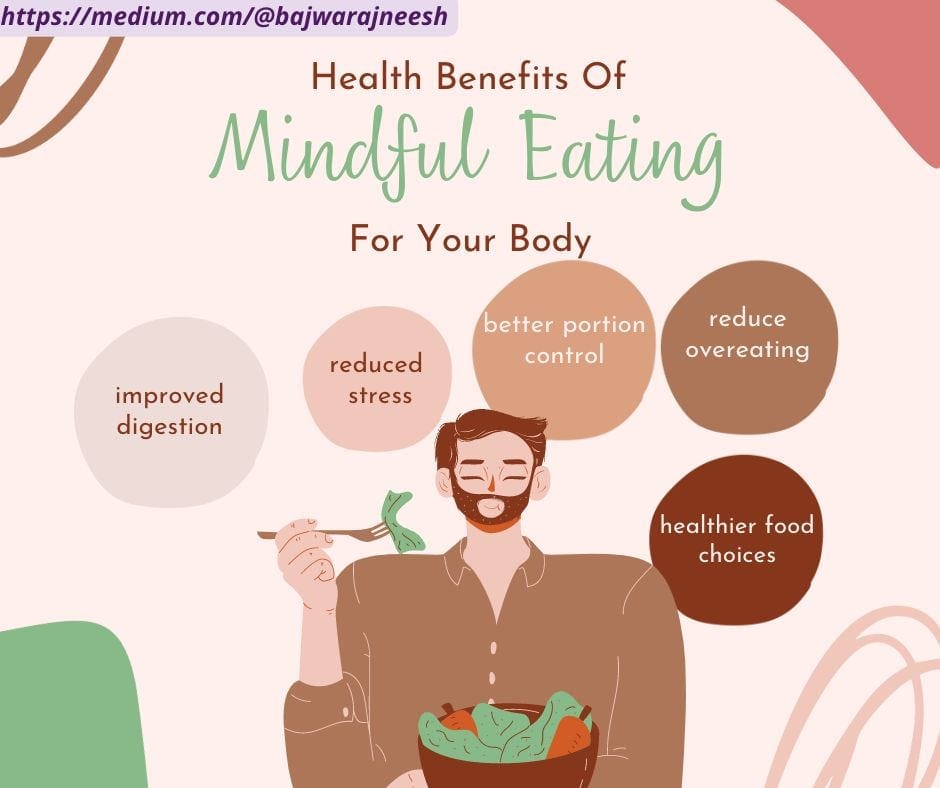
Improved Digestion
Enhanced Focus on Chewing
When you practice mindful eating, you become more aware of the process of chewing your food. This heightened focus allows you to thoroughly break down your food into smaller particles, making it easier for your digestive system to extract nutrients and energy. By taking the time to chew your food properly, you can prevent indigestion, bloating, and other digestive discomforts.
Decreased Digestive Issues
By slowing down and paying attention to your food while eating, you can reduce the occurrence of common digestive issues. Mindful eating helps to stimulate the production of digestive enzymes, which aid in the breakdown of food. This process can alleviate symptoms of acid reflux, constipation, and irritable bowel syndrome (IBS), promoting a healthier digestive system overall.
Better Nutrient Absorption
When you eat mindfully, you allow your body to fully absorb the nutrients from the food you consume. By savoring each bite and being present in the moment, you enhance the body’s ability to extract vitamins, minerals, and other beneficial compounds. This improved nutrient absorption can lead to better overall health and increased energy levels throughout the day.
Weight Management
Heightened Awareness of Hunger and Fullness
One of the significant benefits of mindful eating is the heightened awareness of your body’s hunger and fullness cues. By tuning into these signals, you can better regulate your portion sizes and avoid overeating. This increased self-awareness allows you to maintain a healthy weight and prevent unnecessary weight gain or loss.
Reduced Emotional Eating
Mindful eating helps you establish a deeper connection with your emotions and the underlying reasons for your eating habits. By recognizing and acknowledging your emotions, you can distinguish between physical and emotional hunger. This awareness enables you to address emotional triggers in a healthier way, reducing the reliance on food as a coping mechanism and promoting overall weight management.
Increased Satiety
When you eat mindfully, you give yourself the opportunity to truly enjoy and savor each mouthful. By focusing on the taste, texture, and aroma of your food, you feel more satisfied with each bite. This heightened sense of satisfaction can lead to a reduced likelihood of overeating and a greater sense of satiety after meals, helping to maintain a healthy weight and prevent unnecessary snacking.
Reduced Stress and Anxiety
Heightened Sensory Experience
Mindful eating encourages you to engage all of your senses while enjoying your meals. By paying attention to the colors, smells, textures, and flavors of your food, you enhance the sensory experience of eating. This heightened sensory awareness can be soothing and relaxing, helping to reduce stress and anxiety levels.
Promotion of Relaxation
When you cultivate a mindful eating practice, you create a space for relaxation and calmness during mealtimes. By focusing on the present moment and slowing down your pace of eating, you allow your body to enter a state of relaxation. This promotes a sense of peace and tranquility, helping to alleviate stress and anxiety.
Decreased Stress-induced Eating
Many people turn to food as a way to cope with stress and alleviate negative emotions. However, mindful eating can help break this cycle by increasing your awareness of the underlying triggers for stress-induced eating. By recognizing these triggers, you can develop healthier coping mechanisms and reduce the reliance on food for emotional comfort, ultimately reducing stress-induced eating habits.
Enhanced Mindfulness
Increased Mind-Body Connection
Mindful eating fosters a stronger connection between your mind and body. By bringing your attention to the present moment and focusing on how your body feels during and after meals, you develop a deeper understanding of your body’s needs. This increased mind-body connection allows you to make more conscious choices about what and how much you eat, leading to improved overall well-being.
Improved Emotional Regulation
When you practice mindful eating, you become more attuned to your emotions and their impact on your eating behaviors. This heightened emotional awareness enables you to regulate your emotions more effectively, reducing impulsive eating and promoting more balanced and nourishing food choices. Improved emotional regulation can contribute to overall mental well-being and a healthier relationship with food.
Heightened Sensory Awareness
Mindful eating encourages you to engage all your senses while eating, not just taste. By paying attention to the sight, smell, texture, and even the sounds of your food, you develop a greater appreciation for the sensory experience of eating. This heightened sensory awareness can enhance your enjoyment of food, leading to a more satisfying and pleasurable eating experience overall.

Promotion of Healthy Food Choices
Better Food Selection
When practicing mindful eating, you become more intentional and mindful in your food choices. Mindful eaters tend to opt for foods that are nourishing and beneficial for their health, rather than relying on convenience or emotional triggers. This increased awareness and intentionality in food selection can lead to an overall healthier diet and improved well-being.
Decreased Cravings for Unhealthy Foods
The practice of mindful eating allows you to become more aware of your cravings and the underlying reasons behind them. By approaching cravings with curiosity and non-judgment, you can explore healthier alternatives and satisfy your cravings in a more nourishing way. Over time, this increased awareness and mindful choice-making can decrease cravings for unhealthy foods, promoting a healthier eating pattern.
Improved Taste Perception
When you engage in mindful eating, you cultivate a deeper appreciation for the flavors of your food. By savoring each bite and paying full attention to the taste and texture of what you’re eating, you can enhance your taste perception. This heightened taste perception allows you to derive greater satisfaction and enjoyment from your meals, making it less likely that you’ll seek out unhealthy or processed foods for taste satisfaction.
Improved Portion Control
Awareness of Portion Sizes
Mindful eating helps you develop a greater awareness of appropriate portion sizes for your body’s needs. By paying attention to your body’s hunger and fullness cues, you can identify the amount of food required to feel satisfied without overeating. This increased awareness of portion sizes supports weight management and promotes a balanced and healthy approach to eating.
Decreased Overeating
Mindful eating encourages you to eat in a slower and more deliberate manner. By taking the time to savor each bite and fully experience your food, you allow your brain and body to register feelings of fullness more accurately. This can help prevent overeating and promote better portion control, leading to more balanced and mindful eating habits.
Enhanced Satisfaction with Smaller Portions
As you cultivate a mindful eating practice, you develop a greater appreciation for the taste and quality of your food. This heightened awareness and enjoyment can result in increased satisfaction with smaller portions. By focusing on the sensory experience of each bite, you become more attuned to the flavors and textures of your food, leading to a greater sense of contentment with less food.

Development of Healthy Eating Habits
Improved Meal Planning
Practicing mindful eating involves planning and preparing meals with intentionality. By considering your body’s needs, your food preferences, and your schedule, you can create balanced and nourishing meal plans. This improves your overall eating habits by ensuring you have nutrient-rich meals that support your well-being and provide sustainable energy throughout the day.
Enhanced Cooking Skills
Mindful eating encourages you to prioritize home-cooked meals and the use of fresh, whole ingredients. By taking the time to prepare and cook your meals mindfully, you can develop and enhance your cooking skills. This increased skill set allows you to create delicious and nutritious meals that are tailored to your taste preferences, leading to a healthier and more enjoyable eating experience.
Increased Appreciation for Food
Through the practice of mindful eating, you develop a deeper appreciation for the food you consume. By approaching meals with gratitude and awareness, you recognize the effort and resources that go into producing and preparing the food you eat. This increased appreciation fosters a healthier relationship with food and promotes a sense of gratitude for the nourishment it provides, leading to a more positive and mindful approach to eating.
Better Relationships with Food
Reduced Guilt and Shame Surrounding Food
Mindful eating promotes a non-judgmental and compassionate approach to eating. By letting go of guilt and shame surrounding food choices and behaviors, you can develop a healthier and more positive relationship with food. This reduction in negative emotions allows you to approach eating with self-compassion and make choices that align with your well-being rather than rigid diet rules.
Improved Body Image
The practice of mindful eating encourages you to focus on nourishing your body and caring for its needs, rather than solely on appearance or weight. This shift in mindset can lead to improved body image and greater acceptance of your body as it is. As you develop a deeper understanding of your body’s signals and needs, you can appreciate and respect your body for all that it does, fostering a more positive and compassionate relationship with yourself.
Mindful Eating as a Sustainable Approach
Unlike restrictive diets or quick-fix approaches to eating, mindful eating is a sustainable and long-term approach to nourishing your body. By cultivating mindfulness in your eating habits, you develop a deep understanding of your body’s needs and preferences. This sustainable approach promotes a healthy relationship with food that can be maintained throughout your lifetime, leading to improved overall well-being and a more balanced approach to health.
Mindful Eating for Emotional Well-being
Improved Coping Mechanisms
Mindful eating provides an opportunity for greater self-reflection and awareness of emotional triggers. By acknowledging and understanding emotional patterns, you can develop healthier coping mechanisms and strategies to manage stress, anxiety, and other challenging emotions. Mindful eating becomes a tool for emotional well-being, helping you navigate difficult emotions in a more balanced and constructive way.
Enhanced Self-compassion
Practicing mindfulness during mealtimes encourages you to approach yourself and your eating habits with compassion and kindness. Through non-judgmental awareness, you can cultivate self-compassion, which fosters a positive and supportive relationship with yourself. This self-compassion extends beyond eating, impacting your overall emotional well-being and contributing to a more loving and accepting attitude towards yourself.
Reduced Emotional Eating
Emotional eating refers to the practice of using food as a means to cope with and soothe emotional distress. Mindful eating helps you recognize and understand the underlying reasons behind emotional eating, allowing you to develop healthier alternatives to address emotional needs. By practicing self-awareness and self-care, you can reduce the reliance on food for emotional comfort, promoting overall emotional well-being.
Promotion of Overall Well-being
Improved Health Markers
Adopting a mindful eating practice has been linked to improved health markers, including lower blood pressure, reduced cholesterol levels, and better blood sugar control. By making more conscious and nourishing food choices, mindful eating positively impacts your overall health and reduces the risk of chronic diseases, fostering a state of well-being.
Enhanced Energy Levels
When you eat mindfully and choose foods that nourish and fuel your body, you can experience increased energy levels throughout the day. By focusing on nutrient-dense foods that provide sustained energy, you avoid energy crashes and promote consistent vitality. This enhanced energy contributes to improved overall well-being and supports an active and fulfilling lifestyle.
Positive Impact on Mental Health
Mindful eating has been shown to have a positive impact on mental health, promoting a greater sense of well-being and reducing symptoms of anxiety and depression. By cultivating mindfulness in your eating habits, you create space for self-reflection, greater emotional regulation, and improved coping mechanisms. This overall improvement in mental health contributes to a more balanced and fulfilling life.
In conclusion, the practice of mindful eating offers a wide range of benefits for overall well-being. By enhancing digestion, supporting weight management, reducing stress and anxiety, promoting mindfulness, guiding healthier food choices, improving portion control, developing healthy eating habits, nurturing positive relationships with food, fostering emotional well-being, and impacting overall health, mindful eating serves as a holistic approach to nourishing your body and mind. By incorporating mindful eating into your daily routine, you can cultivate a deeper understanding of yourself, improve your relationship with food, and experience a greater sense of well-being in all aspects of your life.
