
Are you tired of relying on medication to control your high blood pressure? Look no further! In this article, you will discover the most effective natural methods to keep your blood pressure in check. We will explore various lifestyle changes, dietary adjustments, and stress management techniques that have been proven to lower blood pressure levels. Say goodbye to the reliance on medication and hello to a healthier, more natural approach to controlling your high blood pressure.
1. Eat a healthy diet
Choose nutritious foods
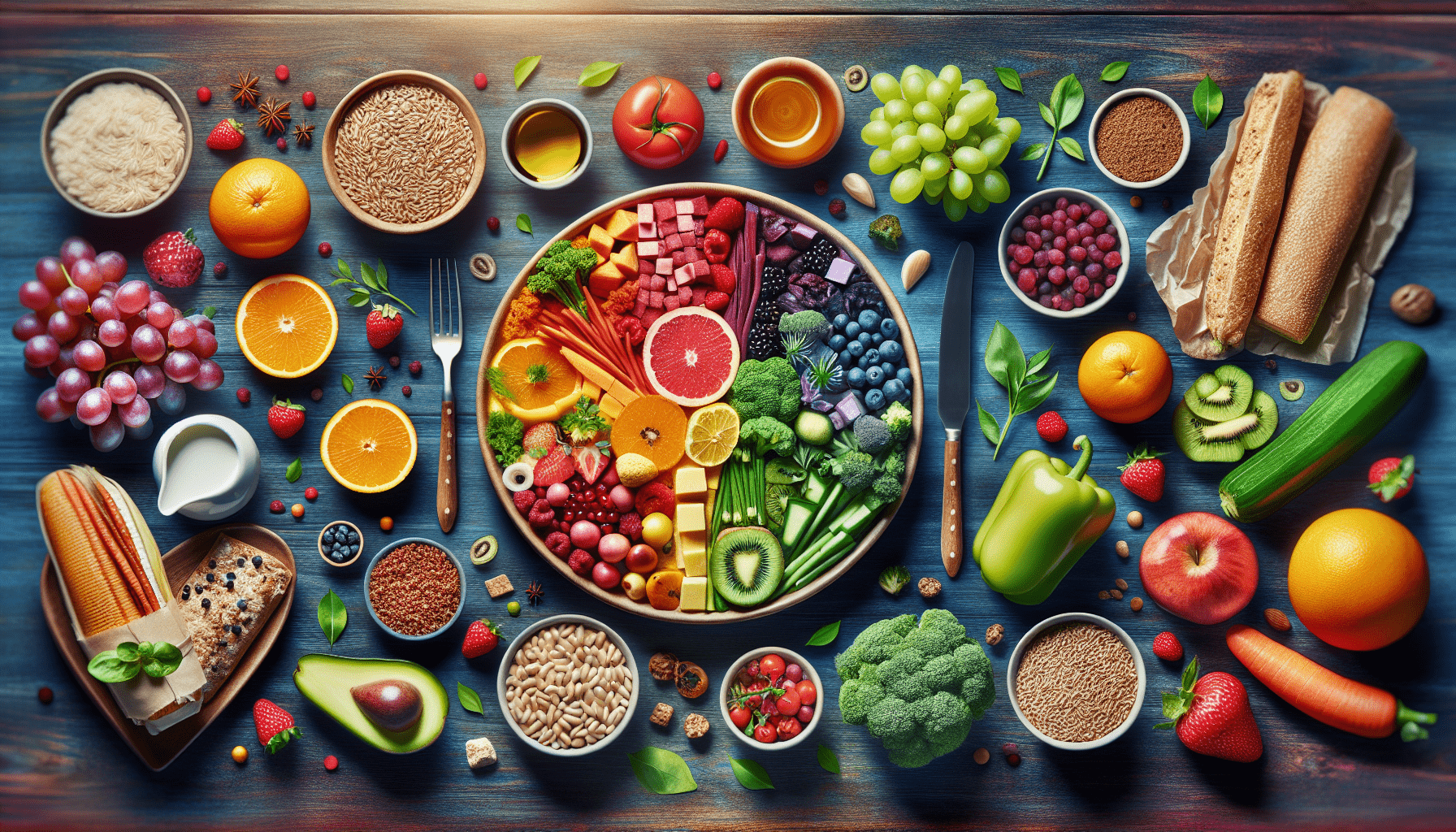
Eating a healthy diet is essential for controlling high blood pressure. When it comes to your diet, it’s important to choose nutritious foods that are low in sodium, saturated fats, and cholesterol. Opt for whole grains, fruits, vegetables, lean proteins, and healthy fats like avocados and nuts. These foods are rich in vitamins, minerals, and antioxidants that can help to lower your blood pressure and improve overall cardiovascular health.
Reduce sodium intake
Cutting back on sodium is crucial for managing high blood pressure. Most people consume too much salt, which can contribute to elevated blood pressure levels. Be mindful of packaged and processed foods, as they are often loaded with sodium. Instead, cook fresh meals at home using herbs and spices to add flavor without adding sodium. Gradually reduce your sodium intake and be sure to read food labels to know exactly how much sodium you’re consuming.
Increase potassium intake
Potassium is an essential mineral that can help lower blood pressure. It helps to balance the effects of sodium in your body and relaxes blood vessel walls, reducing the strain on your cardiovascular system. Incorporate potassium-rich foods like bananas, oranges, spinach, sweet potatoes, and yogurt into your diet. These foods not only taste delicious but have a positive impact on your blood pressure as well.
Limit alcohol consumption
Drinking excessive amounts of alcohol can significantly raise blood pressure levels. It’s important to moderate your alcohol consumption to maintain a healthy blood pressure. If you choose to drink alcohol, do so in moderation. This means no more than one drink per day for women and two drinks per day for men. However, it’s important to note that excessive alcohol consumption can lead to other health issues, so it’s wise to consult with a healthcare professional to determine the best approach for you.
Control portion sizes
Watching your portion sizes is another important aspect of maintaining a healthy diet and controlling high blood pressure. It’s easy to overeat, especially in our fast-paced society where large portions are the norm. By controlling your portion sizes, you can avoid consuming excess calories, which can lead to weight gain and increase blood pressure. Use smaller plates and bowls, and be conscious of how much you’re eating. Listen to your body’s hunger and fullness cues to avoid overeating.
2. Exercise regularly
Engage in aerobic activities
Regular exercise is essential for managing high blood pressure. Aerobic activities, such as brisk walking, jogging, swimming, or cycling, can help to strengthen your heart and lower blood pressure. Aim for at least 150 minutes of moderate-intensity aerobic exercise or 75 minutes of vigorous-intensity aerobic exercise per week. Start slow and gradually increase the duration and intensity of your workouts for long-term success.
Incorporate strength training
Strength training is also important for managing high blood pressure. It helps to build lean muscle mass, which can improve your body’s ability to burn calories and maintain a healthy weight. Additionally, strength training exercises, such as lifting weights or using resistance bands, can help to lower blood pressure levels. Aim for two or more days per week of strength training exercises targeting all major muscle groups.
Practice relaxation exercises
Incorporating relaxation exercises into your routine can help to reduce stress and lower blood pressure. Activities like deep breathing, meditation, yoga, or tai chi can promote relaxation and improve overall well-being. These exercises can help to calm your mind, reduce anxiety, and lower your blood pressure. Find what works best for you and make time for relaxation exercises in your daily routine.
Get regular physical activity
In addition to aerobic activities and strength training, it’s important to get regular physical activity throughout the day. This can include activities like taking the stairs instead of the elevator, parking farther away from your destination, or enjoying a walk during your lunch break. Every little bit of physical activity adds up and can have a positive impact on your blood pressure. Aim for at least 30 minutes of physical activity each day, which can be broken down into shorter bursts if needed.
3. Maintain a healthy weight
Understand body mass index (BMI)
Understanding your body mass index (BMI) is a helpful tool in maintaining a healthy weight. BMI is a calculation that takes into account your height and weight to determine if you’re underweight, normal weight, overweight, or obese. It’s important to strive for a BMI within the normal weight range to reduce the risk of high blood pressure and other health conditions. Calculate your BMI using a BMI calculator or consult with a healthcare professional to understand where you fall on the BMI scale.
Follow a balanced diet
Following a balanced diet is crucial for maintaining a healthy weight. This means consuming the right balance of macronutrients (carbohydrates, proteins, and fats) and focusing on portion control. Incorporate a variety of fruits, vegetables, whole grains, lean proteins, and healthy fats into your meals. Avoid fad diets or extreme restrictions, as they can be unsustainable and lead to potential nutrient deficiencies.
Increase physical activity
Alongside a balanced diet, increasing your physical activity levels is key to maintaining a healthy weight. Regular exercise not only helps to burn calories but also improves cardiovascular health and overall well-being. Find activities that you enjoy and make them a part of your daily routine. Whether it’s going for a walk, joining a fitness class, or playing a sport, finding ways to stay active and moving can make a significant difference in managing your weight and blood pressure.
Monitor weight regularly
Monitoring your weight regularly is an important part of managing high blood pressure. Keeping track of your weight can help you stay accountable and make necessary adjustments to your diet and exercise routine if needed. Weigh yourself consistently, preferably under the same conditions (such as in the morning before eating), and record your progress. If you notice any significant changes in your weight, consult with a healthcare professional to determine the best course of action.
4. Reduce stress
Identify stress triggers
Identifying the triggers that cause stress in your life is the first step in reducing its impact on your blood pressure. Stress can be caused by various factors, such as work, relationships, or financial concerns. Take some time to identify what specific situations or events cause you stress so that you can address them effectively.
Practice stress management techniques
Once you have identified your stress triggers, it’s important to develop effective stress management techniques. This can include activities like deep breathing exercises, meditation, journaling, or engaging in hobbies that bring you joy and relaxation. Find what works best for you and make time for these activities regularly to help reduce your overall stress levels.
Engage in relaxation activities
Engaging in relaxation activities can have a profound impact on managing stress and blood pressure. Activities like taking a warm bath, listening to calming music, practicing mindfulness, or spending time in nature can help to promote a sense of peace and relaxation. Make it a priority to set aside time for these activities, even if it’s just a few minutes each day.
Seek support from friends and family
Don’t hesitate to seek support from friends and family when you’re feeling stressed. Sharing your feelings and concerns with loved ones can provide comfort, perspective, and practical advice. Sometimes, simply talking about what you’re going through can help alleviate some of the stress you’re experiencing. Remember, you’re not alone, and reaching out for support is a sign of strength.
5. Limit caffeine intake
Monitor caffeine consumption
It’s important to monitor your caffeine consumption if you’re aiming to manage high blood pressure. Caffeine is a stimulant that can temporarily increase blood pressure levels. Keep track of how much caffeine you’re consuming and be mindful of its effects on your body. This includes not just coffee, but also other sources of caffeine like tea, energy drinks, and chocolate.
Switch to decaffeinated options
Consider switching to decaffeinated options to help manage your caffeine intake. Many beverages offer decaffeinated alternatives, including coffee and tea. Decaffeinated options can provide a similar taste and experience without the potential rise in blood pressure that comes with regular caffeine consumption.
Explore alternative beverages
If you’re looking for alternatives to caffeinated beverages, there are plenty of options available. Herbal teas, infused water, and fruit juices can be refreshing and satisfying without the caffeine content. Experiment with different flavors and find what beverages work best for your taste preferences and overall health.
6. Quit smoking
Understand the risks of smoking
Smoking is a major risk factor for high blood pressure and various other health conditions. The chemicals in tobacco smoke can damage blood vessels, decrease oxygen levels, and increase the risk of heart disease. Understanding these risks is crucial in motivating you to quit smoking and take control of your blood pressure.
Seek support from healthcare professionals
Quitting smoking can be challenging, but you don’t have to do it alone. Seek support from healthcare professionals who can provide guidance, resources, and strategies to help you successfully quit smoking. They can prescribe medications, suggest nicotine replacement therapies, and offer counseling to enhance your chances of quitting for good.
Try nicotine replacement therapy
Nicotine replacement therapy (NRT) is a helpful tool for those looking to quit smoking. NRT works by providing controlled amounts of nicotine without the harmful toxins found in cigarettes. This can help reduce withdrawal symptoms and cravings, making the quitting process more manageable. Discuss NRT options with a healthcare professional to determine if it’s the right choice for you.
Join a support group
Joining a support group can provide encouragement, understanding, and a sense of community for individuals who are trying to quit smoking. Connecting with others who are going through similar experiences can help you stay motivated and share useful tips and strategies. Look for local or online support groups to find the support network that best fits your needs.
7. Limit alcohol consumption
Understand the effects of alcohol on blood pressure
Consuming excessive amounts of alcohol can significantly increase blood pressure levels. It’s important to understand the effects of alcohol on your body and how it can impact your blood pressure. Alcohol can disrupt the balance of hormones and chemicals in your body, leading to elevated blood pressure and other health issues.
Set limits on alcohol intake
To manage high blood pressure, it’s essential to set limits on your alcohol consumption. Moderation is key when it comes to alcohol. The American Heart Association recommends no more than one drink per day for women and two drinks per day for men. However, it’s important to note that individuals with certain medical conditions or those taking certain medications may be advised to avoid alcohol completely. Consult with a healthcare professional for personalized recommendations.
Drink in moderation or avoid alcohol completely
Depending on your specific circumstances, it may be best to either drink alcohol in moderation or avoid it completely. If you have a history of high blood pressure or if you’re concerned about your cardiovascular health, it may be wise to abstain from alcohol altogether. Talk to your healthcare professional to determine the best course of action for your individual situation.
Seek professional help if needed
If you find it difficult to limit or control your alcohol consumption, seeking professional help is important. Alcohol abuse or dependence can have serious consequences on your health, including high blood pressure. Reach out to a healthcare professional or a substance abuse counselor who can provide guidance, support, and resources to help you address and overcome any alcohol-related concerns.
8. Get enough sleep
Establish a consistent sleep schedule
Getting enough quality sleep is essential for managing high blood pressure. Establishing a consistent sleep schedule can help regulate your body’s internal clock and promote healthy sleep patterns. Try to go to bed and wake up at the same time each day, even on weekends. This can help optimize your sleep and enhance your overall well-being.
Create a relaxing bedtime routine
Creating a relaxing bedtime routine can signal to your body that it’s time to wind down and prepare for sleep. Avoid stimulating activities close to bedtime, such as using electronic devices or engaging in intense workouts. Instead, engage in calming activities like reading a book, taking a warm bath, or practicing gentle stretching exercises. Find activities that help you relax and incorporate them into your nightly routine.
Ensure a comfortable sleep environment
Having a comfortable sleep environment can contribute to better sleep quality and consequently help manage high blood pressure. Make sure your bedroom is cool, dark, and quiet. Invest in a comfortable mattress, pillows, and bedding that promote proper alignment of your body and provide the necessary support for a good night’s sleep.
Avoid stimulants before bedtime
Stimulants like caffeine and nicotine can interfere with your ability to fall asleep and stay asleep. Avoid consuming these substances within a few hours of your bedtime. Instead, opt for decaffeinated beverages and try to limit your nicotine intake. Being mindful of your stimulant intake can help ensure a more restful night’s sleep.
9. Monitor blood pressure regularly
Use a home blood pressure monitor
Monitoring your blood pressure regularly can help you stay on top of your health and track your progress. Consider investing in a home blood pressure monitor to easily check your blood pressure in the comfort of your own home. Follow the instructions provided with the monitor and keep a record of your readings for future reference.
Take regular readings
Make it a habit to take regular blood pressure readings at consistent times of the day. This can help you detect any changes or trends in your blood pressure levels. It’s important to take readings when you’re calm and in a quiet environment, as external factors can influence your results. Follow the guidelines provided with your blood pressure monitor and consult with a healthcare professional if you have any concerns.
Track and record results
Keep a record of your blood pressure readings to help you and your healthcare professional monitor your progress over time. This record can provide valuable insights and help identify any patterns or triggers that may be affecting your blood pressure. Share this information with your healthcare professional during check-ups or appointments to facilitate discussions and adjustments to your treatment plan if necessary.
Consult with a healthcare professional
Regularly consulting with a healthcare professional is crucial in managing high blood pressure effectively. They can provide guidance, monitor your progress, and make any necessary adjustments to your treatment plan. If you experience any significant changes in your blood pressure readings or if you have any concerns, don’t hesitate to reach out to your healthcare professional for advice and support.
10. Follow a DASH diet
Understand the DASH diet
The Dietary Approaches to Stop Hypertension (DASH) diet is a proven approach to lower blood pressure naturally. It is a flexible and balanced eating plan focused on consuming foods rich in nutrients that have been shown to lower blood pressure. The DASH diet emphasizes fruits, vegetables, whole grains, lean proteins, and low-fat dairy products while limiting saturated fats, cholesterol, and sodium.
Eat plenty of fruits and vegetables
Fruits and vegetables are centerpiece foods in the DASH diet and should be a prominent part of your meals. They are low in sodium and high in potassium, which helps to lower blood pressure. Aim to include a variety of colorful fruits and vegetables in your meals and snacks throughout the day. Be creative and explore new recipes or cooking methods to make them more enjoyable.
Include low-fat dairy products
The DASH diet encourages consuming low-fat dairy products as a source of essential nutrients like calcium and potassium. Include options like low-fat milk, yogurt, and cheese in your diet to meet your daily dairy requirements. If you have lactose intolerance or prefer nondairy alternatives, choose fortified plant-based options like almond milk or soy yogurt that provide similar nutrients.
Reduce saturated fat and cholesterol intake
Reducing saturated fat and cholesterol intake is a fundamental aspect of the DASH diet. These can contribute to high blood pressure and increase the risk of cardiovascular disease. Limit your consumption of foods high in saturated fats, such as fatty cuts of meat, full-fat dairy products, and fried foods. Opt for lean proteins, like poultry and fish, and choose healthy cooking methods like grilling, baking, or steaming.
By incorporating these ten strategies into your daily life, you can take control of your high blood pressure naturally. Remember, it’s important to consult with a healthcare professional to determine the best approach for your individual needs. With a comprehensive plan that includes a healthy diet, regular exercise, stress management techniques, and adequate sleep, you can improve your heart health and enjoy the benefits of lower blood pressure. Start making small changes today, and over time, you’ll be well on your way to a healthier you.